Table of Contents >> Show >> Hide
- Why This Viral Parenting Story Resonates
- Yes, Fatherhood Really Can Change Men
- It’s Not Only Moms Who Struggle Emotionally After Kids
- How Kids Change the Relationship Between Partners
- What the Illustrations Get Exactly Right About Dads After Kids
- What Helps Fathers Adjust Better After Having Kids
- 500 More Words on Real-Life Experiences Related to This Topic
- Conclusion
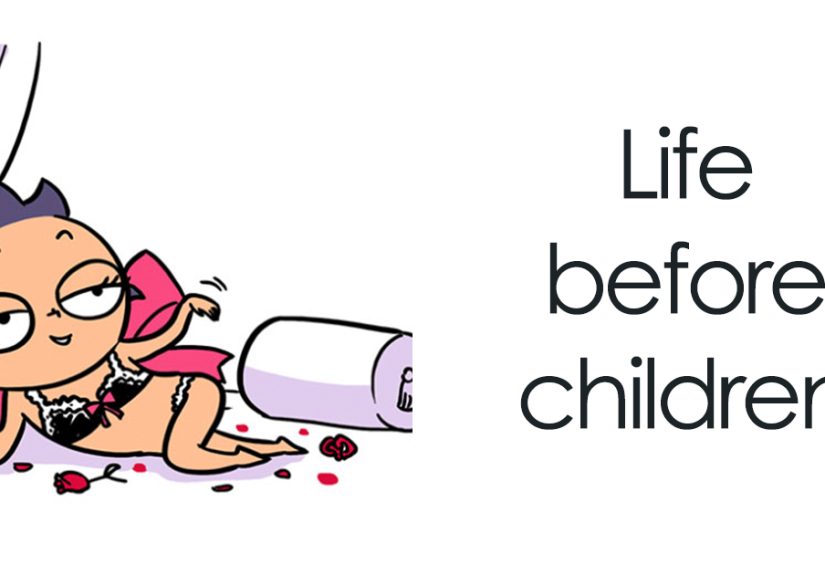
Parenting comics go viral for a simple reason: they tell the truth with better eyebrows. In one especially relatable series, illustrator Weng Chen captures how dramatically her husband changed after becoming a dad. The drawings are funny, affectionate, and painfully familiar to anyone who has ever watched a once-rested adult turn into a sleep-deprived snack courier with a diaper bag slung over one shoulder. And that is exactly why the story landed so well. It reminds people of something modern parenting conversations sometimes miss: having kids changes fathers, too.
Of course, motherhood brings enormous physical, emotional, and social changes that deserve serious attention. But fatherhood is not some magical side quest where a man strolls in, high-fives the baby, and leaves unchanged. Real life is messier than that. Men often experience shifts in sleep, stress, identity, relationships, routines, emotions, and even biology after children arrive. In other words, the husband in those illustrations is not just a punchline. He is a surprisingly accurate portrait of what happens when parenthood barges into a man’s life and redecorates everything.
This article explores why that comic series feels so true, what research says about how dads change after having kids, and why recognizing those shifts matters for the entire family. Spoiler: the transformation is real, and it is not limited to suddenly knowing the exact location of every wet wipe in the house.
Why This Viral Parenting Story Resonates
The comic’s appeal is not just that it is funny. It is that it shows fatherhood as a full-body, full-brain, full-routine experience. The husband is not presented as a background character while Mom does the “real” changing. Instead, he looks altered by the daily chaos of raising children. His schedule changes. His appearance changes. His energy changes. His priorities change. His whole vibe changes.
That feels honest because parenthood tends to bulldoze the neat little systems adults build around themselves. Before kids, a person might measure time in work meetings, gym sessions, dinner reservations, or weekend plans. After kids, time gets measured in nap windows, daycare pickup, whether the baby has pooped today, and whether everyone can make it out the door wearing matching shoes. That adjustment is not just logistical. It is emotional. It forces both parents to renegotiate who they are.
The story also works because it avoids turning parenting into a competition. It does not say moms have it easy. Obviously not. Instead, it widens the frame and says, “Hey, look closer. Dad changed, too.” That is a healthier, more realistic lens. Families do better when they stop treating change as a one-parent event and start seeing it as a household-wide upheaval.
Yes, Fatherhood Really Can Change Men
The body does not stay on the sidelines
For a long time, popular culture treated fatherhood as mostly a social role. Science has complicated that idea in a fascinating way. Research suggests that men can experience biological changes as they transition into fatherhood, including hormonal shifts associated with bonding, caregiving, and responsiveness. In plain English: a dad’s body may be paying attention even if he is pretending he is “just tired.”
One of the most talked-about findings is that testosterone may decrease during the transition to fatherhood, especially among men who are more engaged with their babies. That does not mean dads suddenly become different people overnight. It means the body may be adjusting priorities in ways that support caregiving. The old stereotype says men are “wired” for distance while mothers are naturally attuned. The research says the story is a lot more interesting than that.
There is also evidence that dads who are actively involved with their children show brain and hormone patterns linked to empathy, attention, and caregiving. In other words, fatherhood is not just a practical job description. It can be a real developmental stage. Dad is not merely learning how to hold a baby bottle with one hand while googling “is this rash normal” with the other. He is adapting.
Sleep loss is an equal-opportunity gremlin
If you want to know why a new parent seems dazed, stare briefly into the glorious abyss known as newborn sleep. Babies do not care that adults once had schedules, hobbies, or dignity. They wake often, cry unpredictably, and operate on a system that appears to have been designed by a committee of tiny raccoons.
That means dads, like moms, can get hit with exhaustion, brain fog, irritability, and shortened patience. No, their experience is not always identical. In many households, mothers still carry more of the nighttime load and physical recovery burden. But that does not erase the fact that fathers often become chronically tired as well. The comic version of a husband looking slightly haunted is funny because it is deeply believable.
And sleep loss is not a trivial detail. It affects mood, concentration, communication, memory, and stress tolerance. A man who once functioned like a competent adult may suddenly forget appointments, misplace his phone in the freezer, and stare at the baby monitor like it contains state secrets. That is not always laziness or disengagement. Sometimes it is what happens when the household has not slept properly in months.
Identity gets remodeled, whether invited or not
One of the biggest changes after kids is less visible than the laundry mountain: identity. Before children, many men define themselves through work, independence, hobbies, friendships, and the freedom to move through the day without intense interruption. After children, those markers can shift fast.
A guy who used to spend Saturday morning at the gym may now spend it assembling a toy kitchen with instructions that appear to have been translated from Martian. A man who could once leave the house in three minutes now needs a checklist that includes wipes, snacks, backup snacks, backup clothes, and the emotional resilience to survive a public meltdown over the wrong color cup. This is not just inconvenience. It is a real adjustment in self-concept.
Many fathers discover that parenthood softens them, humbles them, and makes them more emotionally porous. They may feel more protective, more anxious, more sentimental, and more aware of risk. Suddenly every staircase, table corner, and playground ladder looks like a lawsuit waiting to happen. Welcome to the club, Dad.
It’s Not Only Moms Who Struggle Emotionally After Kids
Some dads feel overwhelmed, low, or lost
One of the most important reasons this topic matters is that fathers do not just change in cute or quirky ways. Some struggle in serious ways. New dads can feel isolated, pressured, emotionally left out, or overwhelmed by the weight of responsibility. In some cases, they develop symptoms of depression or anxiety during the postpartum period or later in early parenthood.
The tricky part is that paternal distress does not always look the way people expect. Instead of obvious sadness, it may show up as irritability, anger, withdrawal, overworking, emotional numbness, or acting like he is “fine” while spiritually living in a gas station coffee. That makes it easy for families to miss. People may assume he is just adjusting, just stressed, just grumpy, or just being “a typical guy.” But sometimes those behaviors are signs that he is not doing well.
That matters not only for the father himself, but for the whole family. A struggling dad may have a harder time staying emotionally present, supporting his partner, or enjoying the early months of parenting. Naming the issue is not about taking attention away from mothers. It is about making family life healthier and more honest.
Why these changes are easy to dismiss
Culture still hands men a fairly unhelpful script: provide, stay calm, do not complain, and definitely do not confess that fatherhood feels harder than expected. That script makes many dads less likely to talk openly about emotional changes. It also makes the people around them less likely to notice when something is wrong.
After all, if a new father starts working longer hours, people may praise his dedication. If he becomes more withdrawn, they may call him tired. If he is snappy, they may label him stressed. If he seems disconnected, they may assume he is simply not as naturally nurturing as the mother. But those interpretations can miss the real story.
This is part of what makes Chen’s illustrations so effective. Humor lowers defenses. A comic can show a dad unraveling just enough to make people laugh, and then realize, one frame later, “Oh. That is actually a thing.” Sometimes a cartoon gets people to acknowledge reality faster than a clinical lecture does.
How Kids Change the Relationship Between Partners
Love does not disappear, but it definitely changes outfits
Having children often transforms the couple relationship just as dramatically as it transforms each parent individually. Time becomes scarce. Privacy becomes mythical. Romance starts requiring calendar coordination, and spontaneous intimacy gets replaced by whispered negotiations like, “Are you too tired or just regular tired?”
New dads may feel sidelined in the early weeks, especially when the baby’s needs and the mother’s recovery understandably dominate attention. That does not make them selfish. It makes them human. Meanwhile, mothers may feel overwhelmed, touched-out, physically drained, and frustrated if they feel they are carrying more of the invisible work. Both realities can exist at the same time, usually in the same kitchen, usually near an overflowing sink.
That is why the best parenting partnerships are rarely built on perfection. They are built on translation. One partner says, “I am not rejecting you; I am exhausted.” The other says, “I am not avoiding the baby; I am scared I am doing it wrong.” Once couples understand that both parents are changing, they stop arguing with caricatures and start responding to each other as actual people.
Hands-on fathers tend to do better, and families do too
Research consistently points in one direction: involved fathers matter. When dads are engaged during pregnancy and after birth, families often benefit. Supportive dads can influence everything from prenatal care to feeding support to infant routines. Active father involvement is not a sentimental bonus feature. It is part of the operating system.
And interestingly, involvement seems to help fathers themselves adjust. The more hands-on a dad becomes, the more likely he is to feel connected rather than peripheral. Diaper changes may not look glamorous on paper, but they can become part of how a man grows into fatherhood. Feeding, rocking, walking, soothing, taking the stroller out at 6 a.m. so everyone else can sleep for 20 more blessed minutes, all of that builds confidence and attachment.
That is another reason the comic’s premise rings true. The husband changes because he is in it. He is not hovering around family life like an intern waiting for instructions. He is living it, and living it changes him.
What the Illustrations Get Exactly Right About Dads After Kids
They get the visual comedy right, yes. But they also nail the emotional logic of parenthood. The husband in the drawings looks different because fatherhood often changes a man in wonderfully ordinary ways.
He may become less polished and more practical. The stylish jacket gives way to the shirt that can survive spit-up. He may become more patient in some moments and hilariously fragile in others. He may discover deep tenderness while simultaneously losing the ability to function after hearing the words “Dad, watch this!” for the 114th time before breakfast.
He may also become more aware of labor he never noticed before. Shopping, meal prep, calendar management, emotional regulation, cleaning, packing, planning, and remembering who needs what and when all begin to feel less abstract. In many families, fatherhood becomes a crash course in the invisible infrastructure of domestic life.
And perhaps most importantly, the illustrations show that parenthood changes personality without erasing identity. The husband is still himself. He is just a version of himself that has been stretched, sleep-starved, emotionally upgraded, and slightly chewed on by reality.
What Helps Fathers Adjust Better After Having Kids
Participation beats passivity
Dads tend to adjust better when they participate fully rather than waiting to be assigned a supporting role. That means learning baby care, doing solo care without applause, taking initiative, and being present for the small repetitive tasks that actually make up family life.
Skin-to-skin contact, nighttime soothing, stroller walks, pediatric visits, packing lunch, bath duty, and bedtime routines all help. Not because fathers need a gold star for doing parenting, but because caregiving is how many people bond. Presence builds confidence. Repetition builds competence. Competence builds connection.
Time off can make a real difference
When fathers have the ability to take leave or meaningful time at home, the transition often goes more smoothly. Extra time gives dads more opportunities to bond, support their partners, and settle into the reality of caregiving before work responsibilities fully swallow them again. That early period matters more than many people realize.
It also sends a cultural message: a father’s presence is not optional decoration. It matters. To the baby, to the partner, and to the father himself.
Talking early is smarter than pretending forever
If a dad is persistently angry, withdrawn, numb, hopeless, or overwhelmed, silence is not strength. It is just expensive procrastination. Talking to a partner, doctor, therapist, or trusted friend can prevent a rough transition from becoming a deeper mental health problem. The same goes for relationship strain. Couples who talk earlier usually suffer less later.
Parenting is hard enough without adding denial as a hobby.
500 More Words on Real-Life Experiences Related to This Topic
One reason the story of a wife illustrating her husband after kids feels so accurate is that almost every family has its own version of this transformation. Maybe before the baby arrived, the husband was the guy who could leave the house in sneakers and confidence, carrying nothing but his phone and keys. Then one child later, he is standing by the door holding three bags, a stuffed giraffe, a half-eaten cracker, and the expression of a man who has seen things.
In many homes, the first visible change is timing. A dad who once measured his day in work tasks or personal plans starts measuring it in family rhythms. He knows when the baby naps, when the toddler becomes emotionally unstable because lunch was cut into squares instead of triangles, and when the household enters that dangerous evening stretch where everyone is tired and one wrong sentence can start a tiny civil war. This is not glamorous wisdom, but it is real wisdom.
Then there is the emotional shift. Plenty of men describe becoming more sensitive after having children. Things that once rolled off their backs suddenly hit harder. News stories feel heavier. School drop-off can feel weirdly emotional. A tiny fever can send an otherwise rational adult into full detective mode with a thermometer, a flashlight, and seventeen browser tabs open. Fatherhood often introduces a level of tenderness that surprises even the father himself.
There is also a social shift that rarely gets enough attention. Some dads feel proud and connected after kids, while others quietly feel lonely. Their friendships may change. Their free time shrinks. Their conversations with other adults become interrupted mini-briefings conducted over noise, crumbs, and the soundtrack of a cartoon animal singing about letters. A man can deeply love his family and still miss the version of life where he could finish a thought. That does not make him ungrateful. It makes him honest.
Another common experience is that many fathers begin to understand caregiving labor in a new way. Tasks they once viewed as simple or automatic start revealing their true complexity. Packing for one hour outside the house can feel like preparing for an international expedition. Keeping children fed, clean, safe, emotionally regulated, and vaguely on schedule is relentless work. Some dads say fatherhood made them more respectful partners because they finally saw how much family life depends on constant invisible effort.
And yes, humor becomes survival equipment. A lot of dads cope by joking about their transformation: the dad bod, the permanent under-eye circles, the new ability to fall asleep anywhere, the way every trip to the store somehow ends with diapers, bananas, and one mystery item nobody remembers putting in the cart. But underneath the jokes is a real story about adaptation. Men do change after kids. They become more practical, more alert, more responsible, sometimes more anxious, often more loving, and usually a lot less precious about things like clean shirts and uninterrupted weekends.
That is why the illustrated husband resonates. He is funny, yes, but he is also recognizable. He represents the man who did not stay exactly who he was after becoming a parent. He grew. He frayed a little. He learned. He became tired in new dimensions. He found patience he did not know he had and panic he did not know he was capable of. Most of all, he became part of the strange, exhausting, hilarious transformation called family life.
Conclusion
The lasting appeal of “Wife Illustrates What Happened To Her Husband After Having Kids, Shows It’s Not Only Moms That Change” is that it captures a truth many families live every day: parenthood changes everyone in the house. Mothers often carry the more visible physical burden, especially in pregnancy, birth, and recovery. But fathers are not untouched spectators. They change in their bodies, their routines, their relationships, their mental health, and their sense of self.
That reality deserves more attention, not because parenting is a contest, but because families thrive when both parents are seen clearly. A father who is involved, supported, and emotionally present helps create a stronger home. A father who understands that his own changes are normal may be more likely to ask for help, show up fully, and grow into the role instead of hiding behind old stereotypes.
So yes, the comic is funny. But it also lands like good truth usually does: with a laugh first, and recognition right after. The husband changed after having kids. Not because he became less himself, but because fatherhood asked more of him and, in many ways, made more of him too.
Note: This article is a publish-ready editorial-style synthesis based on real reporting and research and is intended for general informational reading.