Table of Contents >> Show >> Hide
- Why Food Swaps Work Better Than Food Panic
- 39 Genius Food Swaps That Make Weight Loss Feel More Doable
- How To Use These Swaps Without Turning Your Kitchen Into Boot Camp
- What These Swaps Can Actually Help You Feel
- A More Realistic 500-Word Look at the Experience of Losing Weight With Food Swaps
- Final Takeaway
Every so often, the internet rediscovers a truth that diet culture has been trying to hide under a pile of sad rice cakes: healthy weight loss usually works better when you swap than when you suffer. That is why stories about simple food substitutions keep going viral. They feel realistic. They feel human. And most importantly, they do not require you to live like a squirrel with a spreadsheet.
The basic idea is simple. Instead of declaring war on food, you make smart, repeatable changes that trim excess added sugar, saturated fat, sodium, and ultra-processed choices while adding more fiber, protein, fruits, vegetables, and whole grains. In plain English, you stop asking, “What foods do I have to give up forever?” and start asking, “What can I eat that still tastes good and works better for my body?” That question changes everything.
If the title sounds dramatic, the method is not. Making food swaps is one of the most practical ways to support weight management, improve fullness, steady energy, and build eating habits that can actually last longer than a three-day burst of motivation. Below are 39 smart food swaps inspired by the same principle behind viral transformation stories: small choices, repeated often, can add up in a big way.
Why Food Swaps Work Better Than Food Panic
Food swaps work because they are easier to repeat than strict rules. A person who replaces soda with sparkling water most weekdays, chooses Greek yogurt instead of a sugar-heavy dessert, or trades white bread for whole grain bread is quietly improving their routine without feeling punished. These changes often help reduce calories without forcing obsessive tracking, and they can also improve the quality of what you eat.
There is another psychological bonus: swaps protect you from the all-or-nothing trap. You are not “on a diet” until a slice of pizza appears and your plan collapses like a folding chair at a family reunion. You are simply choosing versions of meals and snacks that are more filling, less processed, and easier to fit into everyday life.
That is the real magic here. Sustainable weight loss is often less about heroic willpower and more about setting up meals so that the healthier choice becomes the easier choice.
39 Genius Food Swaps That Make Weight Loss Feel More Doable
Breakfast Swaps
- Swap sugary cereal for oatmeal with fruit and nuts. Oatmeal usually keeps you full longer, especially when topped with berries, chia seeds, or a spoonful of peanut butter.
- Swap a giant flavored coffee drink for regular coffee with milk and cinnamon. Same morning comfort, far less sugar-bomb behavior before 9 a.m.
- Swap a pastry breakfast for eggs and fruit. You get protein and staying power instead of a quick carb spike followed by the “Why am I starving already?” moment.
- Swap white toast or a plain bagel for whole-grain toast. More fiber, more chew, more satisfaction.
- Swap sweetened yogurt for plain Greek yogurt with berries. Greek yogurt brings protein to the party; berries make it taste like a decision you actually wanted to make.
- Swap fruit juice for whole fruit and water. Chewing fruit is usually more filling than drinking it, and you keep the fiber.
- Swap a greasy breakfast sandwich for an egg on an English muffin with spinach. Lighter, still warm and comforting, and less likely to send you into an accidental nap.
- Swap oversized granola portions for a measured bowl with extra fruit. Granola is delicious, but it can become a sneaky calorie pileup if poured with reckless optimism.
- Swap syrup-soaked pancakes for pancakes topped with fruit and a dollop of yogurt. Same breakfast joy, less sugar avalanche.
- Swap fried hash browns for roasted potatoes or a side of fruit. You still get a satisfying side without as much grease.
Lunch and Dinner Swaps
- Swap mayo-heavy sandwiches for mustard, mashed avocado, or hummus. You keep flavor and moisture without turning lunch into an oil slick.
- Swap processed deli meat stacks for lean turkey, chicken, tuna, or beans. A simple move that can cut down on sodium and make your sandwich feel less like a salt delivery system.
- Swap white rice for brown rice, quinoa, or a half-and-half mix. This is an easy way to add fiber without starting a dramatic feud with your favorite meals.
- Swap creamy pasta for tomato-based or olive-oil-based pasta with vegetables. You still get pasta. Civilization remains intact.
- Swap fried chicken for grilled or baked chicken. Crispy is fun, but grilled wins more often when weight loss is the goal.
- Swap a double cheeseburger for a single burger with extra veggies. You still eat the burger. You just stop pretending it needs to be the size of a toddler.
- Swap three or four pizza slices for two slices plus a salad. This classic combo cuts calories while keeping pizza in your life, where it rightfully belongs.
- Swap a giant burrito for a burrito bowl with beans, veggies, and salsa. Same bold flavor, less tortilla bulk, more protein and fiber.
- Swap sour cream in tacos for salsa or plain Greek yogurt. Tangy, creamy, and surprisingly effective.
- Swap cream-based soups for broth-based soups loaded with vegetables and beans. This one is especially helpful when you want something warm and filling.
- Swap macaroni and cheese as the default side for roasted vegetables, beans, or a baked potato. Your dinner plate gets more volume and more nutrition.
- Swap a large order of fries for a small order, baked potato, or side salad. You do not need to break up with fries. You just need boundaries.
- Swap battered fish for grilled or baked fish. This keeps the protein while losing a lot of unnecessary extra fat from the coating and frying oil.
- Swap cheese-heavy casseroles for versions with more vegetables and less cheese. Cheese should be invited, not allowed to run the entire event.
- Swap some meat in tacos, chili, or pasta sauce for beans or lentils. This boosts fiber and stretches the meal without making it feel “diet” flavored.
Snack and Dessert Swaps
- Swap potato chips for air-popped popcorn. You get the crunchy snack experience with more volume for fewer calories.
- Swap a candy bar for apple slices with peanut butter. Sweet, crunchy, creamy, and much more filling.
- Swap nightly ice cream mountains for a smaller bowl or Greek yogurt with fruit. Dessert can stay; the shovel-sized portion can retire.
- Swap a giant bakery muffin for a banana and a handful of nuts. Muffins are often just cake in office attire.
- Swap crackers and processed cheese for veggies with hummus. Still snacky, but with more fiber and fewer “How did I eat all that?” surprises.
- Swap candy-loaded trail mix for nuts and seeds with a little dried fruit. Trail mix is wonderful until it becomes dessert wearing hiking boots.
- Swap milkshakes for fruit smoothies made without added sugar. Keep an eye on portions, but this is often a much smarter treat.
- Swap eating cookies from the package for plating one or two with tea or fruit. The plate creates a pause. The package creates chaos.
- Swap vending-machine snacks for prepped fruit, edamame, yogurt, or roasted chickpeas. Convenience matters, so build your own better convenience.
- Swap sugary cereal as a late-night snack for high-protein yogurt or fruit. Better fullness, less mindless snacking momentum.
Drink and Condiment Swaps
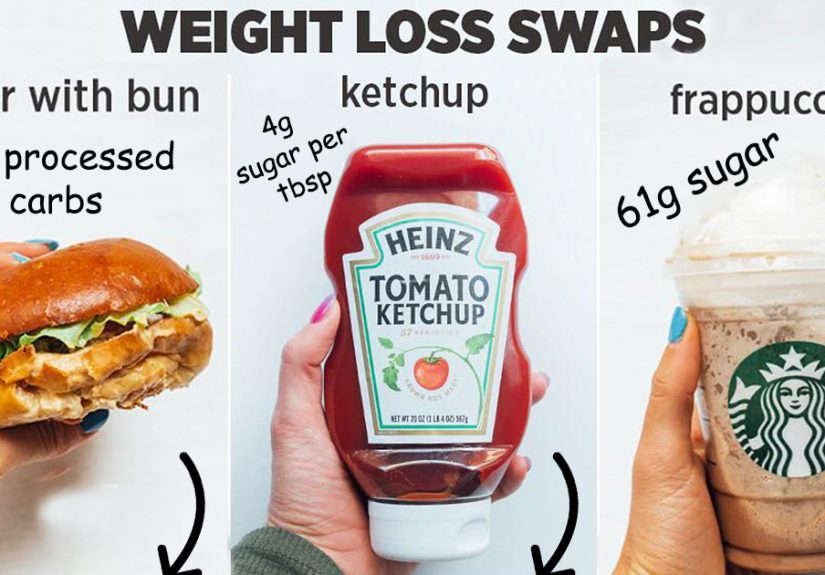
- Swap regular soda for sparkling water or another no-added-sugar drink. This may be the highest-impact change on the list for many people.
- Swap sports drinks for water unless you are doing long, intense exercise. Most desk warriors do not need neon-blue hydration theater.
- Swap creamy salad dressing for vinaigrette. Salads stop being helpful when they are basically marinated in ranch.
- Swap sugary bottled sauces for salsa, hot sauce, lemon juice, herbs, or mustard. A small shift that can quietly improve meals all week long.
How To Use These Swaps Without Turning Your Kitchen Into Boot Camp
The smartest way to use food swaps is not to attempt all 39 by Monday morning. Pick three to five that match what you already eat most often. If soda is your daily sidekick, start there. If takeout lunch is your weak spot, focus there. If late-night snacks keep pulling you into the pantry like a mysterious force field, build better options for that moment.
Another good strategy is to upgrade your defaults. Keep fruit visible. Buy plain Greek yogurt before you buy dessert cups. Choose whole-grain bread automatically. Stock salsa, mustard, beans, popcorn, and frozen vegetables. When your kitchen is set up for better choices, you rely less on motivation and more on momentum.
Also, remember that the goal is not perfection. The goal is improvement. If you make a better choice at breakfast, lunch does not have to be perfect. If dinner is heavier than planned, tomorrow still exists. Human beings are gloriously inconsistent creatures. Your plan should be sturdy enough to survive that.
What These Swaps Can Actually Help You Feel
When people make smarter food substitutions consistently, the first change is not always the scale. Often it is how they feel. They notice steadier energy in the afternoon. They feel less stuffed after meals. They stop riding the roller coaster of sugar highs and snack crashes. They feel fuller from meals that include more protein and fiber. Sometimes their grocery habits improve before their jeans do, and that still counts as progress.
That matters because lasting weight loss is usually built on repeatable behaviors, not dramatic declarations. Nobody gets an award for announcing they will never eat bread again and then spending Friday night romantically reunited with garlic knots. A routine based on food swaps is flexible enough to keep going in real life.
A More Realistic 500-Word Look at the Experience of Losing Weight With Food Swaps
What people often discover when they start using food swaps is that weight loss feels less like a dramatic makeover montage and more like a series of ordinary decisions that slowly become automatic. The first week is usually a little awkward. You buy sparkling water instead of soda and feel deeply skeptical. You try plain Greek yogurt and realize it needs berries, not blind trust. You switch from white bread to whole grain and spend two minutes pretending you can absolutely taste the extra nutrition. But then something interesting happens: the new choices stop feeling new.
Many people describe the early experience as surprisingly freeing. Instead of obsessing over what they cannot have, they begin noticing what works better. A breakfast with protein keeps them full through the morning meeting. A lunch built around lean protein, vegetables, and a smarter carb leaves them alert instead of sleepy. A planned snack in the afternoon prevents the 5 p.m. “I deserve six handfuls of crackers and a mysterious amount of chocolate” spiral. The body is not being tricked; it is being fed in a more helpful way.
There is also a confidence shift that comes with manageable changes. Extreme plans often make people feel heroic for three days and defeated by day four. Food swaps do the opposite. They create small wins. And small wins are powerful. Choosing mustard instead of mayo may not feel like a cinematic moment, but repeat it often enough and it becomes part of a healthier identity. The same goes for ordering grilled chicken instead of fried, drinking water with lunch, or deciding that two slices of pizza with a salad is plenty satisfying. These are not punishments. They are upgrades.
Another common experience is that taste buds adapt faster than expected. Foods that once seemed boring start tasting normal. Foods that once seemed normal start tasting extremely sweet, salty, or heavy. That does not mean cravings disappear forever. It just means cravings lose some of their dramatic authority. A person can still enjoy dessert, fries, or a burger without needing those foods to dominate every meal.
Perhaps the most encouraging part of this approach is that it works in the real world. It works for people who cook at home and people who rely on takeout. It works for busy parents, office workers, students, and anyone whose schedule occasionally resembles a minor emergency. You do not need a perfect meal-prep routine, a refrigerator full of exotic ingredients, or the emotional stamina to count every almond. You need a few reliable swaps, a grocery list that supports them, and the willingness to keep going even when a day is less than ideal.
That is why so many people connect with stories about simple food swaps. They are believable. They honor the fact that healthy weight loss is usually built through repetition, not punishment. And they remind us that a better routine does not have to look miserable to be effective. Sometimes progress starts with nothing more glamorous than better bread, less soda, and a salad that is not secretly wearing a ranch raincoat.
Final Takeaway
If a woman online makes weight loss look easier by showing off 39 genius food swaps, the real lesson is not that she found a secret. It is that she found a system. Better choices, repeated often, beat extreme choices that cannot survive real life. Swapping is not flashy. It is just effective.
Start with the meals you already eat. Keep the foods you love in rotation. Improve the defaults. And let your progress come from consistency, not chaos. That is not a gimmick. That is how sustainable healthy change usually works.