Table of Contents >> Show >> Hide
- The Toast Artist Who Made Breakfast Worth Staring At
- Why Toast Is the Perfect Breakfast Canvas
- The Toast Artist Toolkit (No Fancy Stuff Required)
- Edible “Paints” That Actually Taste Good
- 7 Toast Art Ideas You Can Copy Tomorrow Morning
- How Toast Art Became a Tiny Daily Ritual (Thanks, Internet)
- Make It Pretty and Safe (Because Foodborne Illness Is Not Aesthetic)
- Toast Art Is Secretly Great for Your Brain
- Extra: of Real-Life Toast Art Experiences (So You Know What It’s Actually Like)
- Conclusion: Make Your Breakfast a Little Less Boring
Toast has a reputation problem. It’s the default setting of breakfast: beige, quiet, and usually eaten while you’re standing at the counter wondering how it’s already that late.
But one woman looked at her plain morning toast and thought, “This needs drama.” Not the reality-show kindmore like the “tiny edible masterpiece that makes you smile before caffeine” kind. The result? Toast art: breakfast that doubles as a mini gallery opening you can eat in pajamas.
And the best part is that toast art isn’t just internet-fancy. It’s surprisingly doable, even if your usual culinary aesthetic is “peanut butter applied with urgency.” With a few smart ingredients and a couple of low-pressure techniques, you can turn a boring slice into something that looks like it belongs in a museum… or at least in your camera roll.
The Toast Artist Who Made Breakfast Worth Staring At
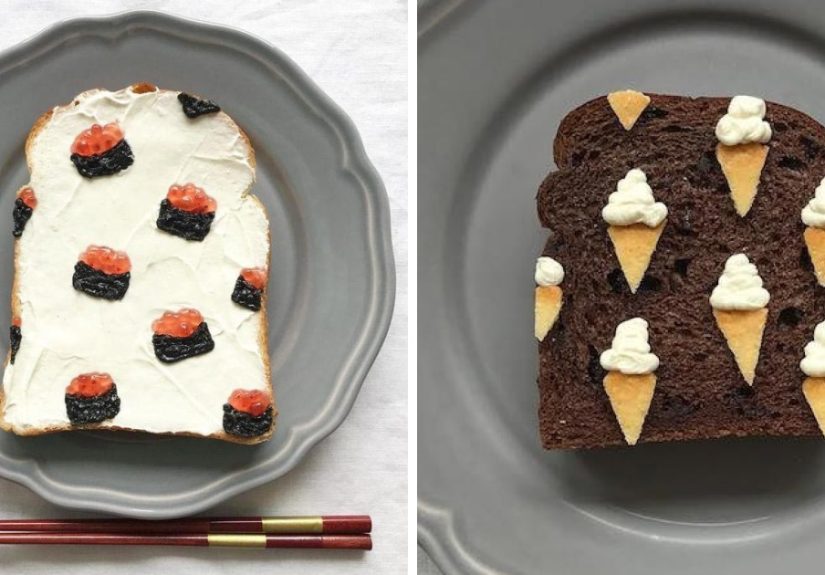
Toast art has popped up in different corners of the internet, but one of the most charming stories centers on a Japanese culinary designer named Eiko Mori. She began turning ordinary toast into playful, intricate designstiny drawings and patterns that look almost too cute to eat. Almost.
Her approach wasn’t “dump toppings and hope.” It was deliberate, like building a miniature scene. Think: fruit motifs, sushi-inspired shapes, bright geometric patterns, and clever little objectsmade using real ingredients, not food props. Toast became her canvas, and breakfast became a daily creative ritual.
That ideataking something you already eat and turning it into a creative practiceis the secret sauce. Toast art isn’t about being precious. It’s about making the everyday feel less automatic.
Why Toast Is the Perfect Breakfast Canvas
1) It’s already flat and frame-like
Toast is basically an edible postcard. A slice gives you a clear border, an even surface, and the right size for a quick project. Big enough for detail, small enough that you’re not committed to a three-hour “bagel mural.”
2) The texture helps
Those little toasted pores? They grip spreads and “edible paint” better than soft bread. That’s why many toast artists toast first, then decorate (or toast lightly again after certain toppings, depending on what’s used).
3) It naturally creates contrast
Golden-brown toast makes bright toppings pop. Creamy whites (like yogurt or cream cheese) turn into a perfect base coat. Dark spreads (like black sesame or chocolate) read like ink.
4) It fits real life
This isn’t a wedding cake. If you mess up a line, you can blur it into “abstract.” If your strawberry slice slides, it becomes “movement.” Toast art is forgiving, which is a rare quality in both art and mornings.
The Toast Artist Toolkit (No Fancy Stuff Required)
You can make impressive toast art with tools you already have. That said, a few small upgrades make details easier:
Toast choices
- Thick-cut bread for sturdiness (brioche, milk bread, sourdough, Texas toast).
- Even crumb breads (like Japanese-style milk bread) for smooth “painting.”
- Smaller slices if you want quicker wins and less pressure.
Spread-and-detail tools
- Butter knife for base layers and broad color blocks.
- Toothpicks for lines, dots, and dragging color into patterns.
- Skewers for slightly thicker line work.
- Piping bag substitute: a plastic sandwich bag with the tiniest corner snipped off.
- Kitchen scissors for cutting nori, herbs, or thin slices into shapes.
Some creators even use ultra-fine tools (like a needle) for delicate lines when working with thick pastesbecause sometimes your toast needs eyeliner-level precision.
Edible “Paints” That Actually Taste Good
The goal isn’t just pretty. It’s pretty and delicious. You want ingredients that spread smoothly, hold color, and pair well togetherso your final piece doesn’t taste like a craft store.
Base coats (the background layer)
- Cream cheese (classic, smooth, bright white base).
- Greek yogurt (tangy, lighter optionthicker is better).
- Nut butters (warm tones, great “canvas” for fruit and seeds).
- Mashed avocado (green background that screams “I have my life together”).
- Ricotta (soft, fluffy base for sweet designs).
Natural color boosters (for a painterly look)
- Berry mash (pink/purple washes).
- Mango or pumpkin puree (sunny orange).
- Matcha (earthy green, a little goes a long way).
- Cocoa (brown shading, “toast ink”).
- Black sesame paste (deep gray-black lines and contrast).
- Beet powder (vivid pink-red, especially in yogurt).
- Turmeric (golden yellowuse lightly for flavor balance).
If you use food coloring, stick to products intended for food use (because your toast should not require a permissions slip from your stomach). In the U.S., color additives used in foods are regulated for safety at approved levelsso treat them like seasoning: correct dose, correct purpose.
7 Toast Art Ideas You Can Copy Tomorrow Morning
Here are practical designs that look impressive without demanding a fine arts degree.
1) “Watermelon Slice” Toast
How it looks: A mini watermelon wedge on your toastbright, graphic, adorable.
How to do it: Spread cream cheese as the base. Add a curved “watermelon” section with strawberry jam. Place thin cucumber slices as the rind edge. Dot black sesame seeds for “seeds.”
Why it works: It’s mostly assembly, not drawingand it’s genuinely tasty.
2) Sushi Pattern Toast
How it looks: Cute little “sushi” shapes, stripes, and dotslike a breakfast bento.
How to do it: Use a pale base (cream cheese or lightly sweetened yogurt). Pipe black sesame paste for outlines. Add mango puree or fruit paste as bright “toppings.” Finish with tiny seaweed bits or seeds for contrast.
3) Garden Flowers (Avocado + Radish)
How it looks: Fresh, green, and “brunch-forward.”
How to do it: Spread mashed avocado. Thinly slice radish into little flower shapes, add microgreens as stems, and dot yogurt or cream cheese centers. A squeeze of lemon keeps the avocado looking bright longer.
4) Sunrise Ombre (Yogurt “Sky”)
How it looks: A gradient sunrisesimple but artsy.
How to do it: Divide yogurt into 3 bowls. Tint one with berry mash (pink), one with mango (orange), and keep one plain (white). Swipe bands across the toast and blend the edges with a spoon.
5) Confetti Polka Dots
How it looks: Playful and childlikein a good way.
How to do it: Spread nut butter or cream cheese. Add dots using blueberries, pomegranate arils, chia seeds, and tiny fruit cubes. The “design” is just spacing, so it’s low stress.
6) Character Toast (Cute Faces Without the Pressure)
How it looks: Little animals, emojis, or simple cartoon faces.
How to do it: Use cream cheese as the face base. Outline with black sesame or chocolate spread in a tiny piping bag. Add fruit slices for cheeks, eyes, or accessories. Keep it minimaltwo eyes and a smile can carry the whole vibe.
7) “Stained Glass” Jam Mosaic
How it looks: A geometric window of color.
How to do it: Spread a pale base. Use a toothpick to draw a simple “lead line” grid with darker spread (black sesame, cocoa yogurt, or chocolate). Fill each section with different jams or fruit purees. Slightly imperfect edges make it look more handmade (read: charming, not crooked).
How Toast Art Became a Tiny Daily Ritual (Thanks, Internet)
Toast art didn’t become popular because people suddenly got extremely normal about breakfast. It caught on because it’s photogenic, quick, and oddly satisfying. Social media loves a transformationespecially one that starts with something as plain as toast and ends with “wait, you made that?”
Some artists describe it as a way to slow down and be more intentional about meals. Instead of rushing or skipping breakfast, the act of making something small and beautiful becomes a reason to sit, eat, and actually notice what you’re doing. It’s creativity you can finish before your inbox wakes up.
Make It Pretty and Safe (Because Foodborne Illness Is Not Aesthetic)
If your toast art uses perishable toppingscream cheese, yogurt, eggs, smoked fish, sliced fruittreat it like real food (because it is). A good rule of thumb: don’t leave perishable foods sitting out too long, especially in warm conditions.
Quick safety habits that fit toast art
- Prep cold ingredients last and return them to the fridge right after using.
- Use small portions on your “palette” (tiny bowls), so the main container stays chilled.
- Eat soon after you decorate, especially when dairy-based spreads are involved.
- Keep hands and tools clean (your toothpick is not a paintbrush you rinse “eventually”).
Also: avocado browns fast. If you want your green designs to stay green long enough for a photo (and for you to find your phone), brushing or drizzling the surface with lemon juice helps slow oxidation.
Toast Art Is Secretly Great for Your Brain
Here’s the surprising thing: toast art isn’t just “making food look cute.” It hits the same benefits people chase in hobbieswithout the intimidation factor.
- It’s bounded: one slice, one mini project, done.
- It’s sensory: colors, textures, smells, crunch.
- It’s forgiving: errors turn into “design choices.”
- It’s rewarding: you literally get to eat your results.
In other words, toast art is a low-stakes way to practice creativity. You don’t need a studio. You need a toaster. That’s the kind of accessibility the art world could learn from.
Extra: of Real-Life Toast Art Experiences (So You Know What It’s Actually Like)
I tried making toast art for a week with one rule: it had to fit into a normal morning. No “wake up at 5 a.m. to hand-carve a chia seed portrait of my pet.” Just realistic toast behavior.
Day 1: The Optimistic Beginning. I started with cream cheese and jam because they’re cooperative. The plan was a strawberry heart. The result was a heart-shaped blob that looked like it was drawn by a very emotional toddler. Still delicious. Confidence: oddly intact.
Day 2: The Toothpick Breakthrough. A toothpick changed everything. Dragging jam through cream cheese created clean lines, like marble. I didn’t have to “draw” so much as move color around. Suddenly I felt like a breakfast magician. Also, I learned that wiping the toothpick between strokes mattersunless you want “tie-dye chaos,” which, to be fair, is a vibe.
Day 3: Avocado’s Drama. Avocado is gorgeous for toast artuntil it decides to turn brown like it’s auditioning for a “before” photo. A quick lemon drizzle helped. The real trick was mashing it smooth and spreading it evenly so the surface looked like a clean green background instead of “lumpy guacamole landscape.”
Day 4: The Assembly Win. I made the watermelon design (cream cheese, strawberry jam, cucumber, sesame). It looked legitimately impressive and took maybe eight minutes. That’s when toast art clicked: the easiest designs rely on shapes and contrast, not high-detail drawing.
Day 5: The Palette Problem. If you put big blobs of toppings into bowls, you’ll waste food. Small amounts are plenty. I started using teaspoon-sized portions and mixing tiny “paints” (like yogurt + berry mash). Less waste, less guilt, and my fridge stopped looking like an art supply closet.
Day 6: The “Abstract Saves Time” Lesson. I tried a sunrise ombré with tinted yogurt. It looked artsy even though it was basically three swipes and a gentle blend. Gradients are the cheat code of toast art: they hide uneven edges and make you look like you know what you’re doing.
Day 7: The Unexpected Benefit. The biggest change wasn’t my toastit was my pace. Toast art forced me to slow down for a few minutes. I ate breakfast sitting down. I noticed the flavor. I felt mildly proud of something small. And honestly? That’s a pretty good trade for a slice of bread that used to be purely functional.
If you want to try it, start with one design you can repeat. Keep your “colors” limited (two to four toppings). And remember: the goal isn’t perfection. The goal is making breakfast feel like more than a speedrun.
Conclusion: Make Your Breakfast a Little Less Boring
Toast art works because it’s simple: one slice, a few ingredients, and a playful idea. Whether you’re inspired by creators like Eiko Mori or you’re just trying to make your 8:12 a.m. feel less like a sprint, turning toast into edible art is a small act with an outsized payoff.
And if anyone asks why you’re “playing with your food,” you can tell them you’re practicing a multidisciplinary craft that blends color theory, culinary design, and emotional survival before coffee. Which is true. And also extremely funny to say while holding toast.