Table of Contents >> Show >> Hide
- How We Chose the Best Fitness Apps for 2025
- Quick Comparison: Best Fitness and Exercise Apps for 2025
- 1. Nike Training Club: Best Free Fitness App Overall
- 2. Apple Fitness+: Best Workout App for Apple Users
- 3. Peloton App: Best for Studio-Style Motivation
- 4. Fitbod: Best Fitness App for Strength Training Plans
- 5. Strava: Best Fitness App for Runners and Cyclists
- 6. MyFitnessPal: Best Companion App for Nutrition and Fitness Goals
- 7. Centr: Best All-in-One Fitness and Wellness App
- 8. Sweat: Best Fitness App for Women-Focused Programs
- 9. Caliber: Best Free Strength Training Tracker
- 10. Future: Best Fitness App for One-on-One Coaching
- How to Choose the Right Fitness App in 2025
- Fitness App Tips for Better Results
- Real-World Experience: What Using Fitness Apps Actually Feels Like
- Conclusion
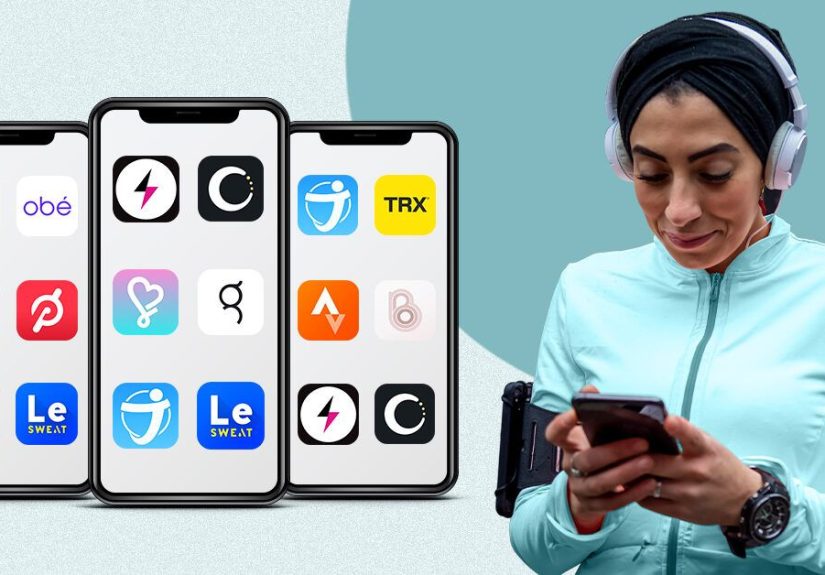
Fitness apps have officially moved beyond the era of “here is a random burpee timer, good luck.” In 2025, the best fitness and exercise apps can build strength plans, stream studio-quality classes, track runs, coach recovery, count macros, sync with wearables, and gently shame your couch without being rude about it.
The challenge is not finding a workout app. The challenge is finding the right one. Some apps are excellent for beginners who want friendly guidance. Others are built for runners, lifters, busy parents, gym regulars, data lovers, or people who need a real human coach because their motivation disappears faster than clean socks on laundry day.
This guide reviews the 10 best fitness and exercise apps for 2025 based on current app features, usability, training variety, value, personalization, tracking tools, and real-world usefulness. Whether your goal is weight loss, muscle gain, better endurance, healthier habits, or simply moving more often, there is an app here that can help you stop “planning to start Monday” and actually start today.
How We Chose the Best Fitness Apps for 2025
To create this list, we looked at current information from official app pages, app-store listings, fitness technology publications, health and wellness review sites, and user-focused testing roundups. The best apps were selected for a balance of credibility, workout quality, ease of use, price transparency, platform availability, and long-term motivation.
Our main ranking factors included:
- Workout quality: Are the programs structured, safe, and useful for real goals?
- Variety: Does the app offer strength, cardio, yoga, HIIT, mobility, running, cycling, or recovery?
- Personalization: Can workouts adapt to your equipment, level, schedule, and progress?
- Tracking tools: Does the app help monitor workouts, nutrition, performance, or habits?
- Value: Is the free version strong, or does the paid plan justify the price?
- User experience: Is the app easy enough to use when you are sweaty, tired, and wondering why you chose leg day?
Quick Comparison: Best Fitness and Exercise Apps for 2025
| App | Best For | Standout Feature |
|---|---|---|
| Nike Training Club | Free guided workouts | Large free workout library |
| Apple Fitness+ | Apple users | Polished classes and Apple Watch integration |
| Peloton App | Studio-style classes | High-energy instructors and class variety |
| Fitbod | Strength training | AI-powered workout planning |
| Strava | Runners and cyclists | GPS tracking, routes, and community |
| MyFitnessPal | Nutrition and habit tracking | Huge food database and device syncing |
| Centr | All-in-one wellness | Workouts, meals, and mindfulness |
| Sweat | Women-focused training | Structured programs and community |
| Caliber | Free strength tracking | Workout logging and coaching options |
| Future | Personal coaching | One-on-one trainer support |
1. Nike Training Club: Best Free Fitness App Overall
Nike Training Club remains one of the best free fitness apps in 2025 because it offers something rare in the app world: high-quality workouts without constantly trying to shake coins out of your gym shorts.
The app includes strength training, conditioning, yoga, mobility, bodyweight workouts, recovery sessions, and programs for different fitness levels. It is especially useful for beginners because the workouts feel polished but not intimidating. You can choose sessions based on time, equipment, intensity, or training focus.
Nike Training Club works well for home workouts, travel workouts, and gym sessions. If you only have 15 minutes and a suspiciously dusty yoga mat, the app can still give you a useful session. If you have dumbbells, resistance bands, or a full gym, there are options for that too.
Why it stands out
The biggest advantage is value. Many free fitness apps are technically free in the same way a “free sample” at the mall becomes a 45-minute sales pitch. Nike Training Club offers a genuinely useful free experience with credible instruction and broad workout variety.
Best for
Beginners, budget-conscious users, home exercisers, travelers, and anyone who wants a reliable workout app without a monthly subscription.
2. Apple Fitness+: Best Workout App for Apple Users
Apple Fitness+ is one of the most polished fitness apps available, especially if you already live inside the Apple ecosystem. It offers guided workouts across categories such as strength, HIIT, yoga, cycling, treadmill, rowing, dance, Pilates, core, kickboxing, meditation, and more.
The real magic happens when Apple Fitness+ works with Apple Watch. Your heart rate, calories burned, and activity rings appear on-screen during workouts, which is either motivating or mildly dramatic depending on how personally you take your rings. The classes are visually clean, easy to follow, and designed for different ability levels.
Workouts are usually available in practical time ranges, making the app helpful for people with packed schedules. You can choose a five-minute core session, a 20-minute HIIT class, or a longer strength workout when your calendar and caffeine levels allow it.
Why it stands out
Apple Fitness+ feels seamless. The interface is simple, the production quality is excellent, and the trainer team is energetic without sounding like they drank a gallon of espresso before filming.
Best for
iPhone, iPad, Apple TV, and Apple Watch users who want a premium guided fitness experience with excellent design and easy tracking.
3. Peloton App: Best for Studio-Style Motivation
Peloton is no longer just “that bike app.” In 2025, the Peloton App is a full fitness platform with strength training, cycling, running, walking, yoga, stretching, cardio, meditation, Pilates, barre, and outdoor audio workouts.
The app’s biggest selling point is instructor personality. Peloton classes often feel like a boutique studio experience at home, minus the awkward moment when you accidentally make eye contact with yourself in the mirror during squats. The instructors are charismatic, the music is strong, and the class library is deep enough to keep boredom away.
Peloton also works well for people who enjoy schedules, programs, challenges, and a sense of community. You do not need a Peloton bike or treadmill to benefit from the app, although equipment owners naturally get more from the full ecosystem.
Why it stands out
Peloton is excellent at motivation. If you struggle to exercise alone, the class atmosphere can make a living room workout feel more social and exciting.
Best for
People who love guided classes, music-driven workouts, energetic coaching, and a premium studio feel at home.
4. Fitbod: Best Fitness App for Strength Training Plans
Fitbod is built for people who want to get stronger but do not want to stand in the gym staring at dumbbells like they are ancient puzzle stones. The app creates personalized strength workouts based on your goals, experience level, available equipment, training history, and muscle recovery.
Fitbod is especially helpful for progressive overload, which is the basic idea that your workouts should gradually become more challenging over time. Instead of repeating the same random routine forever, the app adjusts sets, reps, and exercises so your training keeps moving forward.
You can use Fitbod at home, in a commercial gym, or while traveling. Tell it what equipment you have, and it can build a session around that. This makes it useful for lifters who want structure without hiring a coach.
Why it stands out
Fitbod turns strength training into a clear plan. It is not just a video library; it is a workout planner that learns from your training and helps reduce guesswork.
Best for
Gym-goers, strength-training beginners, intermediate lifters, and anyone who wants personalized workouts based on equipment and recovery.
5. Strava: Best Fitness App for Runners and Cyclists
Strava is the social network for people whose idea of fun includes hills, splits, segments, and saying “easy run” before running faster than most people’s sprint. It is one of the best fitness apps for runners, cyclists, hikers, and outdoor athletes.
The app tracks activities using GPS and syncs with many popular watches and cycling computers. Users can view pace, distance, elevation, routes, and performance trends. Strava’s community features are a major reason people stick with it: you can follow friends, join clubs, give kudos, compare efforts, and participate in challenges.
Strava’s subscription features add advanced training insights, route planning, segment leaderboards, and deeper performance analysis. For casual walkers and runners, the free version may be enough. For serious endurance athletes, the paid tools can be valuable.
Why it stands out
Strava makes cardio feel social and measurable. It is excellent for people who are motivated by progress, friendly competition, and seeing their routes mapped out beautifully after a workout.
Best for
Runners, cyclists, hikers, outdoor walkers, endurance athletes, and anyone who loves data with a side of community.
6. MyFitnessPal: Best Companion App for Nutrition and Fitness Goals
MyFitnessPal is not a traditional workout app, but it belongs on this list because fitness results are heavily influenced by nutrition. You can have the most heroic workout plan in the world, but if dinner is “whatever fell out of the freezer,” progress may be mysterious.
MyFitnessPal helps users track calories, macros, water intake, meals, and exercise. Its food database is one of the largest available, and it connects with many fitness apps and wearable devices. For people focused on weight loss, muscle gain, maintenance, or general awareness, it can be a powerful accountability tool.
The app is especially helpful for learning patterns. You may discover that your “small snack” is actually a full meal wearing sunglasses and a fake mustache. You may also learn that protein, fiber, and hydration make fitness feel much less like punishment.
Why it stands out
MyFitnessPal connects food, activity, and goals in one place. It is best used as a flexible tracking tool rather than a source of obsession.
Best for
People who want to pair workouts with better nutrition habits, calorie tracking, macro tracking, or weight-management goals.
7. Centr: Best All-in-One Fitness and Wellness App
Centr is a strong choice for people who want more than workouts. Inspired by Chris Hemsworth’s training and wellness team, Centr combines exercise programs, meal planning, recipes, mindfulness, and recovery content.
The app includes strength training, HIIT, Pilates, yoga, boxing, MMA-style workouts, muscle-building programs, and guided sessions for different environments. You can train at home, in the gym, or on the go. Centr also offers meal plans that can be adjusted to different food preferences, which makes it more complete than many workout-only apps.
Centr is useful for users who want a lifestyle system rather than a single-purpose tracker. Instead of asking, “What workout should I do?” and then “What should I eat?” and then “Why am I lying on the floor scrolling recipes?” Centr tries to bring those decisions into one platform.
Why it stands out
Centr combines training, nutrition, and mindfulness in a clean package. It is particularly appealing for people who want structure across multiple wellness habits.
Best for
Users who want guided workouts, strength programs, meal planning, and wellness content in one subscription.
8. Sweat: Best Fitness App for Women-Focused Programs
Sweat is one of the most recognizable women-focused fitness apps, with programs for strength, HIIT, Pilates, yoga, low-impact training, pregnancy, postpartum, home workouts, and gym training. It is designed for users who want structured programs and a supportive community feel.
The app features well-known trainers and progressive plans that help users build confidence over time. That structure matters. Random workouts can be fun, but a planned program gives your body a reason to adapt instead of just collecting soreness like souvenir magnets.
Sweat works well for beginners and intermediate users who want clear direction. Many programs are designed with realistic schedules, making the app useful for people who need consistency without needing a two-hour daily gym ritual.
Why it stands out
Sweat’s strength is its program design and community. It helps users feel less alone while following structured workouts that build over time.
Best for
Women looking for guided fitness programs, home or gym workouts, low-impact options, and community support.
9. Caliber: Best Free Strength Training Tracker
Caliber is a science-based strength training app that combines workout tracking, resistance training, cardio, nutrition, and habit-building tools. It is especially impressive because the free version is genuinely useful for creating and tracking workouts.
Caliber includes a large exercise library and lets users log workouts, monitor progress, and build routines. Paid options add coach-designed plans, advanced progress tracking, nutrition targets, and premium coaching. This flexible model makes it a good choice for people who want to start free but may upgrade later.
For lifters, tracking is not just a nice bonus. It is the difference between “I think I’m getting stronger” and “I added 20 pounds to my deadlift and now walk with the quiet confidence of a forklift.” Caliber gives users a clear place to record and review that progress.
Why it stands out
Caliber offers strong workout logging and strength-focused tools without forcing every useful feature behind a paywall.
Best for
Strength-training beginners, gym users, budget-conscious lifters, and people who want structured tracking with optional coaching.
10. Future: Best Fitness App for One-on-One Coaching
Future is the premium option on this list. Instead of giving users a library of workouts and sending them into the wilderness, Future matches members with a personal coach who builds custom plans around their goals, schedule, fitness level, equipment, and lifestyle.
The app is designed for accountability. Your coach can adjust workouts, check progress, message you, and help keep you consistent. For people who have tried many fitness apps but still struggle to follow through, this human connection can be the missing piece.
Future costs more than most fitness apps, but it is closer to digital personal training than a standard workout subscription. Compared with in-person training, it can be more flexible and easier to fit into a busy life.
Why it stands out
Future offers real coaching and personalization. It is best for users who want guidance from a person, not just an algorithm with abs.
Best for
People who want personal accountability, custom programming, coach feedback, and a premium fitness experience.
How to Choose the Right Fitness App in 2025
The best fitness app is not always the most expensive, the most famous, or the one your very intense coworker keeps mentioning while eating plain chicken at 10 a.m. The right app is the one you will actually use consistently.
If you are a beginner
Start with Nike Training Club, Apple Fitness+, or FitOn-style guided classes. Look for clear instructions, beginner filters, short workouts, and programs that do not assume you know gym vocabulary.
If you want to build muscle
Choose Fitbod, Caliber, Ladder, or a coach-based option like Future. Strength progress depends on structure, tracking, and gradual overload.
If you love running or cycling
Strava is the obvious pick. It gives you routes, community, activity history, performance trends, and enough data to make your post-run coffee taste earned.
If you need nutrition support
MyFitnessPal is a strong companion app. Pairing food tracking with exercise can make goals more realistic and less mysterious.
If you want an all-in-one lifestyle app
Centr is a good choice because it combines workouts, meal planning, and mindfulness. Apple Fitness+ also works well if you prefer premium classes and Apple integration.
Fitness App Tips for Better Results
Downloading a fitness app is easy. Using it consistently is the real workout. To get better results, start smaller than your ambition wants you to. A realistic 20-minute workout three times a week beats a heroic two-hour plan that survives exactly four days.
Use reminders, schedule workouts like appointments, and track progress in a way that feels motivating rather than stressful. If an app makes you feel guilty every time you open it, that is not coaching; that is a tiny phone goblin. Try a different app.
Also, remember that rest matters. More workouts are not always better. Good fitness apps should help you train smarter, not just push harder. Strength, cardio, mobility, sleep, hydration, and nutrition all work together. Fitness is a team sport, even when the team is just you, your phone, and a water bottle you keep forgetting to wash.
Real-World Experience: What Using Fitness Apps Actually Feels Like
Using fitness apps in 2025 feels less like following a digital instruction manual and more like choosing the right training personality for your life. Some apps are cheerful studio instructors. Some are quiet data nerds. Some are disciplined coaches. Some are supportive friends who say, “Just do ten minutes,” and somehow that ten minutes becomes a full workout.
The biggest real-world benefit is convenience. A good fitness app removes the first barrier: deciding what to do. Many people skip workouts not because they hate exercise, but because the planning feels exhausting. Should you do legs? Push day? Cardio? Yoga? Something called metabolic conditioning that sounds like a financial crime? Apps like Fitbod, Caliber, Centr, and Future reduce that decision fatigue by giving you a clear plan.
For home exercisers, apps like Nike Training Club, Apple Fitness+, Peloton, Sweat, and Centr make it easier to train without a commute. This matters more than people admit. A 30-minute workout becomes much more realistic when it does not require 20 minutes of driving, parking, locker-room navigation, and pretending not to notice someone filming curls near the dumbbell rack.
For outdoor athletes, Strava changes the emotional experience of cardio. A run becomes a route, a record, a map, and sometimes a friendly competition. Seeing your progress over weeks and months can be deeply motivating. It turns effort into visible proof. Even a slow run counts, because the app records the most important thing: you showed up.
Nutrition tracking with MyFitnessPal can be eye-opening, especially for people who have never measured portions or looked closely at protein intake. The best approach is curiosity, not punishment. The goal is not to make every meal feel like a math exam. The goal is to understand patterns so your workouts are supported by enough energy, protein, hydration, and consistency.
One thing users often discover is that the “best” app changes as their fitness improves. A beginner may start with Nike Training Club because it is free and approachable. After a few months, they may want Fitbod or Caliber for strength progression. A runner may use Strava for tracking and Apple Fitness+ for cross-training. Someone with a major goal, like a race, wedding, hiking trip, or health reset, may upgrade to Future for accountability.
The most successful users treat fitness apps as tools, not magic spells. No app can do the squats for you, although that would be a truly disruptive technology. What an app can do is lower friction, provide structure, track wins, and make exercise feel less lonely. The right app helps you build a rhythm. After that, the real progress comes from repeating ordinary workouts on ordinary days until they become part of who you are.
Conclusion
The best fitness and exercise apps for 2025 prove that there is no single perfect platform for everyone. Nike Training Club is the best free all-around choice. Apple Fitness+ is excellent for Apple users. Peloton delivers studio-level energy. Fitbod and Caliber shine for strength training. Strava is hard to beat for runners and cyclists. MyFitnessPal supports nutrition goals. Centr offers a complete wellness system. Sweat gives women-focused structure and community. Future provides premium one-on-one coaching.
The smartest move is to pick an app that matches your current lifestyle, not your fantasy lifestyle where you wake up at 5 a.m., meditate, deadlift, journal, and drink a green smoothie before sunrise. Start with what feels doable. Build consistency. Upgrade when your goals demand it. The best fitness app is the one that helps you keep going when motivation is hiding under the couch.
Note: App features, pricing, trials, and subscription tiers can change. Before publishing or purchasing, verify current details directly inside each app or on the official app page.