Table of Contents >> Show >> Hide
Outdoor lighting is one of those home upgrades that sounds modest on paper and then dramatically changes how a place feels in real life. A dim front stoop becomes a warm welcome. A patio turns into an after-hours living room. A garden path stops feeling like a mystery novel and starts feeling like a destination. Good outdoor lighting does not just help you see. It creates mood, improves safety, adds curb appeal, and makes your home look like it has its life togethereven if your hose is currently tangled like spaghetti behind a planter.
The secret is not blasting every corner with stadium-level brightness. The best outdoor lighting is layered, intentional, and just restrained enough to look elegant instead of accidental. That means mixing a few fixture types, choosing the right color temperature, and matching each light to a job: welcoming guests, guiding footsteps, highlighting architecture, or creating atmosphere for dinners that begin at sunset and somehow end with someone asking for “just one more drink.”
If you want a smarter, prettier, and more usable yard, porch, patio, or entry, start with these 10 easy pieces. They are flexible, timeless, and much easier to live with than a complicated lighting plan that requires an engineering degree and a flashlight just to maintain.
Why Outdoor Lighting Works Best in Layers
Think of outdoor lighting the way you would think of furnishing a room. You would not put one giant chair in the middle of the living room and declare the job finished. Lighting works the same way. A layered plan combines ambient light for overall glow, task lighting for safety and function, and accent lighting for drama and personality. When those three work together, your home exterior feels intentional rather than randomly illuminated.
That is also why the phrase outdoor lighting covers more than one thing. Porch lights, path lights, landscape spotlights, string lights, deck lighting, and motion-sensor security lights all serve different purposes. The trick is to use the right tool in the right place and avoid making your backyard look like a car dealership at 11 p.m.
The 10 Easy Pieces
1. Porch Wall Sconces
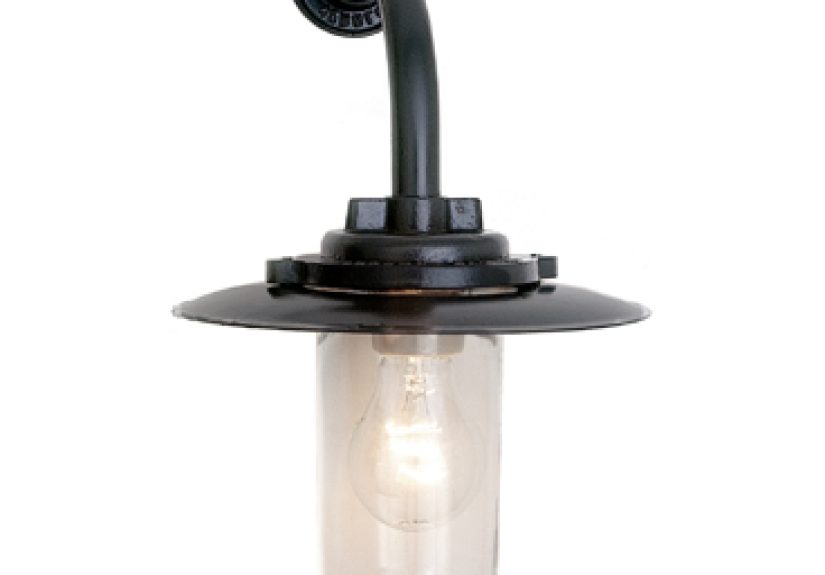
Wall sconces are the opening move of outdoor lighting. They frame a front door beautifully, add everyday visibility, and immediately make an entry feel more polished. They are especially effective when installed on either side of the door because symmetry has a way of making a house look expensive, even when your budget says “nice try.”
Choose a style that fits your architecture: lantern-inspired fixtures for traditional homes, streamlined rectangles for modern exteriors, or simple schoolhouse shapes for something that lands in the sweet spot between classic and casual. Warm LED bulbs keep the look inviting, and a dusk-to-dawn feature is helpful if you want the lights to handle themselves without demanding daily supervision.
2. Path Lights
Path lights do two jobs at once: they make walkways safer and they make landscaping look more intentional. Lining a front path, side yard, or garden route with low, evenly spaced lights creates rhythm and structure. It tells guests where to go without forcing them to do that awkward slow shuffle people do when they cannot quite see the next step.
The biggest mistake here is overdoing it. Path lights should guide, not interrogate. Soft pools of light are far more attractive than a bright runway effect. Solar path lights can be a convenient option in sunny spots, while low-voltage landscape lighting tends to provide a more consistent result for permanent designs.
3. String Lights
String lights are the easiest way to make a patio feel like a destination. They soften an outdoor dining area, add a celebratory note without looking cheesy, and instantly stretch the hours you want to spend outside. Hung over a pergola, between posts, across a fence line, or above a seating area, they create a visual ceiling that makes open-air spaces feel more intimate.
This is the fixture type that says, “Yes, we absolutely eat dinner outdoors now,” even if that dinner is takeout in paper containers. Go for warm white bulbs rather than icy blue light, and keep the lines tidy. The mood should be relaxed, not “holiday decorations forgot to leave.”
4. Hanging Pendants or Lanterns
If you have a covered porch, gazebo, or outdoor dining structure, a hanging pendant or lantern adds instant character. It acts like a statement piece, much like a dining room chandelier does indoors. This is one of the easiest ways to give an exterior space a finished, designed quality.
Covered locations are perfect for damp-rated fixtures, while exposed areas need wet-rated ones. That distinction matters. A pretty light that cannot handle the weather is not a design choice; it is an expensive lesson. In style terms, woven shades, metal lanterns, and simple domed pendants all work well outside, as long as they match the tone of the surrounding materials.
5. Step Lights
Step lights are not flashy, but they are the quiet heroes of outdoor safety. Built into stair risers, retaining walls, or deck edges, they make elevation changes easier to read after dark. They also look sharp. There is something about a softly lit staircase that feels immediately upscale, like your deck suddenly started charging admission.
These fixtures work best when they are subtle and evenly spaced. You want visibility without glare. Recessed LED step lights are particularly useful because they stay low-profile during the day and disappear into the architecture until you need them at night.
6. Spotlights and Uplights
Spotlights and uplights are where outdoor lighting starts to feel dramatic in the best way. Use them to highlight a beautiful tree, a stone wall, interesting siding, or a favorite architectural feature. They add depth to your yard and help the landscape feel alive after dark instead of becoming one big black void beyond the windows.
The key is restraint. One well-placed spotlight on a Japanese maple will do more for your yard than six random beams pointed at every shrub in sight. Aim fixtures carefully, avoid spill into windows, and let shadows do some of the visual work. Good landscape lighting is part illumination, part editing.
7. Bollard Lights
Bollard lights are short, sturdy fixtures that work beautifully along wider paths, driveways, and modern garden layouts. They are practical, yes, but they also bring a clean architectural presence. If path lights are delicate punctuation, bollards are bold sentence structure.
They are especially useful in contemporary landscapes where you want lighting to feel sculptural and grounded. Because they are more visible during the day than low stake lights, choose a finish and shape that complement your exterior materials. Matte black, bronze, and minimalist cylindrical forms are perennial winners.
8. Deck and Rail Lighting
Deck lighting often gets overlooked until someone nearly misses a corner at night and suddenly becomes very interested in “lighting options.” Post cap lights, under-rail LEDs, and small deck-mounted fixtures add both safety and atmosphere. They define the perimeter of the space, reduce harsh contrast, and make a deck feel finished rather than abandoned after sunset.
These lights are excellent for entertaining because they create a gentle glow without shining directly in anyone’s face. They also photograph well, which matters more than people admit. A deck with subtle rail lighting looks cozy, expensive, and suspiciously organized.
9. Portable Lanterns and Rechargeable Table Lamps
Not every outdoor lighting choice has to be hardwired, mounted, or permanent. Portable lanterns and rechargeable outdoor table lamps are ideal for renters, frequent hosts, and anyone who likes to change things up without calling an electrician. They bring instant ambiance to tables, seating corners, and outdoor coffee spots.
This category is especially useful because it adds flexibility. Maybe you need extra light near the grill tonight, or maybe you want a softer glow on the dining table tomorrow. Portable lighting lets you adapt the mood without redesigning the entire yard. It is the low-commitment hero of patio lighting.
10. Motion-Sensor Floodlights
Every stylish outdoor lighting plan still needs one hardworking security player. That is where motion-sensor floodlights come in. Installed near garages, side yards, back doors, or dark corners, they improve visibility exactly when needed and can be more efficient than leaving bright lights on all night.
The trick is to place them strategically and adjust the sensitivity properly. Nobody needs a floodlight that goes full prison-yard mode every time a leaf moves. Modern versions often pair motion activation with LEDs, cameras, or dusk-to-dawn controls, making them practical without sacrificing style everywhere else on the property.
How to Make the 10 Pieces Look Cohesive
Once you know the fixture types, the next step is making them work together. Start with a simple hierarchy. Your entry lighting and path lighting should handle welcome and safety. Patio or deck lighting should create comfort. Accent lighting should highlight one or two special features. Security lights should stay in the background until needed. When every fixture has a job, the whole plan becomes easier to edit.
Color temperature matters more than most people expect. For residential outdoor spaces, warm white light usually feels the most flattering and relaxed. It tends to make porches, patios, and garden paths feel inviting rather than clinical. Cool, bluish light can be useful for some security applications, but too much of it can make a beautiful backyard feel like a parking lot behind a pharmacy.
Fixture ratings matter too. Covered porches and protected patios may allow for damp-rated fixtures, while open areas exposed to rain require wet-rated lighting. If a light is going near a pool, water feature, or especially exposed location, check the rating before falling in love with the design. Beauty is wonderful. Beauty plus weather resistance is better.
Finally, controls make everything more livable. Timers, smart switches, photocells, dimmers, and motion sensors help outdoor lighting feel polished and efficient. They also reduce the odds that your lights will be blazing at sunrise because everyone forgot to turn them off after a backyard gathering.
Common Outdoor Lighting Mistakes
The most common mistake is overlighting. More fixtures do not automatically create a better result. Often they create glare, visual clutter, and enough brightness to confuse the moth population for miles. Leave some darkness intact. Contrast is part of what makes lighting beautiful.
The second mistake is choosing the wrong fixture for the wrong environment. A hanging light meant for a covered porch will not thrive in open weather. A decorative lamp with weak output will not solve a dark walkway. A giant security floodlight over the patio will make dinner feel like a late-night softball game.
The third mistake is ignoring placement. Even a lovely fixture can disappoint if it is mounted too high, aimed poorly, or installed without thinking about how people actually move through the space. Outdoor lighting should follow behavior. Light the route to the door, the steps people use, the table where people gather, and the features worth seeing after dark.
Experience: What Outdoor Lighting Feels Like When It Is Done Right
The best way to understand outdoor lighting is not just to think about fixtures, wattage, or layout diagrams. It is to think about experience. A well-lit exterior changes the emotional temperature of a home. You feel it when you pull into the driveway and the path is softly visible instead of vaguely ominous. You feel it when guests walk up to the front door without peering into the darkness like they are entering a haunted inn. You feel it when dinner on the patio continues naturally after sunset because the space still feels usable, flattering, and calm.
One of the most noticeable experiences is comfort. People linger longer in outdoor spaces that feel gently lit. A porch with warm sconces and a hanging lantern invites conversation. A deck with rail lighting feels easy to navigate, so no one rushes back inside the second the sky goes dark. Even a small apartment balcony can become more livable with one portable lamp and a short line of string lights. Suddenly it is not “the outside part.” It is a real room with a breeze.
There is also a strong feeling of ease that comes from good functional lighting. Path lights on a garden walk reduce that low-grade stress of not seeing where your foot lands next. Step lights make multilevel patios feel safer for kids, guests, and anyone balancing a plate, a drink, or both. Motion-sensor lights near the garage or side gate remove the unpleasant surprise of approaching a dark corner at night. That kind of practicality does not sound glamorous, but in daily life it is incredibly satisfying.
Then there is the visual experience from inside the house. This is where thoughtful landscape lighting really shines. When a tree is softly lit, a stone wall is washed with warm light, or a path glows beyond the window, the yard becomes part of the home’s nighttime view. Instead of staring into black glass, you see depth, texture, and atmosphere. It makes interiors feel larger and more connected to the outdoors, which is one of the most underrated benefits of exterior lighting.
Outdoor lighting also changes social behavior. People gather where the light feels kind. They naturally move toward a pool of warm illumination, whether it is under café lights over a dining table or around a lantern-lit seating area. The right setup encourages conversation and slows the pace of the evening. Nobody says, “Wow, those lumens are excellent.” They say, “Let’s stay out here a little longer.” That is the real test.
And finally, there is pride. A home with well-chosen outdoor lighting looks cared for. It feels welcoming before anyone even steps inside. It communicates attention to detail without shouting about it. The effect is subtle but powerful: better curb appeal, more usable square footage, fewer awkward dark zones, and a home that looks just as appealing at 8:30 p.m. as it does at noon. That is why outdoor lighting is worth doing carefully. It is not just decoration. It is atmosphere, safety, and quality of life wearing a very attractive fixture.
Conclusion
If you want a practical starting point, begin with sconces at the entry, path lights where people walk, and one mood-making layer for the patio or deck. Then add accent lighting where your home or garden deserves a little drama. Choose warm LEDs, respect wet and damp ratings, and keep the light directed where it is actually useful. That combination gives you outdoor lighting that feels stylish, efficient, and easy to live with.
In other words, the goal is not to light everything. It is to light the right things well. Do that, and your outdoor space stops being a place you pass through and starts becoming a place you actually use, enjoy, and show off just a little.