Table of Contents >> Show >> Hide
- Why Horror Movies Hit So Hard (and Why We Keep Coming Back)
- 1) Horror Movies Have Always Reflected Real-World Fears
- 2) A 1953 Horror Film Helped Turn 3-D Into a Major Studio Event
- 3) Psycho Didn’t Just Scare AudiencesIt Rewrote Movie Rules
- 4) The PG-13 Rating Exists Because Studios Needed a Middle Groundand Horror Helped Expose the Problem
- 5) The Exorcist Wasn’t “Too Horror” for the Oscars
- 6) The Silence of the Lambs Pulled Off a Rare Oscar Sweep
- 7) A Simple Copyright Mistake Helped Make Zombies a Pop-Culture Empire
- 8) Horror Is Officially Part of America’s Cultural Heritage
- 9) The Blair Witch Project Proved Horror Can Be a Box Office Monster
- 10) Horror Fans Helped Invent the Interactive “Audience Experience”
- What These Horror Movie Facts Really Tell Us
- Bonus Section: of Real-Life Horror Movie Experiences (to Make This Article Extra Juicy)
- Conclusion
Horror movies are supposed to scare us, but the genre’s biggest trick might be how often it tells the truth. Behind the jump scares, creepy soundtracks, and people making truly questionable basement decisions, horror has a long history of reflecting real social fears, breaking movie rules, and changing the business of Hollywood. In other words: the monsters are fake, but the impact is very real.
This guide digs into 10 frightening facts about horror movies that show why the genre matters so much. We’ll cover groundbreaking film technology, censorship battles, Oscar surprises, copyright accidents, cult fandom, and the kind of box office success that makes studio executives smile like villains in a candlelit mansion. Along the way, you’ll also see why horror remains one of the smartest, most adaptable genres in entertainment.
If you love scary movies, horror movie history, or just want fun film trivia that’s actually rooted in real facts, you’re in the right haunted house.
Why Horror Movies Hit So Hard (and Why We Keep Coming Back)
Before we get into the list, here’s the short version: horror works because it plays with fear in a controlled environment. Research on psychological responses to horror films suggests people don’t all watch the same waysome enjoy the thrill, some care about story resolution, and others are drawn to intensity and unpredictability. That means horror isn’t just “one thing.” It’s a genre built for different personalities, which helps explain why it has survived every era of filmmaking.
Also, let’s be honest: it’s fun to be scared when you can pause the movie, turn on a lamp, and remind yourself that the ominous hallway is just your laundry room.
1) Horror Movies Have Always Reflected Real-World Fears
One of the most fascinating facts about horror movies is that they often act like time capsules for collective anxiety. Horror doesn’t just invent fearit remixes the fears people already have. When society changes, horror changes with it.
Why this matters
That’s why different eras of horror feel so different. The genre evolves with the headlines, public worries, and cultural tension of the moment. It’s part entertainment, part emotional weather report.
Example
Mid-century monster films frequently echoed nuclear-era fear. Giant creatures, mutations, and radiation-driven chaos weren’t random; they were cinematic versions of real anxieties about the atomic age. Horror has always been great at asking, “What if our biggest fear got teeth?”
2) A 1953 Horror Film Helped Turn 3-D Into a Major Studio Event
Long before modern superhero movies started throwing digital debris at your face, horror was already experimenting with immersive spectacle. House of Wax (1953), starring Vincent Price, made history as a major-studio milestone in 3-D filmmaking.
Frightening fact
It was the first movie from a major studio to be shot using the stereoscopic (3-D) process and was also among the first horror films shot in color. That’s not just a horror winit’s a film technology win.
Why it still matters today
Horror often gets treated like “just genre entertainment,” but this is a perfect reminder that scary movies have repeatedly pushed technical innovation. When the industry wants to test a new way to shock audiences, horror is often the first lab.
3) Psycho Didn’t Just Scare AudiencesIt Rewrote Movie Rules
Alfred Hitchcock’s Psycho is famous for the shower scene, but the truly frightening part (for Hollywood’s old rulebook) is how many conventions it smashed in one movie.
What made it revolutionary
The film shocked audiences by killing off a major character early, using rapid-fire editing to imply violence without explicitly showing it, and pushing at censorship boundaries in ways that changed what mainstream films could get away with.
Deliciously weird production detail
Some of the stabbing sound effects were made using a knife and a casaba melon. So yes, one of cinema’s most iconic scenes is partly powered by fruit. Horror history is classy like that.
Psycho also became a major commercial success, proving that boundary-pushing horror could be both artistically influential and massively profitable.
4) The PG-13 Rating Exists Because Studios Needed a Middle Groundand Horror Helped Expose the Problem
Here’s a horror-adjacent industry fact with huge impact: the modern PG-13 rating was created in 1984 because the gap between PG and R had become too wide for intense films that weren’t quite “adult only,” but definitely weren’t ideal for small kids.
Frightening fact
The rating was added to signal a higher level of intensity, and Red Dawn became the first film released in theaters with a PG-13 rating.
Why horror fans should care
The rating system shapes what kind of scares get made, how graphic they can be, and who gets to see them in theaters. In practical terms, horror didn’t just adapt to the rulesit helped reveal the need for new rules.
5) The Exorcist Wasn’t “Too Horror” for the Oscars
People sometimes talk about awards shows as if they ignore horror entirely. The truth is more complicatedand The Exorcist is one of the best examples.
Frightening fact
At the 46th Academy Awards, The Exorcist earned 10 nominations and won 2 Oscars (including screenplay). It was also nominated for Best Picture.
Why that’s a big deal
This showed that horror could break out of the “genre box” and compete at the highest prestige level. When a possession movie can stand shoulder-to-shoulder with mainstream awards contenders, you know the genre has real cultural power.
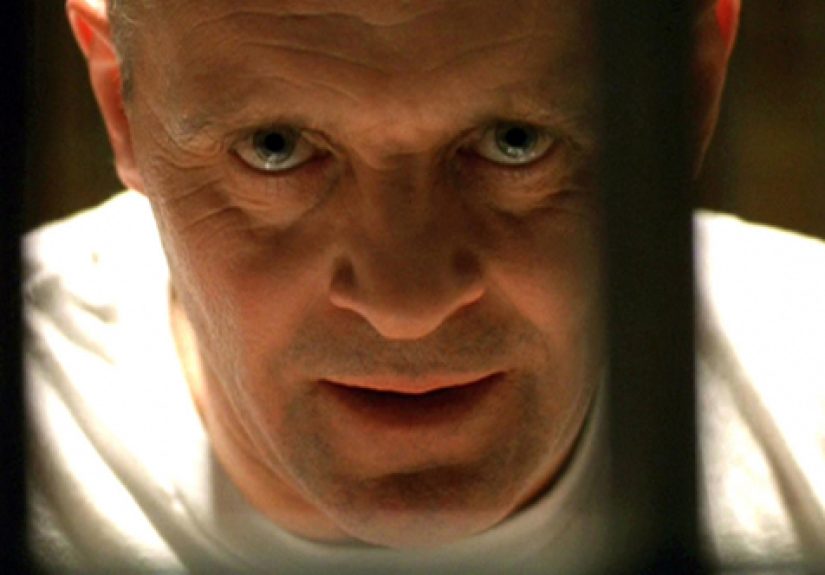
6) The Silence of the Lambs Pulled Off a Rare Oscar Sweep
Whether you label it horror, psychological thriller, or “please don’t eat while watching this,” The Silence of the Lambs is one of the genre’s most important crossover achievements.
Frightening fact
It won Best Picture, Best Actor, Best Actress, Best Director, and Best Adapted Screenplayan extremely rare five-category sweep often called the “Big Five.”
Why this matters for horror movies
It proves that dark, disturbing storytelling can be both terrifying and critically celebrated. Horror’s influence doesn’t stop at the box office; it can dominate the biggest artistic stages too.
7) A Simple Copyright Mistake Helped Make Zombies a Pop-Culture Empire
This one is a genuinely wild piece of film history. George Romero’s Night of the Living Dead changed zombie cinema foreverbut a rights mistake changed the movie’s business fate.
Frightening fact
Due to an error involving the title card and a missing copyright notice, the film fell into the public domain. In plain English: one of the most influential horror movies ever lost copyright protection because of a preventable mistake.
Why that was huge
The film’s zombie blueprint spread everywhere. Its version of the zombieslow-moving, flesh-eating reanimated corpsesbecame the model for generations of horror stories. That means a paperwork error helped accelerate one of horror’s biggest global trends. Terrifying? Yes. Also a lesson for every producer with a legal department.
8) Horror Is Officially Part of America’s Cultural Heritage
If anyone still thinks horror is “lowbrow,” the Library of Congress has a polite but powerful rebuttal. Horror films are regularly recognized for their cultural and historical significance.
Frightening fact
In 2024, The Texas Chainsaw Massacre was added to the National Film Registry, where films are selected for their cultural, historic, or aesthetic importance.
Why this matters
This is more than a gold star for fans. It’s institutional recognition that horror movies help document who we are, what we fear, and how American cinema evolves. The chainsaw may roar, but the archives are listening.
9) The Blair Witch Project Proved Horror Can Be a Box Office Monster
Horror has always been a strong business genre, but The Blair Witch Project became a legendary case study in how terrifying ideas can outperform expensive assumptions.
Frightening fact
The film earned $140,539,099 domestically and $248,639,881 worldwide, according to box office records.
Why executives (and indie filmmakers) still talk about it
It showed that a horror movie didn’t need massive studio polish to become a phenomenon. Strong concept, smart marketing, and audience curiosity can create a cultural event. In SEO terms, it was the movie equivalent of a post going viral before social media became a lifestyle.
10) Horror Fans Helped Invent the Interactive “Audience Experience”
Modern fandom loves live reactions, cosplay, quote-alongs, and shared rituals. Horror fans were doing that long before the internet turned everything into a comment section.
Frightening fact
The Rocky Horror Picture Show transformed from a weak early release into a midnight-screening phenomenon, with audiences in costume shouting lines, dancing, and turning screenings into participatory events.
Why this changed movie culture
Horror (and horror-adjacent cult cinema) helped prove that moviegoing could be a communal performance, not just passive viewing. In many ways, today’s fandom culturefrom themed screenings to cosplay eventsowes a debt to those rowdy midnight crowds.
What These Horror Movie Facts Really Tell Us
Put these facts together and a pattern emerges: horror movies are often first. First to test technology. First to test censorship limits. First to expose rating-system problems. First to prove an indie concept can explode. First to turn audiences into active participants.
That’s why horror remains one of the most resilient film genres. It can be cheap or expensive, artsy or pulpy, serious or ridiculous, and it still works because fear is universal. The costumes change. The monsters change. The social anxieties change. But the engine is the same: tension, release, curiosity, and the irresistible urge to peek through your fingers.
So the next time someone calls horror movies “just scary entertainment,” feel free to nod politely and then hand them this list. Maybe not at midnight, though.
Bonus Section: of Real-Life Horror Movie Experiences (to Make This Article Extra Juicy)
Let’s talk about the part horror fans know in their bones: watching a horror movie is rarely just “watching a movie.” It’s an experience. A full-body event. A weird little ritual where your brain says, “This is fiction,” while your shoulders climb up to your ears anyway.
For a lot of people, the experience starts before the opening scene. It starts with negotiation. Who’s picking the movie? How scary is “too scary”? Is this a ghost story, a slasher, a psychological horror film, or one of those slow-burn movies where the real monster is grief and then suddenly a naked cult appears in the last 20 minutes? Tone matters. Expectations matter. And yes, the bravest person in the room is often the one holding the remote.
Then the movie begins, and the room changes. People talk less. Snacks get quieter. Someone laughs a little too loudly at the first creepy sound because humor is a coping strategy and we are all doing emotional gymnastics. Horror creates this fascinating social dynamic: even when viewers have very different fear thresholds, they start syncing up. One person gasps, another leans forward, someone mutters, “Don’t open that door,” and suddenly the room feels like a team sport.
Theater experiences can be even stronger. A packed crowd reacting together can make a decent horror movie feel incredible. You feel the tension spread row by row. A jump scare lands, half the audience yelps, and then everybody laughs in relief. That relief matters. It’s part of why horror is so enjoyable for many viewersthe release after the tension. It’s like emotional interval training: panic, breathe, panic, breathe.
After the movie ends, horror has a sneaky afterlife. People replay scenes, debate endings, and rate the scares like judges at the Olympics. “The attic scene was a 9.” “The mirror reveal was cheap but effective.” “I’m totally fine, but also can someone walk me to the kitchen?” Even viewers who say they “hate scary movies” often become the most animated in the post-movie discussion. Horror invites interpretation in a way many genres don’t. Was the monster real? Was it metaphor? Did the character survive? Why did that one image stick in your head more than the entire plot?
And then there’s bedtimethe final boss. This is where horror movie experiences become deeply personal. Some people sleep like angels. Others suddenly remember every hallway in their home has a shadow. The coat on the chair becomes a suspicious silhouette. The ice maker in the kitchen becomes a demon with timing. Rationally, you know nothing is wrong. Emotionally, you are now speed-walking back from the bathroom like a supporting character with limited screen time.
That lingering effect is exactly why horror movies endure. They don’t always end when the credits roll. The best ones follow you into conversation, memory, and imagination. They become stories you retell, scenes you reference, and experiences you share. In that sense, horror movies don’t just scare usthey connect us. And honestly, that may be the least frightening thing about them.
Conclusion
Horror movies are much more than jump scares and nightmare fuel. They shape film technology, influence ratings, break awards barriers, create cult communities, and turn tiny productions into massive cultural events. Whether you’re a longtime horror fan or a curious beginner, understanding the real history behind the screams makes the genre even more fun to watch.
If you’re building a movie night list, try mixing eras: one classic, one modern psychological horror, and one cult favorite. You’ll see just how flexibleand frighteningly smartthe genre can be.