Table of Contents >> Show >> Hide
Note: This article is for educational purposes only and is not a substitute for personalized medical advice.
If you have ever tried to “eat healthier” and somehow ended up staring at a sad plain chicken breast like it personally offended you, welcome. The good news is that a smarter approach exists. You do not need a freezer full of chalky protein bars or a personality built entirely around meal prep. You just need foods that do two jobs well: help you get enough protein and fit into an anti-inflammatory way of eating.
That matters because chronic inflammation is one of those quiet troublemakers that can hang around in the background while your body tries to get on with its life. And while no single food can swoop in wearing a cape and fix everything, the overall pattern of what you eat can absolutely move things in a better direction. In general, anti-inflammatory eating patterns lean toward whole or minimally processed foods, healthy fats, fiber-rich plants, legumes, seafood, and cultured dairy, while going easier on ultra-processed foods, added sugars, and heavily processed meats.
Protein also deserves some love here. It helps with fullness, muscle maintenance, recovery, and steady energy. Put the two ideas together and you get a very practical nutrition strategy: choose protein-rich foods that also bring omega-3 fats, fiber, probiotics, antioxidants, or other nutrients associated with anti-inflammatory eating patterns. In other words, you want foods that pull their weight instead of just taking up plate space.
What Makes a Food Both High-Protein and Anti-Inflammatory?
Not every high-protein food automatically earns a gold star. A food can be rich in protein and still come bundled with lots of sodium, saturated fat, additives, or a nutrition label that reads like a chemistry homework assignment. On the flip side, some anti-inflammatory foods are wonderful but not exactly protein powerhouses. Olive oil is lovely. Berries are great. But if you are trying to build satisfying meals that keep you full, you also need foods with real protein density.
The sweet spot is foods that give you a meaningful amount of protein and bring something extra to the table, such as omega-3 fatty acids, gut-friendly probiotics, fiber, polyphenols, or a better fat profile than typical processed convenience foods. Here are 10 worth putting on repeat.
The 10 Best High-Protein Anti-Inflammatory Foods
1. Salmon
Salmon is the overachiever of the anti-inflammatory protein world. It delivers high-quality protein and is famous for omega-3 fatty acids, which are consistently associated with anti-inflammatory benefits and heart health support. It is also versatile enough to work whether you are a meal-prep wizard or someone whose cooking style is “open fridge, hope for miracle.”
Bake it with lemon and pepper, flake it onto a grain bowl, stir it into a salad, or tuck it into tacos with cabbage slaw. If fresh salmon is too pricey, frozen fillets are a perfectly reasonable move. This is nutrition, not a luxury yacht competition.
2. Sardines
Sardines are tiny, affordable, and unfairly underrated. Nutritionally, they punch way above their weight. They are packed with protein and omega-3s, and they are one of the easiest shelf-stable seafood options to keep around. That means less “I forgot to thaw anything” drama on weeknights.
If you are sardine-skeptical, start simple. Mash them with avocado and lemon on toast, add them to a tomatoey pasta, or toss them into a salad with olives and cucumbers. Choose lower-sodium varieties when you can. Once you stop thinking of them as weird little fish and start thinking of them as a Mediterranean shortcut, life gets easier.
3. Mackerel
Mackerel deserves more attention than it gets. Like salmon and sardines, it offers strong protein plus omega-3 fats, making it a natural fit for an anti-inflammatory diet. It is rich, flavorful, and satisfying, which is helpful if you are tired of lean proteins that taste like punishment.
Smoked mackerel works beautifully in salads, grain bowls, and simple lunch plates with crackers, sliced vegetables, and hummus. If the flavor is stronger than what you are used to, pair it with bright ingredients like lemon, mustard, herbs, or pickled onions. It is bold, but in a “good dinner decision” way, not a “what have I done?” way.
4. Greek Yogurt
Greek yogurt earns its spot because it checks several boxes at once. It is high in protein, easy to use, and plain varieties can provide live cultures that support gut health. That matters because the gut and inflammation are closely connected, and foods that support a healthier gut environment fit nicely into an anti-inflammatory eating pattern.
The key here is to buy plain Greek yogurt and add your own flavor. Otherwise, some flavored options turn into dessert wearing activewear. Stir in berries, walnuts, chia seeds, cinnamon, or a spoonful of nut butter. You can also use Greek yogurt in savory ways as a stand-in for sour cream, creamy dressings, or dips.
5. Kefir
Kefir is like yogurt’s drinkable cousin who is weirdly good at multitasking. It provides protein, probiotics, and convenience. For people who struggle to eat breakfast or need an easy post-workout option, kefir can be a genuinely useful choice.
Go for plain, low-sugar versions and use it in smoothies with frozen berries, spinach, and oats. You can also drink it on its own if you like the tangy flavor. If you do not like it at first, congratulations, you are human. Blend it into something. Nutrition does not require emotional suffering.
6. Lentils
Lentils are one of the best plant-based examples of protein meeting anti-inflammatory value. They bring protein, fiber, minerals, and staying power. That fiber matters because high-fiber eating patterns are strongly linked with better metabolic and gut health, and those patterns are a big part of anti-inflammatory nutrition.
Brown lentils work well in soups and stews, red lentils practically dissolve into cozy dals and sauces, and French lentils hold their shape nicely in salads. If you are new to lentils, canned or pre-cooked options make life easier. Add them to pasta sauce, grain bowls, or taco filling and suddenly dinner looks suspiciously organized.
7. Chickpeas and Other Beans
Chickpeas, black beans, white beans, kidney beans, and their legume relatives are not flashy, but they are deeply useful. They provide plant protein, fiber, and slow-digesting carbohydrates that can help make meals more balanced and filling. They also fit squarely into Mediterranean-style and anti-inflammatory eating patterns.
Chickpeas can become hummus, get roasted for crunch, or land in salads and grain bowls. Black beans work in tacos, soups, and rice dishes. White beans can make a soup feel hearty without relying on processed meat. Rinse canned beans to cut down on sodium, and if beans tend to upset your stomach, increase them gradually and drink enough water. Your digestive system likes a gentle introduction, not a surprise party.
8. Edamame
Edamame is one of the easiest high-protein plant foods to recommend because it is simple, satisfying, and naturally rich in soy protein. It is also convenient, which is often the hidden difference between a healthy intention and an actual healthy habit.
Buy frozen shelled edamame and add it to stir-fries, rice bowls, salads, noodle dishes, or snack plates. Sprinkle on sea salt, chili flakes, or sesame seeds. Compared with many snack foods marketed as “healthy,” edamame is refreshingly straightforward: it is just food, not a branding campaign.
9. Tofu
Tofu is one of the most practical anti-inflammatory proteins around. It is rich in protein, usually affordable, and made from soy, which also brings plant compounds called isoflavones. It soaks up flavor well, which is excellent news because nobody should have to pretend blandness is a virtue.
Press extra-firm tofu, cube it, and roast it until golden. Crumble it into tacos, stir it into curries, or pan-sear slices for grain bowls and salads. If tofu has disappointed you in the past, the problem may not be tofu. It may have been underseasoned tofu, which is a completely different species.
10. Tempeh
Tempeh is the nutty, firmer, more textured soy option that often wins over people who claim they “do not do tofu.” Because it is made from fermented soybeans, it offers protein plus fermentation-related benefits that fit well with gut-friendly eating. It is also sturdy enough for sandwiches, bowls, skewers, and stir-fries.
Steam it briefly if you want to soften any bitterness, then marinate and roast or pan-crisp it. Tempeh works especially well with ginger, garlic, soy sauce, peanut sauce, or smoky spices. If you want a plant-based protein that actually feels substantial, this is your move.
How to Build Meals Around These Foods
The easiest way to make these high-protein anti-inflammatory foods useful is to stop treating them like separate health projects. Build regular meals around them. A few examples:
- Breakfast: Plain Greek yogurt with berries, walnuts, and chia seeds.
- Lunch: Lentil salad with cucumbers, tomatoes, herbs, olive oil, and feta.
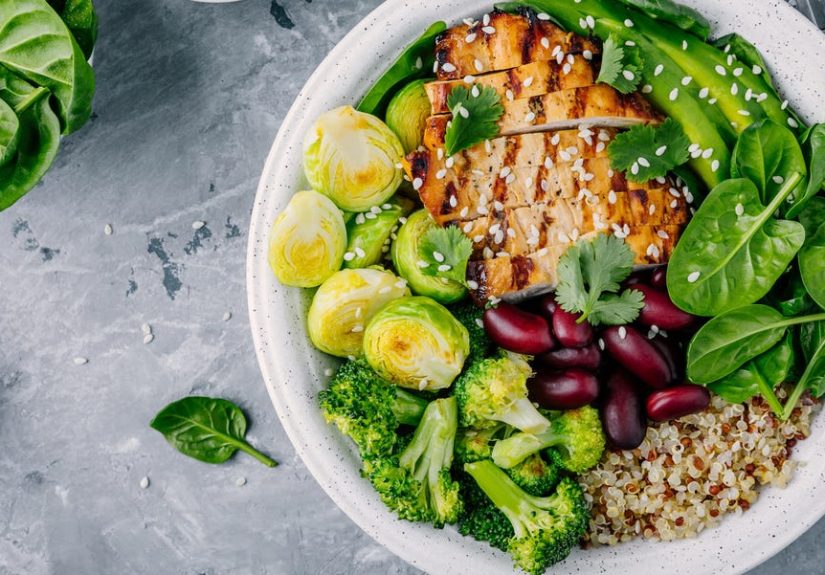
- Dinner: Salmon with roasted vegetables and quinoa.
- Snack: Kefir smoothie with fruit and oats.
- Meatless meal: Tofu stir-fry with broccoli, brown rice, and edamame.
Notice the pattern: protein plus plants plus healthy fats plus foods that are close to their original form. That is where anti-inflammatory eating gets powerful. Not in one miracle ingredient, but in the boringly effective habit of repeating solid choices often enough that they become normal.
Foods That Work Against the Goal
If you are adding these foods in but your diet is still dominated by sugary drinks, fast food, processed meats, and ultra-processed snacks, the result is a little like putting premium gasoline in a car with three flat tires. Helpful, yes. Sufficient, not really.
Try to reduce the foods most commonly associated with a more pro-inflammatory eating pattern: heavily processed meats, refined carbs in excess, foods high in trans fats, and packaged foods that are easy to overeat and hard to stop at “a sensible portion.” Your body is not a trash can with a wellness app.
Common Mistakes People Make
One of the biggest mistakes is assuming “high-protein” automatically means “healthy.” A processed snack with added protein powder is still a processed snack. Another mistake is forgetting that anti-inflammatory eating is a pattern, not a single purchase. Buying salmon once and then living on drive-thru fries for six days is not really a strategy.
People also underestimate flavor. If your healthy food tastes dull, you will not keep eating it. Use herbs, citrus, garlic, vinegar, olive oil, spices, mustard, tahini, salsa, yogurt sauces, and crunchy vegetables. Food that supports health should still taste like food you want to eat, not a long apology.
What Real Life Often Feels Like When You Start Eating This Way
Here is the part people do not always mention when talking about high-protein anti-inflammatory foods: the experience is usually less dramatic than the internet promises and more useful than you expect. You probably will not wake up after one salmon dinner feeling like a woodland creature in a vitamin commercial. But over time, many people notice small, practical shifts that matter.
One common experience is better fullness after meals. When people move from ultra-processed snacks or low-protein meals toward foods like Greek yogurt, lentils, tofu, beans, or fish, they often notice they are not prowling the kitchen 90 minutes later looking for crackers, cookies, or “just one little treat” that turns into a snack spiral. Protein plus fiber tends to make meals feel more complete, and that alone can change how a whole day of eating unfolds.
Another common experience is steadier energy. Not superhero energy. Just less of the classic up-and-down cycle that comes from meals built mostly around refined carbs and convenience foods. A breakfast with kefir, oats, and berries or Greek yogurt with nuts feels very different from a breakfast that is basically sugar in a cute package. Lunches built around lentils, edamame, or salmon also tend to hold up better through the afternoon.
Some people notice that eating this way feels surprisingly doable once a few staples are always around. Frozen edamame, canned beans, plain Greek yogurt, canned sardines, lentils, tofu, and a couple of frozen salmon fillets can carry an impressive amount of weekday decision-making. That matters because healthy eating often fails not from lack of knowledge, but from a Tuesday-night shortage of patience.
There can also be an adjustment period. If you suddenly go from very little fiber to beans, lentils, and edamame every day, your digestive system may file a formal complaint. Usually the smarter move is to increase fiber gradually, drink enough water, and give your gut a little time to catch up. Similarly, if plain yogurt, kefir, tofu, or sardines are not foods you grew up loving, you may need a few tries and better seasoning before they become regulars.
People also report that their taste preferences shift. Once highly processed foods stop dominating the menu, foods with natural flavors start tasting better. Salmon tastes richer. Yogurt tastes tangier instead of “boring.” Lentils taste earthy instead of “why is this not pasta?” This is not magic. It is just your palate calming down after being screamed at by ultra-salty, ultra-sugary food marketing.
Perhaps the most valuable experience is this: eating more high-protein anti-inflammatory foods often feels less like going on a diet and more like finally feeding yourself on purpose. Meals become more satisfying, shopping gets more predictable, and healthy choices start requiring less willpower. That is the real win. Not perfection. Not a glowing halo over your grocery cart. Just a steady pattern of meals that help you feel better, stay fuller, and make nutrition a little less chaotic.
Final Thoughts
If you want to eat in a way that supports satiety, muscle maintenance, and overall wellness, these 10 high-protein anti-inflammatory foods are a smart place to start. Salmon, sardines, mackerel, Greek yogurt, kefir, lentils, beans, edamame, tofu, and tempeh all bring something useful to the table. Some offer omega-3s. Some bring fiber. Some support gut health. All of them can help you build meals that are more balanced and less dependent on highly processed convenience foods.
The best part is that you do not need to eat all 10 every week or become the kind of person who talks about probiotics at parties. Just pick a few you genuinely like, keep them around, and use them often. That is how healthy eating gets real: one normal meal at a time.

![18 Best Types of Charts and Graphs for Data Visualization [+ How to Choose]](https://corkopencoffee.org/wp-content/uploads/2026/05/18-best-types-of-charts-and-graphs-for-data-visualization-how-to-choose-qKM1PBYG-thumb.jpg)