Table of Contents >> Show >> Hide
- Why Organization Skills and Money Skills Are Connected
- 10 Money Lessons Kids Can Learn From Developing Organization Skills
- 1. Everything Has Value When You Take Care of It
- 2. Knowing What You Already Own Helps You Avoid Buying Duplicates
- 3. Planning Ahead Prevents Expensive Last-Minute Decisions
- 4. Time Is a Resource, Just Like Money
- 5. Saving Works Better When There Is a System
- 6. Goals Become Easier When You Break Them Into Steps
- 7. Prioritizing Teaches the Difference Between Needs and Wants
- 8. Clutter Can Hide Costs
- 9. Responsibility Builds Trust and More Freedom
- 10. Small Habits Create Big Results Over Time
- How Parents Can Teach Money Lessons Through Organization
- Age-by-Age Examples for Teaching Organization and Money Skills
- Common Mistakes Parents Should Avoid
- of Practical Experience: What This Looks Like in Real Family Life
- Conclusion: Organized Kids Can Become Smarter Money Managers
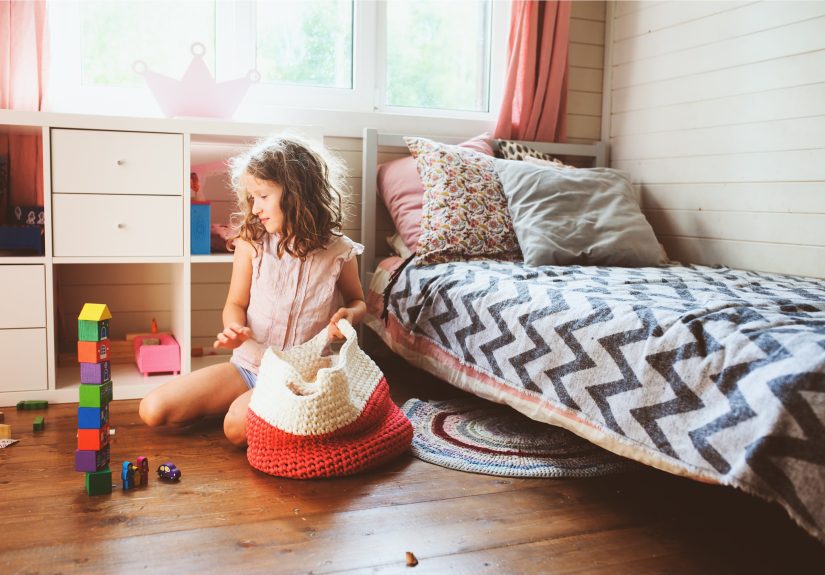
Teaching kids about money does not have to begin with spreadsheets, compound interest charts, or a lecture titled “Why Your Future Credit Score Will Judge You.” In fact, some of the best money lessons start in a much simpler place: a bedroom floor covered in socks, LEGO bricks, school papers, snack wrappers, and one mysterious object nobody in the family is willing to identify.
Organization skills may look like a household survival tactic, but they are also a sneaky financial education tool. When children learn to sort toys, plan homework time, care for their belongings, save important papers, and prepare for tomorrow, they are practicing the same habits adults use to manage budgets, pay bills, avoid impulse purchases, and make thoughtful financial decisions.
The connection is clear: organized kids learn how to track resources, make choices, delay gratification, avoid waste, and understand value. Those lessons matter because money management is not just about dollars. It is about attention, planning, patience, responsibility, and the ability to say, “No, I do not need a third glitter notebook shaped like a taco.”
Below are 10 practical money lessons kids can learn from developing organization skills, plus real-life ways parents can turn everyday routines into financial wisdom without making home feel like a miniature accounting department.
Why Organization Skills and Money Skills Are Connected
At first glance, cleaning a desk and managing money may seem unrelated. One involves pencils, crumbs, and lost permission slips. The other involves income, spending, saving, and financial goals. But both depend on the same core abilities: planning ahead, remembering important details, prioritizing needs over wants, and making decisions with limited resources.
When a child organizes a backpack, they are learning to keep track of what they have. When they use a calendar, they are learning to respect deadlines. When they sort toys or clothes, they are learning the difference between useful, sentimental, and unnecessary items. Those are the building blocks of future financial habits.
In other words, a child who learns to manage a messy room is practicing for the day they will manage a checking account, a grocery budget, a dorm room, a first apartment, or a paycheck that somehow disappears faster than pizza at a birthday party.
10 Money Lessons Kids Can Learn From Developing Organization Skills
1. Everything Has Value When You Take Care of It
One of the first money lessons children can learn from organization is that belongings have value. A toy tossed under the bed and forgotten is more likely to break, get lost, or be replaced unnecessarily. A toy stored properly lasts longer and continues to be useful.
This teaches kids that money is not only spent at the cash register. Money is also preserved through care. When children learn to put books on shelves, hang up jackets, return art supplies to a bin, and keep electronics in safe places, they begin to understand that taking care of things reduces waste.
For example, if a child loses their soccer shin guards every week, the family may have to spend money replacing them. But if the child creates a “sports gear station” by the door, they learn that a simple habit can prevent unnecessary spending. That is not just cleaning. That is asset management, kid edition.
2. Knowing What You Already Own Helps You Avoid Buying Duplicates
Organization helps kids see what they already have. This matters because many spending mistakes begin with the sentence, “I need one!” followed two hours later by the discovery that three identical items were hiding in a drawer.
Children can learn this lesson by sorting school supplies before a new semester. Instead of automatically buying new markers, notebooks, folders, and pencils, they can check what is still usable. Maybe the blue folder survived. Maybe the crayons are only missing one shade of purple. Maybe there are enough pencils in the house to supply a small educational kingdom.
This habit teaches inventory awareness, which is a powerful money skill. Adults use the same idea when checking the pantry before grocery shopping, reviewing subscriptions before signing up for another service, or looking in the closet before buying more clothes.
3. Planning Ahead Prevents Expensive Last-Minute Decisions
Disorganization often creates urgency. Urgency often creates spending. A child who forgets about a school project until the night before may need last-minute poster board, rushed printing, extra supplies, or a parent making an emergency store run while questioning every life choice.
When kids use planners, checklists, or family calendars, they learn that planning ahead saves both stress and money. They can gather materials early, compare options, borrow supplies, or use what they already have.
This lesson becomes even more important as kids grow up. Adults who plan ahead can book travel earlier, avoid late fees, prepare for bills, shop sales wisely, and build emergency savings. Children do not need to understand all of that right away. They simply need to experience the relief of being ready before chaos knocks on the door wearing sneakers.
4. Time Is a Resource, Just Like Money
Organization teaches children that time has value. A child who spends 20 minutes looking for homework has lost 20 minutes that could have been used for reading, playing, relaxing, or finishing another task. Time may not jingle like coins, but it is still a limited resource.
Parents can explain this in simple terms: “When your backpack is organized, you save time in the morning. That gives you more time for breakfast, reading, or not sprinting to the car like we are in an action movie.”
Understanding time as a resource helps kids later understand hourly wages, opportunity cost, productivity, and trade-offs. If they spend all afternoon searching for a missing game controller, they learn that poor organization can “cost” them free time. If they prepare their clothes and school items the night before, they learn that good systems create breathing room.
5. Saving Works Better When There Is a System
Kids often understand saving better when it is visible and organized. A single pile of coins can feel random. But three labeled jarsSpend, Save, and Giveturn money into a simple system.
This type of organization helps children see that money can have different jobs. Some money is for short-term fun, some is for future goals, and some can be used to help others. That structure makes saving feel less like punishment and more like progress.
For example, a child saving for a bike can use a chart, envelope, jar, or app with parental guidance to track progress. Each dollar has a place. Each contribution moves the goal closer. The child learns that saving is not magic. It is organized patience.
6. Goals Become Easier When You Break Them Into Steps
Organization turns big goals into smaller steps. This is true whether a child is cleaning a closet or saving for a new skateboard. A messy closet feels overwhelming until it becomes three tasks: sort clothes, donate what no longer fits, and put the rest away. A $60 skateboard feels impossible until it becomes 12 weeks of saving $5.
This is a major financial lesson. Many money goals fail because they feel too large. Kids who learn to break projects into steps are also learning how to break financial goals into manageable actions.
Parents can help by asking questions like, “What do you want to save for?” “How much does it cost?” “How much do you have now?” and “What small step can you take this week?” These questions teach kids to think in plans instead of wishes.
7. Prioritizing Teaches the Difference Between Needs and Wants
Organizing a room often requires making choices. Should the winter coat stay near the door or in storage? Should homework supplies be easy to reach? Should every birthday party favor from the last five years remain on the desk as a tiny museum of plastic frogs?
These decisions help kids practice prioritizing. They learn that the most useful items deserve the best spaces. The same principle applies to money. Needs come first, wants come after, and some things can wait.
A practical example is organizing a backpack. Homework, lunch, water, and school supplies are needs. A trading card collection, three plush toys, and a rock named Captain Pebble may be wants. This does not mean wants are bad. It means kids learn to identify what matters most in a specific situation.
8. Clutter Can Hide Costs
Clutter is not just visual noise. It can become expensive. Lost library books lead to fines. Missing sports uniforms cause replacement costs. Forgotten lunch containers turn into science experiments and may need to be tossed. Unused toys take up space that could be used better.
When children learn to declutter, they start seeing hidden costs. Too much stuff can make it harder to find what matters. It can also make children believe they need more when they actually need less and better organization.
A helpful family activity is a “money scavenger hunt.” Kids can search for items that cost money but are currently unused, misplaced, or neglected: gift cards, coins, school supplies, outgrown clothes, or unopened craft kits. This turns decluttering into a lesson about value, waste, and smart choices.
9. Responsibility Builds Trust and More Freedom
As children become more organized, parents often trust them with more responsibility. A child who keeps track of homework may be ready to manage a small allowance. A child who cares for belongings may be ready for a library card, a simple debit card for teens with parental controls, or a budget for back-to-school supplies.
This teaches a powerful money lesson: responsibility and freedom are connected. Financial independence does not happen all at once. It grows through small, repeated demonstrations of trustworthiness.
For younger children, responsibility might mean keeping coins in a safe place. For older kids, it might mean tracking spending money during a family outing. For teens, it might mean comparing prices, managing a clothing budget, or planning how to save for a school event.
10. Small Habits Create Big Results Over Time
The final lesson may be the most important: small habits compound. Making the bed, returning items to their places, writing down assignments, saving a few dollars, and checking supplies before shopping may seem tiny. But tiny actions repeated often become a lifestyle.
This is the heart of both organization and financial success. A child does not become organized because they clean once. A person does not become financially confident because they save once. The real magic is consistency.
Kids who practice small routines learn that progress is built through repetition. They also learn that mistakes are not disasters. A messy desk can be cleaned. A spending mistake can become a lesson. A missed goal can be adjusted. The point is not perfection. The point is learning how to recover, improve, and keep going.
How Parents Can Teach Money Lessons Through Organization
Use Real-Life Routines Instead of Lectures
Children learn best when lessons are connected to daily life. Instead of giving a formal speech about budgeting, invite your child to help organize groceries. Compare what was on the list with what ended up in the cart. Talk about why the family chose store-brand cereal, waited on cookies, or bought extra fruit because it was on sale.
The same strategy works with school supplies, laundry, toys, sports equipment, and family calendars. Every routine can become a small lesson in planning, value, and smart resource use.
Make Systems Simple and Visual
Kids are more likely to follow an organization system they can understand. Use labels, bins, color-coded folders, picture charts, or simple checklists. For money, use clear containers, savings trackers, or a written goal chart.
The goal is not to create a home that looks like a professional organizing show. The goal is to create systems children can actually maintain. If the system requires 19 steps and a laminated instruction manual, it may be too fancy for real life.
Connect Chores to Contribution, Not Just Cash
Allowance can be useful, but parents do not have to pay for every household task. Some chores teach contribution because everyone in a family helps. Other extra jobs can be tied to earning money. The difference helps kids understand both responsibility and work.
For example, making the bed and putting laundry in the hamper might be basic family responsibilities. Washing the car, helping with yard work, or organizing the garage could be optional paid tasks. This teaches kids that money is earned through effort while also showing that not every good action needs a paycheck.
Let Kids Make Small, Safe Mistakes
Children need room to practice. If a child spends their entire allowance on stickers and later wishes they had saved for a bigger toy, that disappointment can become a valuable lesson. It is much better to learn this with $5 at age 8 than with rent money at age 28.
Organization works the same way. If a child forgets to pack a library book, help them think through a better system. The goal is not shame. The goal is problem-solving.
Age-by-Age Examples for Teaching Organization and Money Skills
Preschool and Early Elementary
Young children can sort coins, match socks, put toys in labeled bins, and learn simple choices such as “save this” or “spend this.” They may not understand complex financial concepts, but they can practice patience, counting, caring for belongings, and cleaning up after play.
Upper Elementary
Kids in this age range can compare prices, manage a small allowance, pack their own school bag, organize homework folders, and save toward a goal. They can also begin learning about needs, wants, giving, and delayed gratification.
Middle School
Middle schoolers can track spending, plan for events, organize digital files, manage long-term school projects, and help with family shopping lists. This is a great age to introduce budgeting categories and simple trade-offs.
High School
Teens can manage a personal calendar, compare bank accounts, research prices, create a savings plan, understand basic credit concepts, and budget for clothing, entertainment, school activities, or transportation. By this stage, organization becomes a bridge to real independence.
Common Mistakes Parents Should Avoid
Doing Everything for the Child
It is faster to clean the room, pack the bag, and find the missing shoe yourself. It is also faster to eat the broccoli for them, but that does not help anyone. Children need practice. Parents can guide, but kids need ownership.
Making Organization Feel Like Punishment
If organization is always presented as a consequence, kids may resist it. Instead, frame it as a tool that makes life easier: “When your desk is clear, homework goes faster.” “When your money is sorted, you can see how close you are to your goal.”
Expecting Adult-Level Systems
A child’s system does not need to be perfect. It needs to be usable. A labeled bin may work better than a color-coded drawer system. A simple savings jar may work better than a detailed budget spreadsheet. Start where the child is.
of Practical Experience: What This Looks Like in Real Family Life
In real homes, teaching money lessons through organization is rarely neat at first. It may begin with a parent standing in a child’s room, staring at the floor, and wondering whether the carpet is still under there. But that mess can become a surprisingly useful classroom.
One practical experience many families have is the “school morning panic.” A child cannot find their homework, shoes, water bottle, or the one folder that apparently contains the secrets of the universe. Everyone becomes stressed, breakfast gets rushed, and the parent may end up buying replacement items later. After a few mornings like this, creating a launch pad near the door can change everything. A hook for the backpack, a tray for shoes, and a checklist for tomorrow’s items teach children that preparation saves time, energy, and money.
Another helpful experience is organizing before shopping. Before buying new school supplies, kids can empty drawers and gather what they already own. They may discover unused notebooks, perfectly good pencils, extra glue sticks, and enough erasers to correct every mistake made since kindergarten. This simple activity teaches inventory, reduces waste, and helps children see that shopping should begin with awareness, not impulse.
Families can also use birthdays and holidays as money lessons. After receiving gifts, children can choose where each item belongs. If there is no space, they can decide whether to donate older toys, store sentimental items, or avoid opening everything at once. This teaches that space is limited, just like money. When kids understand that every item requires room and care, they become more thoughtful consumers.
A savings goal board is another real-world strategy. Suppose a child wants a $40 art kit. Instead of buying it immediately, parents can help the child create a chart with eight spaces worth $5 each. The child can save allowance, birthday money, or earnings from extra tasks. Each time they color in a space, they see progress. This turns saving into a visual routine, much like checking off chores or organizing a drawer.
Teens can learn even deeper lessons by managing a category budget. For example, parents might give a teen a set amount for seasonal clothing. The teen must check what they already have, list what they need, compare prices, and decide how to spend. They may choose one quality pair of shoes over several trendy items. They may also make a mistake and buy something that looks great online but does not fit real life. That is still learning.
The best experience-based lessons are calm, repeated, and practical. Parents do not need to turn every sock into a financial seminar. Instead, they can ask thoughtful questions: “What do you already have?” “Where will you keep it?” “Is this a need or a want?” “What happens if you spend all your money today?” Over time, those small conversations build financial confidence.
Organization gives kids a hands-on way to understand money before the stakes get high. A clean drawer, a packed backpack, a labeled savings jar, and a planned shopping list may look ordinary. But together, they teach children how to manage resources, delay gratification, reduce waste, and make choices with confidence. That is a pretty impressive return on a storage bin.
Conclusion: Organized Kids Can Become Smarter Money Managers
Money lessons do not have to wait until kids are old enough for bank accounts, credit cards, or part-time jobs. They can begin with ordinary routines: cleaning a room, sorting supplies, planning a project, saving allowance, and taking care of belongings.
Organization teaches children how to notice what they have, protect what they value, plan for what they want, and make thoughtful decisions. These are the same skills that support strong financial habits later in life. When parents connect organization to money in simple, positive ways, kids learn that financial responsibility is not scary or boring. It is practical, empowering, and sometimes hidden inside a very messy backpack.
The goal is not to raise tiny accountants with perfectly labeled sock drawers. The goal is to raise children who understand that resources matter, choices have consequences, and small habits can create big opportunities. That lesson is worth far more than a clean bedroom, although the clean bedroom is a pretty nice bonus.