Table of Contents >> Show >> Hide
- Why It Helps to Read Interview Signals Carefully
- 1. The Interview Lasted Longer Than Scheduled
- 2. The Conversation Felt Natural, Not Forced
- 3. The Interviewer Showed Positive Body Language
- 4. They Asked Detailed Follow-Up Questions
- 5. They Started Talking About the Role Like You Were Already in It
- 6. They Discussed Next Steps Clearly
- 7. They Introduced You to Other Team Members
- 8. They “Sold” You on the Company or Role
- 9. They Asked About Salary, Availability, or Logistics
- 10. You Received Fast, Positive Follow-Up Afterward
- What If You Did Not Notice All 10 Signs?
- What to Do After a Good Interview
- Final Thoughts
- Real-World Experiences: What “A Good Interview” Often Feels Like
- SEO Tags
You walk out of a job interview, stare dramatically at your reflection in a nearby window, and ask the question every candidate asks sooner or later: Did that go well, or am I just emotionally attached to basic human politeness?
The truth is, most interviews do not come with a scoreboard, a confetti cannon, or a recruiter yelling, “Congratulations, you have survived the behavioral round!” Instead, you have to read the room, remember the details, and look for clues that suggest the conversation landed the way you hoped.
That said, there are real signs your job interview went well. No single clue guarantees an offer, because hiring decisions depend on timing, budget, internal candidates, and whether Mercury is apparently in retrograde for the HR team. But when several positive signs show up together, you can feel a lot more confident that you made a strong impression.
In this guide, we will break down the most common signals that your interview was a success, explain what they actually mean, and show you how to respond afterward like a polished professional instead of someone refreshing their inbox every nine seconds.
Why It Helps to Read Interview Signals Carefully
Learning how to tell if an interview went well is useful for two reasons. First, it gives you a more realistic way to assess your performance. Second, it helps you follow up strategically. If the interviewer seemed invested, asked thoughtful questions, and outlined next steps, that usually means your candidacy is alive and kicking.
Still, do not overanalyze every raised eyebrow. Some interviewers are naturally warm. Others look like they were carved from stone but still send offers by Friday. The smart move is to watch for patterns, not one-off moments.
1. The Interview Lasted Longer Than Scheduled
One of the clearest signs your job interview went well is simple: nobody rushed to end it.
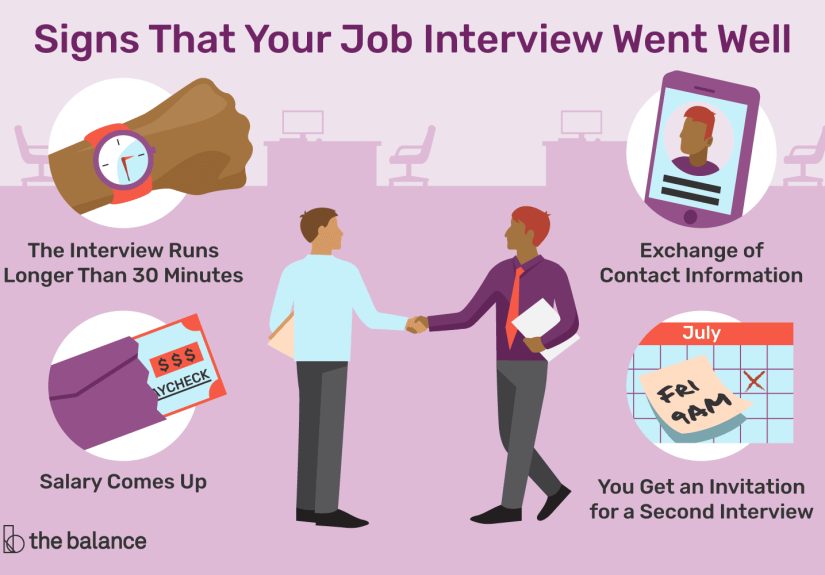
If your interview was scheduled for 30 minutes and somehow stretched to 45 or 60, that is often a strong indicator of interest. Busy hiring managers do not usually volunteer extra time for candidates they have already ruled out. If they keep digging, asking follow-up questions, and letting the conversation continue, it usually means they want to learn more.
What this usually means
It often suggests your answers sparked curiosity. You were not just checking boxes. You gave them enough substance that they wanted more detail, more examples, and maybe a better sense of how you would fit into the team.
One important caveat
A longer interview is not always a golden ticket. Sometimes interviews run long because the interviewer talks too much, the schedule is disorganized, or the conversation wandered into unrelated territory. But if the extra time felt focused and engaged, that is a very good sign.
2. The Conversation Felt Natural, Not Forced
There is a huge difference between an interview that feels like a police report and one that feels like a genuine conversation.
When an interview goes well, the tone often becomes more relaxed. The interviewer may laugh, build on your comments, share stories, or shift from scripted questions into a more human exchange. That usually means they are no longer just screening you. They are picturing what it might be like to work with you.
If the energy moved from stiff to conversational, that is one of the strongest job interview success signs around. Employers hire skills, yes, but they also hire people they believe they can communicate with every week without needing aspirin.
3. The Interviewer Showed Positive Body Language
Body language is not magic, but it does matter. If the interviewer maintained eye contact, smiled, leaned in, nodded, or looked genuinely attentive, those are often encouraging signs.
Positive nonverbal cues can signal engagement, interest, and agreement. On the other hand, distracted glances, checking the clock, typing nonstop, or looking like they would rather reorganize paper clips can suggest the opposite.
Green flags to notice
- They seemed alert and present
- They reacted to your answers with nods or smiles
- They leaned forward during key parts of the discussion
- They made steady, comfortable eye contact
In short, if the interviewer looked interested instead of spiritually absent, that is worth counting as a positive.
4. They Asked Detailed Follow-Up Questions
A bad interview often stays shallow. A good one gets specific.
If the interviewer asked detailed follow-up questions about your projects, decision-making, wins, mistakes, or how you handled certain challenges, that usually means they were seriously evaluating how you think and work. They were not just waiting for you to finish talking. They were testing for fit.
For example, if you mention leading a product launch and they ask how you handled pushback from stakeholders, what metrics improved, and what you would do differently next time, that is usually excellent news. It means your example mattered enough to explore.
Employers who ask thoughtful follow-ups are often trying to move past your resume and imagine your performance on the job. That is where interviews start getting real.
5. They Started Talking About the Role Like You Were Already in It
This is one of the most exciting signs your interview went well: the interviewer begins speaking in future-oriented language.
Maybe they say things like:
- “In this role, you would be working closely with our marketing lead.”
- “During your first few months, you would probably focus on onboarding and client transition.”
- “You would need to collaborate with our operations team pretty often.”
That shift matters. When interviewers move from discussing the position in abstract terms to picturing you in it, they are mentally testing your fit. They are trying the idea on for size. And that is a whole lot better than being treated like Candidate Number 47 in a spreadsheet.
6. They Discussed Next Steps Clearly
If the interviewer laid out what happens next, that is usually a very positive sign.
For example, they may explain the timeline, mention another round, tell you who the next interviewer is, or say when you should expect to hear back. Clear next-step language suggests the process is moving forward and that you are still under serious consideration.
This is especially encouraging if the details were specific rather than vague. “We will follow up by next Wednesday after we finish final interviews” sounds much better than “Somebody will probably reach out at some point in the universe.”
Extra encouraging version
If they ask about your availability for another interview, a possible start date, or scheduling logistics, that often signals strong interest rather than polite conversation.
7. They Introduced You to Other Team Members
When a company brings other people into the process, that can be a big green flag. If the interviewer introduced you to team members, showed you around the office, or arranged an additional chat on the spot, chances are they wanted more people to get a feel for you.
Why does this matter? Because companies do not usually spend extra team time on candidates they have already written off. Internal calendars are chaotic enough without adding bonus meetings for fun.
Meeting future coworkers can mean the employer is assessing culture fit, communication style, and team chemistry. In many cases, it also means you have made it beyond the first layer of basic qualification.
8. They “Sold” You on the Company or Role
At the beginning of an interview, employers usually evaluate you. But when the interview goes especially well, something interesting happens: they start pitching the opportunity back to you.
If the interviewer highlights growth opportunities, team culture, leadership support, flexibility, benefits, or exciting upcoming projects, that often means they see you as someone they do not want to lose. They are not just interviewing you anymore. They are recruiting you.
This is one of the clearest signs your interviewer is interested. Companies rarely spend time persuading candidates they do not see as viable contenders.
9. They Asked About Salary, Availability, or Logistics
Practical questions can be a strong sign of momentum. If the interviewer asks when you could start, whether you are interviewing elsewhere, what salary range you are targeting, or whether you would be open to relocation or travel, that often means they are evaluating feasibility, not just credentials.
These questions do not guarantee an offer, but they usually signal that you are being considered seriously enough for operational details to matter. In other words, they are no longer just asking, “Can this person do the job?” They are asking, “Could this actually work?”
That is a nice place to be.
10. You Received Fast, Positive Follow-Up Afterward
Sometimes the strongest signs appear after the interview ends. A quick thank-you reply, prompt communication from recruiting, a request for references, or an invitation to the next round soon after your meeting can all point to a successful interview.
Speed matters because hiring teams tend to move fastest on candidates who created excitement. If they follow up quickly, ask for additional materials, or keep the conversation warm, your chances are usually solid.
That said, silence does not always mean doom. Internal approvals can drag, decision-makers may be out, and hiring timelines often move with the elegance of a shopping cart missing one wheel. But quick follow-up is definitely one of the better signs your interview went well.
What If You Did Not Notice All 10 Signs?
Relax. You do not need to collect every sign like they are limited-edition trading cards.
Sometimes great interviews are short because the interviewer is efficient. Sometimes a reserved manager still loves your background. Sometimes the process is structured so tightly that nobody discusses next steps even when they are impressed. What matters most is the overall pattern.
If you noticed three to five strong positive signals, that is usually enough reason to feel cautiously optimistic. If you noticed only one weak signal and several red flags, your instincts may be telling you something useful.
What to Do After a Good Interview
Send a smart thank-you email
Within 24 hours, send a concise thank-you note. Mention one specific topic from your conversation, restate your interest in the role, and keep the tone warm and professional. No need to write a novel. This is a thank-you note, not a memoir.
Write down what happened
As soon as possible, jot down the questions you were asked, the examples you used, who you met, and what seemed to resonate. This helps you prepare for future rounds and compare opportunities more clearly.
Do not panic if the timeline slips
Hiring delays happen constantly. If the employer misses their stated timeline, a polite follow-up is appropriate. It shows interest, not desperation, as long as you keep it brief and respectful.
Final Thoughts
Figuring out whether a job interview went well can feel like trying to decode a text message with one emoji and no punctuation. But there are real signs that can help.
If the interview ran long, the conversation felt easy, the interviewer looked engaged, asked strong follow-up questions, introduced future-focused language, explained next steps, involved other team members, sold you on the opportunity, discussed logistics, or followed up quickly, you probably did more than just survive. You likely made a meaningful impression.
And if you are still unsure? Remember this: a good interview is not about being perfect. It is about being relevant, clear, memorable, and easy to imagine on the team. That is the kind of performance hiring managers remember after the Zoom window closes or the conference room door clicks shut.
So take a breath, send the thank-you note, and stop replaying that one sentence you phrased a little weirdly. Odds are, they are thinking about your value, not your tiny verbal hiccup about project management software.
Real-World Experiences: What “A Good Interview” Often Feels Like
One of the trickiest parts of job searching is that a good interview does not always feel dramatic. Sometimes it feels subtle. A candidate leaves the room thinking, “That was pleasant,” only to receive a second-round invitation the next morning. Another candidate walks out convinced they crushed it, then hears nothing for two weeks because the company froze hiring while finance did finance things.
In real life, positive interview experiences usually come down to a few emotional patterns. The first is momentum. You answer one question, and instead of the interviewer jumping awkwardly to the next item on a list, they stay with your example. They ask what happened next. They want numbers. They ask what you learned. That kind of curiosity usually means you have given them something useful to work with.
The second is mutual ease. Many candidates say they can feel the moment an interview stops being purely evaluative and starts becoming more like a professional conversation. The interviewer shares context, explains team challenges honestly, or jokes a little. Nobody is performing quite as hard anymore. That sense of rhythm is often a sign of strong rapport.
The third is specificity. Strong interviews tend to become concrete. You stop talking only about general qualifications and start discussing actual responsibilities, real projects, onboarding expectations, cross-functional partners, and business goals. That shift can make the conversation feel more grounded and more exciting because it suggests the employer is picturing you in the seat.
There is also a practical side to the experience. Candidates often describe a successful interview as one where they leave with useful information: names, timelines, next steps, or a better understanding of how success is measured in the role. Even if no offer is made right away, clarity itself is often a good sign. Confusing interviews rarely inspire confidence on either side.
Of course, every now and then an interview feels amazing because the chemistry is real. You connect with the interviewer, your examples land, and the job sounds like something you would genuinely enjoy. Those moments matter. Hiring is not just about technical fit. It is about trust, communication, and whether people can imagine solving problems together on a random Tuesday morning.
So if your interview felt focused, warm, specific, and forward-looking, trust that impression. Do not treat your instincts as silly. They are data too. Pair them with the signs in this article, follow up professionally, and keep moving. A good interview may not guarantee the job, but it absolutely increases the odds that your name stays at the top of the list instead of vanishing into the black hole of corporate indecision.

![18 Best Types of Charts and Graphs for Data Visualization [+ How to Choose]](https://corkopencoffee.org/wp-content/uploads/2026/05/18-best-types-of-charts-and-graphs-for-data-visualization-how-to-choose-qKM1PBYG-thumb.jpg)