Table of Contents >> Show >> Hide
- Quick answer: What’s the main difference?
- How bronchitis and pneumonia are similar
- Bronchitis vs. pneumonia: Key differences at a glance
- Symptoms: What tends to point toward bronchitis vs. pneumonia?
- Causes and risk factors
- How doctors tell the difference
- Treatment: Why the treatment plans are not the same
- Recovery timeline and what to expect
- Prevention tips that help with both
- When to seek medical care right away
- Common experiences people report (extended section)
- Final takeaway
Coughing, chest discomfort, feeling wiped out, and wondering whether your lungs are being dramatic or actually in trouble that’s the usual start of the “bronchitis vs. pneumonia” question. And it’s a good question, because the two can look very similar at first. Both affect your respiratory system. Both can show up after a cold or flu. Both can bring cough, fever, and that “I need a nap and a new set of lungs” feeling.
But they are not the same. Bronchitis usually involves the bronchial tubes (the airways leading into the lungs), while pneumonia affects the air sacs deep in the lungs (alveoli), where oxygen exchange happens. That location difference matters because pneumonia is more likely to cause serious breathing problems and may require more aggressive treatment.
This article synthesizes current medical guidance from major U.S. health sources and explains the similarities, differences, symptoms, diagnosis, treatment, and prevention strategies in plain English. It’s educational, not a diagnosis if symptoms are severe or worsening, a healthcare professional should be involved.
Quick answer: What’s the main difference?
The easiest way to remember it is this:
- Bronchitis = inflammation of the airways (bronchial tubes).
- Pneumonia = infection of the lungs’ air sacs (alveoli), which can fill with fluid or pus.
Because pneumonia reaches deeper into the lungs, it often causes more intense symptoms and can become dangerous faster especially in older adults, young children, and people with chronic medical conditions.
How bronchitis and pneumonia are similar
Here’s why people confuse them (and honestly, why even doctors sometimes need a chest X-ray to sort it out):
1) Both can start after a respiratory infection
Viruses that cause colds, flu, RSV, and other respiratory illnesses can trigger bronchitis or set the stage for pneumonia. In some cases, pneumonia develops after a viral illness when the lungs become more vulnerable.
2) Both can cause a cough
Cough is the headline symptom for both conditions. It may be dry or productive (bringing up mucus). The presence of mucus alone does not automatically mean bacterial infection.
3) Both can cause fatigue, fever, and chest discomfort
Feeling tired, achy, or mildly feverish can happen with either illness. That overlap is exactly why symptom severity, timing, and breathing changes matter so much.
4) Both may need medical evaluation if symptoms worsen
Most acute bronchitis improves on its own, but persistent cough, breathing trouble, or high fever can be warning signs of pneumonia or another issue. Pneumonia should be evaluated early when red-flag symptoms appear.
Bronchitis vs. pneumonia: Key differences at a glance
| Feature | Bronchitis (usually acute) | Pneumonia |
|---|---|---|
| Where it happens | Bronchial tubes (airways) | Air sacs (alveoli) in the lungs |
| Common causes | Mostly viruses; sometimes bacteria; irritants like smoke/fumes can trigger inflammation | Bacteria, viruses, or fungi |
| Severity | Often mild to moderate and self-limited | Can range from mild to severe and life-threatening |
| Typical cough timeline | Usually improves over days, but cough may linger for 2–3 weeks (sometimes longer) | May worsen quickly or gradually, often with more systemic symptoms |
| Breathing impact | Mild shortness of breath or wheeze is possible | Shortness of breath is often more significant |
| Need for antibiotics | Usually no (most acute cases are viral) | Often yes if bacterial; depends on the cause |
| Diagnosis tools | History + exam; chest X-ray only if pneumonia is suspected | History + exam + often chest X-ray; may need oxygen check and lab tests |
Symptoms: What tends to point toward bronchitis vs. pneumonia?
Common bronchitis symptoms
Acute bronchitis usually causes:
- Cough (with or without mucus)
- Chest soreness or tightness
- Fatigue
- Mild body aches or headache
- Sore throat or stuffy/runny nose
- Low-grade fever
- Wheezing or mild shortness of breath
A very common pattern is a cold-like illness that “moves into the chest,” followed by a stubborn cough. People often feel better before the cough fully disappears, which is annoying but common.
Common pneumonia symptoms
Pneumonia can overlap with bronchitis, but it often feels heavier and more intense. Common symptoms include:
- Cough (may bring up mucus)
- Fever and chills
- Shortness of breath
- Chest pain when breathing or coughing
- Fatigue and weakness
- Rapid breathing
- Nausea or vomiting (sometimes)
- Confusion or altered mental status, especially in older adults
Pneumonia symptoms can be mild or severe. Some cases (“walking pneumonia”) are more subtle, but others escalate fast and require urgent care.
A symptom detail people often misunderstand: mucus color
Yellow or green mucus can happen with bronchitis and doesn’t automatically mean you need antibiotics. Mucus color alone is not a reliable way to tell whether an infection is viral or bacterial. Doctors look at the full picture: breathing status, fever, lung sounds, oxygen levels, risk factors, and sometimes imaging.
Causes and risk factors
What causes bronchitis?
Most cases of acute bronchitis are caused by viruses. Less often, bacteria may be involved. Bronchitis can also be triggered or worsened by irritants such as cigarette smoke, secondhand smoke, air pollution, chemical fumes, dust, and wildfire smoke.
It’s also important not to confuse acute bronchitis with chronic bronchitis. Chronic bronchitis is a long-term condition (usually linked to COPD) and follows a different pattern than the short-term “chest cold” most people mean when they say bronchitis.
What causes pneumonia?
Pneumonia is an infection in the lungs that can be caused by:
- Bacteria (a common cause in adults)
- Viruses (including flu, RSV, COVID-19, and others)
- Fungi (less common, but important in some patients)
In plain terms: bronchitis usually inflames the “pipes,” while pneumonia infects the “air sacs.” Same neighborhood, very different level of trouble.
Who is at higher risk for pneumonia?
Pneumonia can happen to anyone, but risk is higher in:
- Adults 65 and older
- Children younger than 5
- People with chronic heart, lung, liver, or metabolic conditions (like diabetes)
- People with weakened immune systems
- Smokers
- People with heavy alcohol use
- People around others who are sick
Fall and winter often bring more respiratory infections, but pneumonia can happen any time of year.
How doctors tell the difference
Because symptoms overlap, diagnosis is not just “listen to the cough and guess.” A clinician usually combines:
1) Medical history and symptom timeline
They’ll ask when symptoms started, whether they’re getting worse, what the fever is doing, and whether you’ve had recent flu/cold exposure. They may also ask about smoking, chronic illness, and vaccination status.
2) Physical exam
A stethoscope exam helps, but it’s not magic. Bronchitis and pneumonia can both cause abnormal lung sounds. Pneumonia may produce crackling or bubbling sounds and signs of deeper lung involvement.
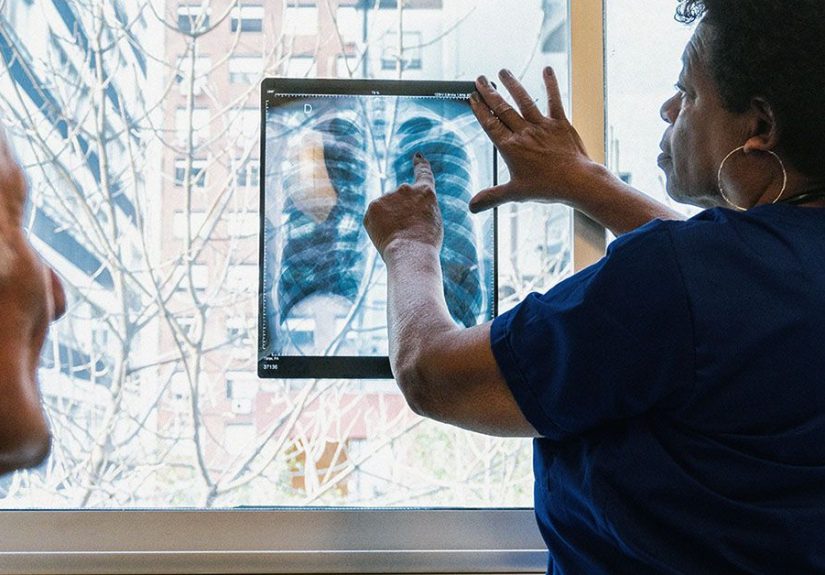
3) Chest X-ray (when needed)
This is often the key test when pneumonia is suspected. In many uncomplicated acute bronchitis cases, a chest X-ray is not needed. But if symptoms are severe, persistent, or include red flags (like breathing trouble, high fever, bloody mucus, or abnormal vital signs), imaging is commonly used to rule in or rule out pneumonia.
4) Oxygen and lab tests (more common with pneumonia)
For suspected pneumonia, doctors may check oxygen levels (pulse oximetry), do blood tests, and sometimes test mucus (sputum). Hospitalized or high-risk patients may need additional testing, depending on severity.
Treatment: Why the treatment plans are not the same
Acute bronchitis treatment (most cases)
Most acute bronchitis cases are treated with supportive care, not antibiotics:
- Rest
- Fluids
- Humidified air or steam
- Symptom relief (such as pain/fever reducers or cough support, depending on the patient)
- Avoiding smoke and lung irritants
Antibiotics usually do not help acute bronchitis because most cases are viral. Using antibiotics when they are not needed can cause side effects and contribute to antibiotic resistance. A doctor may consider antibiotics in specific situations (for example, suspected bacterial infection or certain high-risk cases), but routine use is generally discouraged.
Pneumonia treatment
Pneumonia treatment depends on the cause and how sick the patient is:
- Bacterial pneumonia: often treated with antibiotics
- Viral pneumonia: may require supportive care, and in some cases antiviral treatment
- Fungal pneumonia: treated with antifungal medication
- Severe pneumonia: may require hospitalization, IV medications, oxygen, and close monitoring
If you’ve ever heard someone say, “It was just a cough and then suddenly they were in the hospital,” that’s one reason pneumonia deserves respect. It can progress quickly in vulnerable people.
Recovery timeline and what to expect
Bronchitis recovery
Acute bronchitis usually improves on its own. Many people feel better in several days, but the cough can linger for a few weeks. That lingering cough doesn’t automatically mean pneumonia it often just means the airways are still irritated and healing.
Pneumonia recovery
Pneumonia recovery is more variable. Some people improve within days of treatment, while fatigue and cough can hang around for weeks. Recovery can be slower in older adults and people with chronic illnesses. If symptoms worsen instead of improving especially breathing or oxygen-related symptoms follow-up is important.
Prevention tips that help with both
The prevention advice for bronchitis and pneumonia overlaps a lot (good news: one healthy habit can do double duty).
Vaccines matter
Staying current on recommended vaccines can lower your risk of respiratory infections that may lead to bronchitis or pneumonia complications. Depending on age and risk factors, this may include flu, COVID-19, RSV, and pneumococcal vaccines. Pneumococcal vaccine recommendations for adults are based on age, risk conditions, and vaccine history, so it’s smart to review your situation with a healthcare provider.
Don’t smoke (and avoid secondhand smoke)
Smoke irritates and damages the airways and lungs, increasing risk for infections and complications. If your lungs could write reviews, this would be a one-star complaint with a lot of capital letters.
Wash hands and reduce germ spread
Handwashing, covering coughs/sneezes, and avoiding close contact with sick people can reduce infection risk especially during respiratory virus season.
Protect your lungs from irritants
Dust, chemical fumes, and air pollution can aggravate the airways. If you work around irritants, using protective gear and improving ventilation helps.
When to seek medical care right away
Get prompt care if you or someone else has a cough plus any of the following:
- Shortness of breath or trouble breathing
- Chest pain
- Blue or gray lips/fingertips
- High fever or worsening fever
- Confusion (especially in older adults)
- Bloody mucus
- Cough lasting more than 3 weeks
- Repeated episodes of bronchitis
For infants, young children, older adults, and people with chronic medical conditions, it’s wise to have a lower threshold for getting checked. Pneumonia can become serious quickly in these groups.
Common experiences people report (extended section)
To make this practical, here are some realistic, experience-based patterns people often describe when dealing with bronchitis or pneumonia. These aren’t diagnoses, but they show why the two conditions are so easy to mix up at home.
Experience pattern #1: “It started like a normal cold, then the cough moved into my chest.”
This is classic for acute bronchitis. Someone gets a sore throat, runny nose, maybe mild aches, and assumes it’s a routine cold. A few days later, the nose symptoms calm down but the cough gets louder, deeper, and more annoying. They may notice chest soreness from coughing so much and feel tired, but they can still usually walk around the house and talk in full sentences. The hardest part is often the duration: the person expects the cough to disappear in a few days and gets frustrated when it hangs on for two or three weeks. This is a common reason people seek care: not because they are severely ill, but because they are exhausted and wondering, “Why am I still coughing?”
Experience pattern #2: “I thought it was bronchitis, but I felt way too weak.”
Pneumonia often feels different in the body. People describe not just coughing, but feeling suddenly “flattened” chills, fever, heavy fatigue, and shortness of breath that seems out of proportion to a regular chest cold. Some say climbing stairs feels much harder than usual, or they feel winded walking to the bathroom. Others notice chest pain when taking a deep breath. In older adults, the clue may not be a dramatic cough at all; it may be confusion, unusual sleepiness, or a sudden change in energy and appetite. That mismatch “this feels more serious than a cold” is a big reason pneumonia needs prompt medical evaluation.
Experience pattern #3: “The mucus color scared me.”
Many people assume green or yellow mucus automatically means pneumonia or a bacterial infection. In real-world care, it’s not that simple. Bronchitis can also cause colored mucus, and doctors usually consider the whole symptom picture before deciding on antibiotics or imaging. Patients often feel reassured when they learn that mucus color alone doesn’t determine the diagnosis. What matters more is breathing difficulty, fever trend, oxygen level, and whether symptoms are improving or worsening.
Experience pattern #4: “The X-ray changed the plan.”
A person may come in thinking it’s “just bronchitis,” but because of persistent fever, low oxygen, fast breathing, or concerning lung sounds, the clinician orders a chest X-ray. If the X-ray shows pneumonia, treatment usually shifts quickly sometimes with antibiotics, sometimes with additional tests, and occasionally with hospital care if breathing is strained. This is why clinicians often say they are treating the patient, not just the cough.
Experience pattern #5: “I felt better, but the cough stayed forever.”
This happens all the time after bronchitis and can happen after pneumonia too. People panic because the cough lingers, even though fever is gone and energy is improving. In many cases, the airways remain irritated after the infection has mostly resolved. The recovery phase can be slow and uneven better one day, rough the next. The key is whether symptoms are trending in the right direction. Lingering cough with gradual improvement is common; worsening shortness of breath, new fever, or chest pain is a reason to follow up.
Final takeaway
Bronchitis and pneumonia can look similar at the start, but they are not interchangeable. Bronchitis usually inflames the airways and often improves with time and supportive care. Pneumonia infects the lungs more deeply, can seriously affect oxygen and breathing, and may need targeted treatment.
If the symptoms feel stronger than a typical chest cold especially with shortness of breath, chest pain, high fever, confusion, or worsening illness don’t try to “tough it out.” Get checked. Your lungs are great at many things, but writing polite warning letters is not one of them.