Table of Contents >> Show >> Hide
- Why Breastfeeding Still Matters
- 11 Benefits of Breastfeeding for Both Mom and Baby
- 1. Breast Milk Provides Tailor-Made Nutrition
- 2. It Helps Strengthen a Baby’s Immune System
- 3. Breastfeeding Is Easier on a Baby’s Digestive System
- 4. It Lowers the Risk of Several Common Childhood Infections
- 5. Breastfeeding Is Associated With Lower Risk of Some Long-Term Health Problems in Babies
- 6. It Supports Brain, Eye, and Nervous System Development
- 7. It Can Be Especially Valuable for Preterm or High-Risk Babies
- 8. Breastfeeding Encourages Bonding and Responsive Feeding
- 9. It Helps the Mother Recover After Birth
- 10. Breastfeeding Is Linked to Better Long-Term Maternal Health
- 11. It Can Be More Convenient and Cost-Effective for Families
- A Practical Note Parents Need to Hear
- Real-Life Experiences With Breastfeeding: What Families Often Go Through
- Conclusion
Breastfeeding has a reputation that can sound almost suspiciously glowing, like the overachiever of infant feeding. But the reason it keeps showing up in medical guidance is simple: breast milk does a lot of jobs at once. It nourishes, hydrates, protects, comforts, adapts, and supports recovery after birth. That does not mean breastfeeding is always easy, automatic, or possible for every family. It means that when it works for a parent and baby, the benefits are real and worth understanding.
For many families, the conversation around breastfeeding gets tangled in pressure, guilt, or internet mythology. One person says it is magical. Another says it is miserable. The truth lives in the middle. Breastfeeding is a biologically smart system with measurable health advantages for both mother and baby, but it is also a learned skill that often takes time, support, and patience. In other words, it is less “instinctive fairy dust” and more “important life skill with a steep tutorial.”
This guide breaks down 11 benefits of breastfeeding for both mom and baby in clear, practical language. It also explains why health organizations continue to recommend exclusive breastfeeding for about the first six months when possible, followed by continued breastfeeding alongside solid foods for as long as mother and child mutually want. Whether you are pregnant, newly postpartum, or updating content for readers who want evidence-based parenting information, these are the breastfeeding benefits that matter most.
Why Breastfeeding Still Matters
Breastfeeding matters because it is more than a feeding method. It is also a delivery system for immune factors, a support for early development, and a biological process that affects maternal recovery and long-term health. Human milk is dynamic. It changes over time to meet a baby’s needs, and early milk, including colostrum, is especially concentrated with antibodies and nutrients. That makes breastfeeding one of the rare health topics where “customized” is not marketing language. It is biology doing its thing.
At the same time, context matters. Some parents nurse directly. Some pump. Some combine breastfeeding and formula. Some use donor milk. Some do everything “by the book” and still need to pivot. A smart article about breastfeeding should make room for science and real life. So let’s do both.
11 Benefits of Breastfeeding for Both Mom and Baby
1. Breast Milk Provides Tailor-Made Nutrition
One of the biggest benefits of breastfeeding is that breast milk is designed for human babies. It contains the right balance of fat, protein, carbohydrates, vitamins, minerals, and fluids for healthy growth. Even better, it changes as your baby grows. What a newborn needs in the first days is not exactly what a four-month-old needs, and breast milk adjusts over time.
That flexibility is one reason breastfeeding remains such a strong recommendation in pediatrics. Instead of being a fixed formula, breast milk behaves more like a living nutritional system. Colostrum, the early milk often called “liquid gold,” is thick, concentrated, and packed with protective components. Mature milk then takes over with a composition that continues supporting growth, hydration, and development.
2. It Helps Strengthen a Baby’s Immune System
Breast milk contains antibodies, immune cells, hormones, and other bioactive compounds that help protect babies from illness. This is one of the most widely discussed breast milk benefits, and for good reason. Babies are born with developing immune systems, and breastfeeding helps bridge that vulnerable early period.
Parents often hear that breast milk “passes along antibodies,” and that is true. It is part of why breastfed babies tend to have lower rates of common infections. Think of it as backup for a brand-new immune system that is still organizing its desk drawers.
3. Breastfeeding Is Easier on a Baby’s Digestive System
Breast milk is typically easier for babies to digest than formula. That can translate into fewer feeding-related stomach troubles, including less constipation and fewer bouts of diarrhea for some infants. Because breast milk is biologically matched to a newborn’s developing gut, many babies tolerate it especially well in the early months.
This digestive advantage matters for everyday comfort, but it also matters for feeding confidence. A baby who digests well may feed more smoothly, and parents often notice that breastfed newborns settle into frequent, efficient feedings once latch and supply are established.
4. It Lowers the Risk of Several Common Childhood Infections
Another major benefit is infection protection. Research consistently links breastfeeding with lower rates of ear infections, diarrhea, vomiting, and respiratory infections. That is not a promise that a breastfed baby will never get sick. Babies are still going to baby. But the odds of certain illnesses, and sometimes the severity of them, can be reduced.
For families, this benefit is not just about statistics. It can mean fewer rough nights, fewer antibiotic prescriptions, fewer urgent pediatric visits, and a little less panic every time somebody in the house sneezes dramatically.
5. Breastfeeding Is Associated With Lower Risk of Some Long-Term Health Problems in Babies
Medical organizations also point to longer-term benefits. Breastfeeding is associated with lower risks of conditions such as asthma, obesity, type 1 diabetes, type 2 diabetes, and sudden infant death syndrome. Some sources also note possible protection against certain allergic diseases and other chronic conditions.
It is important to keep the language honest here: breastfeeding does not eliminate risk, and many factors shape a child’s future health. Genetics, sleep, environment, food access, and family circumstances all matter. Still, breastfeeding appears to provide a meaningful early health advantage that may continue beyond infancy.
6. It Supports Brain, Eye, and Nervous System Development
Breast milk contains fats and nutrients that help support brain growth and nervous system development. Some studies suggest breastfeeding may be linked with improved cognitive outcomes, although experts also note that this is a complex area and not every benefit can be reduced to a simple headline.
The smarter takeaway is this: breast milk nourishes the systems babies are building fastest in the first year of life. That includes the brain, eyes, and nervous system. In practical terms, breastfeeding supports development during a period when babies are learning everything from how to focus on faces to how to convince adults they have never been fed in their entire lives, despite eating 27 minutes ago.
7. It Can Be Especially Valuable for Preterm or High-Risk Babies
For premature and medically fragile infants, breast milk can be especially beneficial. Human milk helps protect against serious digestive illness, including necrotizing enterocolitis, and provides immune protection that can be crucial in the NICU setting. In some cases, fortification is needed for added calories or nutrients, but human milk still plays an important role.
This is one of the strongest examples of breastfeeding as a medical tool, not just a lifestyle choice. For preterm babies, breast milk is often treated as part of evidence-based care because of its protective and developmental value.
8. Breastfeeding Encourages Bonding and Responsive Feeding
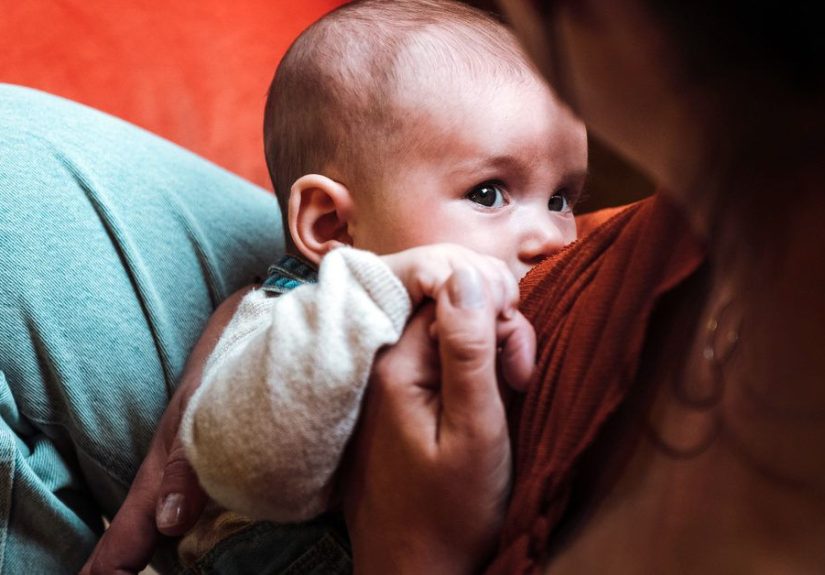
Breastfeeding creates repeated opportunities for close physical contact, eye contact, and cue-based feeding. Parents often learn to notice early hunger signals, comfort needs, and changes in their baby’s behavior. Babies, in turn, learn that food, comfort, and safety show up together. That does not mean bottle-fed babies cannot bond deeply with caregivers. Of course they can. But breastfeeding naturally builds in a lot of moments of closeness.
Responsive feeding matters because it supports emotional security as well as nutrition. It turns feeding from a mechanical task into a relationship-building rhythm. Sometimes that rhythm feels beautiful. Sometimes it feels like living inside a tiny all-day diner. Both things can be true.
9. It Helps the Mother Recover After Birth
Breastfeeding triggers the release of oxytocin, a hormone that helps milk let down and also causes the uterus to contract. Those contractions help the uterus return toward its pre-pregnancy size and can reduce postpartum bleeding. This is one reason providers often encourage breastfeeding soon after birth when possible.
That does not mean postpartum recovery suddenly becomes a spa experience. It does mean breastfeeding can support one important part of physical healing. For many mothers, this is one of the immediate maternal benefits that starts before the hospital bracelets are even off.
10. Breastfeeding Is Linked to Better Long-Term Maternal Health
The benefits of breastfeeding for moms extend beyond the newborn stage. Breastfeeding is associated with a lower risk of breast cancer, ovarian cancer, type 2 diabetes, and high blood pressure. Some sources also note possible benefits related to cardiovascular health and postpartum weight loss.
This is a big deal. Public conversations often frame breastfeeding only as something mothers do for babies. But breastfeeding can also benefit mothers themselves. It is not just an act of caregiving. It is a biological process with measurable health effects for the person doing it.
11. It Can Be More Convenient and Cost-Effective for Families
Breastfeeding does not require buying formula, washing bottles for every feeding, or making late-night emergency store runs because the powder tin suddenly looks empty at 2:07 a.m. When breastfeeding is established, many families find it simpler and less expensive day to day. The milk is ready, portable, and always the right temperature.
There are also broader practical benefits. Families may spend less on feeding supplies and, because breastfed babies often have fewer illnesses, sometimes less on medications, co-pays, and missed work. That said, breastfeeding is not “free” in the broader sense. It costs time, energy, support, and often workplace accommodations. But in household budget terms, it can still be a meaningful financial advantage.
A Practical Note Parents Need to Hear
Breastfeeding has real health benefits, but it should never be turned into a moral scoreboard. Some mothers experience pain, low supply, medical complications, mental health strain, or return-to-work barriers. Some babies struggle with latch, tongue mobility, prematurity, or feeding endurance. Some families use combination feeding from the beginning. Others switch entirely to formula. None of that means failure.
The healthiest feeding plan is the one that keeps the baby nourished and the parent supported. That is why good breastfeeding education should include both encouragement and realism. Yes, breastfeeding is beneficial. Yes, it can be hard. Yes, support matters. And yes, fed babies and functioning parents still count as a success story.
Real-Life Experiences With Breastfeeding: What Families Often Go Through
Talk to enough parents and a pattern appears: breastfeeding rarely feels exactly the way people imagined it would. Some describe the first latch as surprisingly emotional, almost cinematic, like the room briefly goes quiet and the whole “we actually have a baby now” moment lands all at once. Others describe the first latch as awkward, clumsy, and about as graceful as assembling furniture without instructions. Both are normal.
Many mothers say the early days are the hardest because everything is new at the same time. You are learning hunger cues, diaper output, positioning, breast fullness, nipple soreness, and the deeply confusing difference between “cluster feeding” and “surely this tiny person cannot still be hungry.” A lot of parents say the turning point comes when they stop judging each feed as a performance and start seeing breastfeeding as a rhythm that develops over days and weeks.
Parents who continue breastfeeding often talk about the convenience once things click. Leaving the house without packing half the kitchen can feel oddly luxurious. Night feeds can become more manageable when there is no bottle prep, no measuring, and no waiting for milk to warm while a baby voices strong opposition to the concept of patience. In that sense, breastfeeding can shift from “Why is this so hard?” to “Okay, now I get why people keep doing this.”
Working mothers often describe a different chapter: pumping, storing milk, managing schedules, and trying to feel like a professional adult while carrying cooler packs and pump parts like highly specific office equipment from the future. For some, that routine feels empowering. For others, it feels exhausting. Yet many say continuing to provide breast milk, even partially, gives them a sense of connection and continuity when they are away from their babies.
Parents of premature babies often tell especially powerful stories. In those situations, breastfeeding may start with pumping instead of direct nursing, and every ounce can feel meaningful. Families sometimes describe breast milk not just as food, but as one of the few things they can actively provide during a stressful NICU stay. Later, when direct breastfeeding becomes possible, it can feel less like a simple feeding milestone and more like a hard-won reunion.
There are also honest stories about mixed feeding, switching plans, and redefining success. Some mothers breastfeed for weeks, some for months, some for years, and some stop sooner than they hoped. A common theme in reflective parenting stories is this: the families who do best are often the ones who get support early, adapt without shame, and remember that nurturing a baby includes protecting the parent’s health too. Breastfeeding can be beautiful, frustrating, healing, tiring, economical, intimate, repetitive, and surprisingly funny. Sometimes all before lunch.
Conclusion
The reason breastfeeding remains a major public health recommendation is not hype. It is evidence. Breastfeeding supports infant nutrition, immune protection, digestion, development, and disease prevention, while also helping mothers recover after birth and potentially lowering their long-term risk of several major health conditions. Those are substantial advantages for both sides of the mother-baby pair.
Still, the smartest conversation about breastfeeding is never one-dimensional. The benefits are real, but so are the barriers. That is why families need accurate information, skilled lactation support, flexible workplaces, realistic postpartum care, and zero interest in guilt-based parenting lectures. Breastfeeding can be an excellent choice. Supportive care is the part that makes that choice more possible.