Table of Contents >> Show >> Hide
- What “Uzma Leather Journal” Usually Refers To
- Why Leather Journals Still Win Hearts in the Age of Notes Apps
- The Anatomy of a Great Uzma-Style Leather Journal
- Paper Deep-Dive: Recycled Pages, Fountain Pens, and “Why Is My Ink Bleeding?”
- Leather Care 101: Keep It Beautiful Without Overthinking It
- How to Actually Use the Uzma Leather Journal (Without Waiting for “the right moment”)
- The Science-Backed Part: Why Writing Can Make You Feel Better
- Giftability: Why the Uzma Leather Journal Makes an Easy “Nailed It” Present
- Uzma-Style Alternatives: Same Spirit, Different Builds
- of Real-World Experiences: Living With an Uzma Leather Journal
- Final Thoughts
Some notebooks are basically paper with ambition. Others are full-on companionsquiet, sturdy, and
slightly judgmental when you haven’t written in them since “Monday” (three Mondays ago).
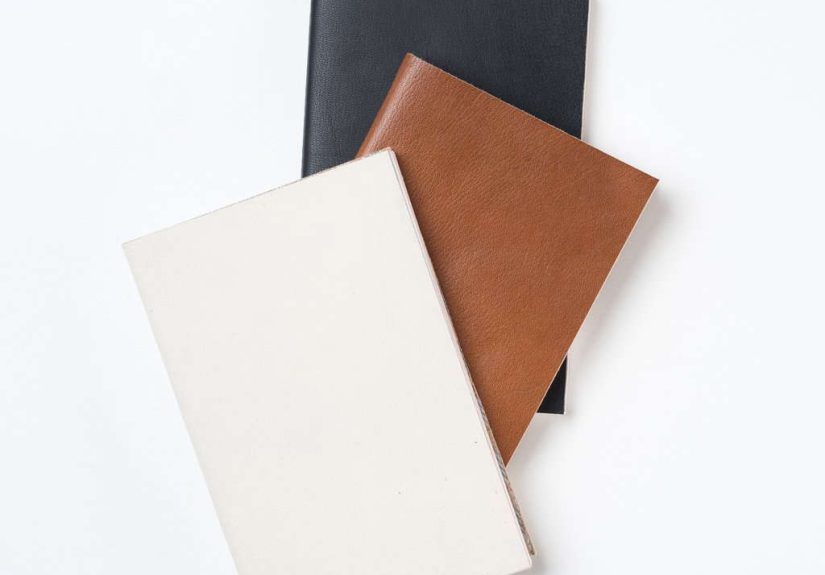
The Uzma Leather Journal falls into that second category: a simple, handsome leather journal
that became a small cult favorite thanks to its classic look, approachable price point, and the kind
of tactile “ohhh” factor that makes you want to write even if your handwriting normally looks like a
seismograph during an earthquake.
If you first spotted the Uzma Leather Journal through Magnolia’s orbit (hello, Fixer Upper fans) or in a
curated roundup that made it look like the notebook equivalent of a warm latte, you’re not imagining it:
it was positioned as a practical, pretty, everyday journalhandmade, leather-covered, and filled with
recycled paper. In other words, it wasn’t trying to be a museum piece. It was trying to be used. And that’s
the whole point of a journal: it should live a little.
What “Uzma Leather Journal” Usually Refers To
The name “Uzma Leather Journal” most commonly points to a leather journal sold in Magnolia’s product
ecosystem and featured by U.S.-based design and shopping curators. It’s been described as
handmade and using recycled paper, with a simple, classic design meant for daily notes,
lists, sketches, and journaling.
Because retail collections change, availability can shift over time. But the appeal of the Uzma Leather Journal
is bigger than one listing: it represents a “sweet spot” categoryan attainable leather journal that feels special
without feeling too precious to actually write in.
Why Leather Journals Still Win Hearts in the Age of Notes Apps
Digital notes are greatsearchable, syncable, and immune to coffee spills (unless you spill coffee on your laptop,
in which case… thoughts and prayers). But a leather journal offers something screens don’t:
sensory memory. The weight, the texture, the slight drag of pen on paperthese cues help your brain
“file” moments more clearly.
Leather develops character (and it doesn’t ask permission)
A leather cover changes with use. It softens, darkens in high-touch areas, and develops patinabasically the
journal version of “laugh lines.” That aging process is part of the charm, especially for journals you intend to keep.
It encourages a ritual, not just a record
Journaling becomes easier when it’s anchored to a tiny ritual: opening a favorite notebook, uncapping a pen,
writing one honest paragraph. Leather journals excel at being the “object” that starts the habit.
The Anatomy of a Great Uzma-Style Leather Journal
Even if you’re specifically hunting for the Uzma Leather Journal, it helps to know what to look for in this style of notebook.
Here’s the checklist that matters more than fancy buzzwords.
1) Leather quality and finish
Leather can be smooth and structured or soft and slouchy. Some journals use finished leather that resists minor
scuffs; others use more natural finishes that show marks quickly (which can be either “beautifully lived-in” or
“why does my bag zipper hate me?”).
If you want the classic aging-and-patina experience, look for leather that’s meant to develop over time.
Also pay attention to the feel: if it already feels plasticky or overly coated, it may not age as nicely.
2) Tanning method (why it matters for feel and aging)
Many higher-craft leather goods use vegetable-tanned leather, made with tannins from plant materials.
Veg-tan is known for developing patina and taking on a richer look as it ages. Chrome-tanned leather
is typically softer and more color-consistent, often used in fashion and upholstery, and it can be more resistant
to water spotting. Neither is “good” or “bad”they just behave differently.
3) Binding and usability (a journal should not fight you)
The best journal is the one that opens easily and stays open. If you’re writing daily, a spine that cracks
dramatically every time you open it is… not the vibe.
- Lay-flat behavior: A journal that lies flat reduces hand fatigue and makes writing more enjoyable.
- Stitching vs. heavy glue: Stitched bindings often age better with frequent opening and closing.
- Cover flexibility: A slightly flexible leather cover can be more comfortable for everyday carrying.
4) Paper (the underrated star of the show)
The Uzma Leather Journal has been described as using recycled paper, which can be a lovely choiceoften with
a slightly warmer tone and more “tooth” (texture). But paper isn’t one-size-fits-all. The right paper depends on
what you write with.
Paper Deep-Dive: Recycled Pages, Fountain Pens, and “Why Is My Ink Bleeding?”
If you mainly use ballpoint or pencil, you can write on almost anything and feel smug about it. If you use
gel pens, felt tips, or fountain pens, paper becomes a whole personality trait.
Absorbency: the make-or-break factor
Very absorbent paper pulls ink into the fibers, which can cause feathering (fuzzy edges), spreading,
and bleed-through. Less absorbent paper keeps ink crisper and often shows off shading and sheen better.
If your favorite pen looks “meh” on one notebook, it can look incredible on another.
What recycled paper can do well (and where it can be picky)
Recycled paper is often:
- Great for: pencil, ballpoint, many gel pens, everyday lists, quick journaling.
- Sometimes tricky for: very wet fountain pen inks or heavy markers (depending on coating and thickness).
The practical move: test your favorite pen on the last page first. That way, if your ink turns the page into a
Rorschach test, at least it’s in the back.
Ruling choices: lined, blank, dot grid
Lined journals (like the Uzma-style listing often shown) are excellent for long-form writing. Blank pages are
better for sketching and mixed media. Dot grid is the “choose-your-own-adventure” optionstructured enough
for neat lists, invisible enough for drawing.
Leather Care 101: Keep It Beautiful Without Overthinking It
Leather is durable, but it’s still skinmeaning it can dry out over time and reacts to environment. The goal
isn’t to baby your journal; it’s to keep it from getting cooked, soaked, or chemically assaulted.
Keep it away from heat and harsh sun
Long exposure to heat and direct sunlight can accelerate drying and aging. If your journal lives on a sunny
windowsill, it might look romantic… right up until the cover starts looking thirsty.
Clean gently, condition sparingly
For everyday care:
- Wipe dust with a soft, dry cloth.
- If needed, use a small amount of leather-appropriate cleaner (avoid harsh household cleaners).
- Condition lightly and let it absorb fully before buffing.
Conditioning frequency depends on climate and use. A journal that lives in an air-conditioned office may need
less attention than one carried daily through heat and humidity.
Water happensdon’t panic
If the cover gets wet, blot (don’t rub), then let it air dry away from heat. Once fully dry, you can condition
if the leather looks dry or stiff. The key is patience: leather hates being rushed.
How to Actually Use the Uzma Leather Journal (Without Waiting for “the right moment”)
A leather journal can feel so nice that people hesitate to write in it. That’s how journals become
decorative objects that silently judge you from a shelf. Let’s avoid that.
Try “small on purpose” journaling prompts
- Three sentences: What happened, what you noticed, what you want tomorrow.
- One list: Things I’m avoiding / Things I’m excited about / Things I can do in 10 minutes.
- One page, two columns: Worries on the left, next steps on the right.
Use it as a thinking tool, not just a feelings tool
Leather journals are amazing for planning projects because they’re durable and easy to revisit. Consider:
- Home projects: measurements, materials, shopping lists, lessons learned (and “never again” notes).
- Work ideas: meeting notes, weekly priorities, decision logs.
- Creative work: story fragments, sketches, lyrics, design mood words.
The Science-Backed Part: Why Writing Can Make You Feel Better
Journaling isn’t magicbut it can be surprisingly effective. Research on expressive writing suggests that writing
about stressful or emotional experiences can support mental well-being and, in some cases, physical health markers.
The effects vary from person to person, and it’s not a substitute for professional help when needed. Still,
for many people, writing creates clarity: it turns a spinning thought into a sentence with edges.
What writing does well
- Organizes the mess: Putting thoughts into language can reduce mental noise.
- Creates distance: You can look at your problem instead of living inside it.
- Builds a record: You can spot patterns and progress over weeks and months.
Giftability: Why the Uzma Leather Journal Makes an Easy “Nailed It” Present
Leather journals are one of the safest “nice gift” categories because they’re practical and personal without being
too personal. You’re not guessing someone’s clothing size or buying them a scented candle that smells like “Ocean Breeze”
(which, frankly, often smells like “bathroom in a beach hotel lobby”).
To elevate the gift:
- Add a pen that matches their style (fine-tip gel, classic ballpoint, or a beginner-friendly fountain pen).
- Write a short note on the first page: a message, a quote, or a simple “Use this for your ideas.”
- Suggest a use: travel journal, recipe notebook, daily gratitude, project planner.
Uzma-Style Alternatives: Same Spirit, Different Builds
If you love the Uzma Leather Journal vibeclassic leather, built for daily usethere are a few common “families”
of leather journals worth knowing about:
Bound leather journals (grab-and-go)
This is the Uzma lane: a complete notebook with a leather cover and built-in pages. Simple and satisfying.
When you finish it, you start a new onelike seasons of a show, but with fewer cliffhangers.
Refillable leather covers (the long-term planner move)
Refillable leather covers let you replace the paper insert while keeping the cover for years. They’re great if you’re
loyal to a particular paper type or if you want your cover to become a forever item. Many U.S.-based makers offer
refillable options in popular sizes (like A5) with pen loops and personalization.
Hand-bound artisan journals (craft-forward)
Some studios make hand-bound leather journals with premium materials and traditional methods. These can be more of an
investment, but they’re also heirloom-level durable and often beautifully finished.
of Real-World Experiences: Living With an Uzma Leather Journal
Here’s what people tend to notice when they actually use an Uzma-style leather journal day after dayespecially one
that’s meant to be carried, opened a hundred times, and lived with instead of “kept nice.”
Week 1: The journal is almost too pretty, so you start cautiously. You pick a “safe” pen. You write
neat, polite sentences. You avoid the first page for a day because the first page feels like the emotional equivalent
of walking into a quiet library wearing tap shoes. Then you realize something: the leather cover is not fragile. It
doesn’t crumple like a paperback, and it doesn’t glare at you like a pristine notebook that expects perfect handwriting.
The cover’s heft actually makes the journal feel more forgivinglike it can hold messy thoughts without falling apart.
Weeks 2–3: You stop writing “journal entries” and start writing life. Grocery math. A list
of names you like for a future project. Notes from a conversation you don’t want to forget. A page titled “Things I
Keep Overcomplicating” that becomes painfully long and strangely funny. If the pages are recycled and slightly textured,
you may find that certain pens feel better than othersballpoints glide, gel pens pop, fountain pens may require a quick
test to avoid bleed-through. This isn’t a flaw; it’s just the journal revealing its preferences, like a cat deciding it
only drinks water from a glass you were using.
Month 2: The leather starts to change in small ways. Corners soften. The cover looks a little warmer.
If you carry it in a bag, it picks up subtle scuffs that make it look less “store shelf” and more “story shelf.”
You’ll also discover the journal’s real superpower: it becomes a low-tech anchor. On days when your brain feels like
37 browser tabs are open and one is playing music but you can’t find which one, opening the journal gives you a single
place to put the noise. Even five minutes can create a sense of control.
Month 3 and beyond: A leather journal gets better at being yours. You might add a sticky tab system,
fold a corner (controversial, but effective), or start a running index on the first pages. Eventually, the journal
stops being an “object” and becomes a tool you trust. And when you finish it, the last page feels oddly satisfying
not because every moment was profound, but because you can literally hold the evidence that you showed up for your
own thoughts. That’s the kind of quiet flex a notes app can’t quite replicate.
Final Thoughts
The Uzma Leather Journal stands out because it’s the kind of journal that invites use: classic leather,
approachable style, and pages meant to be filled. Whether you’re tracking habits, planning projects, collecting ideas,
or simply writing to clear your head, a leather journal works best when you stop waiting for perfect words and start
capturing real ones. Let the cover scuff a little. Let the pages get honest. That’s not wearit’s proof of life.