Table of Contents >> Show >> Hide
- Why Gluten-Free Desserts Can Taste So Good
- 14 Gluten-Free Desserts That Deserve a Spot on Your Table
- 1. Flourless Chocolate Cake
- 2. Almond Flour Brownies
- 3. Classic Peanut Butter Cookies
- 4. Coconut Macaroons
- 5. Berry Pavlova
- 6. Panna Cotta
- 7. Rice Pudding
- 8. Fruit Crisp with Gluten-Free Oat Topping
- 9. Cheesecake with an Almond or Nut Crust
- 10. Lemon Bars
- 11. Chocolate Mousse
- 12. No-Bake Chocolate Banana Bites
- 13. Meringue Cookies
- 14. Orange-Almond Cake
- Smart Tips for Better Gluten-Free Desserts
- What Real Dessert Tables Teach You About Gluten-Free Sweets
- Conclusion
- SEO Tags
Gluten-free desserts used to have a reputation problem. You know the one: dry cake, sandy cookies, and brownies with the emotional range of cardboard. Thankfully, that era is fading fast. Today’s best gluten-free desserts are not “good for gluten-free.” They are simply good, period. In many cases, they are actually better because they lean into ingredients that naturally shine without wheat flour trying to steal the spotlight.
That is the secret sauce, by the way. The most satisfying gluten-free desserts usually do one of two things: they either use smart gluten-free ingredients like almond flour, oats labeled gluten-free, coconut, chocolate, rice, and fruit, or they start with a dessert that never needed much flour in the first place. That is why flourless chocolate cake feels like a celebration instead of a compromise, and why a crisp packed with ripe fruit and buttery oat topping can disappear faster than a regular pie.
This list rounds up 14 gluten-free desserts that are rich, fun, practical, and absolutely worthy of a second helping. Some are elegant enough for holidays, some are weeknight-easy, and a few are the kind of desserts you bring to a party just so people will stop assuming gluten-free means “sad.” Let’s fix dessert’s reputation, one forkful at a time.
Why Gluten-Free Desserts Can Taste So Good
The best gluten-free dessert recipes do not try too hard to cosplay as wheat-based desserts. Instead, they build flavor and texture from ingredients that already know what they are doing. Almond flour brings richness and tenderness. Cocoa adds structure and depth. Eggs create lift. Cream, fruit, nuts, coconut, and warm spices add body, moisture, and flavor without making anyone ask, “So… what exactly is missing here?”
Another important point is that gluten-free baking rewards precision. A good recipe balances moisture, fat, starch, and sweetness so the final dessert feels intentional rather than improvised in a panic. When that balance is right, you get chewy cookies, plush cakes, crackly meringues, silky puddings, and deeply fudgy brownies that nobody leaves behind on the plate.
14 Gluten-Free Desserts That Deserve a Spot on Your Table
1. Flourless Chocolate Cake
If gluten-free desserts had a celebrity spokesperson, flourless chocolate cake would absolutely demand top billing. It is rich, smooth, dramatic, and somehow both dense and delicate at the same time. Because it relies on chocolate, butter, sugar, and eggs instead of flour, it delivers a deep cocoa flavor with a luxurious texture that feels restaurant-worthy. Serve it with whipped cream, a dusting of cocoa, or fresh berries, and suddenly everyone acts like they are at a dinner party where the napkins are linen and somebody knows what “ganache” means.
2. Almond Flour Brownies
Brownies are one of the easiest desserts to make gluten-free without losing the plot. Almond flour gives them a moist, chewy interior and a slightly nutty flavor that works beautifully with dark chocolate. The result is not a backup plan. It is a tray of brownies with serious personality. Add chocolate chunks, flaky salt, or walnuts if you want extra texture. Just do not be surprised when people keep cutting “tiny pieces” and somehow half the pan vanishes.
3. Classic Peanut Butter Cookies
Few desserts prove the point better than peanut butter cookies. The classic flourless version often uses just peanut butter, sugar, and eggs, yet produces cookies that are soft in the middle, crackly on top, and gloriously peanut-buttery. They are simple, nostalgic, and wildly dependable. For a slightly more polished version, add vanilla and a pinch of salt. For a more dangerous version, dip half the cookie in melted chocolate and accept that self-control has officially left the building.
4. Coconut Macaroons
Coconut macaroons are one of those naturally gluten-free desserts that seem almost unfairly easy for how good they are. Shredded coconut, sweetened condensed milk, egg whites, and vanilla come together into chewy little clouds with toasty edges. Dip the bottoms in chocolate and now you have a bakery-style dessert that looks fancy with minimal effort. They also travel well, which makes them an excellent choice for cookie swaps, holiday trays, or any situation where you need a dessert that survives the car ride with its dignity intact.
5. Berry Pavlova
Pavlova is what happens when meringue decides to become glamorous. Crisp on the outside, marshmallowy in the center, and piled high with whipped cream and fruit, it is naturally gluten-free and visually dramatic in the best way. Berries are the obvious move, but mango, kiwi, passion fruit, or citrus also work beautifully. Pavlova feels special without being heavy, which makes it perfect after a big meal. It is also proof that gluten-free dessert can look like a magazine cover instead of a compromise on a paper plate.
6. Panna Cotta
Silky, creamy, and quietly luxurious, panna cotta is a gluten-free dessert that does not need flour to impress anyone. It is essentially sweetened cream set with gelatin, which sounds almost suspiciously simple until you taste it. Vanilla is classic, but coffee, citrus zest, almond extract, and berries all pair beautifully with its gentle richness. Panna cotta is ideal for entertaining because you make it ahead, chill it, and then act far more relaxed than you actually are when guests arrive.
7. Rice Pudding
Rice pudding does not always get the attention it deserves, which is a shame because it is comfort food in dessert form. It is creamy, mellow, cozy, and easy to adapt with cinnamon, cardamom, raisins, orange zest, or toasted nuts. Served warm, it feels like a blanket. Served chilled, it feels old-school in the best possible way. For gluten-free households, it is also a wonderfully practical dessert because the ingredients are familiar, inexpensive, and easy to keep on hand.
8. Fruit Crisp with Gluten-Free Oat Topping
A good fruit crisp is one of the smartest desserts you can make, especially when the fruit is doing most of the hard work. Apples, peaches, berries, plums, or cherries all shine under a topping made with butter, brown sugar, cinnamon, and oats labeled gluten-free. Some versions add almond flour or chopped nuts for extra crunch, and that is usually a very good decision. Serve it warm with vanilla ice cream and you have a dessert that feels rustic, generous, and almost aggressively comforting.
9. Cheesecake with an Almond or Nut Crust
Cheesecake is already rich and luscious, so making it gluten-free is less a challenge and more a clever design choice. Swap the usual crumb crust for one made from almond flour, crushed nuts, or gluten-free cookies, and you are in business. The creamy filling carries endless variations: lemon, vanilla bean, espresso, pumpkin, chocolate swirl, or berry topping. Cheesecake also has excellent make-ahead appeal, which is a polite way of saying it rewards you for doing dessert early and ignoring it until it becomes everyone’s favorite part of the meal.
10. Lemon Bars
Lemon bars are bright, tangy, and impossible to eat with complete elegance, which is part of their charm. A gluten-free version usually starts with a buttery almond-flour or gluten-free flour crust topped with a vivid lemon filling that balances sweet and sharp. They are especially good when you want something lighter than chocolate but still satisfying enough to count as dessert, not just “fruit pretending.” A dusting of powdered sugar gives them that bakery-window look people somehow trust instantly.
11. Chocolate Mousse
Chocolate mousse is proof that texture can be half the flavor. When done well, it is airy but rich, smooth but deeply intense, and indulgent without being overwhelming. Since it is typically built from chocolate, cream, sugar, and sometimes eggs, it slides neatly into the gluten-free category with almost no drama. Spoon it into little glasses, add whipped cream or shaved chocolate, and watch how quickly people forget to ask whether dessert is gluten-free because their attention is busy being elsewhere.
12. No-Bake Chocolate Banana Bites
Not every great gluten-free dessert needs an oven, a stand mixer, or a motivational speech. Chocolate banana bites are easy, freezer-friendly, and surprisingly satisfying. Banana slices, nut butter, dark chocolate, and maybe a sprinkle of sea salt or chopped nuts are all you need. They hit that frozen candy-bar zone while still tasting like real food. They are excellent for kids, excellent for adults, and excellent for the specific kind of evening when you want dessert but do not want a sink full of evidence.
13. Meringue Cookies
Meringue cookies are light, crisp, and wonderfully dramatic for something mostly made of egg whites and sugar. They can be flavored with vanilla, cocoa, espresso powder, peppermint, or citrus zest, and they store well if kept dry. These are ideal when you want a gluten-free dessert that feels elegant and a little bit retro. They also have the useful habit of looking far more complicated than they are, which is always a nice bonus for the baker and mildly devastating for the person who bought store-bought cookies.
14. Orange-Almond Cake
Orange-almond cake is one of the great reminders that gluten-free baking can be deeply flavorful, not just technically successful. Almond flour gives the crumb tenderness and richness, while orange zest or cooked whole oranges bring fragrance and brightness. The cake often tastes even better the next day, when the citrus settles in and the texture becomes even more luscious. It is lovely with tea, lovely after dinner, and lovely when you want a dessert that feels a little sophisticated without becoming fussy.
Smart Tips for Better Gluten-Free Desserts
First, do not assume every naturally wheat-free ingredient is automatically safe for a strict gluten-free dessert. Oats, baking mixes, chocolate chips, decorations, and flavorings should be checked carefully if the dessert is intended for someone with celiac disease or a medically necessary gluten-free diet. “Close enough” is not a baking strategy.
Second, build flavor on purpose. Gluten-free flours can taste different from wheat flour, and that is not a flaw. It just means vanilla, cinnamon, espresso powder, citrus zest, brown butter, cocoa, and toasted nuts become even more valuable. Rich flavors give gluten-free desserts confidence. Confidence is delicious.
Third, think texture from the beginning. Almond flour adds tenderness, oats bring chew, meringue creates crispness, cream and custards bring silkiness, and fruit keeps everything juicy. A good gluten-free dessert does not merely avoid gluten. It chooses a texture that people actually crave.
What Real Dessert Tables Teach You About Gluten-Free Sweets
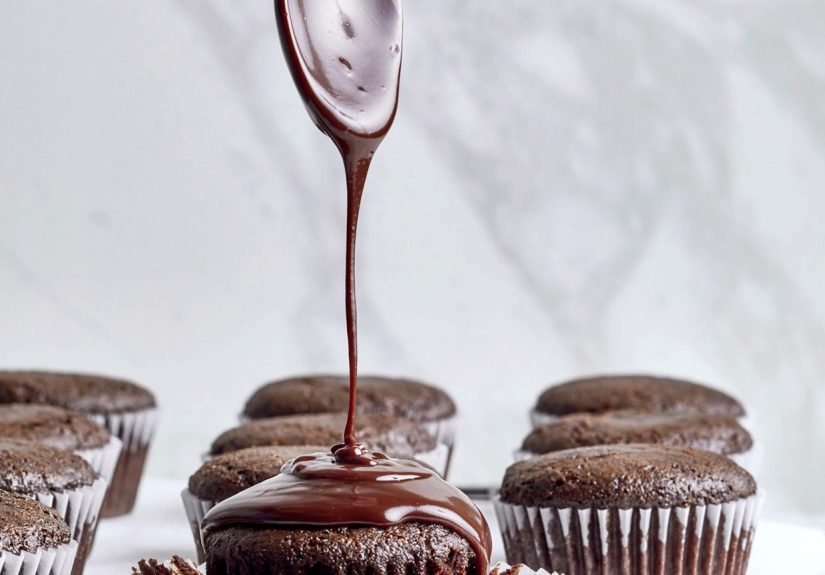
One of the most useful things about gluten-free desserts is that they teach you very quickly what people actually care about. Spoiler: most guests are not performing a scientific analysis of flour content. They care whether the dessert tastes great, looks inviting, and feels like a treat instead of a dietary footnote. The minute a flourless chocolate cake arrives with glossy ganache, or a warm berry crisp lands next to melting vanilla ice cream, the room stops asking questions and starts reaching for spoons.
In real life, the most successful gluten-free desserts are usually the ones that feel familiar but not fussy. Brownies disappear because people already trust brownies. Peanut butter cookies win because nobody hears the words “peanut butter cookie” and thinks, “I hope this has structural gluten.” Cheesecake works because the filling is already the star. Fruit crisps are especially useful because they feed a crowd, celebrate the season, and do not require anyone to pretend a dry crust is charming.
Another real-world lesson is that expectations matter. If you serve a gluten-free chocolate mousse, no one compares it to a wheat-based version because there is no missing comparison to make. It is simply mousse. But if you serve a cupcake that is dry and crumbly, everyone notices because cupcakes have a clear standard. That is why naturally gluten-free desserts or smartly adapted classics tend to perform best. They are confident in their own identity. No identity crisis, no crumbs of despair.
There is also the practical side of hosting. People who need gluten-free food often spend a lot of time asking careful questions, reading labels, or politely declining desserts because the risk is not worth the uncertainty. A clearly labeled gluten-free dessert, prepared with attention to ingredients and cross-contact, changes the experience completely. It lets someone relax. That might sound like a small thing, but at birthdays, holiday dinners, school events, and family parties, it is actually huge. Dessert is not just dessert. It is participation.
From a baker’s perspective, gluten-free desserts can make you more thoughtful in a good way. You start paying closer attention to moisture, toasting nuts for more flavor, balancing tart fruit with sweet toppings, and using better chocolate because the ingredient list is shorter and every part counts. You become less dependent on habit and more focused on what makes a dessert satisfying. That tends to improve all your baking, not just the gluten-free kind.
And finally, there is the joy factor. A great gluten-free dessert feels slightly rebellious because it overturns an old assumption. People take a bite, raise an eyebrow, and say some version of, “Wait, this is gluten-free?” That question used to sound skeptical. Now it often sounds impressed. Which is exactly where gluten-free desserts belong: not in the corner with a sad label, but in the center of the table, causing a minor stampede.
Conclusion
The best gluten-free desserts do not succeed because they mimic traditional treats perfectly. They succeed because they understand what makes dessert worth eating in the first place: rich flavor, satisfying texture, a little visual drama, and the kind of comfort that makes people hover near the kitchen. Whether you go for flourless chocolate cake, a juicy fruit crisp, creamy panna cotta, or a tray of peanut butter cookies, the point is not what is missing. The point is what is delicious.
So the next time someone acts like gluten-free dessert is a consolation prize, hand them a fork and let the cake do the talking.