Table of Contents >> Show >> Hide
- What Is the Lion Diet?
- How Is the Lion Diet Different From the Carnivore Diet?
- Why Do People Try the Lion Diet?
- Does the Lion Diet Actually Work?
- Is the Lion Diet Healthy?
- What About Weight Loss?
- Could the Lion Diet Ever Be Useful?
- Who Should Be Especially Careful?
- A Better Alternative to the Lion Diet
- Common Experiences People Report on the Lion Diet
- Final Verdict
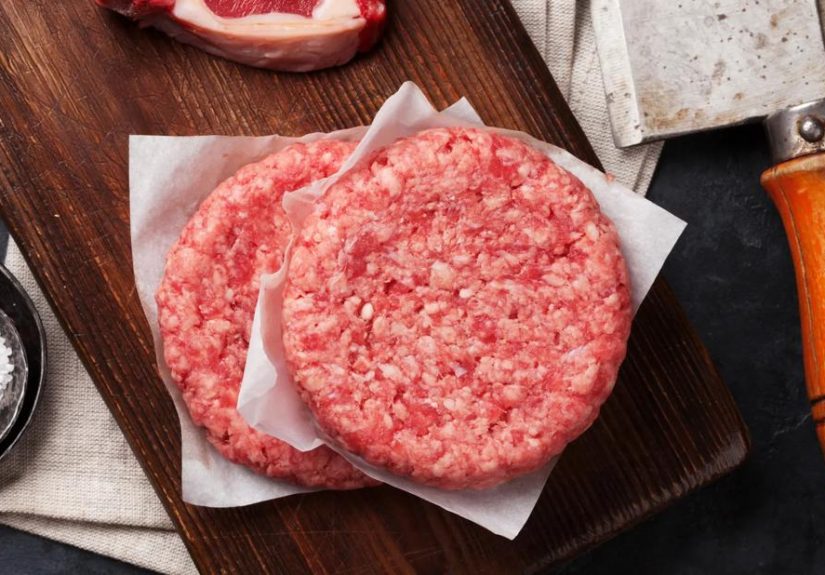
The lion diet is one of those eating trends that makes a normal low-carb plan look downright relaxed. Its menu is famously tiny: ruminant meat, salt, and water. That means beef, lamb, bison, venison, and not much else. No fruit. No vegetables. No grains. No beans. No coffee. Your grocery list gets so short it almost feels like a prank.
Supporters say the lion diet can calm inflammation, reduce digestive issues, improve mood, and help identify food triggers. Critics say it is nutritionally lopsided, hard to sustain, and built on far more anecdotes than evidence. So who is right? In reality, the answer is less dramatic than social media would like. The lion diet may act like an extreme elimination diet for some people, but that does not automatically make it healthy, safe, or smart as a long-term eating pattern.
If you are wondering whether the lion diet is a miracle, a mess, or just another online nutrition plot twist, here is the evidence-based breakdown.
What Is the Lion Diet?
The lion diet is an ultra-restrictive version of the carnivore diet. Instead of allowing all animal foods, it narrows the menu even further to meat from ruminant animals, plus water and salt. In most versions, that means beef is the star of the show, with lamb, goat, venison, and bison sometimes joining the cast.
The idea behind the diet is simple: remove nearly every possible dietary variable, then see whether symptoms improve. After a period of strict eating, followers may slowly reintroduce foods one at a time. In theory, this helps identify food sensitivities or triggers.
That sounds a bit like a standard elimination diet, but there is one major difference. Medically guided elimination diets are usually targeted, temporary, and designed to remove likely trigger foods while still protecting nutrition. The lion diet, by contrast, swings a nutritional sledgehammer where a smaller tool would usually do.
How Is the Lion Diet Different From the Carnivore Diet?
Think of the carnivore diet as the “all animal foods invited” version and the lion diet as the “very exclusive guest list” version. A carnivore plan may include eggs, poultry, seafood, dairy, and other animal products. The lion diet cuts many of those out and focuses almost entirely on ruminant meat.
That difference matters because an already restrictive eating style becomes even more limited. With fewer foods, you also get fewer nutrients, less flexibility, and more monotony. It is the nutritional equivalent of watching the same movie every night and being told to call it variety.
Why Do People Try the Lion Diet?
Most people are not trying the lion diet because they adore culinary boredom. They are usually looking for relief. Common reasons include:
1. To identify food triggers
Some people with digestive symptoms, skin issues, headaches, or chronic discomfort suspect that certain foods make them feel worse. The lion diet is promoted as a way to wipe the slate clean and then rebuild from scratch.
2. To lose weight quickly
Because it cuts out sugar, refined carbs, snack foods, and many ultra-processed foods, the lion diet can lead to short-term weight loss. Some of that may come from eating fewer calories overall, and some may come from losing water as carbohydrate stores drop.
3. To simplify eating
Decision fatigue is real. Some followers like the simplicity of not thinking about food very much. Unfortunately, simplicity and nutritional quality are not always best friends.
4. To chase anecdotal health improvements
Online testimonials often mention more energy, less bloating, clearer skin, or better focus. These stories can be compelling, but they are still stories. Anecdotes can suggest ideas worth studying; they do not replace clinical evidence.
Does the Lion Diet Actually Work?
That depends on what “work” means.
If the goal is to create an extremely narrow elimination phase, then yes, the lion diet may help some people notice whether symptoms change when many foods are removed. But that does not prove the diet itself is healthy, and it does not mean ruminant meat is somehow magical. It simply means a restrictive reset can reduce exposure to possible triggers. Traditional elimination diets are already used for that purpose, and they usually do it in a more measured, clinically sensible way.
If the goal is long-term disease treatment, the evidence is much weaker. There are no good clinical trials showing that the lion diet specifically treats autoimmune disease, depression, inflammation, or digestive disorders. That is the biggest gap between the claims and the science. A viral testimonial is not the same thing as a proven therapy.
Is the Lion Diet Healthy?
For most people, the lion diet is not a healthy long-term pattern.
The biggest reason is not mysterious: humans generally do better on diets that include a wider range of nutrient-dense foods. Fruits, vegetables, legumes, whole grains, nuts, and seeds bring fiber, antioxidants, vitamins, minerals, and plant compounds that are hard or impossible to replace with meat alone.
When you remove all of them, several concerns pop up fast.
Fiber Drops to Basically Zero
Fiber lives in plant foods, not steak. A lion diet contains virtually none. That matters because fiber supports bowel regularity, helps manage cholesterol and blood sugar, and benefits digestive health. Without it, constipation becomes a very predictable guest. Some followers also report feeling sluggish, bloated, or generally less thrilled with their digestive reality than the diet’s name would suggest.
Nutrient Gaps Become More Likely
Meat does provide important nutrients like protein, iron, zinc, and vitamin B12. But it is not a one-food nutritional superhero. A lion diet may fall short on vitamin C, folate, magnesium, potassium, and other nutrients that usually come from plant foods. Limited food variety is one of the classic setups for inadequate intake over time.
Vitamin C is a particularly common concern in conversations about meat-only diets. Severe deficiency is rare, but very limited food variety raises the risk. That is not exactly the kind of plot twist you want from your wellness experiment.
Saturated Fat Can Climb Fast
Depending on the cuts of meat a person eats, saturated fat intake may rise well above what heart-health organizations recommend. For some people, that can push LDL cholesterol higher. Not everyone responds the same way, but pretending this risk does not exist would be like pretending a grill never gets hot.
Red Meat-Heavy Eating Has Tradeoffs
A diet centered almost entirely on red meat also raises concerns about long-term heart and cancer risk, especially if processed meats creep into the picture. Even when followers claim they stick to unprocessed cuts, the overall pattern still lacks the dietary diversity associated with better long-term health outcomes.
It Is Hard to Sustain
The lion diet is socially awkward, mentally repetitive, and nutritionally rigid. Dining out becomes complicated. Family meals become weird. Travel becomes annoying. Cravings may intensify simply because the plan is so strict. The more a diet depends on perfect compliance and a very small menu, the less realistic it becomes for normal life.
What About Weight Loss?
Yes, some people lose weight on the lion diet. But that does not automatically make it a healthy weight-loss strategy.
Short-term weight changes may happen because the diet eliminates many high-calorie processed foods and drastically reduces carbs. Lower carbohydrate intake can also cause early water loss, which makes the scale move faster at first. That kind of rapid drop can feel impressive, but it is not always a sign of lasting fat loss.
There is also a catch: extreme diets are notoriously difficult to maintain. When a plan is monotonous, socially isolating, and nutritionally narrow, rebound eating becomes more likely. In plain English, if your diet feels like a punishment, your body and brain may eventually file an appeal.
Could the Lion Diet Ever Be Useful?
There is one narrow context where the idea behind the lion diet makes some sense: a temporary attempt to identify food-related symptoms. But even then, the safer move is usually to work with a registered dietitian or physician and use a structured elimination approach.
That matters because symptoms blamed on “food sensitivity” may actually be related to IBS, reflux, celiac disease, inflammatory bowel disease, medication side effects, stress, disordered eating patterns, or something else entirely. If you leap straight into a meat-only diet, you may miss the bigger picture.
Who Should Be Especially Careful?
The lion diet is especially questionable for anyone with kidney disease, high LDL cholesterol, gout risk, constipation, a history of disordered eating, or anyone who needs a more balanced nutrient intake for growth, recovery, or overall health. It is also a poor choice for people who want a sustainable eating pattern rather than a dramatic experiment.
In other words, the lion diet is not a casual little wellness challenge. It is a highly restrictive intervention, and restrictive interventions deserve real caution.
A Better Alternative to the Lion Diet
If you suspect food triggers, a more balanced elimination plan usually makes more sense. A clinician or dietitian can help you remove likely culprits one at a time, track symptoms, and reintroduce foods carefully. That approach is less flashy than the lion diet, but it is far more likely to protect your nutrition and sanity.
If your goal is general health, evidence consistently favors broader eating patterns that include lean proteins, seafood, beans, vegetables, fruits, whole grains, nuts, seeds, and healthy fats. That may not sound as rebellious as an all-meat reset, but it is a much stronger long game.
Common Experiences People Report on the Lion Diet
People who try the lion diet often describe a remarkably similar arc. The first stage is usually the “I cannot believe I am eating only this” phase. Meals become repetitive immediately. Grocery shopping gets easy, but not exactly exciting. Some people love the simplicity at first because it removes decision-making and cuts out snack foods, desserts, and mindless grazing.
Then comes the adjustment period. Followers often report carb-withdrawal-style symptoms during the first days or weeks: fatigue, headaches, irritability, low exercise performance, and a general feeling that their personality has misplaced its sparkle. Because carbohydrate intake drops so sharply, some early weight loss may happen quickly, which can feel encouraging. But fast scale changes do not always translate into better long-term health.
Digestive experiences are also a big theme. Some people say bloating improves because they are eating fewer fermentable foods and less overall dietary variety. Others report the opposite problem: constipation, hard stools, or digestive sluggishness, likely because fiber has essentially vanished from the menu. A diet can make your stomach feel quieter in one way while creating a brand-new complaint in another.
Social life tends to get awkward fast. Birthday cake is out. Pizza night is out. Coffee dates are weird. Restaurants become a scavenger hunt for plain meat, and even then, seasoning, sauces, or cooking fats may not fit the plan. Many people discover that food is not just fuel; it is culture, convenience, comfort, and connection. The lion diet does not exactly shine in those categories.
Some followers say they feel mentally sharper or less inflamed after a few weeks. Others feel bored, restricted, or anxious about eating anything “off plan.” That split matters. Sometimes a highly controlled diet feels calming because it creates clear rules. But clear rules can slide into rigid rules, and rigid rules can become a problem of their own.
Another common experience is food reintroduction confusion. Let’s say someone feels better after eating only meat for several weeks. Was the improvement caused by removing a specific trigger food? By eating fewer ultra-processed foods? By weight loss? By placebo effect? By a reduction in alcohol, sweets, or late-night takeout? Without careful reintroduction and symptom tracking, it is hard to know what actually helped.
That is why personal experiences around the lion diet should be treated as clues, not conclusions. They may point toward patterns worth investigating, but they do not prove the diet is healthy or necessary. A person can honestly feel better on a restrictive plan and still be creating long-term nutrition problems in the background. Both things can be true at once.
The bottom line on real-world experiences is this: the lion diet often feels dramatic because it is dramatic. Some people report short-term symptom relief or quick weight changes. Many also report boredom, digestive issues, social friction, and difficulty sticking with it. That mix is exactly why healthcare professionals tend to prefer more targeted, supervised approaches over all-meat nutritional extremism.
Final Verdict
So, what is the lion diet, and is it healthy? It is an ultra-restrictive meat-only elimination diet built around ruminant meat, salt, and water. And for most people, no, it is not a healthy long-term way to eat.
Its strongest argument is that it may temporarily reduce variables and help some people notice whether symptoms change. Its biggest weakness is that it does this in an unnecessarily extreme way while stripping out fiber, plant nutrients, and dietary variety. The result is a plan that may produce short-term changes but comes with real tradeoffs in nutrition, sustainability, and overall health.
If you are dealing with symptoms you think might be food-related, the smarter move is not to cosplay as a safari predator. It is to work with a qualified healthcare professional, investigate likely triggers carefully, and choose an eating pattern that solves problems without creating new ones.