Table of Contents >> Show >> Hide
- Quick Context (So We’re All on the Same Beach)
- 15 Facts About Island of the Blue Dolphins
- Fact #1: The book was published in 1960and it immediately found its audience.
- Fact #2: It won the Newbery Medal in 1961 (a big deal in children’s literature).
- Fact #3: It’s historical fiction inspired by a real woman who lived alone on San Nicolas Island.
- Fact #4: The real-life inspiration is often called the “Lone Woman of San Nicolas Island.”
- Fact #5: She was left behind in 1835 and was brought to the mainland in 1853.
- Fact #6: She was baptized as “Juana María,” and historical records note her burial on October 19, 1853.
- Fact #7: San Nicolas Island is realand it’s far from the mainland.
- Fact #8: The island is owned by the U.S. Navy and used for testing and training.
- Fact #9: In the novel, Karana is about 12 when she’s left to survive.
- Fact #10: The story isn’t just “survival vs. nature”it’s survival with nature.
- Fact #11: Dolphins in the title are more symbol than biologyyet dolphins really do thrive off the West Coast.
- Fact #12: There was a film adaptation released in 1964.
- Fact #13: Scott O’Dell’s name is a pen namesparked by a typesetter’s mistake.
- Fact #14: A scholarly “Complete Reader’s Edition” existsand it includes excised chapters and deeper context.
- Fact #15: The book’s legacy is complicatedin a way that makes it worth discussing, not dismissing.
- What These Facts Add Up To
- Reader Experiences (500+ Words): How This Story Shows Up in Real Life
- Conclusion
Some books don’t just tell a storythey move into your brain, rearrange the furniture, and leave you
thinking about kelp, courage, and why you suddenly want to learn how to make a spear (purely for educational
purposes, of course). Island of the Blue Dolphins is one of those books.
Whether you last read it in a middle-school classroom, on a library beanbag chair, or as an adult who now
realizes “survival story” also means “emotional survival,” this novel has stayed famous for decades.
Below are 15 real, research-based facts about the book, its history, and the true story that
inspired itplus a longer “reader experience” section at the end for anyone who likes to live dangerously (by
reading more words on the internet).
Quick Context (So We’re All on the Same Beach)
Island of the Blue Dolphins follows Karana, a Native girl who ends up living alone for years on an
island off the California coast. It’s a survival story, yesbut it’s also about grief, patience, ethical
choices, and the kind of resilience that doesn’t fit neatly on an inspirational poster.
15 Facts About Island of the Blue Dolphins
Fact #1: The book was published in 1960and it immediately found its audience.
Scott O’Dell’s novel first appeared in 1960, and it didn’t take long for teachers, librarians, and young readers
to adopt it as a staple. It’s one of those rare “assigned reading” books that a lot of people actually remember
fondlywhich is basically the unicorn of classroom literature.
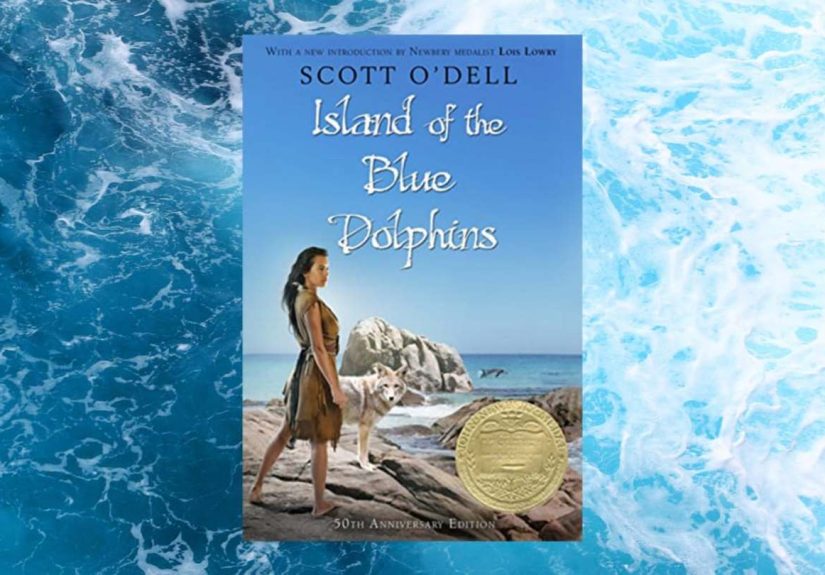
Fact #2: It won the Newbery Medal in 1961 (a big deal in children’s literature).
The Newbery Medal is often treated like the Oscars of American children’s booksexcept with fewer awkward
speeches and more librarians quietly cheering. Island of the Blue Dolphins won the Newbery in 1961,
helping cement it as a long-term classic rather than a one-season hit.
Fact #3: It’s historical fiction inspired by a real woman who lived alone on San Nicolas Island.
The National Park Service describes the novel as historical fiction based on a real Indigenous woman who lived
in isolation on San Nicolas Island for about 18 years. The book is not a documentary (no matter how intense your
fifth-grade book report was), but it’s rooted in a true, haunting story.
Fact #4: The real-life inspiration is often called the “Lone Woman of San Nicolas Island.”
History didn’t preserve her original name. In many historical accounts, she’s known as the Lone Woman of San
Nicolas Island. That missing name is not a minor detailit’s a reminder of how easily Indigenous identity and
language were erased or ignored in written records.
Fact #5: She was left behind in 1835 and was brought to the mainland in 1853.
One of the most consistent parts of the story: in 1835, the remaining Nicoleño people were taken from the island
to the mainland, and she was left behind. Years later, in 1853, George Nideverdescribed in NPS history as a
fisherman and sea otter hunterwas involved in the expedition that found her and brought her to Santa Barbara.
The timeline is stark: nearly two decades of solitude, then a sudden, overwhelming return to a world that had
moved on without her.
Fact #6: She was baptized as “Juana María,” and historical records note her burial on October 19, 1853.
“Juana María” is the name she received through baptism, and mission records document her burial date as
October 19, 1853. It’s one of the few official paper trails connected to her lifepowerful, sad, and very
“history is written by whoever has the paperwork.”
Fact #7: San Nicolas Island is realand it’s far from the mainland.
San Nicolas Island sits off Southern California as part of the Channel Islands chain. It’s remote enough that it
makes “quick rescue mission” sound like a comedy pitch. The National Park Service notes quick facts like its
distance from the mainland and its overall size, which helps explain why living there alone would be equal parts
physically brutal and logistically isolating.
Fact #8: The island is owned by the U.S. Navy and used for testing and training.
San Nicolas Island isn’t a casual tourist stop where you grab a latte and a souvenir dolphin magnet. The National
Park Service notes that the island is owned by the U.S. Navy and serves as a weapons testing and training
facility. That modern reality creates an interesting contrast: a place known in popular imagination for a lone
survivor is also a controlled, restricted military site today.
Fact #9: In the novel, Karana is about 12 when she’s left to survive.
That detail matters because it changes how you read every decision: she’s not an adult with a lifetime of
experienceshe’s a kid forced to become her own shelter-builder, food-finder, and emotional support system.
Modern reviews commonly describe her as around 12 when she’s left on the island, which makes her resourcefulness
feel even more astonishing (and makes your “I can’t make toast” moments feel deeply personal).
Fact #10: The story isn’t just “survival vs. nature”it’s survival with nature.
The book’s emotional engine isn’t only danger; it’s adaptation. Karana learns the island’s rhythms, seasons, and
animals. She builds tools and shelter, but she also reshapes her valuesespecially around hunting, power, and
what it means to share a place with other living creatures. That shift is one reason the novel feels more
reflective than many action-forward survival books.
Fact #11: Dolphins in the title are more symbol than biologyyet dolphins really do thrive off the West Coast.
“Blue dolphins” is not a strict scientific label you’d expect on a field guide page. In the novel, dolphins work
as a symbol of movement, freedom, and the living world surrounding the island. At the same time, dolphins are
absolutely part of the real Pacific ecosystem off CaliforniaNOAA describes common dolphin species as abundant
and widely distributed in temperate waters, including along the West Coast. In other words: the title is poetic,
but the ocean is not pretending.
Fact #12: There was a film adaptation released in 1964.
Yes, this book got the “classic novel becomes classic movie” treatment. A film adaptation titled
Island of the Blue Dolphins was released in 1964. If you ever want to experience the particular
time-capsule vibe of mid-century adventure filmmaking, it’s there waiting for youwith all the retro earnestness
you’d expect.
Fact #13: Scott O’Dell’s name is a pen namesparked by a typesetter’s mistake.
Literary history is full of dramatic origin stories. This one is delightfully mundane: according to the author’s
official site, a typesetter once printed “Scott O’Dell” by mistake, and he liked it enough to keep it. It’s a
reminder that sometimes your brand is one typo away from destiny.
Fact #14: A scholarly “Complete Reader’s Edition” existsand it includes excised chapters and deeper context.
The story has been studied, edited, and revisited over time. The University of California Press describes a
special edition that includes two excised (previously removed) chapters and critical material that adds
archaeological, legal, and historical context. That matters because the novel is widely read, while the real
history behind it is complicatedand sometimes uncomfortable.
Fact #15: The book’s legacy is complicatedin a way that makes it worth discussing, not dismissing.
The novel has introduced generations of readers to the idea of a lone Indigenous survivor on a California island.
That cultural impact is real. At the same time, educators and historians point out that a famous fictional version
can sometimes “stand in” for the real story, flattening complexity and leaving gaps unexamined. If you love the
book, that’s not a problemit’s an invitation: enjoy the story, then explore the history with equal curiosity.
What These Facts Add Up To
Put together, these details explain why the novel still works: it’s a page-turning survival story built on a
historical mystery and a real human lifeone that was documented imperfectly and remembered unevenly. The book is
compelling because it’s not just about “how to live off the land.” It’s about what happens to a person when the
world breaks, then keeps going without themand how they keep going anyway.
And maybe that’s the lasting magic: Karana’s struggle is specific (island, tools, seasons), but the feelings are
universal (loss, fear, pride, change). Few children’s novels trust young readers with that much emotional weight.
O’Dell didand readers have been showing up for it ever since.
Reader Experiences (500+ Words): How This Story Shows Up in Real Life
Reading Island of the Blue Dolphins often becomes an “experience book,” meaning it doesn’t just sit in
your memory like a plot summaryit attaches itself to moments in your life. A lot of people first encounter it
in school, when a teacher says, “You’ll like this one,” and the class collectively decides to doubt them out of
principle. Then a few chapters in, everyone is secretly invested. You don’t have to love every assigned book, but
this one tends to create a quiet, focused kind of readinglike the story makes a little weather system around
your brain.
One common experience is realizing you’re learning “survival skills” without the book turning into a manual.
Karana’s choiceswhere she lives, how she stores food, what she makes firstteach prioritization in a way most
kids don’t encounter until adulthood (usually in the form of rent). Readers often finish the book and suddenly
look at everyday objects differently: a knife becomes a tool with a hundred uses; a blanket becomes shelter; a
backyard becomes “resources” instead of “grass.” It’s not that anyone is planning to move to an islandit’s that
the book trains your imagination to think in systems.
Another experience is emotional: the novel is famous for loneliness, but what hits readers is how loneliness
changes shape. At first it’s panic and grief, then it becomes routine, then it becomes something like a stern
companion. If you’ve ever been the “new kid,” moved away from friends, started over, or sat through a season of
life that felt weirdly quiet, the book can feel strangely familiar. It validates that loneliness isn’t just
sadnessit’s also time, habit, memory, and the need to keep yourself company in a healthy way.
People also talk about the “animal relationship” experienceespecially the complicated shift from fear to
respect. Many readers remember the wild dogs storyline as the moment the book becomes more than adventure. It
suggests that survival isn’t always about defeating an enemy; sometimes it’s about understanding behavior,
negotiating boundaries, and deciding what kind of person you want to be when no one is watching. That’s a huge
idea to hand to a middle-grade readerand it’s part of why the book can feel quietly formative.
For some readers, the experience becomes geographic. If you’ve ever visited the Southern California coast,
watched dolphins from shore, or seen the Channel Islands on the horizon like little blue shadows, the story
suddenly gains physical texture. The wind doesn’t feel like a background detailit feels like a character.
The ocean stops being “pretty” and becomes “powerful.” Even if you never set foot on an island, the book can
sharpen your attention to nature in your own area: you notice tides, seasons, birds, and the way landscapes
quietly provide (and quietly demand respect).
Finally, a very adult reader experience: revisiting the novel later and realizing the history matters more than
you understood as a kid. Many people return to the book and start asking different questions: Who was the Lone
Woman really? What details were lost, and why? What does it mean that we know her by a name given at a mission?
This doesn’t ruin the bookit deepens it. It turns a beloved story into a gateway: to Indigenous histories, to
how records are kept, and to the uncomfortable truth that some lives were only partially preserved by the people
who wrote things down.
In short: the “experience” of Island of the Blue Dolphins is often a two-stage process. First you read
it for the plot and the survival. Later, you remember it for the questions it left behindand the way it taught
you that endurance is both physical and moral. Not bad for a book that, on the surface, is about one person and
one island. Turns out it’s also about what we carry with us when the shore disappears.
Conclusion
If you came here for quick trivia, you got it. If you came here to remember why this book stuck around in your
head for years, you got that too. Island of the Blue Dolphins has survived in American reading culture
because it combines a gripping story with real historical rootsand because it respects young readers enough to
show them resilience without sugarcoating reality.
And if you’re tempted to reread it now… well. Consider this your friendly reminder that “just one chapter”
is a lie we tell ourselves. A beautiful, optimistic lie.