Table of Contents >> Show >> Hide
- Table of Contents
- The 60-Second “Keto Chinese” Rulebook
- The 15 Keto-Friendly Chinese Foods
- 1) Egg Foo Young (Skip the Gravy)
- 2) Moo Shu Pork (or Chicken) Without the Pancakes
- 3) Beef & Broccoli (Light Sauce, Extra Broccoli)
- 4) Kung Pao Chicken (Ask for “No Sugar, Easy Sauce”)
- 5) Mapo Tofu (If You Can Control the Starch)
- 6) Salt & Pepper Shrimp (or Squid) “No Batter”
- 7) Cantonese-Style Steamed Fish (Ginger & Scallion)
- 8) Steamed or Boiled Seafood with Dipping Sauce
- 9) Chinese Hot Pot (The Ultimate Keto Playground)
- 10) Stir-Fried Bok Choy (or Chinese Greens) with Garlic
- 11) Mushrooms & Snow Peas (Ask for Minimal Sauce)
- 12) Dry-Fried Green Beans (Proceed with “No Sugar”)
- 13) Egg Drop Soup (Only If It’s Not Thickened)
- 14) Hot and Sour Soup (Same Rule: Watch the Cornstarch)
- 15) Roast Duck (or Crispy Pork Belly) Without Sweet Sauces
- Sauces & Ingredients: Keto-Safe vs. Keto-Tricky
- Ordering Scripts (So You Don’t Sound Like a Robot)
- Real-World Experiences: What Actually Works (500+ Words)
- Conclusion
Keto and Chinese food have a complicated relationship. You love the ginger-garlic perfume, the sizzling wok drama, the “just one more bite” crunch… and then rice shows up like the uninvited plus-one who refuses to leave. The good news: you can absolutely enjoy keto-friendly Chinese foodsyou just need to dodge the sneaky carbs (hello, cornstarch-thickened sauces) and order like a friendly, strategic ninja.
This guide breaks down 15 low-carb Chinese food options that work on keto, plus exactly how to order them, what to watch for, and the small tweaks that make a big difference. No joyless “plain chicken and sadness” required.
The 60-Second “Keto Chinese” Rulebook
- Lead with protein + non-starchy veggies: beef, pork, chicken, shrimp, tofu, bok choy, broccoli, mushrooms.
- Beware glossy sauces: the shine is often from starch (and sometimes sugar). Ask for “light sauce” or “sauce on the side.”
- Skip the starch trio: rice, noodles, dumpling wrappers (and their close cousin, “crispy” anything dusted in starch).
- Steamed is your best friend: steamed fish/seafood and simple veggie sides are naturally low carb.
- When in doubt, go dry: salt-and-pepper style, garlic stir-fry, or simple soy-based seasoning.
The 15 Keto-Friendly Chinese Foods
Each pick below is either naturally low carb or easily made low carb with a small tweakbecause keto isn’t about never enjoying food. It’s about making the carbs do a different hobby.
1) Egg Foo Young (Skip the Gravy)
Think of egg foo young as a fluffy omelet that studied abroad in a Chinese kitchen. It’s typically eggs plus meat and veggies. Keto move: request no gravy (or gravy on the side). Watch-outs: the gravy is often thickened with starch.
2) Moo Shu Pork (or Chicken) Without the Pancakes
Moo shu is a savory stir-fryoften pork, egg, cabbage, mushrooms. The carbs usually come from the thin pancakes and sweet sauces. Keto move: ditch the pancakes, wrap in lettuce or eat it bowl-style. Go easy on hoisin.
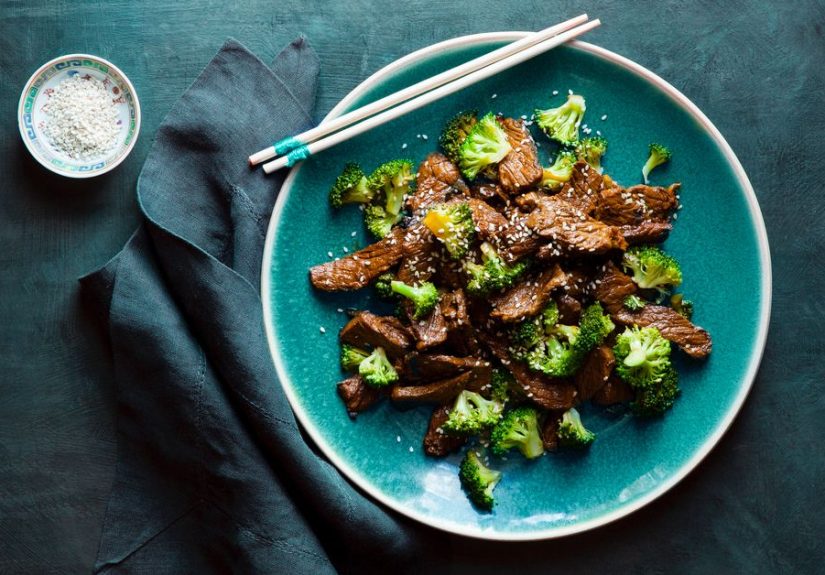
3) Beef & Broccoli (Light Sauce, Extra Broccoli)
A classic for a reason: beef + broccoli is a solid keto base. The issue is the brown sauce. Keto move: ask for light sauce or sauce on the side; request no added sugar if possible. Watch-outs: cornstarch thickener can spike carbs fast.
4) Kung Pao Chicken (Ask for “No Sugar, Easy Sauce”)
Kung pao is bold, spicy, and usually includes peanuts and veggiesgreat keto building blocks. Keto move: ask for easy sauce and skip any added sugar; consider sauce on the side. Watch-outs: some versions are sweetened and thickened.
5) Mapo Tofu (If You Can Control the Starch)
Tofu plus spicy, savory meat sauce can be keto-friendlyespecially if it’s not turned into a cornstarch lagoon. Keto move: request minimal thickener; prioritize tofu + ground pork/Beef. Watch-outs: sugary doubanjiang blends and starch slurry.
6) Salt & Pepper Shrimp (or Squid) “No Batter”
Salt-and-pepper style is often lighter than saucy entréesif it isn’t heavily breaded. Keto move: ask for no batter (or “light coating”). Pair with sautéed greens. Watch-outs: deep-fried versions can hide a starch coating.
7) Cantonese-Style Steamed Fish (Ginger & Scallion)
This is peak keto Chinese comfort: delicate fish, ginger, scallion, soy, hot oil. Minimal carbs, maximum elegance. Keto move: request no sugar in the seasoning (some recipes use a pinch). Watch-outs: sweetened soy mixesrare, but worth asking.
8) Steamed or Boiled Seafood with Dipping Sauce
Shrimp, crab, scallopssimple cooking methods keep carbs close to zero. Keto move: dip in soy sauce, chili oil, or black vinegar (go easy if sweetened). Watch-outs: sticky “glazes” and sweet chili dips.
9) Chinese Hot Pot (The Ultimate Keto Playground)
Hot pot is choose-your-own-adventure, and keto is one of the best storylines. Load up on thin-sliced meats, tofu, mushrooms, leafy greens. Keto move: skip noodles, dumplings, and sweet dipping sauces. Watch-outs: some soup bases and dips contain sugar.
10) Stir-Fried Bok Choy (or Chinese Greens) with Garlic
Simple, fast, and shockingly satisfying. Garlic greens are a “why don’t I order this every time?” side. Keto move: ask for garlic sauce without sugar; keep it glossy, not gluey. Watch-outs: pre-mixed sauces sometimes include starch.
11) Mushrooms & Snow Peas (Ask for Minimal Sauce)
Light veggie stir-fries can be keto-friendly when the sauce is restrained. Keto move: “extra mushrooms, light sauce.” Consider adding a protein (chicken or shrimp). Watch-outs: snow peas are fine in moderation; the bigger risk is thick sauce.
12) Dry-Fried Green Beans (Proceed with “No Sugar”)
Smoky, blistered green beans with aromatics can fit keto nicely. Keto move: request no sugar and keep any sweetened mince minimal. Watch-outs: some restaurants add sugar for balance.
13) Egg Drop Soup (Only If It’s Not Thickened)
Egg drop soup can be a keto winbroth + eggs + seasoningunless it’s thickened with cornstarch. Keto move: ask if it’s thickened; if yes, skip or request a thinner version. Watch-outs: those silky ribbons sometimes come with starchy help.
14) Hot and Sour Soup (Same Rule: Watch the Cornstarch)
Hot and sour soup is flavorful and filling, but many recipes use cornstarch slurry. Keto move: choose versions that are lighter-bodied or ask if it’s thickened. Watch-outs: starch + added sugar in some restaurant bases.
15) Roast Duck (or Crispy Pork Belly) Without Sweet Sauces
Roast duck and pork belly are naturally keto-friendly starsfat + protein, minimal carbs. Keto move: skip hoisin, sweet plum sauce, and buns; pair with sautéed greens or cucumber salad. Watch-outs: barbecue-style glazes can include sugar.
Sauces & Ingredients: Keto-Safe vs. Keto-Tricky
Chinese food carbs often come from sauces, not the meat or vegetables. Restaurants commonly use starch to thicken and help sauce cling. Translation: the sauce is doing a fantastic job… and keto is quietly backing away.
Keto-friendlier choices (in normal amounts)
- Soy sauce / tamari: generally very low carb per tablespoon and brings big umami.
- Chili oil, chili crisp (check labels): great flavor, but watch added sugar in some brands.
- Black vinegar: tangy and bold; verify it’s not sweetened.
- Sesame oil: a finishing oiluse a little, enjoy a lot.
Common keto traps
- Hoisin, sweet & sour, General Tso-style sauces: often sugar-forward and thickened.
- “Brown sauce” mystery blend: frequently contains starch and sometimes sugar.
- Velveting & thickening with cornstarch: common technique; delicious texture, hidden carbs.
If you want the flavor without the sugar-bomb effect, many keto cooks make copycat sauces using soy sauce, vinegar, sesame oil, garlic, chili, and keto sweeteners when neededso you can keep the vibe without the carb bill.
Ordering Scripts (So You Don’t Sound Like a Robot)
You don’t need a 12-minute speech about ketosis. A couple of friendly, specific requests usually work:
- For stir-fries: “Could I get that with light sauce and no added sugar if possible? Sauce on the side is great too.”
- For soups: “Is it thickened with cornstarch? If yes, I’ll passor can it be made without thickener?”
- For moo shu: “No pancakes, please. Could I get extra cabbage and eat it as a bowl?”
- For salt-and-pepper dishes: “No batter if possiblejust the seasoning.”
Bonus tip: order an extra side of Chinese greens (bok choy, gai lan, spinach) and use it as your “bed” instead of rice. Your plate still looks abundantbecause it is.
Real-World Experiences: What Actually Works (500+ Words)
People who stick with keto long-term often share the same surprising truth: the hardest part isn’t “finding keto Chinese food.” It’s communicating your order and managing the sauce situation without turning dinner into a courtroom drama. Here are patterns that show up again and again in real life, plus how to make them work in your favor.
First, the “I’ll just pick around the rice” strategy sounds clever… until you realize most of the carbs were never in the rice. They were in the glossy sauce that looked innocent, tasted amazing, and was thickened to cling like it had attachment issues. A lot of keto eaters end up with the same habit: ordering sauce on the side as a default. It’s not about eating dry food; it’s about controlling the dose. Dip your fork, drizzle lightly, and you keep the flavor while staying within your carb target.
Second, many people discover that steamed dishes are the “quiet heroes” of Chinese menus. Steamed fish, steamed shrimp, steamed vegetablesthese don’t need much modification, and they’re consistently satisfying. When your entrée is basically protein + aromatics, you stop negotiating with hidden ingredients. If you miss that rich restaurant taste, add your own hits: a little soy sauce, a spoon of chili oil, a squeeze of lime, or black vinegar. Suddenly it’s not “diet food,” it’s “chef energy.”
Third, there’s the social side. Keto veterans often keep a simple script ready so they don’t freeze at the counter. Something like: “No rice, pleaseextra vegetables instead. Light sauce or sauce on the side.” Short, polite, repeatable. The goal is to sound like someone with preferences, not someone asking the kitchen to rewrite the Constitution.
Fourth, cravings are real, and Chinese food cravings tend to be about texture as much as taste: crispy edges, silky eggs, juicy meat, crunchy veggies. That’s why egg foo young, salt-and-pepper shrimp (light coating), and hot pot feel so “successful” on keto. They hit that sensory checklist. A common trick is creating a rice substitute momentcauliflower rice at home, or extra greens at restaurantsso you still get the “pile of food” satisfaction.
Finally, people who do best over time usually stop chasing perfection and start chasing consistency. If your local spot can’t do “no sugar,” order the simplest thing (steamed seafood, greens, roast meats) and enjoy it. If it’s a special night and you know the sauce will be higher carb, shrink the portion, prioritize protein, and balance the rest of the day. Keto isn’t fragile. Your plan is allowed to be practical.
Conclusion
The best keto-friendly Chinese foods are the ones built around real ingredients: eggs, meat, seafood, tofu, and non-starchy vegetableswhile you keep sauces and starches on a short leash. With a few smart swaps (no rice, no noodles, sauce on the side), you can order Chinese takeout on keto and still feel like you’re eating something funnot something you’re “stuck with.”