Table of Contents >> Show >> Hide
- 1) Moneyball (2011): The “Wham!” Golf Cart Glow-Up
- 2) Star Trek Into Darkness (2013): “Neutron Cream” Safety Theater
- 3) The Hunger Games (2012): The Trailer “Surprise”
- 4) Parks and Recreation (2009–2015): The “Extra Real” Reaction
- 5) Ocean’s Eleven (2001): The Hotel Door “Decorating”
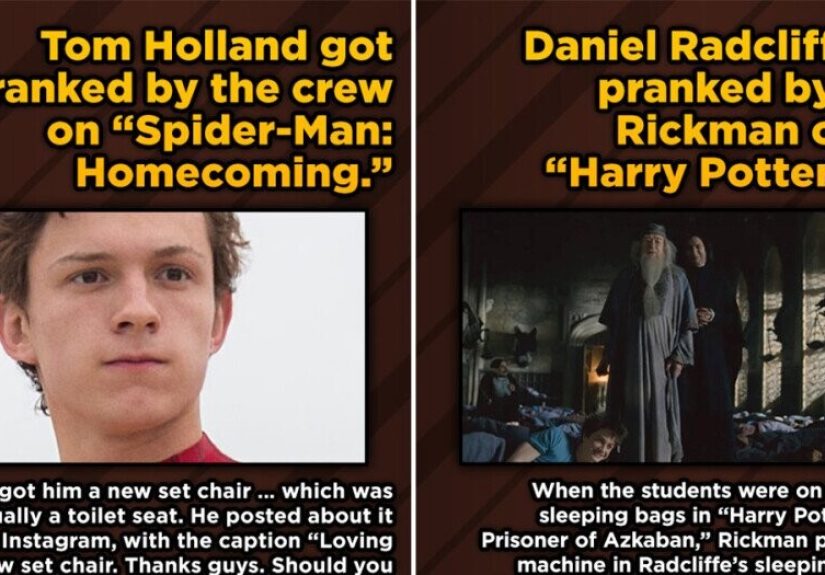
- 6) Harry Potter and the Prisoner of Azkaban (2004): The Infamous Sound-Effect Setup
- 7) The Lord of the Rings (2001–2003): The Fake Script Twist
- 8) Larry Crowne (2011): The Wholesome “Knitting Convention”
- 9) The Wolf of Wall Street (2013): The “One More Take” Food Trap
- 10) True Blood (2008–2014): The Ladybug Car Bomb
- 11) Ocean’s Twelve (2004): The Fake Memo & the Petty Revenge
- 12) The Hunger Games: Mockingjay – Part 1 (2014): The Fancy Box Fake-Out
- 13) The Ides of March (2011): The “Serious Talk” Misdirection
- 14) The Monuments Men (2014): The Wardrobe “Conspiracy”
- 15) Where the Wild Things Are (2009): The Disappearing Scooter Mystery
- How to Appreciate On-Set Pranks Without Turning Into the Villain
- Conclusion
Movie sets look glamorous from the outside: dramatic lighting, perfect hair, and a craft-services table that somehow makes a turkey sandwich feel like an Oscar nominee. But behind the camera, it’s also a workplacelong hours, repeating the same moment fifty times, and trying to stay focused while someone nearby whispers, “Just one more take,” like it’s a bedtime story.
That’s why pranks thrive on sets. A well-timed joke can break tension, reset the mood, and remind everyone that the goal is to make something great without losing your mind in the process. Of course, there’s a fine line between “legendary prank” and “please never speak to me again.” The best ones are harmless, temporary, and tailored to the personalities involvedmore comedy, less chaos.
Below are 15 movies and shows with famously ridiculous on-set prankssome sweet, some sneaky, and some so elaborate you’ll wonder if the prankster should’ve been hired as a producer. Along the way, you’ll also see what these hijinks reveal about cast chemistry, set culture, and why laughter is basically a production essential.
1) Moneyball (2011): The “Wham!” Golf Cart Glow-Up
When you’re filming a serious sports drama, the last thing you expect is a pop-music shrine on wheels. Yet that’s exactly what happened when a prank turned a golf cart into a rolling tribute to ’80s popcomplete with signage and themed flair.
Why it worked
It was absurd, visible, and impossible to ignorelike a marching band in a library. Even better, it didn’t derail filming; it just made the downtime funnier and gave everyone a shared “Did you see that?” moment.
2) Star Trek Into Darkness (2013): “Neutron Cream” Safety Theater
Nothing sells a prank like a confident explanation and a straight face. On this set, a fake “safety requirement” convinced multiple cast members they needed to apply a special protective cream before entering a high-tech-looking room.
Why it worked
It exploited the most universal human instinct on a set: “If the crew says it’s required, I will do it and ask questions later.” The prank wasn’t meanit was just a reminder that jargon plus authority can be extremely persuasive.
3) The Hunger Games (2012): The Trailer “Surprise”
Some pranks are basically jump scares with better props. In this case, a realistic dummy was staged in a private space to startle an unsuspecting castmate returning to their trailer.
Why it worked
It was quick, contained, and relied on pure surpriseno complicated setup required. The lesson is simple: if your prank takes longer to explain than it does to execute, it’s probably not set-friendly.
4) Parks and Recreation (2009–2015): The “Extra Real” Reaction
Comedy shows depend on genuine reactions, and sometimes cast members get… ambitious about authenticity. In one well-known behind-the-scenes story, an actor took a moment that was already meant to be shocking and made it even more surprising for a scene partner.
Why it worked (and why it’s controversial)
Yes, it got a real reactionbut it’s also a perfect example of why modern sets prioritize boundaries and clear consent. The funniest sets aren’t the wildest; they’re the ones where everyone feels safe enough to actually be playful.
5) Ocean’s Eleven (2001): The Hotel Door “Decorating”
If there were a Hall of Fame for A-list pranksters, this cast would have a wingpossibly financed by mischievous laughter. One classic stunt involved “decorating” a co-star’s hotel door in a way that was messy, visible, and instantly attention-grabbing.
Why it worked
It was cartoonish rather than cruel. Nobody’s day was ruined; it just created a moment of “Seriously?” that could only happen when a group is comfortable enough to tease each other.
6) Harry Potter and the Prisoner of Azkaban (2004): The Infamous Sound-Effect Setup
There are pranks, and then there are pranks that become part of movie-set folklore. One famous story from this production involved a hidden sound-effect device placed for maximum embarrassment during a large group scene.
Why it worked
It was juvenile. It was perfectly timed. And it reminds us that even the most prestigious, magical-looking productions are still full of people who occasionally find “bathroom humor” unbeatable.
7) The Lord of the Rings (2001–2003): The Fake Script Twist
When a production is huge, the pranks can get creative. One prank reportedly involved handing actors a revised script page that included an awkwardly intimate (and entirely fake) scene directionmeant to make them do a double take.
Why it worked
It hit the sweet spot of believable-but-weird. Big franchises have lots of moving parts, so a “new page” can feel plausible for just long enough to trigger panic… and then laughter.
8) Larry Crowne (2011): The Wholesome “Knitting Convention”
Not every prank needs a jump scare. Sometimes the best ones are oddly charming. Here, the entire crew joined in on a surprise themed around a co-star’s hobby, turning a regular day on set into a coordinated sight gag.
Why it worked
It was affectionate, not adversarial. The target wasn’t being mocked; they were being celebratedjust in the funniest possible way, with dozens of people committing to the bit.
9) The Wolf of Wall Street (2013): The “One More Take” Food Trap
On paper, it’s nothing: a dinner scene, a bite of food, a line of dialogue. In practice, repeating that moment over and over can become its own kind of prankespecially if one actor keeps forcing extra takes.
Why it worked
It weaponized filmmaking itself. The prank wasn’t a prop; it was the process. It’s also a cautionary tale: if your prank creates real misery, it stops being funny fast.
10) True Blood (2008–2014): The Ladybug Car Bomb
Some pranksters don’t do subtle. A particularly memorable stunt involved filling a crew member’s car with a ridiculous number of tiny passengersharmless, but guaranteed to cause an unforgettable reaction.
Why it worked
It was inconvenient in a way that makes a great story later, without being dangerous. That’s the ideal prank equation: maximum “What just happened?” with minimal lasting damage.
11) Ocean’s Twelve (2004): The Fake Memo & the Petty Revenge
This is what happens when professional pranksters find each other in the wild. One star reportedly sent out a joke “memo” about how everyone should treat another star on setleading to confusion, rumors, and eventually a revenge prank involving his car.
Why it worked
It was a prank chess match: move, counter-move, and escalationwithout ever needing a pie to the face. The funniest part is how believable it was to outsiders, which says a lot about celebrity culture.
12) The Hunger Games: Mockingjay – Part 1 (2014): The Fancy Box Fake-Out
Few things trigger instant excitement like a luxury gift box. That’s what made this prank so effective: the setup screamed “thoughtful present,” but the contents were… dramatically less glamorous.
Why it worked
It played with expectation. The emotional whiplash from “Oh wow!” to “Oh no!” is comedy goldas long as it stays contained and doesn’t create a real problem for the person pranked.
13) The Ides of March (2011): The “Serious Talk” Misdirection
Some pranks are all about stealth. During an apparently serious conversation, one actor quietly did something that only became obvious after the moment endedleaving the other person confused about what just happened.
Why it worked
Because it was subtle and social: it turned a normal interaction into a delayed punchline. That’s a rare prank that doesn’t interrupt the workflowit just quietly plants a future laugh.
14) The Monuments Men (2014): The Wardrobe “Conspiracy”
Here’s a prank with the patience of a chess grandmaster. Over time, wardrobe adjustments were made so gradually that the target started doubting reality: “Am I changing… or is my outfit changing?”
Why it worked
It was long-form storytelling disguised as tailoring. The prank’s power wasn’t the revealit was watching the target slowly spiral into confusion, which is basically an entire sitcom plot in real life.
15) Where the Wild Things Are (2009): The Disappearing Scooter Mystery
Directors get pranked toosometimes by the entire cast and crew. In one legendary story, the team pulled off a “how is that even possible?” move by relocating a director’s scooter to an absurd location.
Why it worked
It was collaborative, goofy, and required teamworkironically mirroring what filmmaking is supposed to be. The prank itself became a morale booster: everyone was in on the joke, which made it feel like a mini celebration.
How to Appreciate On-Set Pranks Without Turning Into the Villain
It’s tempting to hear these stories and think, “Hollywood sets sound like summer camp with better lighting.” But the best prank cultures usually share a few ruleseven when nobody writes them down.
Rule #1: Punch up, not down
The funniest pranks target people who can laugh back (or prank back). If the joke relies on embarrassment, stress, or someone feeling cornered, it’s not comedyit’s a morale leak.
Rule #2: Keep it reversible
A great prank leaves behind a story, not a mess that takes an assistant three hours to fix. Temporary confusion is funny. Permanent consequences are… less funny.
Rule #3: Timing beats intensity
Most of these pranks are memorable because they’re perfectly timed, not because they’re extreme. A tiny moment at the right time can be funnier than something complicated that hijacks the day.
Rule #4: The set still has a job to do
Filmmaking is expensive and tightly scheduled. If a prank threatens safety, delays, or someone’s ability to do their work, it stops being a “prank” and becomes a production problem.
Conclusion
On-set pranks are basically the behind-the-scenes version of bloopers: proof that even the biggest productions are built by real people trying to stay sane through long days and intense pressure. When the prank is playful, contained, and rooted in genuine camaraderie, it becomes part of a production’s mythologysomething cast members laugh about years later, and fans quote like it’s bonus lore.
And honestly? That’s the charm. The same crew that can build a fantasy world, stage a high-stakes political drama, or deliver a perfectly timed punchline also finds joy in silly surprises. It’s a reminder that great screen chemistry often starts with off-screen trustand a shared sense of humor.
Experience: Why These Prank Stories Stick With Us ()
If you’ve ever watched a gag reel and found yourself laughing harder than you did during the actual movie, you already understand the appeal of on-set prank stories. They feel like secret doors into a world that’s normally polished and controlled. The final cut is all precisionlighting cues, rehearsed dialogue, and edits that remove every awkward pause. Pranks do the opposite: they reveal the messy, human side of making something “perfect.”
There’s also a weird comfort in realizing that a set runs on the same social fuel as a classroom, a sports team, or a group project. People get tired. Tension builds. Someone cracks a joke at exactly the right time, and suddenly the whole group can breathe again. That’s why many of the best pranks aren’t even “big.” They’re small, specific, and personallike turning a golf cart into a ridiculous pop-music shrine or convincing someone a made-up safety product is required. The humor isn’t just the prank; it’s the recognition: “We’re all in this together.”
Prank stories also give fans a different kind of relationship with a movie or show. When you hear that a cast was genuinely laughing between takes, it changes how you watch the final scene. The moment becomes layered: yes, the character is serious, but behind the camera, the actor might still be recovering from the world’s dumbest practical joke. It adds texture without ruining the storylike knowing there’s a friendly, chaotic workshop behind the museum exhibit.
At the same time, modern audiences are a lot more aware of boundaries, and that’s a good thing. Some older stories land differently now because we’ve gotten better at recognizing that surprise isn’t always fun for everyone. The prank culture that ages well is the kind built on trust, consent, and a shared sense of “We’re laughing with you, not at you.” You can feel that difference in how people tell the story years later. If they’re smiling when they remember it, it was probably a good one. If they seem tense or defensive, it probably wasn’t.
And maybe that’s why these stories keep circulating: they’re not just trivia. They’re tiny case studies in teamwork. Every prank involves reading the room, understanding relationships, and knowing when to stop. The best pranksters, ironically, tend to be great collaboratorsbecause a prank only works when you understand your audience. In that way, prank tales are less about chaos and more about chemistry: the kind of comfort that lets people be silly in a high-pressure environment, then snap right back into professionalism when the camera rolls.
So the next time you hear about a prank war on a set, think of it as a behind-the-scenes signal flare. It’s telling you something about the culture: the cast felt connected, the crew had enough trust to play, and someone cared enough to make the day lighter. In a business where everything is timed, scheduled, and expensive, laughter is one of the few things you can’t manufacture in post.