Table of Contents >> Show >> Hide
- What Is the 20-Inch AGA Classic Induction Module Series?
- Design: Why This Module Looks So Distinctive
- Cooking Features That Actually Matter
- How the AGA Module Fits Into a Real Kitchen
- Performance Strengths
- Limitations You Should Know Before Falling in Love
- Who Should Buy the 20-Inch AGA Classic Induction Module Series?
- Is It Still Worth Considering Today?
- Experience: What Living With the 20-Inch AGA Classic Induction Module Series Feels Like
- Final Thoughts
- SEO Tags
If luxury ranges had a secret sidekick, the 20-Inch AGA Classic Induction Module Series would be it. It is not the loudest appliance in the room, and it definitely is not the cheapest. What it does offer is something more interesting: a compact, beautifully styled add-on cooking module that blends classic AGA charm with modern induction convenience. In other words, it is the kitchen equivalent of wearing a vintage wool coat while carrying the latest smartphone. Old-world swagger, new-school brains.
For homeowners who already love the look and culture of an AGA kitchen, this model sits in a very specific and very appealing lane. It is designed to expand cooking capacity without shouting for attention. You get a single-zone induction top, a simmering oven, and a warming oven in a footprint that is far more restrained than a full-size range. That makes it a conversation starter, a functional helper, and, let’s be honest, a little bit of a flex.
What Is the 20-Inch AGA Classic Induction Module Series?
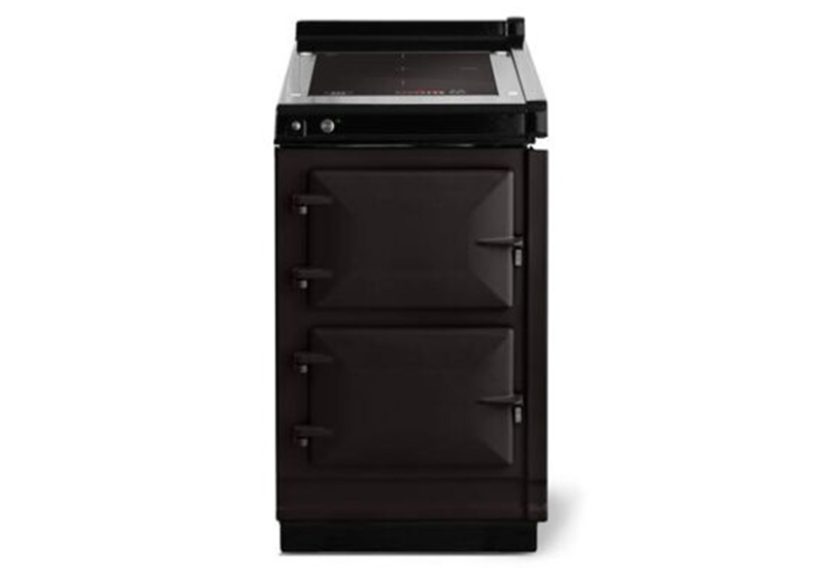
The 20-inch AGA Classic Induction Module Series is best understood as a hotcupboard induction module rather than a standard standalone range. In AGA’s product language, it is an integrated companion piece created to expand cooking space alongside compatible 3-oven AGA Classic configurations. That matters because this product is not really trying to compete with typical 30-inch induction ranges from mainstream brands. It is playing a different game.
Its job is simple but clever: give you one more place to cook fast, plus extra oven space for slow cooking and staging. The induction top handles direct heat tasks like boiling, reheating, sauce work, and last-minute pan cooking. The upper simmering oven is built for gentle, longer cooking. The lower warming oven keeps food or plates warm so service feels smoother and less chaotic. On busy holidays, that combination can feel less like a luxury and more like a rescue operation.
Nominally, the unit falls into the 20-inch category, with published dimensions around 36 inches high, 19 1/8 inches wide, and 27 1/2 inches deep. That footprint makes it compact by premium-range standards, but do not mistake compact for light-duty. This is still an AGA product, which means substantial materials, serious visual presence, and installation planning that should not be improvised five minutes before delivery.
Design: Why This Module Looks So Distinctive
One reason people search for the 20-Inch AGA Classic Induction Module Series is simple: it looks fantastic. AGA has long leaned into cast iron, enamel finishes, and a traditional form that feels more furniture-like than appliance-like. This module carries that same DNA. It features cast-iron styling at the doors and front, a polished, integrated look, and the kind of silhouette that makes modern stainless boxes seem a little emotionally unavailable.
The finish options are also part of the appeal. AGA is known for rich vitreous enamel colors that turn cooking equipment into a design statement. Instead of settling for “stainless,” “also stainless,” or “slightly darker stainless,” buyers get access to a more expressive palette. That makes this module attractive for kitchens where color, texture, and visual continuity matter just as much as burner output.
And that is really the point. This is not an anonymous appliance meant to disappear into the background. It is supposed to look intentional. It is supposed to feel curated. If your dream kitchen mood board includes words like heritage, tailored, and please don’t ruin this with builder-grade knobs, this module is speaking your language.
Cooking Features That Actually Matter
The single-zone induction top
The induction surface is where this classic-looking module shows its modern side. Unlike gas, induction transfers energy directly to compatible cookware, which means fast response, cleaner operation, and less wasted heat drifting into the room. For people who want more control over boiling, simmering, and small-pan precision work, induction is a strong fit.
The cooktop uses touch controls and supports multiple power settings, including a boost function. It also includes practical features like a timer, pause function, residual-heat indicator, and child lock. That combination makes it feel a lot more current than the old-school exterior might suggest. It is a smart mix: visually traditional, functionally contemporary.
There is also a learning curve, though it is not a deal-breaker. Induction requires cookware with ferrous, magnetic bases. Stainless steel with the right construction, enameled steel, and many cast-iron pans work well. Pure aluminum, copper, and some nonmagnetic pans will not. So if your favorite skillet is glamorous but magnet-proof, the module will not be impressed.
The simmering oven
The upper simmering oven is one of the more compelling reasons this module exists. It is built for gentle, patient cooking rather than aggressive high-heat theatrics. Think braises, stews, overnight dishes, fruit cakes, slow-roasted meats, and recipes that benefit from steady, forgiving warmth. In a kitchen full of appliances that promise speed, this oven quietly argues for better timing instead.
That makes it especially useful for cooks who entertain. You can finish one component on the induction top while another dish rests or cooks slowly above. Instead of juggling every pan on a single range, the kitchen starts to feel like it has breathing room.
The warming oven
The lower warming oven sounds humble, but humble appliances often end up being the real heroes. A warming oven is perfect for holding side dishes, warming plates, keeping breads pleasant, or parking dessert until dinner wraps. It is the difference between “everything is ready now, panic please” and “everything is under control, let’s pretend we planned it this way.”
That lower oven also adds value for households that cook in stages. Maybe one person eats early, another comes home late, or dinner gets interrupted by real life. A warming oven helps meals stay civilized.
How the AGA Module Fits Into a Real Kitchen
This is not a one-size-fits-all appliance. The AGA Classic 20-inch induction module is best for a buyer who already understands the AGA ecosystem or is intentionally designing around it. It shines in kitchens where the owner wants the look of a unified AGA setup and values layered cooking zones more than conventional mass-market convenience features.
That means it works especially well in luxury renovations, traditional kitchens, country-house-inspired spaces, and high-end homes where aesthetics matter just as much as mechanics. The compact width is helpful, but the purpose is not merely saving space. The purpose is increasing capability while preserving the iconic AGA look.
Retailers often classify it in broad categories like “freestanding electric range,” but functionally it makes more sense to think of it as a specialty companion module. If you are expecting the all-purpose flexibility of a standard induction range with four or five cooking zones, a large convection oven, self-cleaning, and plug-and-play familiarity, this is not that. This module is more specialized, more design-driven, and more niche.
Performance Strengths
The biggest strength of the 20-Inch AGA Classic Induction Module Series is balance. It brings together three useful cooking roles in a surprisingly contained footprint:
- fast induction surface cooking,
- gentle simmering oven cooking,
- and practical warming capacity.
That blend is rare. Most compact cooking products force you to choose between style and flexibility. AGA tries to give you both. The induction top is quick and responsive. The ovens are supportive rather than flashy. The cast-iron look gives the unit authority in the room. And the integrated aesthetic can make the full cooking zone feel more intentional and architectural.
Another strength is user flow. In a busy kitchen, being able to stage food matters. You can keep soup warm below, finish a pan sauce up top, and let a braise coast in the simmering oven. That reduces the stove-top traffic jam that happens when too many dishes are fighting for the same real estate at the same time.
Limitations You Should Know Before Falling in Love
Now for the part nobody puts on the glamorous kitchen Pinterest board: this module is not for everybody.
First, it is expensive. Even when retailer listings vary, it clearly sits in premium territory. You are paying for design, brand positioning, materials, and niche configuration as much as raw cooking output. That is not automatically bad, but it does mean value depends heavily on how much you care about the AGA experience.
Second, the induction top is a single zone. That is excellent for precision work and overflow cooking, but it is still just one active surface. If your cooking style involves three sauté pans, a pasta pot, and a saucepan all in motion at once, you will still depend on your main range.
Third, availability appears uneven. Some U.S. sellers still show the module or related finishes as orderable, while others clearly label the item discontinued. For shoppers, that means due diligence is not optional. You need to verify lead times, finish availability, replacement parts support, and compatibility with your existing or planned AGA setup before opening your wallet like it is auditioning for a luxury-appliance commercial.
Fourth, this is not a casual electrical purchase. Premium induction equipment typically requires proper planning, and retailer listings indicate 240-volt, 40-amp requirements. Translation: this is a contractor conversation, not an extension-cord fantasy.
Who Should Buy the 20-Inch AGA Classic Induction Module Series?
This module makes the most sense for a buyer who checks several of these boxes:
- already owns or plans to install a compatible 3-oven AGA Classic setup,
- wants extra cooking and warming capacity without adding a full second range,
- loves traditional luxury styling and color-rich enamel finishes,
- prefers induction for speed, safety, and cleaner day-to-day operation,
- and is willing to pay for a niche premium product.
It makes less sense for someone simply shopping for the “best induction range” in a general market sense. If that is your goal, there are more conventional 30-inch models with more burners, more oven tech, and wider service support. But if your goal is building or extending an AGA kitchen with a distinctive companion module, this product occupies a very special corner of the market.
Is It Still Worth Considering Today?
Yes, but with context. The product remains interesting because its concept is still smart. A compact luxury induction module with warming and simmering capacity is not outdated. In fact, as more cooks appreciate induction for control, efficiency, and cleaner air compared with gas, the idea feels more relevant than ever.
What has changed is the shopping experience. Because current U.S. listings appear inconsistent, buyers should approach this model like a specialty purchase rather than a commodity appliance. Confirm the exact model number, finish, lead time, installation needs, and current support status. Ask direct questions. Get written answers. Do not let the enamel color hypnotize you into skipping the practical stuff.
If the unit is available through a trusted dealer and fits your AGA plan, it can still be a compelling addition. If not, it may serve as inspiration for a broader AGA configuration or a prompt to explore other induction-capable luxury cooking solutions.
Experience: What Living With the 20-Inch AGA Classic Induction Module Series Feels Like
Living with the 20-Inch AGA Classic Induction Module Series would likely feel less like owning a standard appliance and more like gaining a new rhythm in the kitchen. That is really the charm of it. This module is not about brute force or flashy specs. It is about making everyday cooking feel smoother, more organized, and a little more elegant.
Picture a typical weekday evening. A pot of rice or soup comes together on the induction top while a slow-cooked chicken dish rests in the simmering oven. The lower warming oven keeps plates ready and dinner stable while family members drift in at slightly different times. Nothing has to be rushed, and nothing has to get cold just because somebody answered a phone call or got stuck in traffic. That quiet control is the kind of luxury that matters more after purchase than it does in a showroom.
On weekends, the module becomes even more useful. The induction surface is ideal for quick breakfast jobs like oatmeal, scrambled eggs, heating milk, or finishing a fruit compote while the rest of the kitchen stays orderly. Because induction responds fast, it feels less sluggish than old electric cooking. There is less waiting around, less excess heat, and less of that “why is this burner still hotter than the surface of the sun?” frustration. It brings precision to a kitchen style that is otherwise rooted in heritage and tradition.
Holiday cooking is where this kind of module can really earn applause. The main range handles the headline dishes, while the AGA induction hotcupboard works the supporting cast. Gravy can stay warm. Sides can be staged. A dessert can wait without collapsing into sadness. Serving plates can warm before food hits the table. It does not sound dramatic, but anyone who has ever tried to coordinate a large meal knows that staging space is often the difference between a composed dinner and a culinary traffic accident.
There is also an emotional side to the experience. AGA products are loved partly because they change the feel of a kitchen. The colors, the cast-iron styling, the physical presence, and the intentional design all contribute to a room that feels less utilitarian and more lived-in. This module adds to that atmosphere. It does not disappear. It participates. Even when it is not actively cooking, it still contributes to the visual identity of the space.
Of course, ownership would come with practical realities. You would need compatible cookware. You would need to understand that the induction area is a single zone, not a multi-burner powerhouse. You would also need patience during installation and possibly extra patience when navigating specialty retail availability. But for the right owner, those tradeoffs are part of the story, not a reason to walk away.
In the end, the experience of this module is not about cooking more food just because you can. It is about cooking with better flow, less panic, and more intention. It supports a style of home cooking that values warmth, presentation, and timing. And that may be the best way to describe the 20-inch AGA Classic Induction Module Series: it is not just another piece of equipment. It is a very stylish way to make the kitchen behave better.
Final Thoughts
The 20-Inch AGA Classic Induction Module Series is one of those rare appliances that appeals to both the practical brain and the design-obsessed heart. It offers fast, modern induction cooking, plus simmering and warming ovens, inside a compact format that extends the AGA cooking ecosystem rather than replacing it. It is not mass-market. It is not cheap. It is not for every kitchen.
But for the buyer who wants a refined companion module with classic looks and genuinely useful flexibility, it remains a fascinating option. In a world full of appliances that promise to do everything, this AGA succeeds by doing a few specific things beautifully. And honestly, that is a pretty classy trick.