Table of Contents >> Show >> Hide
- Why a Fireplace Makeover Matters So Much
- Start With the Right Game Plan
- The Best Fireplace Makeover Ideas That Actually Work
- Choosing a Style for Your Remodeled Fireplace Makeover
- Function Matters: Safety, Performance, and Real-Life Use
- Common Fireplace Makeover Mistakes to Avoid
- Sample Makeover Scenarios
- Experiences Homeowners Often Have During a Remodeled Fireplace Makeover
- Conclusion
A remodeled fireplace makeover can do something wildly unfair to the rest of the room: it steals the show. One minute your living room is minding its own business, and the next minute the fireplace is out here looking like it hired a designer, started a mood board, and learned how to work the light. That is the power of a smart fireplace update. It is not just about making an old hearth prettier. It is about changing the entire feel of a space without tearing your home apart like a reality show finale.
If your fireplace is stuck in a different decade, you are not alone. Many homeowners inherit red brick that feels too heavy, tile that has seen better centuries, mantels with all the charm of a cafeteria shelf, or surrounds that do absolutely nothing for the room. The good news is that a fireplace makeover can range from a weekend cosmetic refresh to a full architectural transformation. The best part? When done well, the fireplace becomes the visual anchor of the room, making everything around it look more intentional.
This guide breaks down how to plan a remodeled fireplace makeover, choose the right materials and style, avoid common mistakes, and create a result that feels fresh, functional, and undeniably cozy. Because yes, your fireplace can absolutely become the star of the room without turning your budget into ash.
Why a Fireplace Makeover Matters So Much
Fireplaces naturally attract attention. Even when they are not lit, people look at them first. That means an outdated surround, clunky mantel, awkward hearth, or mismatched finish can drag down the entire room. On the flip side, a remodeled fireplace makeover can create instant polish. It can make a builder-grade living room feel custom, a dark room feel brighter, or an older home feel more current without losing character.
There is also a practical side. A fireplace remodel is often a chance to fix cracked mortar, damaged tile, worn firebrick, a too-small mantel, poor styling, or inefficient performance. If the fireplace is wood-burning, it may also be the right time to think about inspection, clearance, and whether an insert makes more sense for how you actually use the feature. In other words, the makeover is not only cosmetic. It is a chance to improve the look, safety, and everyday usefulness of the fireplace.
Start With the Right Game Plan
1. Decide what kind of makeover you actually need
Not every fireplace needs a dramatic overhaul. Some just need a clean, smart update. Before buying tile samples like a person possessed, figure out what category your project falls into:
Cosmetic refresh: paint, whitewash, new mantel, updated decor, fresh grout, or a better screen.
Mid-range remodel: new tile surround, stone veneer, hearth update, mantel replacement, or built-ins on one or both sides.
Major makeover: changing the full surround, extending the fireplace to the ceiling, adding custom millwork, converting fuel type, or installing an insert.
2. Look at the whole room, not just the hearth
The fireplace should make sense with the architecture and style of the room. A sleek black plaster surround can look stunning in a modern space, but it may feel off in a traditional home with classic trim. Likewise, a chunky reclaimed wood mantel can add warmth to a farmhouse or transitional room but might feel too rustic in a refined contemporary layout. The goal is not to copy a trend. The goal is to make the fireplace look like it belongs.
3. Set a budget before inspiration gets reckless
Fireplace makeovers can go from “that was reasonable” to “why does this tile cost more than my first car?” very quickly. Set a budget range early and divide it into materials, labor, finishing work, and styling. That way you can decide where to splurge. Often, the smartest place to spend is on the visible focal materials like tile, stone, or a custom mantel, while keeping decor and accessories simpler.
The Best Fireplace Makeover Ideas That Actually Work
Paint for instant transformation
If the fireplace is brick or stone and structurally sound, paint can create the fastest visual change. White paint remains popular because it brightens heavy masonry and works with almost any palette. Black paint is moodier and more architectural, especially in rooms with lighter walls or modern furnishings. Soft greige, warm taupe, charcoal, and muted green can also give a fireplace more depth than plain white.
The secret is preparation. A sloppy paint job will highlight every flaw and look tired fast. Clean the surface thoroughly, repair damaged areas, and use the right primer and paint system for the material. If you want softness instead of a fully coated finish, a whitewash or limewash effect can leave some of the original texture and variation visible. That tends to look less flat and more collected over time.
Tile the surround for pattern and personality
Tile is one of the most effective ways to give a fireplace a signature look. Vertical stacked tile can create a streamlined modern effect. Zellige-style tile adds movement and handcrafted texture. Marble-look porcelain brings polish without some of the maintenance drama of natural stone. Patterned cement tile can inject personality into a smaller fireplace that needs a visual boost.
One smart strategy is to keep the mantel simple when the tile is bold. Let the surround do the talking. Fireplaces, like dinner party guests, are rarely improved when everybody talks at once.
Upgrade the mantel
A new mantel can completely change the personality of the fireplace. Thin floating mantels feel clean and contemporary. Traditional wood mantels add familiarity and warmth. Salvaged mantels bring character and often introduce beautiful imperfections that make the room feel more lived-in. If the fireplace itself is plain, the mantel can carry the design. If the surround is dramatic, the mantel can act as a visual pause.
Scale matters here. A tiny mantel on a large fireplace looks apologetic. An oversized mantel on a small surround can feel top-heavy. The best mantel feels proportional to the firebox, the wall, and the room.
Extend the surround to the ceiling
For a more architectural makeover, extend tile, stone, plaster, or paneling all the way up. This works especially well in rooms with tall ceilings or fireplaces that feel visually stumpy. A floor-to-ceiling treatment creates drama, helps the fireplace feel built-in, and can make even a basic room look more intentional.
Add built-ins for function and balance
If the fireplace sits on a large blank wall, built-ins can transform the entire composition. Shelving on both sides creates symmetry, storage, and display space. Lower cabinets help hide clutter, while open shelving gives you room for books, art, baskets, and objects that make the room feel finished. This is one of the most effective ways to turn a lonely fireplace into a true focal wall.
Refresh the hearth
The hearth is often overlooked, which is unfair because it does a lot of visual heavy lifting. Replacing dated brick or tile on the hearth with slab stone, larger-format tile, or a cleaner edge detail can instantly modernize the base of the fireplace. In family homes, the hearth also needs to feel durable and easy to clean, so choose materials that can handle traffic, dust, and the occasional dramatic pet entrance.
Choosing a Style for Your Remodeled Fireplace Makeover
Modern
Think smooth plaster, black paint, large-format tile, slim mantels, and minimal decor. This style works well when you want the fireplace to feel clean, sculptural, and edited.
Farmhouse or rustic
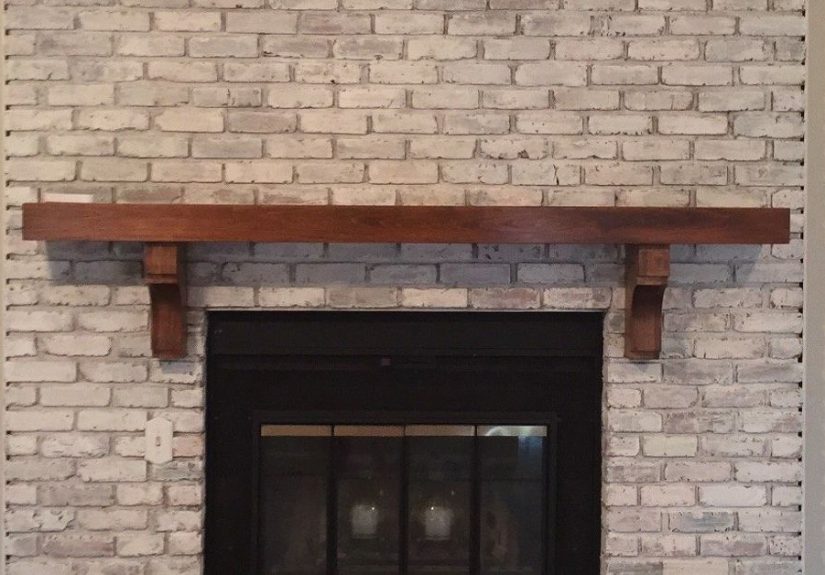
Try whitewashed brick, warm wood, aged metal, and a substantial mantel beam. Keep the styling relaxed and textured rather than too polished.
Traditional
Classic millwork, symmetrical decor, stone or marble-inspired surfaces, and layered mantel styling feel timeless. This approach works beautifully in older homes that already have trim and architectural details.
Transitional
This is the sweet spot for many homes. Pair simple lines with warm materials, like a soft white surround with a medium-tone wood mantel and understated tile. It feels current without shouting about it.
Function Matters: Safety, Performance, and Real-Life Use
A fireplace makeover is not the time to ignore the boring-but-important stuff. If the fireplace is operational, schedule an inspection before covering things up or making design decisions. Check the firebox, flue, mortar, hearth condition, venting, and any signs of wear. If the unit is older, inefficient, or mostly decorative, consider whether an insert or fuel conversion would better fit how your household actually lives.
For wood-burning fireplaces, efficiency can be an issue. Many older open fireplaces are better at creating ambiance than heating a room. If warmth and cleaner performance matter, an insert may be worth exploring. Also pay attention to mantel and trim clearances, especially if you are adding new wood elements near the opening. A beautiful mantel is great. A beautiful mantel installed too close to heat is a terrible sequel.
If the fireplace is nonworking, you still have options. You can style the opening with candles, stacked birch logs, a decorative screen, or even convert the area into a display niche. A fireplace does not have to be active to be attractive.
Common Fireplace Makeover Mistakes to Avoid
Ignoring scale
If the fireplace treatment is too small for the wall, it looks underwhelming. If every detail is oversized, it can overwhelm the room. Always look at the whole elevation before committing.
Mixing too many finishes
Brick, tile, wood, marble, metal, and decor can all be lovely. All at once? That can start to look like a design group project with no adult supervision. Limit the palette and repeat materials elsewhere in the room.
Choosing trend over architecture
Not every fireplace needs to be matte black. Not every room wants white shiplap. Use trends as seasoning, not the whole meal.
Forgetting the mantel styling
Even a beautifully remodeled fireplace can look unfinished if the mantel is styled like a lost-and-found shelf. Layer art, mirrors, candlesticks, vases, or greenery with intention. Give objects different heights, leave breathing room, and avoid stuffing every inch.
Skipping prep work
Whether you paint, tile, plaster, or install a new surround, the surface prep matters. Good prep is invisible when done right and painfully obvious when ignored.
Sample Makeover Scenarios
The dark brick fireplace in a small living room
Paint the brick a soft warm white, replace a bulky mantel with a slimmer wood beam, add a simple black screen, and style the mantel with one oversized piece of art and a pair of brass candlesticks. The room instantly feels lighter and taller.
The builder-grade fireplace that lacks personality
Add a vertical tile surround in a subtle handmade finish, paint the wall a complementary color, swap the stock mantel for a custom one, and flank the fireplace with built-ins. Suddenly the room has a focal point and a reason to exist.
The nonworking fireplace in an older home
Preserve the original character, repair damaged areas, update the hearth, and fill the firebox with layered pillar candles or stacked wood. You keep the charm without pretending it is still 1928.
Experiences Homeowners Often Have During a Remodeled Fireplace Makeover
One of the most common experiences homeowners describe is surprise. Not the dramatic kind with confetti cannons. More like the quiet shock of realizing how much one fireplace changes the entire room. People often begin the project thinking they are just updating brick or replacing an old mantel, but once the makeover is finished, the room feels calmer, brighter, and more intentional. The sofa suddenly looks better. The rug makes more sense. Even the lighting seems more thoughtful. It is as if the fireplace was the missing punctuation mark the room needed all along.
Another frequent experience is the battle between sentiment and style. Many homeowners feel torn because the old fireplace has history. Maybe it came with the house. Maybe family photos were taken in front of it every December. Maybe it is ugly in a very committed, nostalgic way. A successful remodeled fireplace makeover usually respects that emotion instead of bulldozing it. People often feel happiest when they keep one element with character, like original brick under a limewash, a salvaged mantel, or an old screen paired with newer tile. That blend of old and new tends to feel warmer than a makeover that wipes out every trace of the original feature.
There is also the very real experience of decision fatigue. Fireplace projects look simple from the outside, but the number of choices adds up quickly. Should the tile be glossy or matte? Should the grout match or contrast? Do you paint the firebox black? How wide should the mantel be? Should the built-ins touch the ceiling? At some point, even confident homeowners find themselves staring at sample boards like they are decoding a mysterious message from another planet. The best way through this is to narrow the palette, choose one star material, and let the rest support it. A fireplace makeover usually looks strongest when there is one clear lead actor and the supporting cast knows its job.
Budget emotions also show up in a big way. People often start with a modest plan and then discover that once the fireplace looks better, everything around it suddenly looks a little tired. That is how a simple fireplace refresh turns into repainting the walls, replacing sconces, buying a new mirror, and reorganizing every shelf in the room. This does not mean the project failed. It usually means the makeover succeeded so well that it raised the standard for the rest of the space. The trick is to know when to stop. Not every room needs a complete identity crisis just because the fireplace got a glow-up.
Then there is the payoff: the first evening after the project is done. Homeowners often talk about sitting down in the room and feeling like they are in a different house. The fireplace becomes a place to gather, decorate seasonally, or simply admire while pretending you are not absolutely thrilled with yourself. Guests notice it immediately. Family members start using the room more. Holiday decorating gets easier because the focal point is already doing most of the work. Even when the makeover was stressful, dusty, or full of second guesses, that first finished moment tends to make the effort feel worth it.
In the end, the experience of a remodeled fireplace makeover is rarely just about materials. It is about how a home feels after one of its most visible features finally matches the life happening around it. That is why these projects are so satisfying. A fireplace makeover is not merely a design update. It is a reset button for the room.
Conclusion
A remodeled fireplace makeover is one of the smartest ways to refresh a living space because it combines beauty, function, and mood in one project. Whether you go simple with paint and a new mantel or dramatic with tile, plaster, stone, and built-ins, the goal is the same: create a fireplace that feels intentional, proportionate, and connected to the rest of the room. Choose materials that fit your home, pay attention to safety and performance, and remember that the most successful fireplace is not the trendiest one. It is the one that makes the room feel complete.
When your fireplace looks right, everything around it settles into place. And that is the magic of a great makeover. It does not just update a feature. It changes the entire conversation of the room.

![18 Best Types of Charts and Graphs for Data Visualization [+ How to Choose]](https://corkopencoffee.org/wp-content/uploads/2026/05/18-best-types-of-charts-and-graphs-for-data-visualization-how-to-choose-qKM1PBYG-thumb.jpg)