Table of Contents >> Show >> Hide
- Before You Start: Know What Kind of White Leather You Have
- Way 1: Routine Dusting and Gentle Wiping
- Way 2: Deep Clean With a Mild Leather-Safe Solution
- Way 3: Spot Clean Stains on White Leather Furniture
- What Not to Use on White Leather Furniture
- How Often Should You Clean White Leather Furniture?
- How to Keep White Leather Furniture Cleaner Longer
- When to Call a Professional Leather Cleaner
- Real-Life Experience: What Cleaning White Leather Furniture Actually Feels Like
- Conclusion
White leather furniture is the golden retriever of home decor: beautiful, friendly, photogenic, and somehow always in danger of attracting mud. A white leather sofa, chair, ottoman, or sectional can make a room feel bright, polished, and expensive in the best possible way. It also has a special talent for announcing every coffee splash, denim smudge, popcorn-finger mark, and “I swear the dog was not on the couch” paw print.
The good news? White leather is not impossible to maintain. It simply needs the right approach. The biggest mistake people make is treating leather like tile, fabric upholstery, or a kitchen counter. Leather is a natural material with a protective finish, oils, pores, grain, and personality. Scrub it too hard, soak it too deeply, or attack it with harsh cleaners, and that luxury look can turn dry, dull, yellowed, or cracked faster than you can say, “Who brought red wine into the living room?”
This guide explains 3 ways to clean white leather furniture safely: routine dusting and gentle wiping, deeper cleaning with a mild leather-safe solution, and targeted stain treatment for common white leather disasters. You will also learn what not to use, how often to clean, how to protect your furniture after cleaning, and how to keep white leather looking crisp without treating your living room like a museum.
Before You Start: Know What Kind of White Leather You Have
Before cleaning white leather furniture, check the manufacturer’s care instructions, tag, or product page. Not all leather is the same. Some white leather sofas are protected or pigmented, meaning they have a more durable surface coating. Others may be aniline, semi-aniline, nubuck, or suede-like leather, which can be more absorbent and easier to stain. Faux leather and bonded leather also behave differently from genuine leather.
If you cannot find the care label, follow the safest rule: use the gentlest method first. Always test any cleaner on a hidden area, such as the back of a cushion, the underside of a seat, or a spot near the base. Let it dry fully before deciding whether to continue. If the test area darkens, feels sticky, loses color, or looks different from the surrounding leather, stop and use a professional leather cleaner instead.
Supplies You May Need
- Soft microfiber cloths, preferably white or light-colored
- Vacuum with a soft brush or upholstery attachment
- Distilled water
- Mild natural soap or a leather-safe cleaner
- Commercial leather conditioner or protectant
- Cotton swabs for tiny stains
- Baking soda or cornstarch for fresh oil spots
- Clean dry towels
Use white cloths whenever possible. Brightly dyed rags can transfer color onto white leather, which is exactly the kind of plot twist nobody asked for.
Way 1: Routine Dusting and Gentle Wiping
The first and easiest way to clean white leather furniture is routine maintenance. This is the “brush your teeth before you need a dentist” method. Dust, body oils, pet dander, crumbs, and airborne grime settle into the grain of leather over time. On white leather, that buildup can create a gray or yellow cast that makes the furniture look older than it is.
Step 1: Remove Loose Dirt
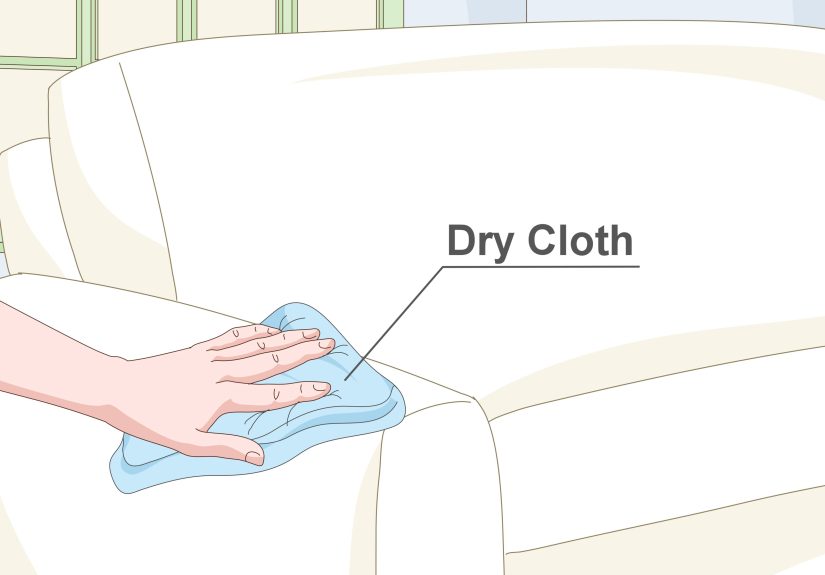
Start with a dry microfiber cloth. Wipe the entire leather surface gently, including arms, backs, cushions, seams, and headrests. Do not press hard. You are lifting dust, not sanding a deck.
Next, use a vacuum with a soft brush attachment to clean seams, creases, cushion gaps, and corners. These areas collect crumbs and grit. If that grit stays there, it can act like tiny sandpaper every time someone sits down.
Step 2: Wipe With a Barely Damp Cloth
Dampen a clean microfiber cloth with distilled water, then wring it out until it is barely damp. Wipe the white leather in small sections using light, even strokes. Do not soak the leather. Too much water can leave marks, weaken the finish, or encourage damage in seams and cushion edges.
After wiping, immediately buff the area with a dry cloth. This helps prevent water spots and restores a clean, soft-looking surface.
Step 3: Repeat Weekly or Biweekly
For most homes, a quick dusting once a week and a barely damp wipe every couple of weeks is enough to keep white leather furniture fresh. If you have kids, pets, frequent guests, or a snack-forward lifestyle, weekly wiping may be more realistic. No judgment. Sofas were made for living, not just for looking dramatic in real estate photos.
Way 2: Deep Clean With a Mild Leather-Safe Solution
When white leather starts looking dull, dingy, or slightly sticky from body oils, it is time for a deeper clean. The safest approach is to use a commercial cleaner made specifically for leather upholstery. If you do not have one, you can use a small amount of mild natural soap diluted in distilled water.
The key words here are small amount, diluted, and gentle. White leather is not improved by enthusiasm alone.
Step 1: Mix a Gentle Cleaning Solution
Fill a bowl with distilled water and add a few drops of mild soap. The water should feel lightly soapy, not like bubble bath. Too much soap can leave residue that attracts more dirt.
If using a commercial leather cleaner, follow the product directions carefully. Some cleaners are applied to a cloth first, while others are used sparingly on the surface. Never assume more cleaner equals better cleaning.
Step 2: Work in Small Sections
Dip a microfiber cloth into the solution and wring it out thoroughly. The cloth should be damp, not wet. Wipe one small section at a time using gentle circular motions or smooth strokes following the grain. Focus on high-touch areas such as armrests, seat fronts, headrests, and cushion centers.
Avoid scrubbing. If dirt does not lift after a few gentle passes, pause and let the area dry. Repeated aggressive rubbing can damage the protective coating or create shiny patches.
Step 3: Remove Residue
Dampen a second cloth with plain distilled water. Wring it out well, then wipe the cleaned area to remove soap residue. Follow immediately with a dry cloth. This rinse-and-dry step matters because leftover soap can make white leather feel tacky and attract new dirt.
Step 4: Condition After Cleaning
Once the leather is completely dry, apply a leather conditioner if the manufacturer allows it. Cleaning can remove some surface oils and moisture, so conditioning helps keep leather supple and less prone to cracking. Use a thin, even layer. Buff away excess product with a dry cloth.
Most leather furniture does not need conditioning every week. A good rule is every 6 to 12 months, or as recommended by the furniture maker. Over-conditioning can leave a greasy film, especially on white leather, so do not turn your sofa into a glazed doughnut.
Way 3: Spot Clean Stains on White Leather Furniture
White leather stains are dramatic. A tiny ink mark can look like breaking news. A denim stain can make a white sofa appear to have chosen a new career as blue furniture. The trick is to match the stain to the right cleaning method and act quickly without panicking.
For Fresh Spills: Blot, Do Not Rub
If coffee, juice, soda, or water spills on white leather, blot immediately with a clean dry cloth. Press gently and lift. Do not rub, because rubbing spreads the liquid and can push it into the grain.
After blotting, use a barely damp cloth with distilled water to wipe the area, then dry it. If the spill leaves residue, use the mild soap solution from Way 2, rinse with a damp cloth, and buff dry.
For Oil or Grease: Use Absorbent Powder
For fresh oil spots from food, lotion, hair products, or mystery fingerprints, sprinkle a small amount of baking soda or cornstarch over the spot. Let it sit for several hours so it can absorb oil. Then gently brush or vacuum it away using a soft attachment.
If the stain remains, avoid dumping more products on it. Oil can travel into leather, and repeated home treatments may make the area look worse. A professional leather cleaner is the safest choice for stubborn grease stains.
For Ink Marks: Be Extremely Careful
Ink is one of the trickiest stains on white leather. Some guides suggest rubbing alcohol on a cotton swab, but alcohol can also remove dye, dull the finish, or create a lighter spot. If you try it, test first in a hidden area and use the smallest possible amount on the stain only. Dab gently. Do not wipe in circles, and do not flood the area.
For expensive furniture, large ink marks, or older stains, call a leather-care professional. It may feel annoying, but it is cheaper than turning a tiny pen mark into a cloudy white patch the size of a pancake.
For Denim Dye Transfer: Act Fast
Blue jean transfer is one of the most common problems with white leather couches and chairs. Dark denim, especially new jeans, can leave blue or gray discoloration on seats and cushion fronts. Start with a leather cleaner made for finished leather and a soft white cloth. Work lightly and slowly.
If the dye does not lift quickly, stop. Denim transfer can bond with the leather finish, and aggressive scrubbing may remove the white coating before it removes the blue stain. Professional dye-transfer removers exist, but they should be used with care because some are strong enough to affect the leather’s color layer.
What Not to Use on White Leather Furniture
The list of “please do not” products is just as important as the cleaning steps. Avoid bleach, ammonia, acetone, nail polish remover, glass cleaner, all-purpose sprays, abrasive powders, magic erasers, stiff brushes, scouring pads, and undiluted alcohol. These products can strip protective finishes, dry out leather, discolor white surfaces, or leave permanent dull spots.
Also avoid soaking leather with water. Leather furniture should be cleaned with damp cloths, not drenched. If your cloth is dripping, it is too wet. If the cushion squishes like a sponge, something has gone terribly off-script.
Do not mix cleaning chemicals. Bleach mixed with ammonia, vinegar, alcohol, or other cleaners can create dangerous fumes. Even if you are not using these products directly on leather, safe cleaning habits matter. Use one cleaning method at a time, read labels, and keep the room ventilated.
How Often Should You Clean White Leather Furniture?
A practical white leather cleaning schedule looks like this:
- Weekly: Dust with a dry microfiber cloth and vacuum seams.
- Every 2 to 4 weeks: Wipe with a barely damp cloth if the furniture is used often.
- Every 3 to 6 months: Do a gentle deep clean on high-use furniture.
- Every 6 to 12 months: Condition the leather if recommended by the manufacturer.
- Immediately: Blot spills, oil, ink, or dye transfer as soon as you notice them.
This schedule is flexible. A white leather accent chair in a formal room may need very little cleaning. A white leather sectional in a family room with pets, toddlers, movie nights, and snack crumbs may need more frequent attention. In that case, congratulations: your sofa is living a full life.
How to Keep White Leather Furniture Cleaner Longer
Keep It Out of Direct Sunlight
Sunlight and heat can dry leather, fade finishes, and contribute to cracking. Position white leather furniture away from strong direct sun when possible. Use curtains, blinds, or UV-filtering window film if your room gets intense light.
Watch Dark Clothing and Throws
Dark denim, black blankets, bright pillows, and heavily dyed fabrics can transfer color to white leather. Wash new throws before using them, avoid sitting in brand-new dark jeans for long periods, and choose colorfast textiles near white leather.
Use Clean Hands and Simple House Rules
You do not need to become the furniture police, but a few habits help. Keep pens away from the sofa, avoid eating greasy foods directly on white leather, and wipe sunscreen or lotion off skin before lounging. White leather is forgiving, but it is not a napkin.
Rotate Cushions When Possible
If your furniture has removable cushions, rotate them occasionally. This helps even out wear, pressure marks, and exposure to sunlight. It also gives you a chance to vacuum the crumbs hiding underneath, where apparently all crackers go to retire.
When to Call a Professional Leather Cleaner
Some stains are better handled by a professional, especially on expensive, antique, designer, or delicate leather furniture. Call a pro if you are dealing with large ink stains, old dye transfer, cracking, peeling, deep grease marks, pet urine, mold, unknown leather type, or discoloration after previous cleaning attempts.
A professional can identify the leather finish and use products designed for cleaning, recoloring, sealing, or repairing leather. That matters because white leather often has a pigmented coating. Once that coating is damaged, regular household cleaning will not restore it perfectly.
Real-Life Experience: What Cleaning White Leather Furniture Actually Feels Like
Cleaning white leather furniture is less like a dramatic deep-cleaning montage and more like learning patience from a very stylish object. The first experience many people have is panic. You notice a gray smudge on the armrest, grab the nearest cleaner, and suddenly your inner voice starts yelling, “Do something!” That is exactly when you should slow down.
In real homes, the most common white leather problems are not spectacular disasters. They are daily-life stains: the slightly darker headrest from hair products, the armrest that looks dull from skin oils, the blue shadow from jeans, the tiny snack smudge from someone who definitely said they were “being careful.” Routine cleaning usually solves more than people expect. A dry microfiber cloth, a careful vacuum around seams, and a barely damp wipe can make white leather look noticeably brighter in minutes.
The biggest lesson is that white leather rewards consistency more than intensity. Waiting six months and then attacking the sofa with five products is risky. Spending five minutes each week is safer and easier. Think of it like skincare for furniture. Gentle, regular care beats a once-a-year chemical face peel performed by a person holding a sponge and regret.
Another useful experience: always clean the whole panel or cushion section, not just the tiny dirty spot. If you clean only one circle in the middle of a seat cushion, that area may look brighter than everything around it. Then you have created a clean spot, which sounds good until it looks like a ghostly coaster mark. Working seam to seam gives a more even result.
White leather also teaches you to respect transfer stains. Denim dye can be stubborn, especially if it sits for days or weeks. A mild leather cleaner may lift fresh transfer, but older blue marks can cling to the finish. This is where many DIY attempts go wrong. People scrub harder, add alcohol, try vinegar, then reach for a magic eraser. By the end, the blue stain may be lighter, but the leather finish is damaged. A better approach is to try one gentle method, stop if it does not work, and call a leather specialist before the stain becomes a repair project.
Conditioning is another area where restraint matters. The first time you condition white leather, it is tempting to use a generous amount because soft leather feels luxurious. But too much conditioner can leave a residue that attracts dust and makes the surface look uneven. A thin layer, properly buffed, is the sweet spot. The goal is supple, not slippery.
Finally, living with white leather furniture becomes easier when you stop expecting perfection. White leather will show life. It may develop gentle creases, soft sheen, and tiny signs of use. That is not failure; that is furniture doing its job. The goal is not to keep it looking untouched forever. The goal is to keep it clean, comfortable, protected, and attractive enough that guests say, “Wow, you have a white leather sofa?” instead of “Wow, you used to have a white leather sofa.”
Conclusion
White leather furniture can be surprisingly practical when you care for it the right way. The best cleaning strategy is simple: dust regularly, wipe gently, deep clean with a mild leather-safe solution, and treat stains quickly without scrubbing or soaking. Avoid harsh chemicals, test every product first, and condition the leather as recommended to help prevent dryness and cracking.
The three safest ways to clean white leather furniture are routine maintenance, gentle deep cleaning, and careful spot treatment. Together, they help your sofa, chair, ottoman, or sectional stay bright and beautiful without turning every spill into a household emergency. White leather may be high-maintenance compared with darker upholstery, but with the right routine, it is not a diva. It is more like a fancy houseguest: give it a little attention, keep the red wine at a respectful distance, and it will behave beautifully.