Table of Contents >> Show >> Hide
- What Is a Monochromatic Plaid Blanket?
- Why a Monochromatic Plaid Blanket Works So Well
- Best Materials for a Monochromatic Plaid Blanket
- How to Style a Monochromatic Plaid Blanket
- How to Choose the Right Monochromatic Plaid Blanket
- Care Tips That Help Your Blanket Last
- Common Mistakes to Avoid
- Final Thoughts
- Living With a Monochromatic Plaid Blanket: The Real Experience
- SEO Tags
A monochromatic plaid blanket is the decorating equivalent of a good haircut: subtle, flattering, and somehow capable of making everything around it look more put together. It brings pattern without chaos, warmth without bulk, and personality without the visual shouting match that happens when too many colors try to share one sofa. Whether you are styling a modern apartment, a cozy guest room, or a neutral living space that needs a little pulse, this classic-meets-current layer can do a lot of heavy lifting.
In a world full of loud prints, the monochromatic plaid blanket feels refreshingly grown up. It uses variations of one color family, such as charcoal and silver, beige and cream, or navy and slate, to create depth. That means you get the charm of plaid, the calm of a tone-on-tone palette, and the bonus of a room that still feels clean, cohesive, and easy to live in. Not bad for one folded rectangle with excellent manners.
What Is a Monochromatic Plaid Blanket?
A monochromatic plaid blanket is a plaid blanket designed within one color family rather than a rainbow of competing shades. Instead of traditional tartan in red, green, and yellow, think of plaid interpreted through layers of gray, ivory, oatmeal, black, brown, dusty blue, or forest tones. The pattern still gives you those familiar intersecting lines and squares, but the overall effect is softer and more refined.
This is exactly why the style works so well in modern American homes. Plaid has heritage appeal. Monochromatic design has a calmer, more streamlined look. Put them together, and you get a blanket that feels classic but not old-fashioned, polished but not stiff. It can lean rustic, minimalist, Scandinavian, farmhouse, lodge-inspired, or even urban contemporary depending on the fabric and surrounding decor.
The beauty here is balance. A monochromatic plaid blanket gives you enough pattern to keep a room from looking flat, but not so much that it hijacks the entire space. It whispers. It does not karaoke.
Why a Monochromatic Plaid Blanket Works So Well
It Adds Pattern Without Making the Room Busy
One of the biggest decorating problems in neutral spaces is boredom. A room can be calm, yes, but it can also look like oatmeal forgot to accessorize. A monochromatic plaid throw blanket solves that by adding structure and movement through lines and scale instead of loud color contrast. Your eye sees pattern, but your brain still reads the room as restful.
It Plays Nicely With Minimalist and Layered Interiors
Minimalist rooms often rely on soft neutrals, monochromatic schemes, and natural materials. That makes a plaid blanket in the same tonal family a smart addition because it introduces warmth and depth while keeping the visual mood intact. At the same time, if your style is more layered and collected, plaid also mixes beautifully with linen, velvet, boucle, wool, suede, leather, and faux fur.
It Works Year-Round
Traditional bright plaid can feel seasonal. A monochromatic plaid blanket, on the other hand, is much more versatile. Cream and taupe feel cozy in fall but still light enough for spring. Charcoal and black look handsome in winter and clean in summer. Navy-on-navy plaid can feel nautical, tailored, or relaxed depending on the room. Translation: fewer impulse purchases, more mileage.
It Makes Small Spaces Feel More Intentional
Monochromatic decor often helps compact rooms feel larger and less cluttered because the eye moves more smoothly across the space. A plaid blanket in the same tone family keeps that flow going while still giving the room texture and personality. In a small bedroom, studio apartment, or reading nook, that matters more than people think.
Best Materials for a Monochromatic Plaid Blanket
Not all plaid blankets are created equal. Some are cloud-soft and forgiving. Others are stunning for about six minutes until they pill, shed, or demand a cleaning process that feels suspiciously like a chemistry exam. Choosing the right material matters just as much as choosing the right color.
Wool
A wool plaid blanket is a classic choice if you want real warmth, long-lasting structure, and a slightly elevated look. Wool tends to hold pattern beautifully, which makes plaid lines feel crisp and intentional. It is especially good for cold climates, cabin-style spaces, or anyone who wants that tailored, heritage-inspired look. The trade-off is care: some wool blankets require dry cleaning, while others are specially treated to be machine washable. Always check the label before introducing it to your washing machine like it is a surprise guest.
Cotton
A cotton plaid throw blanket is easier to live with for many households. It is breathable, versatile, and usually lighter than wool. Cotton works well in warm climates, layered bedding, casual family rooms, and homes that prefer machine-washable basics. If you want a blanket that can move from bed to couch to movie night fort without much drama, cotton is a practical winner.
Fleece and Microplush
These blankets are popular for good reason: they are soft, cozy, and usually budget-friendly. A monochromatic plaid blanket in fleece can look more polished than you might expect, especially in charcoal, cream, or muted brown. It is ideal for lounging, family rooms, and everyday use. Just remember that ultra-soft fabrics can sometimes skew casual, so if your room is very formal, balance the softness with structured pillows or cleaner-lined furniture.
Acrylic or Performance Blends
Blended fabrics can be a sweet spot for shoppers who want the visual richness of wool with easier maintenance or a lower price point. A good acrylic or wool blend can offer warmth, color retention, and resistance to wear. This makes it a smart choice for guest rooms, busy households, or decorative layering where the blanket still needs to survive actual humans.
How to Style a Monochromatic Plaid Blanket
On a Sofa
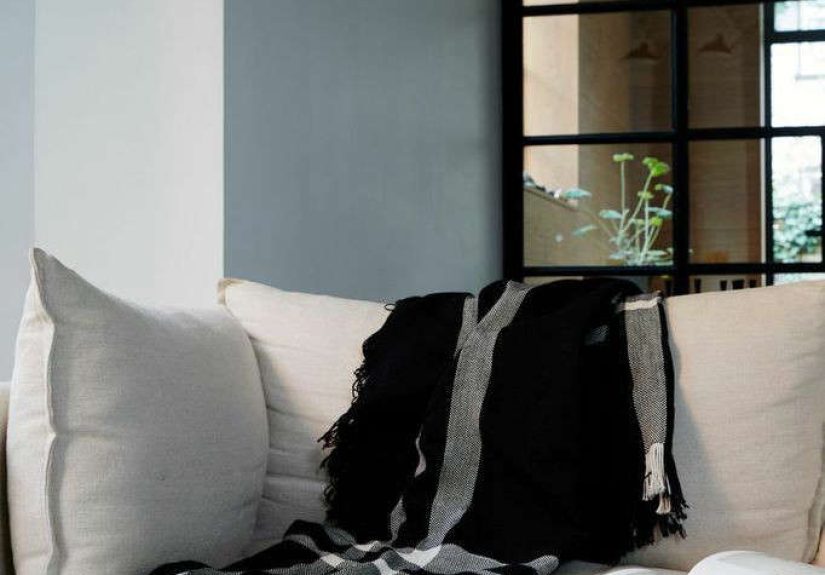
Drape your monochromatic plaid blanket over one side of the sofa for an effortless look, or fold it into a rectangle and place it across the center cushion for a cleaner, more tailored effect. If your sofa is solid-colored, plaid adds welcome interest. If your sofa already has texture, keep the blanket within the same color family so the room feels cohesive rather than crowded.
Example: a light beige couch looks instantly more styled with an oatmeal-and-ivory plaid blanket paired with linen or boucle pillows in similar tones. The room still reads neutral, but now it has depth.
At the Foot of the Bed
This is one of the easiest ways to make a bedroom look more finished. Fold the blanket into thirds and lay it at the foot of the bed, or let it hang loosely for a more relaxed hotel-meets-weekend-cabin vibe. If your bedding is solid, plaid adds pattern. If your bedding already has subtle stripes or texture, choose a quieter plaid with low contrast.
For a monochromatic bedroom, try charcoal bedding with a black-and-gray plaid wool blanket, or crisp white bedding with a soft ivory windowpane throw. It looks intentional without trying too hard.
On a Bench or Accent Chair
Blankets do not have to live only on beds and sofas. A plaid blanket tossed over a bedroom bench, entry bench, or reading chair can soften hard lines and make the room feel more welcoming. This is particularly effective in spaces that are beautiful but slightly too “please do not touch the furniture.”
Outdoors, Carefully
If you have a covered porch or patio, a monochromatic plaid throw blanket can make the area feel much more inviting during cool evenings. Stick to durable materials, bring the blanket inside when not in use, and choose medium tones that hide everyday dust better than bright white. Outdoor coziness is wonderful. Mildew is not.
How to Choose the Right Monochromatic Plaid Blanket
- Pick your color family first: gray, beige, navy, black, cream, brown, olive, or muted rust-based neutrals all work well.
- Watch the contrast: lower contrast feels softer and more modern; higher contrast feels bolder and more graphic.
- Match the scale to the room: large plaid can make a statement, while fine windowpane plaid feels more subtle and tailored.
- Think about texture: a smooth cotton plaid feels crisp, while brushed wool or faux fur reads warmer and more luxurious.
- Choose the right size: for styling, smaller throws are fine; for actual cocoon behavior, go larger.
If your room already has a lot going on, choose a blanket with a simplified plaid pattern and tone-on-tone coloring. If your room is very plain, a slightly bolder plaid or richer texture can wake it up.
Care Tips That Help Your Blanket Last
A plaid blanket may look laid-back, but it still benefits from a little respect. The first rule is simple: read the care label. Fabric determines maintenance. Wool may need dry cleaning or delicate handling. Cotton is often easier to wash. Fleece is generally more forgiving, though over-washing can wear it out faster.
For everyday care, shake the blanket out regularly, spot clean small spills quickly, and avoid storing it while damp. If the blanket lives on a sofa and gets heavy use, it will need more frequent cleaning than a decorative bed throw used mainly for style. Cool or gentle settings are usually kinder to fibers than hot water and aggressive cycles.
Storage matters too. Fold the blanket neatly, keep it in a dry breathable space, and do not smash it under a mountain of miscellaneous closet chaos. Your blanket deserves better than being trapped under holiday wrapping paper and one roller skate.
Common Mistakes to Avoid
- Choosing a plaid that clashes with the room’s undertones: warm beige plaid and cool gray decor can fight if the tones are off.
- Ignoring texture: in monochromatic rooms, texture is essential. Without it, everything can look flat.
- Picking style over function: a gorgeous blanket that sheds, scratches, or requires royal-level maintenance may not be the everyday hero you hoped for.
- Over-accessorizing around it: let the plaid blanket be the pattern moment instead of piling on six other competing prints.
Final Thoughts
A monochromatic plaid blanket is one of those rare home pieces that manages to be practical, stylish, cozy, and versatile all at once. It can soften a modern room, sharpen a rustic one, warm up a neutral palette, and make a bed or sofa look significantly more intentional with almost no effort. That is a strong résumé for something whose main job is technically “sit there and be comfy.”
If you want one decor upgrade that does not require paint, power tools, or emotional support from a home improvement podcast, this is a smart choice. Pick the right material, stay within your room’s color family, pay attention to texture, and your monochromatic plaid blanket can become one of the hardest-working pieces in your home.
Living With a Monochromatic Plaid Blanket: The Real Experience
Here is the part decor articles sometimes skip: what is it actually like to live with a monochromatic plaid blanket day after day? In real homes, not showroom homes. In houses where people drink coffee on the couch, steal blankets from each other during movie night, and swear they are “just resting their eyes” at 8:12 p.m.
The first thing most people notice is that a monochromatic plaid blanket makes a room feel finished even when the rest of the house is not exactly magazine-ready. Maybe the coffee table has two remote controls, one half-read book, and a mug that should already be in the kitchen. Maybe the dog has taken over one cushion like a tiny furry landlord. Even then, that blanket somehow makes the whole scene feel styled instead of chaotic. It is the visual version of saying, “Yes, I meant to do that.”
There is also something deeply practical about the color palette. A bright multicolor throw can be fun, but it often dictates the mood of the room. A monochromatic plaid blanket does the opposite. It blends, supports, and improves what is already there. That means you can move it from the living room to the bedroom, from the guest room to a reading chair, and it still looks like it belongs. It is not dramatic. It is dependable. Honestly, it has better emotional regulation than most adults.
Then there is the texture factor. People do not always talk about how much texture influences comfort. A soft brushed plaid in shades of cream or taupe feels different from a crisp cotton plaid in gray or navy, even if both look beautiful folded on a bench. One invites naps. The other says, “Welcome, tasteful person.” The best monochromatic plaid blankets manage to do both.
Another real-life perk is how forgiving they are. In busy homes, decorative items need to survive actual use. A good monochromatic plaid blanket does not look ruined if it is casually tossed over an armchair instead of folded with military precision. In fact, it often looks better a little rumpled. That relaxed drape gives the room warmth and keeps it from feeling over-designed. Perfection is overrated anyway. Cozy rarely happens in a straight line.
And yes, there is an emotional side to it. A plaid blanket can become part of a home’s routine faster than you expect. It is the thing you reach for during rainy afternoons, early morning emails, chilly air conditioning, or late-night streaming marathons where you promise yourself “just one episode” and then somehow meet the sunrise. Because the pattern is classic and the palette is calm, it starts to feel less like decor and more like a familiar part of the space.
That may be the biggest compliment you can give any home accessory. A monochromatic plaid blanket is not only something you buy because it looks good in a product photo. It is something you keep because it works. It helps the room. It helps the mood. It helps you feel a little more settled. And on some days, that is worth more than the fanciest statement piece in the world.