Table of Contents >> Show >> Hide
- What Is a Callus, Exactly?
- Way 1: Soften the Skin and Gently Exfoliate It
- Way 2: Use Moisturizers, Callus Creams, and Protective Padding
- Way 3: Fix the Friction or Pressure That Caused the Callus
- When You Should See a Doctor or Podiatrist
- How to Prevent Calluses From Coming Back
- Final Takeaway
- Common Experiences With Calluses: What People Notice in Real Life
Calluses are the skin’s version of a well-meaning but slightly overenthusiastic bodyguard. They show up when your skin gets rubbed, squeezed, or pressured over and over again, then decides, “Fine. I’ll build armor.” That armor can be helpful at first, but once it gets too thick, rough, or painful, it stops feeling like protection and starts feeling like punishment.
If you are trying to figure out how to get rid of calluses safely, the good news is this: most calluses can be improved at home without turning your bathroom into a questionable foot lab. The less good news is that there is no magic erase button. The fastest way to make a callus leave is not just to thin the thick skin, but to remove the friction or pressure that created it in the first place. Otherwise, the callus will be back like an annoying sequel nobody asked for.
This guide breaks down three smart ways to get rid of calluses, plus what causes them, what to avoid, and when you should stop playing home dermatologist and call a medical professional instead.
What Is a Callus, Exactly?
A callus is a thickened area of skin that develops from repeated friction or pressure. They often show up on the bottoms of the feet, heels, balls of the feet, and hands. If you lift weights, play guitar, use tools, run a lot, or spend long days in shoes that do not fit quite right, your skin may decide to toughen up in self-defense.
Calluses are different from corns, even though the two are often treated like cousins at a family reunion. A callus is usually broader, flatter, and less sharply defined. A corn is smaller, more focused, and can hurt more because it tends to press into deeper tissue. In plain English, a callus is a thick patch; a corn is a thick patch with a dramatic personality.
Why calluses happen
The most common causes are simple: shoes that rub, high-pressure spots on the feet, repetitive motion, foot structure issues like hammertoes or bunions, and activities that repeatedly stress the same area. On the hands, calluses are common from tools, sports equipment, instruments, and gym training. So while a callus may look random, it usually has a very clear origin story.
Way 1: Soften the Skin and Gently Exfoliate It
If you want to remove a callus without making things worse, the first step is to soften the thickened skin and gently reduce it. Think “patient maintenance,” not “attack mission.” Your goal is to thin the buildup little by little, not strip your skin down to a regretful, tender mess.
Start with a warm soak
Soak the area in warm water for about 5 to 10 minutes. This helps soften the hardened outer layer so it is easier to file down. For foot calluses, a small basin works well. For hand calluses, even a warm shower or sink soak can do the trick. The water does not need to be fancy. No glitter. No mystery oils. Just warm water and a few minutes of patience.
Use a pumice stone or file gently
After soaking, gently rub the area with a pumice stone, emery board, washcloth, or foot file. Use light pressure and move in one direction or small circular motions. You are removing dead surface skin, not sanding a coffee table. A few passes are enough for one session.
The biggest mistake people make is taking off too much skin because the callus “looks almost gone.” That is usually the exact moment when things go sideways. Over-filing can cause pain, bleeding, or infection, especially on the feet, where everyday walking adds even more irritation.
Consistency beats aggression
One gentle session will usually not remove a stubborn callus completely, and that is fine. Repeat the process several times a week as needed. Slow improvement is safer than one dramatic overcorrection. If your callus formed over months, it probably will not vanish because you spent eight heroic minutes with a pumice stone on a Tuesday night.
What not to do
Do not cut, shave, or slice a callus with a razor, blade, knife, or any improvised household invention. That includes “just a tiny trim.” Medical professionals may trim thickened skin safely in an office setting, but doing it yourself can lead to injury and infection. That risk goes up quickly if you have diabetes, poor circulation, numbness, or a history of foot ulcers.
Way 2: Use Moisturizers, Callus Creams, and Protective Padding
Once the thick skin is softened and lightly reduced, the next move is to make the area less dry, less rigid, and less irritated. Dry calluses tend to feel rougher, crack more easily, and look like they are auditioning for a desert documentary. Moisture matters.
Choose the right cream
Basic moisturizer helps, but certain ingredients are especially useful for callus treatment. Look for creams or lotions with urea, ammonium lactate, or salicylic acid. These ingredients help soften thick skin over time and can make a callus easier to manage.
Urea is a favorite because it hydrates and helps break down rough, hardened skin. Ammonium lactate can smooth flaky buildup. Salicylic acid can help thin the thickened area, but it should be used carefully. If you have diabetes, poor circulation, nerve problems, or sensitive skin, do not start medicated callus products without checking with a clinician first. What helps one person can irritate another person’s skin fast.
Apply cream at the right time
The best time to apply callus cream is after bathing or after a soak, when the skin is still slightly damp. That helps trap moisture and gives the product a better chance to do its job. For foot calluses, some people like to apply cream at night and wear breathable socks afterward. That can keep the product in place and prevent your floors from turning into an accidental slip test.
Use padding to reduce irritation
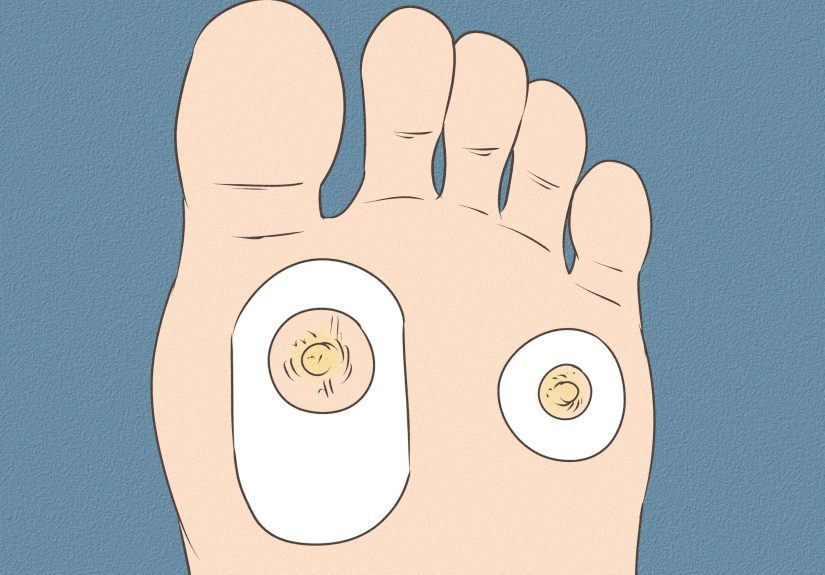
Protective padding can make a huge difference, especially if the callus hurts when you walk or wear shoes. Moleskin, soft pads, cushioned insoles, donut-shaped pads, or shoe inserts can reduce friction and pressure while the skin heals. The right pad does not just make you more comfortable; it also helps stop the callus from getting re-aggravated every time you stand, walk, or work out.
If the callus is on your hands, gloves or padded grips may help during activities that triggered it. That does not mean you need to stop living your life. It just means your skin would appreciate a little less drama during the repeat performance.
Do over-the-counter corn pads work?
Some medicated pads do work, especially those with salicylic acid, but they are not ideal for everyone. They can irritate healthy surrounding skin if they are not used carefully. If you are dealing with a larger area, skin cracks, pain, redness, diabetes, poor circulation, or uncertainty about whether the bump is even a callus, it is better to get expert advice instead of guessing your way through the pharmacy aisle.
Way 3: Fix the Friction or Pressure That Caused the Callus
This is the part people skip, and it is also the part that matters most. You can soak, file, and moisturize like a champion, but if the same pressure point keeps hammering the same patch of skin, the callus will keep coming back. Callus removal is not just about subtraction. It is also about prevention.
Check your shoes honestly
Many calluses on the feet come from shoes that are too tight, too loose, too narrow in the toe box, too shallow across the top, or simply shaped like they were designed for somebody else’s foot. Good shoes should fit your length, width, and depth comfortably. Your toes should not be cramped, your heel should not slide, and nothing should rub while walking.
It also helps to shop for shoes later in the day, when your feet are a little more swollen and closer to their real working size. If a shoe feels bad in the store but you think it will “break in,” that shoe is already telling you a story. Believe it.
Use inserts when pressure is the problem
If your callus sits over the ball of the foot, heel edge, or another obvious pressure point, cushioning may help. Insoles, arch supports, heel cups, and other inserts can reduce repetitive stress. If you have bunions, hammertoes, or another foot structure issue, you may need more targeted support. Sometimes the callus is the symptom, not the main problem.
Modify activities, not your entire personality
Hand calluses are common in athletes, lifters, rowers, guitar players, mechanics, and anyone who uses tools a lot. Sometimes the goal is not to remove the callus entirely, because a small amount of thickening can be protective. The goal is to keep it from becoming too thick, painful, or cracked. Better glove use, grip changes, rest days, and regular moisturizing can keep hand calluses under control without ending your hobbies.
Trim toenails and watch pressure points
Long toenails can push the toes upward into a shoe and increase pressure, especially if corns or calluses are forming near the tops of toes. Keeping toenails trimmed properly may reduce that extra rubbing. It is a small detail, but feet love small details. Feet are picky. This is not new.
When You Should See a Doctor or Podiatrist
Most calluses are manageable at home, but some deserve professional care. Make an appointment if the callus is very painful, keeps coming back quickly, bleeds, cracks deeply, looks infected, or changes in a way that makes you wonder whether it might actually be a wart or another skin problem.
You should also get medical advice before treating foot calluses at home if you have diabetes, poor circulation, nerve damage, or reduced feeling in your feet. In those situations, even a small scrape can become a much bigger problem. A clinician may safely trim the thickened skin, recommend a better treatment plan, or address the underlying foot mechanics that keep causing the issue.
Another reason to seek help is when a callus is linked to a structural foot issue such as a bunion, hammertoe, or abnormal gait. In that case, you are not dealing with “bad skin.” You are dealing with repeated stress created by how the foot moves or where the bones press. Treating only the surface may not be enough.
How to Prevent Calluses From Coming Back
The best callus prevention tips are not glamorous, but they work:
Wear shoes that fit well
Enough width, enough depth, enough toe room, and no rubbing.
Use socks and protective gear
Good socks reduce friction on the feet. Gloves reduce friction on the hands.
Moisturize regularly
Softer skin is less likely to get thick, rough, and cracked.
Address foot mechanics
If a callus keeps returning to the exact same spot, it is worth looking into insoles, orthotics, or a podiatry evaluation.
Thin thick skin before it becomes a problem
A little maintenance is easier than waiting until the callus feels like you are walking on a stale pebble.
Final Takeaway
If you want to get rid of calluses safely, focus on three things: soften and gently exfoliate the thickened skin, use creams and padding to reduce roughness and irritation, and fix the friction or pressure that caused the callus in the first place. That combination works better than aggressive scraping, random drugstore experiments, or pretending the shoes are innocent.
A callus is usually your skin trying to help. Your job is to thank it for its service, tone down the overreaction, and make sure it does not have to keep showing up for duty.
Common Experiences With Calluses: What People Notice in Real Life
One of the most common experiences people describe is that a callus sneaks up on them slowly. At first, it is just a rough patch on the heel or ball of the foot. Then one day, while walking across the kitchen or stepping into the shower, they realize the area feels thicker and stiffer than the surrounding skin. It usually does not start as severe pain. It starts as annoyance. Then it becomes the foot equivalent of that one squeaky cabinet door you can no longer ignore.
Runners often notice calluses forming where their feet absorb repeated impact. They may switch to a new pair of shoes, increase mileage, or start training on hills, and suddenly there is a thick patch on the forefoot that was not there before. The surprising part for many people is that the solution is not always “scrub harder.” Sometimes the bigger fix is better shoe fit, sock choice, or adjusting how pressure hits the foot during longer runs.
People who stand all day for work, including retail workers, teachers, nurses, restaurant staff, and warehouse employees, often have a different story. Their calluses tend to come from long hours of pressure rather than high-intensity exercise. By the end of the day, the feet can feel sore, hot, and tired, especially if shoes are stiff or unsupportive. Many say that once they start wearing better-cushioned shoes and moisturizing at night, the rough skin becomes much easier to manage. In other words, the feet were not being dramatic. They were filing a complaint.
Hand calluses bring another set of experiences. Weightlifters often describe them as a badge of consistency until the callus gets too thick and starts catching on the bar. Guitar players may notice fingertip calluses are useful up to a point, because they make playing more comfortable, but cracked or overgrown calluses can become irritating. People who garden, build things, or work with tools often realize that gloves make a bigger difference than they expected. A little barrier between skin and friction can prevent weeks of roughness.
Another very common experience is confusion. Many people are not sure whether they have a callus, a corn, a wart, or a blister that turned rude. They look at the thickened spot, try to diagnose it in terrible bathroom lighting, and then buy three products that all promise miracles. This is why persistent pain, bleeding, black dots, or a lesion that just does not behave like a normal callus should be checked by a professional. Sometimes the smartest self-care move is knowing when to stop guessing.
Perhaps the most useful real-world lesson is this: people who get the best results usually stop chasing instant removal and start thinking in routines. Soak. Gently file. Moisturize. Pad the area. Fix the shoe. Repeat. It is less exciting than a one-step cure, but it is also far more realistic. Calluses tend to improve when your habits improve. Your skin notices patterns, and unfortunately, it has a very good memory.