Table of Contents >> Show >> Hide
When it comes to forensic science, one of the most exciting and essential aspects is fingerprinting. Fingerprint powder is used to make latent fingerprints visible, allowing investigators to collect crucial evidence. Whether you’re an amateur sleuth, a forensic enthusiast, or just curious, making your own fingerprint powder can be an interesting and useful project. In this article, we’ll explore three different methods for creating fingerprint powder, each with its own set of materials, techniques, and advantages.
Why Fingerprint Powder Matters
Fingerprint powder is an essential tool in the identification of individuals based on their fingerprints. This powder is used to make latent fingerprints visible on various surfaces. These prints are often invisible to the naked eye and require a special technique to be seen clearly. Fingerprint powder sticks to the oils, sweat, and other residues left by fingers when they touch a surface, allowing the print to be captured and analyzed. Without fingerprint powder, forensic investigators would struggle to identify and collect this evidence.
1. Using Talcum Powder
One of the most basic methods of creating fingerprint powder involves using talcum powder. Talcum powder, known for its fine texture and low cost, is an excellent choice for this method. Here’s how to make it:
Materials Needed
- Talcum powder
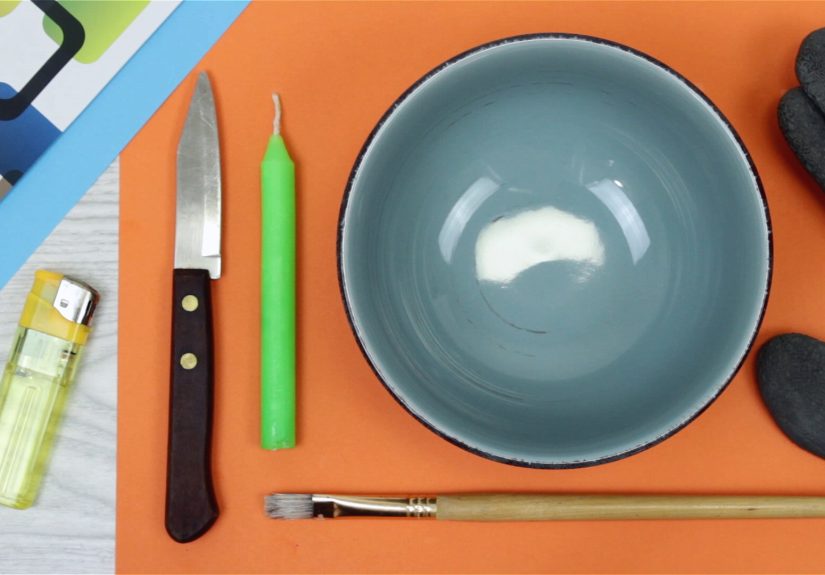
- A shallow container (such as a plastic lid or small bowl)
- A fine sieve or sifter
- A paintbrush or small brush for applying
Steps
- Start by pouring a small amount of talcum powder into the shallow container.
- Use the sieve or sifter to ensure the powder is fine and free of clumps.
- Lightly apply the talcum powder to the surface you’re examining using a small, soft-bristled brush.
- Gently tap the brush to remove any excess powder, leaving the fingerprint clearly visible.
Talcum powder is especially effective on non-porous surfaces, such as glass or metal. However, it can be messy, and you should take care not to over-apply it, as this could make the fingerprint less visible. This method is ideal for beginners or those who need a quick solution on a budget.
2. Using Activated Charcoal
Activated charcoal, typically used for various filtration and cleaning purposes, can also be used as an effective fingerprint powder. Its dark color provides great contrast against light surfaces, making fingerprints stand out. Here’s how to make activated charcoal fingerprint powder:
Materials Needed
- Activated charcoal powder
- A small container or dish
- A small brush for applying
Steps
- Begin by acquiring activated charcoal powder, which can be found in pet stores or online.
- Place the powder into a small container or dish.
- Use a small brush to lightly dust the charcoal powder over the surface with the fingerprint.
- Once the print is visible, use a fingerprint lift tape to collect the print for further analysis.
Activated charcoal is ideal for use on dark or porous surfaces like wood, paper, or fabric, where talcum powder might not show up as clearly. It’s also great when working with prints on surfaces that require a high degree of contrast for better visibility.
3. Using Graphite Powder
Graphite powder is another option that can be used to make fingerprint powder. This method is popular because it offers a smooth, fine powder that works well on a variety of surfaces. Here’s a guide on how to create graphite fingerprint powder:
Materials Needed
- Graphite powder (can be obtained from pencil shavings or purchased separately)
- A shallow dish or container
- A soft, fine brush for applying
Steps
- If you’re using pencil shavings, carefully shave a few pencils to obtain the graphite powder. Alternatively, purchase ready-made graphite powder.
- Place the graphite powder into a shallow container.
- Gently apply the graphite powder to the surface with a brush, ensuring that the powder lightly coats the fingerprint.
- After revealing the print, use lifting tape to collect it for analysis or preservation.
Graphite powder is versatile and effective, especially for use on smooth surfaces such as plastic, metal, or smooth paper. Its fine texture ensures that it adheres well to the oils left by a fingerprint, even on non-porous materials.
Considerations and Tips
While each of these methods is effective in different scenarios, it’s important to consider the surface you’re working with and the type of print you’re trying to reveal. Talcum powder works best on non-porous surfaces, while activated charcoal is great for dark or porous surfaces. Graphite powder, with its versatility, can be used across a range of surfaces and is often used for detailed analysis in forensic investigations.
Remember to always handle fingerprint powders carefully, especially if you’re using materials like charcoal or graphite, which can be dusty and messy. Also, make sure you’re working in a well-ventilated area to avoid inhaling any particles. Always wear gloves when handling the prints to prevent contaminating the evidence.
Experiences with Fingerprint Powder
In my experience with creating fingerprint powder, I’ve found that each method has its own set of advantages. The talcum powder method is by far the easiest and most affordable, making it a go-to for beginner enthusiasts. However, it’s not always the best choice for every surface. For example, while talcum powder works excellently on glass, it can be a little tricky on textured surfaces.
Activated charcoal, on the other hand, provides great contrast on darker surfaces. I once used this method when investigating fingerprints on a dark wooden surface, and it worked wonders. The charcoal clung to the oil residue left behind, providing a clear, readable print without leaving a mess. However, charcoal does tend to get everywhere, so be prepared for some cleanup.
Finally, graphite powder has been a favorite of mine when working with smooth surfaces. I once lifted a set of fingerprints from a metal object, and the graphite powder provided the ideal coverage. It’s incredibly fine, which makes it easy to apply, and the result is always a crisp, clear fingerprint. However, it’s important to use it sparingly, as too much powder can make the print harder to capture.
All three methods of making fingerprint powder have their pros and cons, but experimenting with them has been a fun and informative journey. Whether you’re looking to dabble in forensic science as a hobby or just need to learn a few tricks for a project, these methods provide a great way to get started with fingerprint analysis.
Conclusion
Creating fingerprint powder at home is a rewarding and educational experience. Whether you use talcum powder, activated charcoal, or graphite powder, each method has unique qualities that make it suitable for different surfaces and environments. By experimenting with these methods, you can uncover fingerprints in unexpected places, enhancing your ability to analyze evidence. So go aheadgrab your materials, put on your detective hat, and start lifting those prints!