Table of Contents >> Show >> Hide
- What Are Florentine Molly Tiles, Exactly?
- Why the Pattern Feels “Classic” Without Feeling Dated
- Cement Tile 101: The Beauty (and the Responsibility)
- Where Florentine Molly Tiles Work Best
- Design Pairings That Make the Pattern Look Expensive
- Planning the Layout: The Unsexy Step That Makes Everything Look Better
- Installation Basics: What Pros Want You to Know
- Maintenance and Care: Keeping the “Patina” Charming, Not Chaotic
- Cost, Ordering, and Practical Shopping Advice
- Alternatives If You Love the Look but Want Less Maintenance
- FAQ: Quick Answers People Actually Need
- Conclusion: When Florentine Molly Tiles Make the Most Sense
- Homeowner & Designer Experiences (A 500-Word Reality Check)
Some tiles are polite. They sit there quietly, do their job, and never start a conversation at a dinner party.
Florentine Molly tiles are not those tiles. They’re the “Where did you get that?” kindthe kind that turns a
basic entryway into a small moment of theater, or makes a powder room feel like it has a secret backstory.
If you’ve ever wanted a floor (or wall) that reads like vintage, European charmbut still feels crisp, graphic,
and intentionalFlorentine Molly tiles land right in that sweet spot. They’re patterned, but not shouty. Classic,
but not dusty. And because they’re cement-based, they come with that signature chalky depth and lived-in
character that glossy ceramic can only dream about.
What Are Florentine Molly Tiles, Exactly?
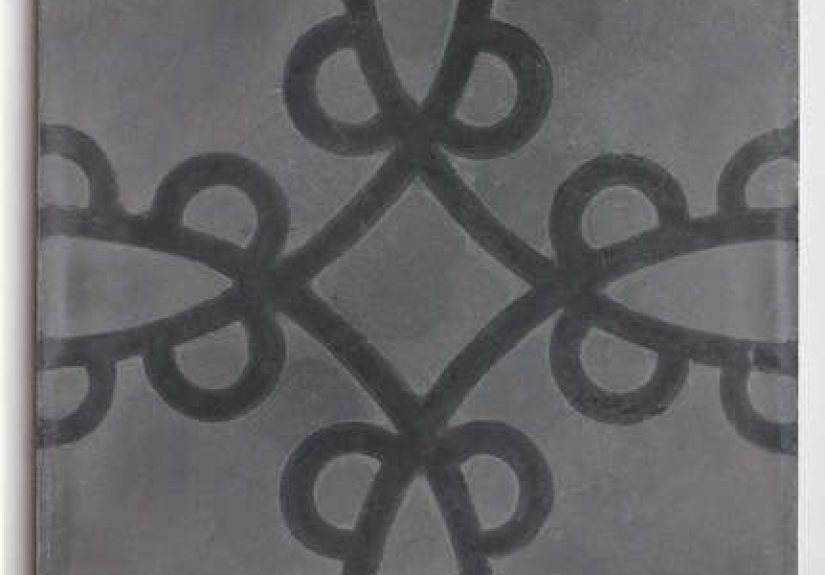
“Florentine Molly” refers to a specific patterned tile design associated with designer Neisha Crosland and her
Florentine Collection. In the most commonly referenced product details, Florentine Molly tiles are handmade
cement tiles in a 20×20 cm format (roughly 8×8 inches), made to order, with a dusty, pigment-rich finish that can
be waxed to achieve a softened, “well-worn pebble” look.
Translation: these aren’t mass-market, printed-look porcelain tiles trying to impersonate patina. They’re the real
dealcement tiles with that slightly velvety, matte surface that seems to hold light instead of reflecting it.
When you add the Florentine Molly pattern (a looping, interlocking motif that reads like a stylized chain or ribbon
lattice), you get a tile that feels both architectural and playful.
Quick spec snapshot
- Type: Handmade cement (encaustic-style) tile
- Size: 20 x 20 cm (about 7.9 x 7.9 inches)
- Look: Matte, softly pigmented, pattern-forward
- Vibe: Old-world meets graphic-modern
Why the Pattern Feels “Classic” Without Feeling Dated
The Florentine Molly design is a study in controlled movement. You’ve got curved loops that meet in a structured
repeat, creating a central diamond-like shape and a symmetrical rhythm from tile to tile. From a distance, it can
read like a traditional European floor. Up close, it feels modernalmost like a logo pattern for a very stylish
fictional hotel.
That balance is why this pattern works in so many interiors:
it can be the “historic” element in a very clean, contemporary kitchen, or the graphic element in a more classic,
layered home. In other words, it’s flexiblelike the friend who can hang out at both the art museum and the taco
truck without changing outfits.
Cement Tile 101: The Beauty (and the Responsibility)
Cement tilesoften called encaustic cement tilesare known for color that’s part of the material rather than a
surface glaze. In encaustic methods, pigmented cement layers are pressed into molds under high pressure, which is
a big reason these tiles have that rich, dimensional “color goes all the way down” look.
The tradeoff? Cement is porous. That porosity is part of the charm (and the patina story), but it also means you
can’t treat installation and care like you’re slapping up glossy subway tile and calling it a day.
Cement tile rewards planning and good technique.
What cement tile is great at
- Visual depth: matte surface, soft tonal variation, and pattern clarity
- Longevity: can last for decades with proper sealing and maintenance
- Character: develops a gentle patina over time (the good kind of “aging”)
What cement tile is not great at
- Neglect: unsealed cement tile can stainfast
- Harsh cleaners: acids and aggressive chemicals can damage the surface
- Rushed installs: shortcuts tend to show (and they don’t age into “character”)
Where Florentine Molly Tiles Work Best
Because the pattern has presence, Florentine Molly tiles tend to shine when you let them lead. Think of them as a
statement piecemore “main character floor” than “supporting actor backsplash.” That said, you can absolutely use
them in smaller doses if you want the pattern without the full musical number.
1) Entryways and vestibules
This is the classic move: a patterned tile “rug” at the front door that instantly upgrades the first impression.
Pair with simple wall color, a wood bench, and a brass hook rail, and you’ve got a space that feels curated even
when someone’s shoes are… spiritually present.
2) Powder rooms
Powder rooms are the perfect place to be bold because they’re small, contained, and secretly love drama.
Florentine Molly tiles on the floor with a solid wall color (or minimal wallpaper) can look custom and high-end.
3) Kitchens (floor, not just backsplash)
A patterned cement tile floor can bring warmth and movement to kitchens dominated by cabinetry and counters.
If your kitchen is mostly neutralswhite oak, warm white paint, brushed nickelFlorentine Molly can be the graphic
element that keeps things from feeling too showroom-smooth.
4) Bathrooms (with proper waterproofing and sealing)
Cement tile can be used in bathrooms, including floors and walls, but the success depends heavily on waterproofing,
correct setting materials, and sealing. If you want the look in a wet area, treat it like a serious building detail,
not a weekend craft project.
Design Pairings That Make the Pattern Look Expensive
Patterned tile is like a loud print jacket: it’s easiest to style when the rest of the outfit is calm.
The best pairings usually fall into one of these directions.
Warm minimal
- White walls with a creamy undertone
- Natural wood (oak, walnut, or even a slightly rustic pine)
- Black accents used sparingly (one faucet, one frame, not an entire marching band)
Old-world modern
- Limewash or plaster-look paint
- Antique brass or unlacquered brass hardware
- Simple cabinetry fronts, traditional silhouettes, modern lighting
Soft color confidence
- Dusty greens, muted blues, or clay tones
- Matte finishes that echo the tile’s texture
- One “hero” element (tile) plus one “supporting” color (walls)
Planning the Layout: The Unsexy Step That Makes Everything Look Better
With patterned tiles, layout is half the design. The Florentine Molly pattern creates a continuous repeat, so you
want to preview how the motif lines up across multiple tilesnot just one tile, lonely and misunderstood, on a
showroom shelf.
Layout tips that save your sanity
- Dry lay first: lay tiles out on the floor to confirm pattern direction and repeat.
- Decide your “center”: in a small room, centering the pattern can feel more intentional.
- Pick grout wisely: a softer, closer-to-tile grout often looks more seamless and upscale.
- Order extra: cement tile is handmade; having spares helps with future repairs and matching.
Installation Basics: What Pros Want You to Know
Tile installation is where beautiful materials either become a dreamor become the thing you glare at every
morning while making coffee. With cement tiles, two rules matter most: a stable, flat substrate and a sealing plan.
Step-by-step overview (high level)
- Prep the surface: flat, clean, and stable matters more than people think.
- Dry layout: confirm pattern orientation, cuts, and balance at edges.
- Set with appropriate mortar: follow manufacturer recommendations for cement-based tile.
- Seal before grouting: cement tiles are porous and can absorb grout pigment and wash water.
- Grout carefully: avoid overly pigmented, high-contrast grout unless you’ve tested.
- Final seal (and optional wax): build protection based on the look you want (matte vs. richer).
The sealing moment you should not skip
Industry guidance for true cement-based encaustic tiles commonly emphasizes sealing before grouting, because
porous tiles can absorb color from grout and wash water. Many installers aim to seal until water beads on the surface,
creating a protective barrier before the messy part begins. If you remember one thing, remember this: you want your
tile protected before the grout shows up with its pigments and opinions.
Maintenance and Care: Keeping the “Patina” Charming, Not Chaotic
Cement tile care is less about constant babying and more about smart protection and gentle habits.
The goal is to keep the surface guarded against stains while letting it age naturally.
Daily and weekly care
- Sweep or vacuum grit (grit is basically sandpaper with better PR).
- Damp mop with a pH-neutral cleaner when needed.
- Wipe spills sooner rather than laterespecially oils, coffee, wine, and anything involving turmeric.
What to avoid
- Acidic cleaners (vinegar, harsh bathroom acids, “miracle” descalers)
- Abrasive scrub pads that can dull or scratch the surface
- Letting water sit for long periods in unprotected areas
Waxing for that “well-worn pebble” look
One of the signature notes associated with Florentine Molly tiles is the idea that the finish can be waxed to
develop a softened, worn-in appearance. That’s a very specific aesthetic: less shiny showroom, more “European
apartment that somehow always looks better than your apartment.” Waxing is not mandatory for performance, but it
can deepen the visual effect and contribute to that gentle, vintage-like patinaespecially in lower-wet areas.
Cost, Ordering, and Practical Shopping Advice
Florentine Molly tiles are often positioned as a premium, design-forward option. They’re also commonly described as
made to order, which can affect lead times and planning. If you’re building a renovation timeline, treat tile ordering
as an early task, not a “later when we feel like it” task.
Smart buying moves
- Order samples if possible: cement tile reads differently in your home lighting.
- Plan for waste: add extra for cuts, future repairs, and inevitable “oops.”
- Ask about shade variation: handmade tiles can vary slightlyusually a feature, not a flaw.
- Confirm your installer’s experience: cement tile is not the place for someone’s first rodeo.
Alternatives If You Love the Look but Want Less Maintenance
If you adore the Florentine Molly vibe but don’t want the sealing-and-care relationship that comes with cement tile,
you have options:
Porcelain lookalikes
Many porcelain tiles now mimic cement and patterned looks with impressive realism. They’re generally less porous and
easier to maintain, which can be a big deal in busy kitchens or rental properties.
Use Florentine Molly as an accent
Instead of tiling an entire room, consider a “tile rug” in an entryway, a strip in a mudroom, or a small powder room
floor. You still get the design impact with a smaller maintenance footprint.
Patterned tile elsewhere, Molly energy everywhere
You can echo the looped geometry in other materials: wallpaper with a lattice motif, textiles with repeating curves,
or even hardware with rounded silhouettes. The room still feels cohesive, but the tile isn’t carrying the whole
personality.
FAQ: Quick Answers People Actually Need
Are Florentine Molly tiles good for high-traffic areas?
Yes, cement tile can be durable, but high traffic demands proper sealing and routine grit removal.
Entryways and hallways can work well if you treat sealing like a non-negotiable and keep a good doormat strategy.
Will the tiles stain?
Cement tile is porous, so it can stain if unsealed or under-sealed. With appropriate sealingand prompt spill cleanup
staining becomes much less likely. The tile will still develop a natural patina over time, which many people consider
part of the appeal.
Can I use them in a shower?
Cement tile can be used in wet areas, but showers are high-stakes environments. Waterproofing systems, correct
setting materials, slope, drainage, sealing, and ongoing care all matter. If you’re committed to the look in a shower,
work with an installer who understands both tile and waterproofing details.
What grout color should I choose?
Most designers lean toward a grout color that harmonizes with the background tone rather than creating harsh contrast.
For cement tiles, many installation guides also warn that dark or contrasting grouts can increase the risk of staining
if the tile isn’t properly pre-sealed and protected.
Conclusion: When Florentine Molly Tiles Make the Most Sense
Florentine Molly tiles are for people who want their surfaces to feel designednot just finished. The pattern has
structure, movement, and a quiet confidence that works across styles, from old-world romantic to modern minimal.
The cement material brings that chalky, nuanced depth that reads instantly “real,” especially when it’s allowed to
develop a soft patina over time.
The key is to treat them like a premium material: plan the layout, prioritize proper installation, seal with intention,
and maintain with gentle care. Do that, and you’ll get a floor (or wall) that doesn’t just sit thereit lives with you,
ages gracefully, and makes your home feel more like a place with a point of view.
Homeowner & Designer Experiences (A 500-Word Reality Check)
People who choose Florentine Molly tiles tend to describe the same first-week phenomenon: you walk into the room more
often than necessary. Not because you forgot somethingbecause you want to look at the floor again. In one entryway
project, the tiles became the “visual welcome mat.” Friends would step inside, pause, and do that involuntary slow
nod that says, Okay, someone cared here. The homeowner paired the pattern with warm white walls and a simple
oak bench, and the tile did all the heavy lifting. The only surprise? Grit. The family learned quickly that tiny
gravel bits tracked in from outside are basically miniature sandpaper, so a better doormat (and quicker sweeping)
turned into the secret sauce for keeping the finish looking fresh.
In kitchens, the experience is often equal parts love story and learning curve. One designer described the tile as
“the jewelry” in an otherwise calm spaceflat-front cabinets, quiet counters, and the Florentine Molly pattern adding
movement without loud color. The practical lesson arrived via coffee. A small spill left alone during a chaotic
morning didn’t ruin anything, but it did leave a faint reminder that cement tile likes commitment: sealing and
wiping spills promptly keeps the surface consistent. After resealing, the homeowner said the whole kitchen felt
easier to live inless “protect the precious floor at all costs,” more “this is a working kitchen with a great outfit.”
Bathrooms create their own category of stories. In a powder room, Florentine Molly tiles often become the main event:
a patterned floor, a sculptural sink, maybe a vintage mirror, and suddenly the smallest room in the house is the one
guests remember. In a full bath, the experience tends to be more technical. Installers who are familiar with porous
materials typically emphasize sealing and careful grouting, and homeowners who follow that advice report fewer
headaches. Those who try to wing it sometimes end up with a little grout haze dramanothing that can’t be addressed,
but enough to remind everyone that “pretty tile” is also “building material.”
The most consistent feedback, though, is emotional: people like how these tiles age. Tiny variations, gentle wear,
and a soft patina can make the space feel more authentic over timeless like a frozen catalog image and more like a
home. If you want a surface that stays identical forever, you might prefer porcelain. But if you want a floor that
gains character the way good leather doesFlorentine Molly tiles tend to deliver, as long as you treat them with the
respect they deserve (and maybe keep a coaster under your olive oil bottle, just saying).