Table of Contents >> Show >> Hide
- Start With the Birds You Actually Have (Or Want)
- Birdhouse Basics That Make Birds Say “Yes”
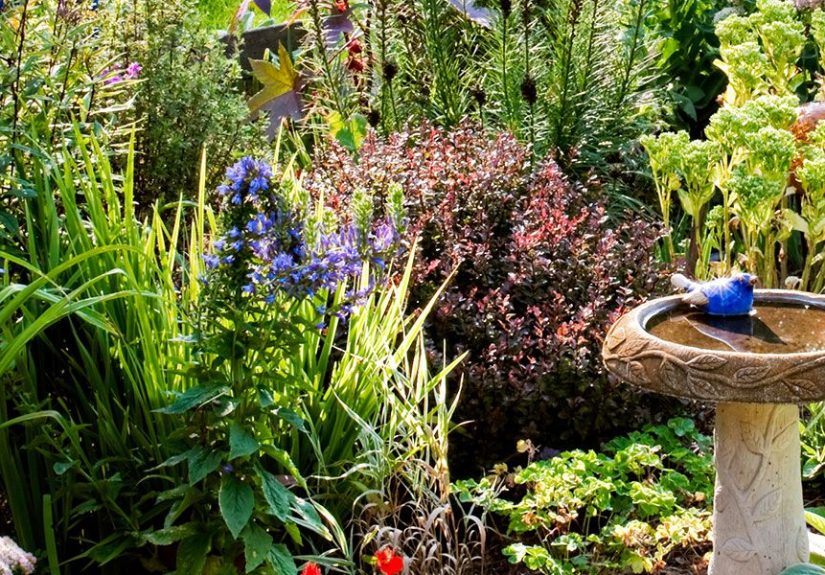
- Birdbath Basics: The Backyard Amenity Birds Use Daily
- Design Ideas That Work in Real Yards
- Seasonal Care: What to Do (and When)
- Common Problems (and Fixes That Don’t Require a PhD)
- A Simple Setup Checklist (So You Can Actually Do This)
- Conclusion: Build the “Bird-Friendly Combo” That Works
- Extra: Real-World Backyard Experiences (What People Notice After Adding Birdhouses & Birdbaths)
Think of your yard as a tiny hospitality empire: birdhouses are the cozy rentals, birdbaths are the luxury spa,
and youmagnificent humanare the property manager who occasionally yells, “WHO TRACKED MUD IN MY WATER FEATURE?”
If you set things up right, you’ll get front-row seats to backyard birds raising families, taking baths like they
pay rent, and generally acting like your landscaping is a five-star resort.
This guide breaks down what actually matters (and what’s mostly cute but useless), so you can attract birds safely,
keep them healthy, and avoid turning your birdbath into “algae soup with bonus mosquito garnish.”
Start With the Birds You Actually Have (Or Want)
The biggest birdhouse mistake is buying something that looks like a Victorian mansion and hoping a bird will move in
because it has “great curb appeal.” Birds aren’t browsing Zillow. Most nesting birds are picky about space, entry size,
ventilation, and safety. So first, decide which birds you’re trying to attract.
Birdhouses are for cavity nesters
Nest boxes (the practical version of “birdhouse”) help species that naturally nest in holeslike bluebirds,
chickadees, wrens, tree swallows, nuthatches, and some woodpeckers. Birds that build open-cup nests in shrubs or
trees generally won’t use a birdhouse, no matter how charming the tiny shutters are.
Birdbaths help almost everyone
Water is a universal crowd-pleaser. Many birds will visit a clean birdbath even if they ignore your feeder.
In hot weather, drought, or winter freezes, a reliable water source can be the most valuable thing you offer.
Birdhouse Basics That Make Birds Say “Yes”
A good nest box is basically a safe, weather-resistant nursery. Your job is to make it dry, insulated, ventilated,
and hard for predators to access. Decorative flourishes are optional. (Birds have never once requested gingerbread trim.)
Use the right materials (your future self will thank you)
- Untreated wood is the classic choice because it insulates well and “breathes.”
- Thicker walls help buffer temperature swings (thin wood turns into a tiny oven fast).
- Avoid pressure-treated lumber where birds will contact it, and skip interiors painted or sealed with strong chemicals.
- Metal and plastic can overheat or trap moisture unless specially designed for wildlife use.
Ventilation + drainage are non-negotiable
A nest box needs airflow near the top and drainage holes in the floor so heat and humidity don’t build up.
Think “airy cabin,” not “sealed Tupperware.” A slightly sloped roof with an overhang also helps keep rain from
blowing in.
Entrance hole size is your bouncer
The entrance should match the species you want. Too big, and you invite larger competitors and predators; too small,
and your target birds can’t use it. Here are typical entrance-hole sizes used in many U.S. nest-box plans
(always confirm for your region and the species you’re targeting):
- Chickadees: about 1 1/8 inch
- House wrens: about 1 1/8 inch
- Eastern/Western bluebirds: commonly around 1 1/2 inch
- Tree swallows: often around 1 3/8 to 1 1/2 inch
Entrance placement matters too: the hole should sit several inches above the floor to reduce the chance of a predator
reaching in. Bonus tip: skip the perch. Cavity nesters don’t need it, and it can give invasive birds
and predators an unhelpful foothold.
Make it cleanable (because nature is messy)
A side, front, or roof panel that opens makes seasonal cleaning far easier. During the breeding season, it’s usually best
to let the birds do their thing; cleaning is typically done after the season ends, when the box is empty. If a box is
heavily soiled, many nest-monitoring programs recommend washing with mild soap and water, and using a carefully diluted
disinfecting solution only when neededthen rinsing thoroughly and letting it dry completely.
Placement: safety beats “looks cute on that tree”
Where you mount a box can matter more than the box itself.
- Mount on a sturdy pole when possible; poles are easier to predator-proof than trees.
- Keep distance from jump points like fences, low branches, and railings where cats or squirrels can launch an ambush.
- Mind the sun: in many climates, partial shade or morning sun with afternoon shade can reduce overheating.
- Don’t cluster boxes too tightly; many species are territorial and won’t nest inches from a neighbor.
Predator guards: the best “upgrade” you can buy
Predators are part of nature, but nest boxes can accidentally make things too easy for raccoons, snakes, cats, and squirrels.
A properly installed baffle or guard can significantly improve nesting success. If you’ve ever watched a squirrel treat your yard
like an obstacle course, you already know why this matters.
Practical example: a bluebird box on a smooth metal pole paired with a conical baffle (or a wide stovepipe-style baffle)
can deter many climbing predators. The key is positioning: even great guards fail if a predator can leap from a nearby tree or fence.
Birdbath Basics: The Backyard Amenity Birds Use Daily
A birdbath isn’t just for adorable splashing videos. Birds use water to drink and to keep feathers in top shape, which helps
with insulation and flight. The catch: water gets dirty fast, and dirty water can spread illness. Your goal is “fresh and shallow.”
Depth: keep it shallow and grippy
- Ideal depth: roughly 1–2 inches at the deepest point.
- Add traction: a rough basin, stones, or a textured insert helps birds feel secure.
- Offer a “ramp” zone: a sloped side or strategically placed stones helps smaller birds and visitors like butterflies.
Location: close to cover, not buried in it
Birds like nearby shrubs or branches they can retreat tobut if the bath is tucked deep in brush, predators can hide too.
A good compromise is placing the bath a short distance from cover with a clear view around it. Also, avoid putting it directly
under feeders where falling seed and debris can foul the water quickly.
Cleaning: your birdbath should not smell “earthy”
Refreshing water frequently is the simplest win. Many bird organizations recommend dumping old water, scrubbing the basin,
and refilling every couple of days (more often in hot weather or heavy use). For cleaning, a common bird-safe approach is
scrubbing with a vinegar-and-water solution (often around 1 part vinegar to 9 parts water), then rinsing well.
Some wildlife agencies also recommend periodic disinfection using a carefully diluted bleach solution, followed by thorough rinsing
and complete drying before refillingespecially if disease risk is a concern.
Safety note: if you use any disinfectant, mix it carefully, keep pets away, rinse thoroughly, and let the bath dry fully.
And yes: washing your hands after cleaning bird gear is always a good plan.
Keep water moving (birds love it, mosquitoes don’t)
If you want to level up, add a dripper, mister, or small recirculating fountain. The sound and sparkle of moving water
attracts birds, and it can reduce mosquito breeding compared with stagnant water. (Still: frequent water changes are your real MVP.)
Design Ideas That Work in Real Yards
You can absolutely have a yard that’s both bird-friendly and attractive. The trick is to choose designs that support bird behavior
instead of fighting it.
Birdhouses: function-forward, pretty on purpose
- “Modern cabin” box: clean lines, natural wood, hinged side panel for cleaning.
- Gourd-style houses: popular for species like purple martins when managed properly (these are more specialized).
- Paint strategy: keep interiors unpainted; if you paint outside, choose light, nature-toned colors in hot climates
and use low-VOC, fully cured finishes.
Birdbaths: pick the style that matches your maintenance personality
- Pedestal bath: classic look, easy to spot; can be harder to clean if heavy.
- Ground bath: feels natural; great for many species, but keep it clean and consider predator visibility.
- Hanging bath: can be safer from some ground predators; watch stability and refill needs.
- Heated bath: a winter game-changer in freezing climates; provides liquid water when natural sources ice over.
Seasonal Care: What to Do (and When)
Spring: prep before the house-hunting rush
- Inspect boxes for cracks, leaks, loose screws, and clogged vents.
- Confirm predator guards are solid and nearby jump points are minimized.
- Start birdbath cleaning routines earlyspring brings traffic.
Summer: prevent overheating and algae takeovers
- Provide shade for baths when possible and refresh water more often during heat waves.
- Check boxes occasionally from a respectful distance; avoid disturbing active nests.
- Scrub birdbaths before algae becomes a full-time roommate.
Fall: clean-up and “winter lodging” upgrades
- After nesting season, clean empty boxes so parasites and old material don’t linger.
- Some birds use boxes for roosting in cold weatherclean boxes can still be valuable even off-season.
- Keep water available as natural sources shrink; migrating birds appreciate it too.
Winter: water is the rare luxury
- If water freezes in your area, a heated birdbath can be the #1 way to help birds during cold snaps.
- Keep baths clean even in winter; “cold” does not mean “germ-free.”
- Inspect mounting hardware after stormswind can loosen what looked rock-solid in July.
Common Problems (and Fixes That Don’t Require a PhD)
“Something else moved into my birdhouse.”
Wasps sometimes build nests in boxes, and squirrels may chew openings larger. Prevention usually comes down to timing
(setting up boxes before insects claim them), proper entrance-hole sizing, and sturdy construction. If you’re dealing with
squirrels, consider metal hole guards and keep the box away from launch points.
House Sparrows and European Starlings: the uninvited roommates
In much of the U.S., these non-native species compete aggressively for nest sites. They are generally not protected
under the Migratory Bird Treaty Act, unlike most native birds. Still, it can be hard to identify nests correctly.
If you’re not confident, it’s safer to leave nests alone and focus on deterrence: use correct hole sizes, avoid feeding
practices that heavily favor these species, and follow guidance from reputable nest-monitoring organizations.
“My birdbath turned green.”
That’s algaenature’s way of telling you it’s time to dump and scrub. Move the bath to partial shade, refresh water more often,
and consider a small bubbler or fountain. A textured basin also makes scrubbing easier than slick surfaces.
“I’m worried about disease.”
Hygiene is your best defense: clean birdbaths and feeders regularly, wash hands afterward, and consider pausing feeding if you see
multiple sick birds. Many public health and wildlife agencies recommend extra caution around sick or dead birds and emphasize
regular cleaning routines for backyard bird equipment.
A Simple Setup Checklist (So You Can Actually Do This)
- Pick a target species and match the entrance hole and box size.
- Choose untreated wood, add ventilation near the top, and drainage in the floor.
- Mount on a pole if possible, away from easy jump points.
- Add a predator guard (seriouslythis is the upgrade).
- Set up a birdbath with shallow water and traction stones.
- Refresh water often and scrub on a routine you’ll actually keep.
- Observe from a respectful distance and adjust placement if predators show up.
Conclusion: Build the “Bird-Friendly Combo” That Works
Birdhouses and birdbaths work best as a team: a safe nest box supports breeding, and clean water supports daily survival.
If you focus on the unglamorous stuffventilation, drainage, predator protection, fresh water, and regular cleaningyou’ll create
a yard that birds trust. And once birds trust your yard, you’ll see the real magic: courtship, nesting, fledglings learning to fly,
and the occasional dramatic bath-time tantrum that looks suspiciously like a tiny feathered wrestling match.
Extra: Real-World Backyard Experiences (What People Notice After Adding Birdhouses & Birdbaths)
Here’s the funny thing about setting up a birdhouse or birdbath: you expect instant Disney-level harmony, and instead you get a reality show.
Backyard birders often report that the birdbath becomes the first true hotspot. Within dayssometimes hoursbirds that never touched
the feeder suddenly appear, sip politely, then splash like they’re trying to erase their browser history. Robins tend to bathe like they’re
training for a triathlon. Finches often arrive in groups and act like the bath is a popular brunch spot: lots of chatter, quick dips, and
constant “you go first” energy.
People also notice that cleanliness changes everything. A freshly scrubbed bath gets more visitors, while a neglected one slowly turns into
a “Nope Pond.” You’ll see it in real time: birds approach, tilt their heads, then leave with the same disgust you reserve for sticky restaurant menus.
The upside is that maintenance can be surprisingly simpledump, scrub, rinse, refilland it becomes a quick habit like watering a plant.
Many backyard birders eventually keep a dedicated brush and bucket nearby because walking back inside dripping garden water across the kitchen floor
is a fast way to become unpopular with everyone you live with.
Birdhouses bring a different kind of experience: patience rewarded by sudden chaos. For a while, nothing happens. Then you notice a bird
repeatedly visiting with nesting material. Then you see “guard duty” behaviorone bird perched nearby while the other goes in and out. If the box is
well placed and predator-protected, people often describe the most satisfying moment as the day they spot fledglings at the entrance, peeking out like
they’re considering whether the world has good snacks. It’s equal parts adorable and nerve-wracking, especially when the parents start doing that
intense “encouragement chirp” that translates roughly to: “Fly, child. Also, please stop screaming.”
Most folks learn quickly that placement is a living experiment. Put a box too close to a busy patio and you might get fewer nesters.
Place it near a fence line and you may discover that neighborhood cats consider fences a personal runway. Move the box to a pole with a baffle, and
suddenly you’re running a safer neighborhood. Birdbaths have a similar “test and tweak” phase: too exposed, and shy birds hesitate; too tucked into shrubs,
and you worry about ambush predators. The sweet spot is often a bath with nearby cover and a clear view around itbirds can escape quickly but still feel
they have options.
And yes, the “unexpected guests” are real. Squirrels may drink from the birdbath like tiny gym bros refueling. Butterflies might land on damp stones.
Bees may visit during heat waves (which is why people often add a shallow pebble edge). Sometimes the birdbath becomes the backyard’s most democratic
watering holeeveryone gets a turn, and occasionally someone starts drama. Birders often say the biggest surprise is how much more they notice once water
is available: not just birds, but the rhythms of the daymorning rush, midday quiet, late-afternoon traffic.
The best “experience takeaway” is that birdhouses and birdbaths don’t just attract wildlife; they slow time down. You end up learning who shows up
when, which birds are bold, which ones are cautious, and how weather changes behavior. It’s one of the few hobbies where doing less (quiet observation)
often gets you more (actual birds doing actual bird things). Also, you will become emotionally invested in a family of birds you’ve never met, and you will
absolutely brag about them like they’re your tiny, feathery relatives. That part is unavoidable. Enjoy it.