Table of Contents >> Show >> Hide
Ghost shrimp look like tiny underwater ninjas. One second they are invisible, the next second they are standing on a leaf like they own the tank. Cheap to buy, fun to watch, and surprisingly helpful as scavengers, ghost shrimp are often sold as feeder animals, but that does not mean they are throwaway pets. In the right setup, they can be active, useful, and genuinely entertaining aquarium residents.
If you want ghost shrimp to do more than simply survive, the secret is not fancy gear or a wallet-draining shopping spree. It comes down to three practical things: create a stable shrimp-safe home, feed them like real animals instead of living vacuum cleaners, and protect them during the fragile parts of life such as molting and breeding. Do those three things well, and your ghost shrimp are far more likely to stay active, healthy, and visible enough to make you feel like you did not just buy moving glass.
Why Ghost Shrimp Are Worth Keeping
Ghost shrimp are freshwater shrimp best known for their nearly transparent bodies. Many aquarists keep them because they clean up leftover food, graze on algae, and add movement to lower areas of the aquarium. They are also small and peaceful, which makes them a possible fit for calm community tanks. The catch is that they are delicate compared with most beginner fish. Their size makes them easy targets, and their health can fall apart quickly in unstable water.
That is why good ghost shrimp care is less about “doing more” and more about “doing the right things consistently.” A mature tank, gentle filtration, stable parameters, proper food, and safe tank mates matter much more than trendy gadgets. In other words, ghost shrimp are low-cost pets, but they still expect decent housing. Fair enough.
Way 1: Build a Stable, Shrimp-Safe Home
Start with the right tank size
Ghost shrimp are tiny, but tiny animals do not automatically belong in tiny tanks. A very small aquarium can swing wildly in temperature and water chemistry, which is bad news for shrimp. A 5-gallon tank can work for a small group if it is planted and stable, but a 10-gallon tank is often the more comfortable starting point because it gives you a wider margin for error. Bigger tanks are usually easier to keep stable, and stability is pure gold for invertebrates.
If you are keeping ghost shrimp in a community aquarium, extra space helps even more. It creates room for plants, driftwood, moss, and hiding places, which reduces stress and lowers the odds that your shrimp become a fish snack with antennae.
Prioritize mature water, not just wet water
One of the biggest mistakes beginners make is putting shrimp into a brand-new tank that looks ready because it has water in it. Ghost shrimp do better in mature aquariums with an established nitrogen cycle, stable temperature, and plenty of surfaces covered in biofilm. They are not impressed by your enthusiasm if ammonia is present.
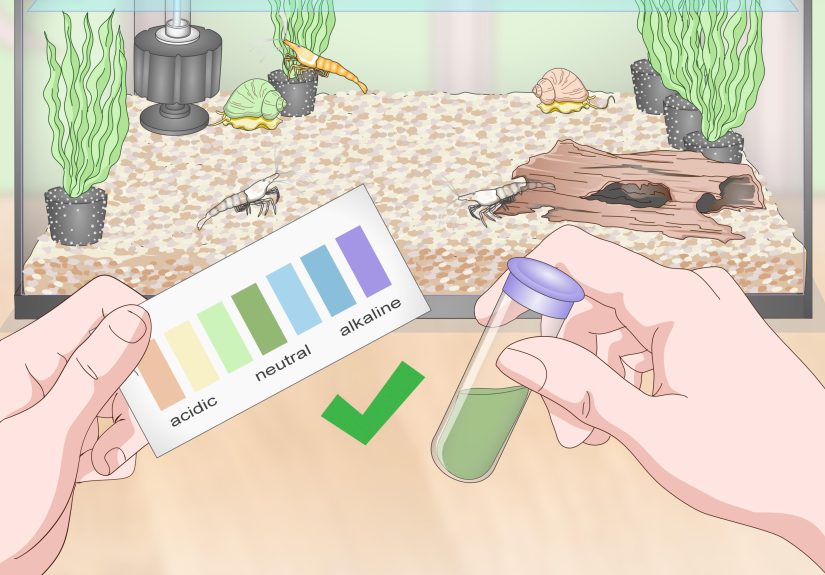
Before adding ghost shrimp, make sure ammonia and nitrite are at zero and nitrate is kept low. Perform regular testing, especially during the first few weeks after stocking. Shrimp can tolerate a range of conditions, but they do not tolerate sudden changes very well. A tank that is slightly imperfect but stable is often safer than a tank that is “perfect on paper” one day and chaotic the next.
Use gentle filtration and steady maintenance
Ghost shrimp do not need a roaring current that makes them paddle like they are in a tiny aquatic CrossFit class. Gentle filtration is better. Sponge filters are a favorite in shrimp tanks because they provide biological filtration, create mild water movement, and give shrimp a surface to graze on. If you use a hang-on-back or canister filter, add a sponge pre-filter on the intake so adults and baby shrimp do not get pulled into the system.
Maintenance matters just as much as filtration. Keep up with partial water changes, remove uneaten food, and avoid letting waste pile up in forgotten corners. When you do water changes, use dechlorinated water and try to keep the new water close to the tank’s existing temperature. Dramatic temperature swings can stress shrimp fast.
Give them cover, plants, and places to disappear dramatically
In nature, ghost shrimp are often found around aquatic vegetation. In aquariums, they appreciate the same idea. A heavily planted tank gives them cover, surfaces for biofilm, and a sense of security. Fine-leaved plants, Java moss, hornwort, Najas, driftwood, small caves, and leaf litter all make the tank more shrimp-friendly.
These hiding places become especially important during molts. After shedding their old shell, ghost shrimp are soft and vulnerable. A bare tank can turn a normal molt into a stressful event. A planted tank turns it into a short private retreat.
Choose tank mates carefully
This may be the most important community-tank rule of all: if a fish can fit a ghost shrimp in its mouth, the fish is likely to consider that a reasonable life goal. Peaceful, small fish are the safest companions. Think tiny rasboras, small tetras, Endlers, pygmy corydoras, or otocinclus. Even then, there is no absolute guarantee. Some fish behave like perfect little citizens until they suddenly decide shrimp legs are appetizers.
A species-only shrimp tank is the safest option. If you keep ghost shrimp with fish, provide dense plant cover and accept that baby shrimp may not survive in a community setup.
Way 2: Feed Ghost Shrimp Like Omnivorous Scavengers
Do not assume they can live on leftovers alone
Ghost shrimp are excellent scavengers, but “excellent scavenger” is not the same as “self-feeding robot.” They eat algae, detritus, leftover fish food, and tiny bits of organic matter, but a clean aquarium does not always supply enough nutrition. If the tank is spotless and the fish are fast eaters, your shrimp may end up living on wishful thinking.
A good ghost shrimp diet includes a mix of algae-based foods and protein-based foods. Sinking pellets, shrimp pellets, algae wafers, crushed flakes, frozen foods, and occasional blanched vegetables can all work. Variety matters because it helps cover different nutritional needs and supports shell health.
Feed small amounts and watch how they respond
Overfeeding is one of the easiest ways to ruin water quality in a shrimp tank. Ghost shrimp do not need giant meals. Offer small portions they can finish quickly. In a dedicated shrimp tank, you might feed lightly once a day or several times a week depending on how much natural grazing is available. In a community aquarium, they may already be getting plenty from whatever drifts downward.
The best method is simple observation. If the shrimp rush the food, pick at it eagerly, and clean it up within a reasonable time, you are in the right zone. If food sits around untouched, reduce the amount. The goal is nourishment, not opening an all-you-can-eat buffet that turns into an ammonia festival by midnight.
Support healthy molts with minerals and balanced nutrition
Like other shrimp, ghost shrimp need minerals to build and replace their exoskeletons. Calcium and general hardness play a role in shell development, which is why extremely soft, mineral-poor water can create problems. A balanced shrimp food, algae-based foods, and occasional calcium-rich options can help support healthy molts.
You may notice an empty shell in the tank and assume disaster struck. Usually, it is just a molt. Do not panic and start giving your shrimp a memorial service. In many cases, the shrimp will eat the old shell to reclaim minerals, which is perfectly normal and actually helpful.
Know when feeding behavior signals trouble
Healthy ghost shrimp are active foragers. They climb decorations, graze on surfaces, and investigate food quickly. A shrimp that stops eating, remains listless, or hides nonstop may be stressed by poor water quality, aggressive tank mates, recent shipping stress, or a bad molt. Appetite changes are often one of the earliest clues that something in the setup needs attention.
If several shrimp suddenly become inactive, do not blame their personalities. Test the water first. Water quality problems are far more common than a mysterious tank-wide outbreak of laziness.
Way 3: Protect Their Health During Molting, Acclimation, and Breeding
Acclimate them slowly
Ghost shrimp are sensitive to abrupt changes in water chemistry and temperature. A slow acclimation process gives them a much better start. Drip acclimation is popular for a reason: it gradually mixes tank water into the bag or container so the shrimp can adjust without getting hit by sudden changes all at once.
Dim the lights during acclimation, avoid rough handling, and transfer the shrimp gently. This is not the moment for speed-running your aquarium routine. A calm introduction lowers stress and can improve survival, especially with shrimp that were previously sold as feeder stock and may already be in rough shape.
Understand molting behavior
Molting is a normal part of shrimp life. As ghost shrimp grow, they must shed their old exoskeleton and form a new one. During this time they often hide more, move less, and appear especially vulnerable. That is normal. What they need most is not constant checking, poking, or a dramatic monologue from across the room. They need peace, stable water, and hiding places.
If a shrimp dies after a molt, poor water quality, stress, lack of minerals, or harassment from tank mates are common suspects. This is why stable parameters and cover are not optional details. They are basic survival tools.
Avoid copper and be careful with medications
Many aquarium medications that are safe for fish can be dangerous for shrimp. Copper is one of the biggest red flags. Before adding any medicine, plant supplement, or algae treatment, read the label carefully and confirm that it is safe for freshwater invertebrates. One careless dose can wipe out shrimp long before it bothers your fish.
This also applies when buying used aquarium gear or inheriting a tank setup from someone else. Residue from past treatments can matter. Ghost shrimp are affordable, but that does not mean they enjoy surprise chemistry experiments.
Breeding is possible, but raising babies is harder
Female ghost shrimp may carry eggs under their tails, and spawning in aquariums is not unusual. Raising the babies, however, is the part that separates optimism from reality. Larvae are tiny, free-swimming, and easy prey in community tanks. They can also be pulled into filters and may starve in ultra-clean aquariums that lack the microscopic foods they need.
If breeding is your goal, use a shrimp-focused setup with dense plants, gentle sponge filtration, and a plan for feeding very small fry foods. If breeding is not your goal, enjoy the egg-carrying behavior as one of the fascinating things ghost shrimp do, and do not feel bad if you do not end up with a shrimp daycare center.
Common Mistakes to Avoid
Buying them for cleanup only
Ghost shrimp can help tidy a tank, but they are not a substitute for maintenance. They do not cancel the need for water changes, gravel cleaning, or responsible feeding. Think of them as part of the cleanup crew, not the entire janitorial department.
Keeping them with aggressive fish
This mistake is incredibly common because ghost shrimp are often cheap and sold near feeder fish sections. Price does not change biology. Large or pushy fish will injure or eat them.
Adding them to an uncycled tank
New tanks often look beautiful right before they become a chemistry lesson. Do not rush the process.
Ignoring shell health
Molting problems can come from poor water quality, unstable conditions, lack of minerals, or stress. If your shrimp keep disappearing after molts, the setup needs adjusting.
Real-World Experiences With Ghost Shrimp
One of the most common experiences people have with ghost shrimp is surprise. They buy a few expecting them to hide all day and maybe nibble a little algae, then discover they are far more entertaining than expected. In a planted tank, ghost shrimp often develop routines. One might claim a cave under driftwood. Another may spend all afternoon hanging upside down beneath a leaf, picking at biofilm like it is sampling a gourmet menu. Another turns into the fearless explorer that climbs filters, raids feeding spots, and acts like the whole aquarium was built in its honor.
A lot of keepers also notice that ghost shrimp become easier to observe once the tank is set up with dark substrate and dense plants. Their transparent bodies suddenly show more detail. You start to notice tiny markings, full stomachs after feeding, and the odd little gestures they make with their front legs. They stop looking like “cheap feeder shrimp” and start looking like animals with real personalities. That shift happens fast.
Another common experience is learning that ghost shrimp are much better indicators of tank quality than many beginner fish. When conditions are stable, they are busy, curious, and constantly foraging. When something is off, they tell you quickly by hiding more, eating less, or dying after a bad molt. A lot of aquarists say ghost shrimp taught them to take water testing more seriously. That is not exactly the glamorous lesson people expect from a nearly invisible crustacean, but it is a useful one.
People who keep ghost shrimp in community tanks often describe a mixed but interesting experience. In calm aquariums with gentle tank mates, the shrimp settle in and become part of the background action. In less peaceful tanks, they vanish one by one, and the keeper learns an expensive lesson in compatibility that somehow still cost less than a fancy coffee. Many experienced aquarists eventually come to the same conclusion: ghost shrimp do best either in a shrimp-friendly community or in a setup designed around them.
There is also the classic first-molt panic. Nearly every new shrimp keeper goes through it. You spot what looks like a dead ghost shrimp, brace for heartbreak, lean in closer, and realize it is only a shed exoskeleton. Five minutes later the actual shrimp strolls out from behind a plant looking completely unbothered, as if it did not just send you into an emotional spiral. It is a rite of passage.
Breeding attempts create their own stories. Some keepers are thrilled to see females carrying eggs, only to discover that raising larvae is much harder than expected. Others accept that breeding is not the main goal and simply enjoy observing the behavior. That is one of the best parts of keeping ghost shrimp: they reward attention. The more closely you watch, the more you notice.
Over time, many hobbyists end up appreciating ghost shrimp not because they are flashy, but because they make a tank feel alive in subtle ways. They dart through moss, inspect every crumb, vanish into the plants, and reappear where you least expect them. They are small, yes, but they can completely change the character of an aquarium. That is a pretty impressive achievement for a creature most people can nearly see through.
Conclusion
The best way to take care of ghost shrimp is to focus on the basics that matter most. First, build a stable shrimp-safe environment with mature water, gentle filtration, plants, and peaceful tank mates. Second, feed them a varied diet instead of expecting leftovers to do all the work. Third, protect them during acclimation, molting, and any exposure to medications or sudden water changes. Those three steps are simple, but together they make the difference between a short-lived feeder shrimp story and a healthy, interesting aquarium experience.
Ghost shrimp may be inexpensive, but they are not disposable. Treat them like real pets, and they will reward you with nonstop scavenging, strange little antics, and enough transparent drama to keep your tank interesting every single day.