Table of Contents >> Show >> Hide
- Why a Stool Is the Hardest “Easy” Furniture Piece
- The Japanese Design “Cheat Code”: Less, But Smarter
- Case Study: The Butterfly StoolSimple Form, Serious Brainpower
- What “Simple” Actually Means in Furniture Design
- How to Use a Japanese Designer Stool in a Real Home
- Buying Checklist: How to Choose the Right “Simple” Stool
- Care Tips: Keeping Wood and Metal Looking Great
- The Big Takeaway: A Stool That Feels Like a Haiku
- Experiences: Living with a Simple Japanese-Designed Stool (The Stuff You Only Learn After You Own One)
A stool is the ultimate “don’t judge me” piece of furniture. It doesn’t have the social prestige of a sofa, the
productivity cosplay of a desk chair, or the dramatic flair of a dining table that insists on being photographed.
A stool just… exists. Quietly. Patiently. Like a well-trained housecat with excellent posture.
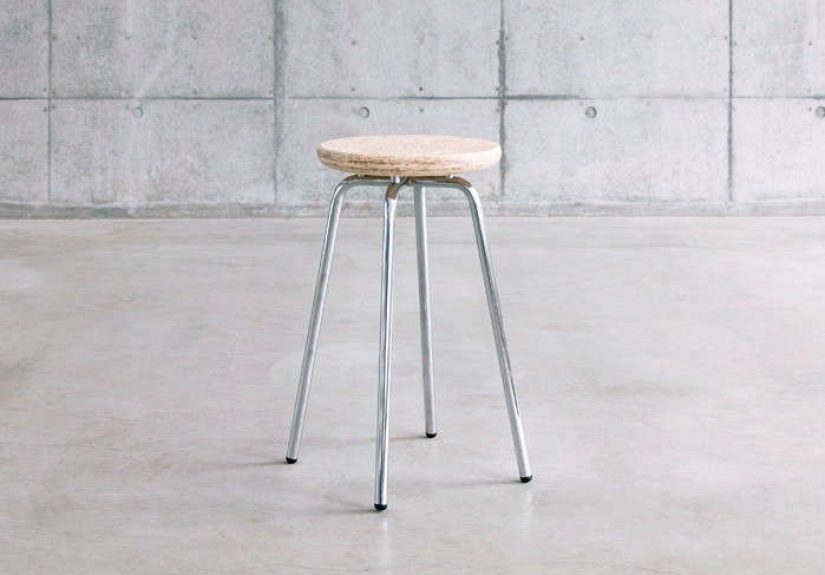
And that’s exactly why a truly great stool is such a flexespecially when it comes from Japanese design culture,
where simplicity isn’t a lack of effort; it’s the result of more effort, carefully hidden so you can live your
life without thinking about it. This is the story of the “simple Japanese designer stool”: what makes it work,
why it feels timeless, and how one iconic example became a masterclass in doing a lot with very little.
Why a Stool Is the Hardest “Easy” Furniture Piece
Designing a stool sounds like designing a sandwich: bread on both sides, something in the middle, done. But
stools are brutally honest. There’s no backrest to distract you. No armrests to hide awkward proportions. No
upholstery to soften bad geometry. If the silhouette is weird, you see it. If the structure is weak, you feel it.
If the height is wrong, your knees write a complaint letter.
The best stools solve three problems at once: they look effortless, they feel stable, and they behave well in
real homeswhere they get dragged, scooted, repurposed as a side table, and occasionally used as a step stool
by someone who is absolutely not supposed to be using it as a step stool.
In other words: a stool is the perfect stage for Japanese furniture design principlesrestraint, function, and
craftsmanship that shows up as calm, not noise.
The Japanese Design “Cheat Code”: Less, But Smarter
1) Simplicity isn’t minimalismit’s clarity
“Minimalist” gets tossed around like a decorative pillow in a home-staging photoshoot. But Japanese design
tends to aim for clarity rather than austerity: every line has a job, every material has a reason, and
every detail earns its keep. The goal isn’t emptiness. It’s removing what doesn’t help.
2) Beauty in imperfection and quiet materials
Many Japanese aesthetics emphasize natural textures, the passage of time, and a kind of calm acceptance that
life is messyand that’s okay. In furniture, that often translates to materials that age gracefully (wood,
paper, ceramics, natural fabrics) and forms that don’t scream for attention.
The stool becomes a small lesson in living: the wood grain isn’t “flaw”; it’s character. A tiny scuff isn’t the
end of the world; it’s proof you actually used the thing you bought.
3) Everyday objects deserve first-class thinking
Japanese design has a long tradition of treating everyday toolsspoons, kettles, stools, storageas worthy of
serious design. Not because everything must be precious, but because your daily life is built from small
interactions. A well-designed object should fade into your routine in the best way: it works, it lasts, and it
doesn’t demand emotional labor.
4) “Super normal”: when the best design disappears
A modern Japanese design philosophy often described as “super normal” celebrates objects that feel inevitable:
they fit so well into life you barely notice them. That doesn’t mean boring. It means the object is so aligned
with human behavior that it feels intuitivelike it’s been there all along.
A simple Japanese designer stool is often “super normal” in that exact sense: not loud, not trendy, just
right.
Case Study: The Butterfly StoolSimple Form, Serious Brainpower
If you want a single object that explains why “simple” does not mean “easy,” meet the
Butterfly Stool by Japanese designer Sori Yanagi. At a glance, it’s almost disarmingly
straightforward: two curved plywood shells crossing at the center, held together by a metal rod. That’s it.
No decorative fuss. No extra parts. No “limited edition in collaboration with the concept of air.”
And yet it’s a museum piece, a design-store staple, and one of the most recognizable Japanese modern furniture
icons. The magic is in the balance: sculptural enough to feel special, restrained enough to live anywhere.
What makes it “simple” (without being basic)
- Two-part logic: The stool is essentially two matching elementseach forms one leg and half the seat.
- Clear structure: You can understand how it stands without needing a diagram or a minor in engineering.
- Visual lightness: The negative space does as much design work as the material.
- One bold gesture: The curves create a silhouette that reads instantlylike a symbol more than a chair.
East-meets-West, done quietly
The Butterfly Stool is often described as a fusion: Japanese forms and sensibilities paired with modern
production methods. Its curved plywood echoes Western molded-plywood innovations, while the overall shape can
feel reminiscent of Japanese architectural forms. Importantly, it doesn’t look like a mash-up; it looks like a
solution.
Materials and manufacturing: why it lasts
Many versions use molded plywood with a metal connector (often brass). Depending on the edition and maker,
you’ll see different wood species and veneers. What stays consistent is the idea: molded layers create strength
with relatively little visual massso the stool can be sturdy without looking bulky.
This is where Japanese craftsmanship shows up in a very practical way. A stool gets handled constantly. If the
edges are poorly finished, you’ll feel it every time you pick it up. If the structure loosens, you’ll hear it.
A well-made molded-wood stool holds together precisely because the “invisible” decisionslayering, pressure,
joining, finishingwere taken seriously.
What “Simple” Actually Means in Furniture Design
Simple silhouette, not simplistic thinking
A simple stool often has a silhouette you can sketch from memory. That’s a feature, not a limitation. A strong
outline is what lets it live comfortably next to other furniture, art, and clutter without competing. It’s the
design equivalent of knowing when to stop talking at a party.
Fewer parts, higher standards
When you reduce components, each remaining component carries more responsibility. A wobbly stool isn’t just a
defect; it’s the stool revealing your secrets. With fewer joints and fewer materials, tolerances matter more.
Finish matters more. The curve of the seat matters more. “Simple” is just a polite way of saying
“now you have nowhere to hide.”
Comfort through geometry
Great stools use geometry to do what padding usually does. Curves distribute weight, edges soften pressure
points, and subtle shaping creates a surprisingly comfortable perch. Japanese designers often excel here: the
comfort feels natural, like it came from observing real bodies rather than guessing.
How to Use a Japanese Designer Stool in a Real Home
A “designer stool” sounds precious until you realize stools are the most useful furniture in the house. A
simple Japanese stool is especially good at multitasking because it’s visually calm and physically practical.
Three roles it plays brilliantly
- Extra seating: Pull it in when guests show up and you suddenly remember your home has only one chair.
- Side table: It’s perfect for a book, a cup of coffee, or a plant that you swear you’ll water this time.
- Sculptural accent: In a quiet corner, it reads like functional art without trying too hard.
Styling it without turning your living room into a showroom
- Let wood grain breathe: Pair it with neutral textiles, matte ceramics, or natural stone.
- Use contrast intentionally: A warm-wood stool looks great against black metal, white walls, or soft gray.
- Avoid “theme decorating”: One strong Japanese design piece is elegant; a room full of clichés is a costume.
Why it works in small spaces
In apartments and compact homes, bulky furniture feels like it’s trying to start a territorial dispute. A
simple stool stays visually light, tucks under tables, and moves easily. It’s a small-space hero because it
doesn’t demand square footageit negotiates politely.
Buying Checklist: How to Choose the Right “Simple” Stool
1) Get the height right (your knees will thank you)
Stool height determines whether it functions as occasional seating, a vanity perch, a kitchen counter seat, or
an actual footrest. Measure your intended use. Then measure again, because optimism is not a unit of
measurement.
2) Look at the underside (seriously)
The underside tells you if the maker cared. Clean joins, consistent finishing, and stable hardware are the
difference between “heirloom” and “mysterious squeak after six weeks.”
3) Pay attention to edge feel
Japanese furniture often feels good to the handedges are softened, transitions are thoughtful, surfaces invite
touch. If you run your fingers along the seat and it feels sharp, that’s not “minimal”; that’s “unfinished.”
4) Decide what kind of simplicity you want
- Super normal: visually quiet, disappears into the room, practical for daily use.
- Sculptural simple: still restrained, but with a signature silhouette that becomes a focal point.
The Butterfly Stool sits near the sculptural side of the spectrumbut still behaves like a calm object, not a
diva.
Care Tips: Keeping Wood and Metal Looking Great
- Dust often, clean gently: microfiber cloth beats harsh sprays almost every time.
- Mind humidity and heat: wood prefers stability; avoid placing it right next to heaters or soaking it in sun all day.
- Use coasters if it becomes a table: water rings are not “wabi-sabi” when they’re fresh and furious.
- Lift, don’t drag: your floor, your stool, and your future self will appreciate the courtesy.
The Big Takeaway: A Stool That Feels Like a Haiku
A simple stool from a Japanese designer is rarely just “simple.” It’s simple the way a great joke is simple:
short, precise, and impossible to improve without ruining it. The best ones feel inevitable because the
designer did the hard work of refining the object down to what matters.
Whether you’re drawn to the sculptural calm of the Butterfly Stool or the broader “super normal” mindset, the
lesson is the same: buy fewer things, but choose the ones that make daily life easierand quietly better.
Experiences: Living with a Simple Japanese-Designed Stool (The Stuff You Only Learn After You Own One)
Here’s the funny thing about bringing a “designer stool” into your home: you don’t end up treating it like a
museum object. You end up treating it like the most competent roommate you’ve ever haduseful, adaptable, and
never dramatic. People tend to have the same set of experiences once a simple Japanese stool becomes part of
their routine, and they’re surprisingly specific.
First, you discover how often you sit in places you didn’t plan to sit. Putting on shoes by the door turns into
a daily micro-ritual. You perch for “two seconds” that becomes five minutes of scrolling. Someone’s in the
kitchen, you’re chatting, and suddenly the stool is a social hub. The best stools feel stable the moment you
shift your weightno wobble, no awkward tilt, no sense that you’re negotiating with gravity. That stability is
the invisible feature you appreciate most after a long day.
Next comes the “accidental side table era.” A simple stool is the perfect height for a coffee mug, a paperback,
and your phoneaka the holy trinity of modern living. You’ll tell yourself it’s temporary, then a month later
you realize the stool has permanently moved next to your favorite chair because it’s just… right there when you
need it. This is where Japanese design really wins: the form is quiet enough that it doesn’t clutter your
visual field, even when it’s holding a chaotic pile of everyday stuff.
Then there’s the surprise: guests notice it. Not in a “wow, that’s expensive” way, but in a “what is that?”
way. A sculptural simple stoolespecially one with a distinctive silhouettepulls curiosity without demanding
attention. Someone will run a hand along the edge. Someone will pick it up and comment on how light it feels.
Someone will sit, stand up, sit again (as if the second sit provides additional data). If it’s the Butterfly
Stool style of design, you’ll get the occasional “it looks like wings,” and yes, you’ll feel slightly smug in
the best possible way.
After a while, the stool becomes your problem-solver. Need to reach a high shelf? You’ll be tempted. (Use
common sense. A stool is not automatically a ladder, no matter how confident it looks.) Need an extra surface
during a party? It holds a tray. Need to create a reading nook? It becomes the spot for a lamp and a stack of
books you absolutely intend to read. The stool doesn’t add clutter; it adds options.
Finally, you learn what “timeless” actually feels like. Trends start to look noisy once you own something that
is calm and well made. The stool doesn’t match one style; it matches a way of livingless frantic, more
intentional. It’s there on the days your home is tidy and photogenic, and it’s there on the days you have
laundry mountains and three cups of half-finished tea. It doesn’t judge. It just works.
That’s the real experience of a simple Japanese designer stool: it gently upgrades your daily habits. Not with
flashy features, but with quiet competence. It’s furniture that acts like it has mannersand honestly, in 2026,
that feels luxurious.