Table of Contents >> Show >> Hide
- First, What Exactly Is a “Blister Burn”?
- Way #1: Cool It Fast, Clean It Gently, and Let the Blister Do Its Job
- Way #2: Dress It Like You Mean It (Moist Barrier + Nonstick Cover + Comfort Care)
- Way #3: Monitor Like a Hawk, Handle Broken Blisters Safely, and Know When to See a Clinician
- Frequently Asked Questions
- Conclusion: Treat the Burn, Respect the Blister
- Real-World Experiences: What People Learn the Hard Way (So You Don’t Have To)
- SEO Tags
You touched a hot pan, brushed a curling iron, grabbed a “definitely not microwave-safe” mug, or met a rogue steam cloud and now you’ve got a burn with a blister. Congratulations: your skin has filed a formal complaint, complete with a tiny water balloon.
The good news: many small blister burns (often called second-degree or partial-thickness burns) can heal well at home with the right care. The not-so-fun news: burn blisters are protective, delicate, and weirdly tempting to mess with. This guide gives you three practical, evidence-based ways to treat a blister burnwithout turning it into a bigger problem.
Quick safety note: This article is for minor burns. If the burn is large, deep, caused by chemicals/electricity, on the face/hands/feet/genitals, or you’re worried about infection or severe pain, get medical care. When in doubt, it’s always okay to call a clinician or urgent care for guidance.
First, What Exactly Is a “Blister Burn”?
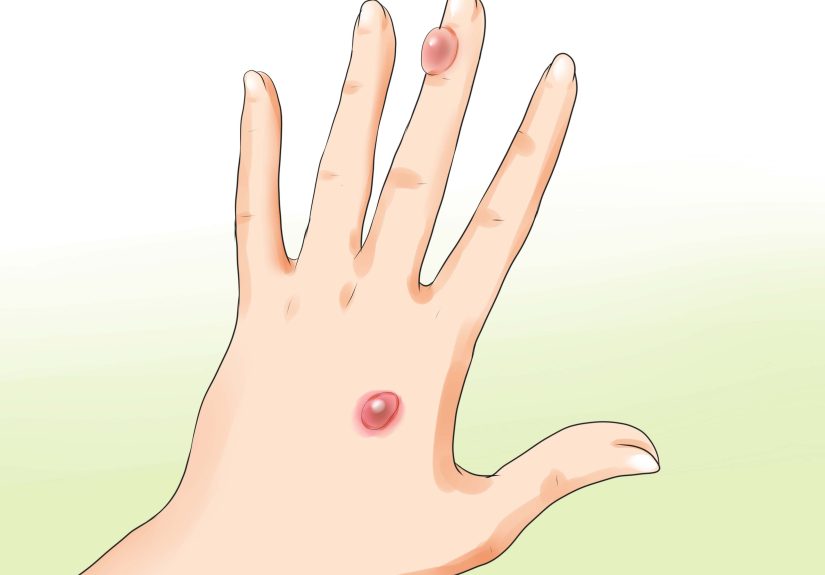
Blisters usually show up with partial-thickness (second-degree) burnsmeaning the burn goes past the top skin layer. A blister forms because fluid collects under the skin, creating a protective cushion that helps reduce infection risk and supports healing. Think of it like your body’s emergency bubble-wrap.
Signs it’s likely a minor blister burn
- The blister is small (often less than a couple inches across) and limited to one area.
- The pain is uncomfortable but manageable with over-the-counter medicine.
- The skin around it may be red, tender, and slightly swollen, but not rapidly worsening.
- You can move the area normally (or close to normally) without severe pain.
Red flags that should push you toward medical care
- Burn is larger than your palm, rapidly spreading, or looks deep/white/charred.
- Burn is on the face, hands, feet, major joints, genitals, or circumferential (wraps around a finger/arm/leg).
- Cause is chemical, electrical, or you inhaled smoke.
- Increasing redness, warmth, swelling, pus, bad odor, fever, or worsening pain.
- You have diabetes, poor circulation, immune suppression, or the burn is on a very young child or older adult.
Way #1: Cool It Fast, Clean It Gently, and Let the Blister Do Its Job
The first minutes matter. Your goal is to stop the heat from continuing to damage tissue, reduce pain, and set up a clean environment so your skin can get back to its day job.
Step 1: Get away from the heat and remove tight items
Move away from the source (hot surface, steam, hot liquid). Then remove rings, watches, or tight clothing near the burn as long as nothing is stuck to the skin. Swelling can happen quickly, and jewelry can become a problem later.
Step 2: Cool the burn with cool running water (not ice)
Hold the burned area under cool (not cold) running water. Many reputable guidelines suggest cooling anywhere from about 10 to 20 minutes, or until pain eases. If running water isn’t available, use a cool, clean, damp cloth and refresh it frequently.
Avoid ice or ice water. It can further injure already-stressed skin and worsen tissue damage. The motto here is: cool, not freezing.
Step 3: Gently wash with mild soap and water
Once the burn is cooled, clean it gently with mild soap and water. Pat dry with a clean towel. The goal isn’t to scrub (this is not a cast-iron pan), but to reduce surface bacteria and grime.
Step 4: Don’t pop or “drain” the burn blister
Yes, it looks poppable. No, you should not pop it. That blister roof is a natural barrier that helps protect against infection. If a burn blister breaks on its own, you’ll handle it differently (don’t worrywe’ll cover that below).
Real-life example: You brush your forearm against an oven rack and a blister forms by evening. Cooling it early can calm the pain and may reduce how much the burn “develops” over the next day. Keeping the blister intact lowers the chance you’ll turn a small burn into an infected one.
Way #2: Dress It Like You Mean It (Moist Barrier + Nonstick Cover + Comfort Care)
After cooling and cleaning, your main job is simple: protect the area, keep it lightly moisturized, and prevent friction. A blister burn tends to hurt more when it dries out, rubs against clothing, or gets contaminated.
Use a thin barrier layer (often petroleum jelly)
For many minor burns, a thin layer of petroleum jelly can help keep the area from drying out and keep dressings from sticking like glue. Some guidance also mentions aloe vera for soothing, but plain petroleum jelly is a common, inexpensive go-to.
What about antibiotic ointment? Some reputable medical references note that topical antibiotics can trigger allergic reactions in some people. For a minor burn, you often don’t need them. If a blister breaks open, a clinician may recommend an antibiotic ointment in certain cases but it’s not automatically required for every minor burn.
Cover with a clean, nonstick dressing
Cover the area with a nonstick sterile gauze pad or non-adherent dressing, then secure it loosely. The key word is nonstick. You want protection, not a daily “bandage rip” sequel.
- Change the dressing at least daily (or sooner if it gets wet/dirty).
- Keep the wrap snug enough to stay put, but not tight enough to cause pressure.
- Protect from friction: loose clothing beats scratchy fabric or tight sleeves.
Reduce swelling and pain
- Elevate the area if possible (especially for hands/fingers).
- Use acetaminophen or ibuprofen as directed on the label if you can take them safely.
- Stay hydratedburns can pull fluid into tissues and leave you feeling a bit run-down.
What NOT to put on a blister burn
Let’s retire a few internet “classics”:
- Butter, oils, or grease: can trap heat and irritate the burn.
- Toothpaste: not sterile, can irritate skin, and won’t earn you bonus healing points.
- Fluffy cotton directly on the burn: fibers can stick and complicate dressing changes.
- Ice: can worsen tissue injury.
Pro tip: If the burn is on a hand, daily life is basically a friction festival (keys, bags, steering wheels, soap, water). A protective nonstick dressing is often the difference between “this is healing” and “why does this still hurt every time I breathe?”
Way #3: Monitor Like a Hawk, Handle Broken Blisters Safely, and Know When to See a Clinician
A minor blister burn usually improves day by day. Your biggest enemies are infection, ongoing friction, and waiting too long to get help when the burn is more serious than it first looked.
Daily check: the “is this getting better?” test
Once or twice a day (usually during a dressing change), look for:
- Decreasing pain
- Stable or improving redness (not expanding)
- No new swelling or warmth spreading outward
- No pus, foul odor, or increasing tenderness
If the blister breaks
Sometimes blisters pop on their ownespecially on hands, feet, or anywhere life keeps bumping into it. If that happens:
- Wash your hands.
- Gently clean the area with mild soap and water. Pat dry.
- Do not peel off the blister roof if it’s still attached. It can still protect the wound.
- Apply a thin layer of petroleum jelly (or follow a clinician’s advice if they recommend an ointment).
- Cover with a sterile nonstick dressing and change daily (or more often if wet/dirty).
When to seek medical care (sooner, not later)
- Location: face, hands, feet, genitals, major joints, or a burn that wraps around a limb or finger.
- Size/depth: larger than your palm, very painful, numb, or looks deep (white, leathery, charred).
- Cause: chemical or electrical burns, or smoke inhalation.
- Infection signs: increasing redness, warmth, swelling, pus, red streaks, fever, or worsening pain.
- Function issues: blister limits motion, or the burn makes it hard to use the hand/foot normally.
- Healing stalls: not clearly improving after about a week, or looks worse at any point.
Tetanus and blister burns: the overlooked checklist item
Some clinical guidance emphasizes checking tetanus vaccination status with partial-thickness (blistering) burns. If you’re not up to date, a clinician may recommend a booster. If you’re unsure when your last tetanus shot was, a quick call to your primary care office can clarify it.
Why clinicians sometimes do things differently
You may read that in certain situations (for example, a blister that blocks movement), clinicians can drain or debride blistered skin using sterile technique. That’s a “trained-hands, clean-tools” situationnot a “bathroom mirror, sewing needle” situation. For at-home care, the safest default is: protect the blister and keep it clean.
Frequently Asked Questions
How long does a blister burn take to heal?
Many minor partial-thickness burns heal within 1 to 3 weeks, depending on size, depth, location, and how well the area is protected from friction and infection. Hands and feet often take longer simply because they’re always doing something.
Should I leave it uncovered to “let it breathe”?
For blister burns, a clean, nonstick dressing is often more comfortable and protectiveespecially if clothing or daily activity will rub the area. The goal is a clean healing environment, not constant exposure.
Can I work out, cook, or wash dishes with a burn blister?
You can usually continue normal activities if the burn is minor and well-protectedbut friction, heat, and moisture can aggravate healing skin. Cover it, keep it clean/dry, and avoid activities that repeatedly bump or stretch the blister. If it’s on your hand, gloves for wet chores can help (just don’t trap sweat for hours).
Conclusion: Treat the Burn, Respect the Blister
A blister burn looks dramatic, but the day-to-day treatment is refreshingly straightforward: cool it, clean it, cover it, and don’t pop it. Add a thin barrier like petroleum jelly, use a nonstick dressing, and keep an eye out for infection or slow healing.
The biggest win is preventing a minor burn from turning into a bigger medical headache. If anything about the burn feels “off” size, location, pain, swelling, fever, drainageget help early. Your future self (and your skin) will be grateful.
Real-World Experiences: What People Learn the Hard Way (So You Don’t Have To)
If you’ve ever had a blister burn, you already know the emotional roller coaster. First there’s the instant “OW” moment, followed by the bargaining phase: “It’s fine. I’m fine. This is fine.” Then, a few hours later, the blister shows up like an uninvited guest who brought luggage and plans to stay a while.
One of the most common experiences people describe is how much cool running water changes the mood of a burn. That early stinging sensation can settle down noticeably when the skin is cooled properly. And it’s not just about comfort: cooling early can help limit the burn’s progression over the next several hours. People who skip this step often say the burn “kept getting worse” later that daymore swelling, more tenderness, more regret.
The next big lesson is that blisters feel like they’re begging to be popped. They’re tight, shiny, and inconvenient. But many people who give in to the temptation end up with a raw, painful open area that’s harder to protectespecially on hands. Suddenly the burn goes from “annoying” to “everything hurts,” because every doorknob, phone screen, and soap bubble becomes a tiny enemy. The blister roof may look fragile, but it’s doing serious work as a protective cover.
Another extremely relatable moment: the first dressing change. If you use the wrong type of bandage (or skip a barrier like petroleum jelly), some dressings stick, and removing them feels like peeling tape off a sunburnexcept angrier. People who switch to a nonstick dressing often report immediate improvement in comfort. It’s one of those “why didn’t I do this yesterday?” upgrades. If you’re treating a blister burn on your finger, you learn quickly that a bulky wrap can make you clumsy, while a thin nonstick pad plus loose gauze gives protection without turning your hand into a mitten.
Daily life also teaches you about friction and surprise moisture. Washing dishes, showering, working out, even just walking around with a burn on your foot can soften the skin and make it more likely the blister breaks. Many people find that short, practical adjustments help: covering the area during chores, changing the dressing if it gets damp, and avoiding tight shoes or scratchy clothing until the skin calms down. It’s not glamorous, but it’s effective.
Then there’s the anxiety spiral: “Is this infected?” People often worry when they see redness. A useful real-world habit is to compare day-to-day: is the redness expanding, or shrinking? Is pain improving, or ramping up? Is there new warmth, swelling, pus, or a bad smell? Many minor burns look red and irritated at first, but they should slowly trend better. If the trend is worseor if you feel unwellseeking care early tends to save a lot of time (and discomfort) compared to waiting it out.
Finally, people commonly say the hardest part is patience. A blister burn may take days to weeks to fully settle, especially in high-use areas. The good news is that good care is mostly boring: gentle cleaning, a light barrier, a protective dressing, and smart avoidance of friction. Boring is beautiful when the alternative is infection, delayed healing, or a scar that could’ve been prevented.