Table of Contents >> Show >> Hide
- Why Foot Pain Happens in Kids
- 1. Reduce Pain and Inflammation First
- 2. Improve Support With Better Shoes, Inserts, and Stretching
- 3. Get the Right Medical Treatment When Pain Does Not Act “Normal”
- How Parents Can Tell the Difference Between “Sore” and “Needs a Doctor”
- Tips to Help Prevent Foot Pain From Coming Back
- Real-World Experiences Parents Often Recognize
- Conclusion
When a child says, “My foot hurts,” parents usually do one of two things: assume it’s nothing or suddenly imagine a tiny orthopedic drama unfolding in the living room. The truth sits somewhere in the middle. Foot pain in children is common, especially in active kids, growing kids, and kids who treat sidewalks like Olympic training grounds. Sometimes the cause is as simple as shoes that fit like medieval torture devices. Other times, it’s an overuse issue like heel pain from sports, a sprain, flat feet that have become uncomfortable, or an irritated toenail that has decided to become the star of the show.
The good news is that many cases of pediatric foot pain improve with simple, conservative care. The better news is that parents do not need a medical degree, a foot map, or a crystal ball to take smart first steps. In this guide, we’ll walk through three practical ways to treat foot pain in children, explain when home care is enough, and show when it’s time to call the pediatrician, sports medicine specialist, or podiatrist.
Why Foot Pain Happens in Kids
Children’s feet are still developing, which makes them resilient, busy, and occasionally dramatic. Pain can come from overuse, a minor injury, poor shoe support, tight muscles, inflammation, flat feet, heel growth-plate irritation, or skin and nail problems. In athletic kids, heel pain is especially common. A classic example is Sever’s disease, a condition linked to irritation of the growth plate in the heel during growth spurts and repetitive running or jumping.
That said, “foot pain” is a broad label. A sore arch after soccer, a swollen ankle after a twist, and a red painful big toe are not the same problem and should not be treated exactly the same way. The best approach is to start with the least invasive, most sensible care while watching closely for signs that the problem is more than a simple ache.
1. Reduce Pain and Inflammation First
The first treatment for many cases of foot pain in children is gloriously unglamorous: rest, ice, and a temporary break from whatever caused the pain in the first place. This is not defeat. This is strategy.
What this means at home
- Rest the foot: Cut back on running, jumping, practice, or rough play for a few days.
- Use ice: Apply a cold pack wrapped in a towel for 15 to 20 minutes at a time, several times a day.
- Elevate if swollen: If the foot or ankle looks puffy, prop it up when your child is resting.
- Consider age-appropriate pain relief: If your child’s clinician says it is appropriate, over-the-counter pain medicine may help with pain and inflammation.
This approach is especially helpful for mild overuse injuries, heel pain after sports, sore arches, and minor sprains or strains. If the pain is connected to a sudden twist, awkward landing, or playground misadventure, reducing activity early can prevent a small problem from becoming a bigger one.
Parents sometimes worry that resting a child means inviting them to morph into a couch burrito. Not necessarily. Rest usually means swapping high-impact activity for gentler movement until the pain settles down. A child with foot pain may still be able to read, draw, swim if approved, or perfect the art of asking for snacks every 11 minutes.
When rest and ice work best
This first treatment is most useful when pain is mild to moderate, there is no obvious deformity, and the child can still walk, even if they are a little grumpy about it. It is also a smart first move when pain started gradually rather than after a major injury.
When this is not enough
If your child cannot bear weight, has severe swelling, pain after a fall or collision, numbness, fever, redness that is spreading, or pain that keeps getting worse, home care is not the final answer. That is the moment to move from “let’s watch it” to “let’s get it checked.”
2. Improve Support With Better Shoes, Inserts, and Stretching
If rest calms the fire, support helps keep it from reigniting. One of the most overlooked causes of recurring foot pain in kids is poor footwear. Shoes that are too tight, too flat, too floppy, or too worn out can aggravate the heel, arch, toes, and ankle. In other words, the shoes may look cute, but the feet are filing complaints.
Start with footwear
Choose shoes that fit correctly, provide cushioning, and match the activity. Running shoes for running. Court shoes for court sports. Cleats when appropriate. Hand-me-down shoes can be convenient, but if they are heavily worn or shaped to another child’s foot pattern, they may not offer the support your child needs.
Look for these features:
- A snug heel that does not slip
- Enough room in the toe box
- Decent cushioning under the heel
- Support through the arch and midfoot
- Soles that are flexible, but not flimsy
Add inserts or heel cups if needed
For some children, especially those with heel pain, flat feet that hurt, or recurring arch pain, shoe inserts, arch supports, or heel cups can reduce stress and improve comfort. These do not “fix” every foot issue forever, but they often help relieve symptoms. In children with painful flexible flat feet, simple prefabricated orthotics are often a reasonable place to start before anyone gets overly excited about custom gear.
Don’t forget stretching
Tight calf muscles and a tight Achilles tendon can contribute to heel pain, especially in active kids during growth spurts. Gentle stretching can help reduce strain on the heel and arch. A simple calf stretch against the wall or a towel stretch before and after activity may be recommended by a clinician or physical therapist.
Stretching matters because children’s bones can grow quickly, while muscles and tendons may take a little longer to catch up. That mismatch can create extra pulling at the heel. It is one of the reasons heel pain in children often shows up in runners, soccer players, basketball players, gymnasts, and other young humans who seem personally offended by the idea of sitting still.
This approach is especially useful for:
- Sever’s disease or recurring heel pain
- Painful flexible flat feet
- Arch pain
- Mild plantar fascia irritation
- Foot discomfort triggered by sports or unsupportive shoes
3. Get the Right Medical Treatment When Pain Does Not Act “Normal”
Some foot pain needs more than home care and better sneakers. The third treatment is not a gadget or a stretch. It is getting the right diagnosis and targeted medical care when symptoms suggest something more serious or more stubborn.
See a clinician if your child has:
- Pain that lasts more than a few days to a couple of weeks
- Swelling, redness, or warmth that does not improve
- Trouble walking or limping that persists
- Pain after a fall, twist, or sports injury
- Night pain or pain at rest
- Fever, numbness, tingling, or signs of infection
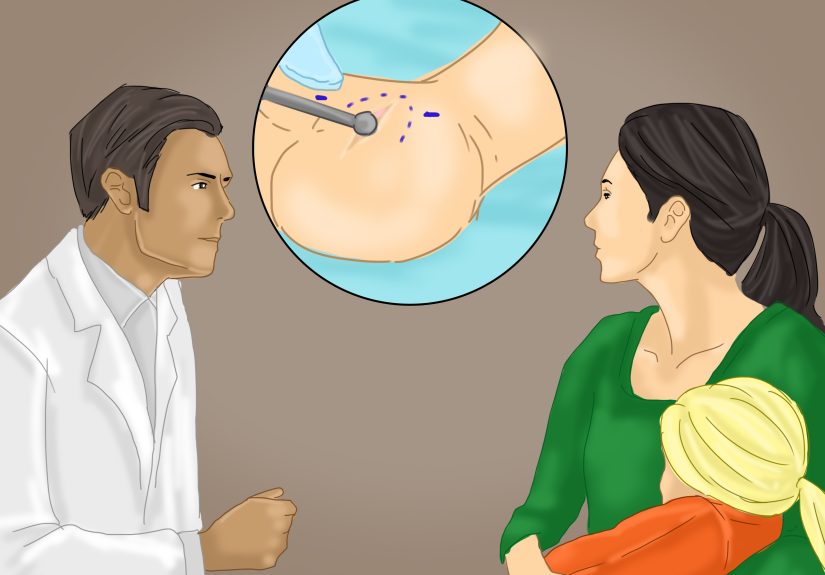
- A painful ingrown toenail, blister, or skin problem
Medical treatment depends on the cause. A sprain may need bracing, compression, and a guided return to activity. Persistent heel pain may call for a sports medicine exam, physical therapy, or temporary activity restriction. Painful flat feet may improve with orthotics and stretching. An ingrown toenail may need warm soaks, shoe changes, infection treatment, or a simple office procedure. In some cases, imaging is needed to rule out a fracture, growth-plate injury, coalition, or another structural problem.
Common conditions a doctor may look for
- Sever’s disease: A common cause of heel pain in growing, active children
- Ankle sprain: Often follows twisting or rolling the foot
- Plantar fasciitis: Pain on the bottom of the heel or arch
- Painful flat feet: Especially if arch or heel pain worsens with activity
- Ingrown toenail: Pain, swelling, and tenderness around the nail edge
- Stress injury or fracture: More likely if pain is focal, severe, or follows trauma
The key idea here is simple: home care is excellent for many mild cases, but it should not become a long-running experiment. If a child is still hurting, limping, or avoiding activity, an evaluation makes sense.
How Parents Can Tell the Difference Between “Sore” and “Needs a Doctor”
One of the hardest parts of parenting is deciding whether a complaint is a passing ache or a medical appointment in disguise. A good rule of thumb is to pay attention to function. Is your child still walking normally? Are they playing but just a little sore, or are they clearly avoiding putting weight on the foot? Are symptoms improving with rest, or getting worse no matter what?
If the pain is mild, linked to activity, and clearly improving with rest, ice, and supportive shoes, careful home treatment is reasonable. If the child is limping, cannot participate in normal movement, has visible swelling, or the pain keeps returning every time sports resume, it deserves a closer look.
Tips to Help Prevent Foot Pain From Coming Back
- Replace worn-out athletic shoes before they become pancake-flat
- Increase sports intensity gradually instead of all at once
- Encourage warm-ups and calf stretching before activity
- Use inserts or heel cups if recommended
- Trim toenails straight across to help prevent ingrown nails
- Take recurring pain seriously rather than calling it “just growing pains” every single time
Real-World Experiences Parents Often Recognize
Parents usually do not first notice foot pain during a dramatic speech. They notice it in little ways. A child who normally sprints to the car suddenly walks slowly after practice. A kid who loves basketball starts asking to sit out. A usually independent child suddenly wants to be carried from the parking lot as though they have just completed an expedition across a desert. Those small changes often tell the story before the child can explain exactly what hurts.
One common experience is the child with heel pain that appears “out of nowhere” during soccer season. At first, the pain only shows up after games. Then it appears during warm-up. Then there is a slight limp in the kitchen the morning after practice. Parents often think it is a random bruise, but the pattern of pain with running and jumping is what pushes them to seek help. Once the child rests, switches to better shoes, starts stretching, and scales back intense activity for a while, the difference can be surprisingly dramatic.
Another familiar experience is the child with flat or flexible feet who seems fine most of the time but complains after long walks, amusement parks, school events, or sports tournaments. These children may not have a visible injury at all. Their pain often builds gradually, and parents can miss it because there is no big moment when something “happened.” In many of these situations, better footwear and simple inserts make everyday life much easier. It is not glamorous, but neither is listening to a child complain through an entire zoo trip.
Then there is the classic ankle twist. Parents often see this one happen in real time: a bad landing, a rolled ankle, instant tears, and the universal child expression that says, “I would like to cancel the rest of today.” Families who use ice, rest, and support early often find that mild sprains calm down well. But when swelling is obvious or walking becomes difficult, getting evaluated quickly helps avoid guessing games.
Some of the most frustrating experiences involve toenails and skin problems. An ingrown toenail can seem minor until the child refuses shoes, avoids gym class, and winces every time a sock touches the toe. Parents are often surprised by how painful such a small area can become. The lesson here is simple: small body part, big attitude, real pain.
Across these experiences, one pattern repeats itself: parents do best when they trust what they observe. If the child is moving differently, avoiding activity, or not improving with basic care, that matters. Foot pain in children is often treatable, but it should not be ignored just because kids are active, resilient, or highly skilled at getting distracted by a popsicle. Watching the pattern, supporting the foot early, and knowing when to ask for medical guidance usually lead to the best outcomes.
Conclusion
The best treatment for foot pain in children depends on the cause, but the first steps are often refreshingly practical. Start by calming pain and inflammation with rest and ice. Next, improve support with better shoes, inserts, and stretching if the problem seems tied to overuse, flat feet, or heel strain. Finally, get medical care when symptoms are severe, persistent, or clearly not acting like a simple sore foot.
In short, there are three smart ways to treat foot pain in children: reduce irritation, support the foot, and know when to stop guessing. That combination helps most families handle the minor stuff well and catch the bigger stuff sooner. And if nothing else, it gives you a very solid reason to inspect those mysteriously flattened sneakers living by the door.