Table of Contents >> Show >> Hide
- Why Two Player Games Are So Addictive
- How to Choose the Best Two Player Game
- 35 Fun Two Player Games to Play Anytime
- 1. Chess
- 2. Checkers
- 3. Connect Four
- 4. Battleship
- 5. Scrabble
- 6. Boggle
- 7. Jenga
- 8. Mancala
- 9. Backgammon
- 10. Patchwork
- 11. 7 Wonders Duel
- 12. Jaipur
- 13. Hive
- 14. Lost Cities
- 15. Codenames Duet
- 16. Forbidden Island
- 17. Sky Team
- 18. Ticket to Ride
- 19. Azul
- 20. Uno
- 21. Gin Rummy
- 22. Cribbage
- 23. Speed
- 24. War
- 25. Go Fish
- 26. Tic-Tac-Toe
- 27. Hangman
- 28. Dots and Boxes
- 29. Rock Paper Scissors Tournament
- 30. Charades for Two
- 31. Pictionary for Two
- 32. Twenty Questions
- 33. Table Tennis
- 34. Badminton
- 35. It Takes Two
- Best Two Player Games by Mood
- Tips to Make Two Player Games More Fun
- Personal Experience: What Makes Two Player Games Truly Memorable
- Conclusion
Two-player games are the Swiss Army knife of fun: compact, flexible, and surprisingly powerful when boredom starts knocking on the door. You do not need a huge party, a complicated setup, or a dining table that looks like a medieval war map. Sometimes all you need is one other person, a little competitive spirit, and maybe a snack bowl placed safely away from the “flipping the board” zone.
Whether you are planning a cozy date night, a sibling showdown, a road trip, a rainy afternoon, or a low-effort hangout with a friend, the right two player game can turn “What should we do?” into “Okay, best two out of three.” This guide brings together classic board games, fast card games, clever strategy games, active games, and digital co-op favorites. The goal is simple: help you find fun two player games that fit your mood, space, budget, and patience level.
Why Two Player Games Are So Addictive
Two player games work because they remove the biggest obstacle in game night: scheduling humans. With only two people, you can start quickly, play at your own pace, and choose games that feel more personal. A two-player game can be cooperative, competitive, silly, strategic, physical, quiet, or completely chaotic. That variety is what makes the category so useful.
Great two player games also create better interaction. In a large group game, you might spend half the time waiting for your turn and the other half wondering who moved your snack. In a game for two, every decision matters. You are always involved, whether you are blocking a move in chess, decoding clues in Codenames Duet, or yelling “left, left, LEFT!” during a couch co-op video game.
How to Choose the Best Two Player Game
Before jumping into the list, think about the kind of fun you want. If you want conversation, choose a light card game or question-based game. If you want brainy competition, try abstract strategy or classic board games. If you want teamwork, pick a cooperative game where both players win or lose together. If you want laughs, go for physical challenges, drawing games, or fast-paced video games.
Also consider time. Some games take five minutes; others can swallow an entire evening and ask if you have plans tomorrow. The best two player game is not always the most famous one. It is the one that fits your energy level right now.
35 Fun Two Player Games to Play Anytime
1. Chess
Chess is the grandparent of strategic two player games, and it still shows up to family gatherings looking sharper than everyone else. It is perfect for players who enjoy planning, pattern recognition, and dramatic silence. Beginners can learn the basic moves quickly, while experienced players can spend years improving tactics, openings, and endgames.
2. Checkers
Checkers is simple, fast, and surprisingly sneaky. The rules are easy enough for kids, but the game still rewards patience and positioning. It is a great choice when you want a classic head-to-head match without needing a rulebook the size of a sandwich.
3. Connect Four
Connect Four is one of the best quick two player games because it mixes luck-looking simplicity with real strategy. The goal is to line up four discs, but the real fun comes from setting traps and pretending you “totally planned that” when your opponent misses one.
4. Battleship
Battleship turns guessing into a tactical duel. Players hide their fleet and take turns calling coordinates to locate and sink the opponent’s ships. It is easy to learn, portable in many versions, and excellent for people who enjoy suspense without needing complicated rules.
5. Scrabble
Scrabble is ideal for word lovers, vocabulary builders, and anyone who has ever tried to convince another person that “za” is absolutely a word. With two players, Scrabble becomes more strategic because every tile placement opens or blocks opportunities.
6. Boggle
Boggle is a fast word game where players find as many connected words as possible before time runs out. It works beautifully for two because both players compete at the same time, which means no waiting and no awkward “are you done yet?” moments.
7. Jenga
Jenga is technically about stacking blocks, but emotionally it is about blaming gravity. Two players take turns removing wooden blocks from a tower and placing them on top. The suspense builds quickly, and the loser is usually the person who breathed too confidently near the tower.
8. Mancala
Mancala is an ancient-style counting and strategy game that uses stones, seeds, or beads. It is calming, quick, and deeper than it first appears. The best part is that it teaches planning without feeling like homework showed up in disguise.
9. Backgammon
Backgammon blends strategy and dice luck in a way that keeps both players engaged. You move pieces around the board while trying to block, escape, and bear off before your opponent. It is a strong pick for players who like classic games with momentum swings.
10. Patchwork
Patchwork is a modern two-player board game about building a quilt from oddly shaped fabric pieces. That may sound gentle, but do not be fooled: this game can become a ruthless little puzzle battle. It is cozy, clever, and perfect for players who enjoy spatial strategy.
11. 7 Wonders Duel
7 Wonders Duel is one of the most popular modern two player board games for a reason. Players build civilizations, collect resources, develop science, and compete for military or civic dominance. It feels big without taking all night, making it great for strategy fans.
12. Jaipur
Jaipur is a fast card game about trading goods, managing timing, and knowing when to grab camels. It is easy to learn and has a satisfying rhythm. Because each round is short, it often becomes a “one more game” trap. You have been warned.
13. Hive
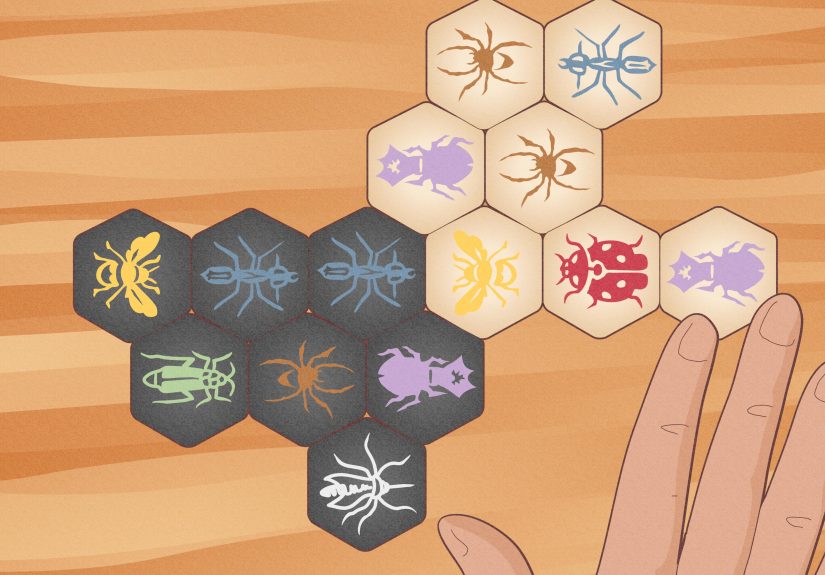
Hive is an abstract strategy game with insect tiles and no board. Players place and move bugs to surround the opponent’s queen bee. It is portable, durable, and excellent for people who like chess-like thinking in a faster, more modern package.
14. Lost Cities
Lost Cities is a two player card game about launching expeditions and managing risk. You score by committing cards to different routes, but starting too many expeditions can backfire. It is simple enough for beginners yet tense enough to keep experienced players interested.
15. Codenames Duet
Codenames Duet turns the popular word-association party game into a cooperative two-player challenge. Both players give one-word clues to help identify secret agents while avoiding assassins. It is thoughtful, funny, and occasionally reveals that your partner’s brain is powered by mysterious soup.
16. Forbidden Island
Forbidden Island is a cooperative adventure game where players collect treasures and escape before the island sinks. It is easy to teach and works well with two players because communication matters. If you like teamwork with light pressure, this is a great choice.
17. Sky Team
Sky Team is a cooperative two-player board game where players work together to land an airplane. Each person has limited information and must coordinate carefully. The theme is exciting, the gameplay is focused, and the tension rises in a fun, cinematic way.
18. Ticket to Ride
Ticket to Ride can support more players, but it still works well as a relaxed two-player game. Players collect train cards, claim routes, and connect destinations. It is approachable, colorful, and especially good for people who want strategy without too many tiny rules.
19. Azul
Azul is a tile-drafting game where players create beautiful patterns while quietly ruining each other’s plans. With two players, it becomes more tactical because every tile choice affects both boards. It is elegant, quick, and visually satisfying.
20. Uno
Uno is a classic card game that works well for two players when you want something light and dramatic. The rules are simple: match colors or numbers, use action cards, and try to empty your hand first. The friendship-testing power of a Draw Four card remains undefeated.
21. Gin Rummy
Gin Rummy is a traditional two-player card game played with a standard deck. Players draw and discard cards while trying to form sets and runs. It is a great low-cost game because all you need is a deck of cards and a willingness to keep score.
22. Cribbage
Cribbage combines card play, counting, and a scoring board. It may look old-fashioned, but it has a satisfying rhythm once you learn it. For two players who enjoy numbers, patterns, and classic card strategy, cribbage is a rewarding choice.
23. Speed
Speed is a fast card game that rewards quick reactions. Both players race to play cards in sequence, and there are no lazy turns. It is loud, energetic, and perfect when you want a game that feels like a tiny cardboard sprint.
24. War
War is one of the simplest two player card games. Players flip cards, higher card wins, and tied cards trigger a “war.” It is mostly luck, but that makes it easy for younger players and casual moments when strategy sounds exhausting.
25. Go Fish
Go Fish is friendly, easy, and great for kids or relaxed family play. Two players ask each other for matching cards and try to make books. It helps younger players practice memory, matching, and turn-taking without feeling too serious.
26. Tic-Tac-Toe
Tic-Tac-Toe is the ultimate no-equipment game because all you need is paper and a pencil. It is quick, familiar, and useful when waiting at restaurants, airports, or anywhere boredom is making eye contact with you.
27. Hangman
Hangman is a word-guessing game where one player chooses a secret word and the other guesses letters. To keep it more positive and kid-friendly, you can use a “flower,” “rocket,” or “snowman” drawing instead of the traditional version. Same guessing fun, better vibes.
28. Dots and Boxes
Dots and Boxes is another paper-and-pencil favorite. Players take turns drawing lines between dots, trying to complete boxes. It starts casually and then suddenly becomes a tactical land grab. This is how graph paper learns drama.
29. Rock Paper Scissors Tournament
Rock Paper Scissors is usually a decision tool, but you can turn it into a tournament with rounds, score limits, and silly penalties like “winner chooses the next snack.” Add best-of-seven matches and it becomes surprisingly intense.
30. Charades for Two
Charades is usually a group game, but two players can make it work by taking turns acting out movies, animals, actions, or random household objects. Use a timer, write prompts on slips of paper, and prepare to discover that “microwave” is harder to act out than expected.
31. Pictionary for Two
Pictionary for two is simple: one person draws, the other guesses. You can keep score or just play for laughs. The worse the drawing, the better the entertainment. A terrible horse sketch can carry an entire evening.
32. Twenty Questions
Twenty Questions is a conversation-based guessing game where one player thinks of a person, place, or thing, and the other asks up to twenty yes-or-no questions. It is portable, free, and excellent for car rides or walks.
33. Table Tennis
Table tennis is one of the best active two player games. It improves reflexes, coordination, and competitive banter. If you do not have a full table, mini table tennis sets can still create plenty of fun in smaller spaces.
34. Badminton
Badminton is light, active, and easier to set up than many outdoor sports. Two players can rally casually or keep score for a real match. It is especially good for backyards, parks, and days when you want movement without full athletic suffering.
35. It Takes Two
It Takes Two is a popular cooperative video game designed specifically around two-player teamwork. Each player controls a character with different abilities, and the game constantly changes mechanics across levels. It is funny, creative, and one of the strongest digital picks for players who want a shared adventure.
Best Two Player Games by Mood
For Strategy Lovers
Choose Chess, 7 Wonders Duel, Hive, Patchwork, Azul, or Jaipur. These games reward planning and smart timing. They are ideal when both players want a real mental contest instead of a casual coin flip with prettier pieces.
For Quick Laughs
Pick Jenga, Speed, Pictionary, Charades, Rock Paper Scissors Tournament, or Uno. These games are fast to start and do not require a huge learning curve. They are perfect when the goal is laughter, not a three-hour rules debate.
For Couples
Try Codenames Duet, Patchwork, Jaipur, Sky Team, Forbidden Island, or It Takes Two. Cooperative games can be especially fun for couples because they turn the evening into “us versus the challenge” instead of “I will now destroy you with tile placement.” Of course, a little friendly competition is healthy too.
For Kids and Families
Go Fish, War, Connect Four, Checkers, Battleship, Mancala, and Ticket to Ride are strong family-friendly options. They are easy to explain, not too intense, and help younger players practice memory, patience, logic, and sportsmanship.
For No-Budget Fun
If you want free or nearly free two player games, use a standard deck of cards or a piece of paper. Gin Rummy, Speed, War, Go Fish, Tic-Tac-Toe, Dots and Boxes, Hangman, Twenty Questions, and homemade Pictionary can fill a lot of time without costing more than a pencil and a flat surface.
Tips to Make Two Player Games More Fun
First, match the game to the energy level. Do not introduce a heavy strategy game when one person is tired enough to lose a staring contest with a pillow. Choose lighter games when people are sleepy and deeper games when both players want a challenge.
Second, use short sessions. Many two player games become more fun when played as a series. Best-of-three matches, rotating game choices, or mini tournaments can keep the mood fresh. If one game starts dragging, switch. Game night should not feel like being trapped in a very polite meeting.
Third, adjust rules when needed. House rules can make games more accessible, especially with kids or new players. You can simplify scoring, shorten rounds, or add silly bonus challenges. As long as both players agree, the fun police do not need to be called.
Finally, remember that the best two player games are about connection. Winning is fun, but the real value is the shared moment: laughing at a bad drawing, celebrating a clever move, or replaying a round because the loser insists “the table was uneven.”
Personal Experience: What Makes Two Player Games Truly Memorable
The best experiences with two player games usually happen when the game fits the relationship between the players. A super competitive pair may love chess, Hive, or 7 Wonders Duel because those games create a satisfying battle of brains. A more relaxed pair may have a better time with Patchwork, Go Fish, or Ticket to Ride because the mood stays friendly and conversational. The magic is not only in the game box; it is in how two people use the game to spend time together.
One of the most underrated parts of two-player gaming is the rhythm. In a group game, attention gets divided. Someone checks their phone, someone asks whose turn it is, and someone is mysteriously always in the kitchen. With two players, the rhythm is tighter. You make a move, the other person responds, and the game becomes a small conversation made of choices. That is why even simple games like Connect Four or Mancala can feel satisfying. You are not just moving pieces; you are reading the other person.
Two player games are also great for different personalities. A quiet person may open up during a cooperative game because the focus is on solving the puzzle together. A talkative person may enjoy word games, guessing games, or drawing games because they create funny stories. Kids often learn patience and fair play through short games like Go Fish or Checkers. Adults often rediscover how nice it feels to do something screen-free for twenty minutes without needing a big plan.
Digital two-player games create a different but equally memorable experience. A co-op game like It Takes Two can make players communicate constantly. One player may be better at platforming, while the other is better at solving puzzles. That difference creates teamwork. The funniest moments often come from failure: missed jumps, bad timing, wrong buttons, and the classic “I thought you were doing that!” Those tiny disasters are not interruptions to the fun; they are the fun.
Card games are another personal favorite because they travel well. A single deck can become Gin Rummy, Speed, War, Go Fish, or a made-up game invented at 11:47 p.m. during a power outage. Card games do not need perfect conditions. They work on coffee tables, hotel beds, picnic blankets, and airport floors if you are brave enough to trust the cleanliness of the universe.
Outdoor two player games bring a physical layer that board and card games cannot. Badminton and table tennis are especially good because the rally itself becomes enjoyable, even without strict scoring. You can play seriously, or you can just try to keep the shuttlecock or ball going as long as possible. That cooperative-competitive balance makes active games feel light and social.
What I have noticed is that the most replayed two player games usually share three qualities: they are easy to restart, they create close moments, and they leave room for personality. Jenga lets cautious players and bold players reveal themselves instantly. Pictionary turns artistic confidence into comedy. Jaipur rewards timing. Chess rewards patience. Codenames Duet rewards how well two people understand each other’s clues, references, and strange mental shortcuts.
The biggest lesson is simple: do not save games only for “game night.” Two player games are perfect for small pockets of time. Ten minutes before dinner? Play Connect Four. Rainy afternoon? Try Forbidden Island. Waiting for someone? Play Twenty Questions. Need a low-cost date idea? Pick Codenames Duet, Patchwork, or a deck of cards. The more casually you use games, the more often they create good memories.
In a world full of endless scrolling and half-watched shows, two player games give people something rare: focused attention. For a little while, both players are in the same moment, reacting to the same challenge, laughing at the same mistake, and maybe arguing over whether that last move was genius or suspiciously lucky. That is why fun two player games never really go out of style.
Conclusion
Two-player games prove that you do not need a crowd to have a great time. From timeless classics like Chess, Checkers, and Battleship to modern favorites like Patchwork, Jaipur, Sky Team, and It Takes Two, there is a two player game for almost every mood. Some are quick and silly. Some are strategic and intense. Some are cooperative enough to strengthen teamwork, while others are competitive enough to inspire a dramatic rematch.
The best approach is to keep a mix of options: one standard deck of cards, one quick board game, one deeper strategy game, one cooperative game, and one active game. That small collection can cover rainy days, date nights, family time, travel delays, and those random evenings when everyone is tired of screens but nobody wants to admit it first.
Note: This article was developed from real game formats, widely recognized classics, modern tabletop recommendations, family activity guidance, and current two-player co-op gaming trends. Source links are intentionally not displayed, as requested.
![18 Best Types of Charts and Graphs for Data Visualization [+ How to Choose]](https://corkopencoffee.org/wp-content/uploads/2026/05/18-best-types-of-charts-and-graphs-for-data-visualization-how-to-choose-qKM1PBYG-thumb.jpg)