Table of Contents >> Show >> Hide
- How we chose the best CBD creams for pain
- Quick shortlist: 4 best CBD creams for pain for 2025
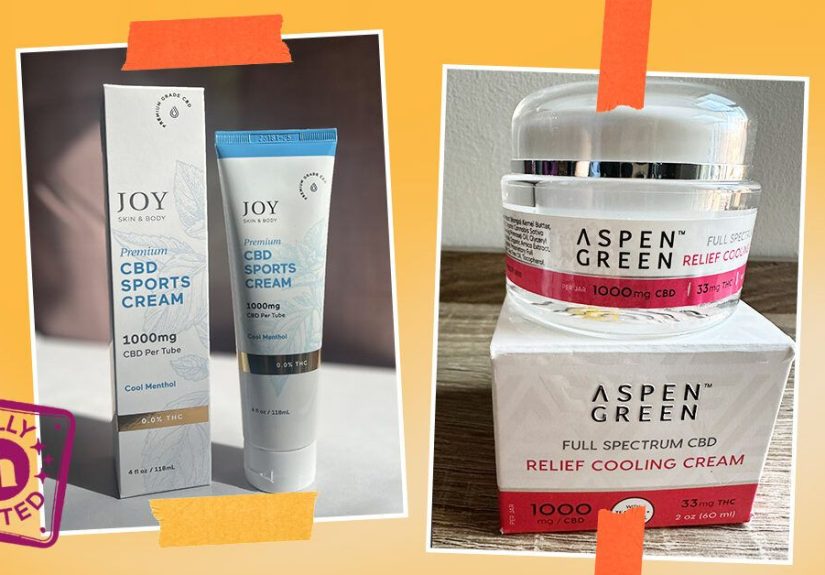
- 1) Joy Organics Premium CBD Sports Cream
- 2) Cornbread Hemp CBD Lotion + Menthol
- 3) Medterra Pain Relief Cream
- 4) CBDfx CBD Cream for Muscle & Joint (Cooling Formula)
- What the science says about CBD creams for pain
- How to choose a CBD cream for pain without getting played
- How to use CBD cream for pain
- FAQ
- Bottom line
- Real-world experiences: what people typically notice (and what surprises them)
- SEO tags (JSON)
Pain has a talent for showing up uninvitedlike that one group chat cousin who “just wants to talk.”
If you’ve been eyeing CBD creams for sore muscles, cranky joints, or the general “why does my back exist?” feeling,
this guide is for you.
Two quick, very adult notes before we get to the fun part:
(1) topical CBD is not an FDA-approved pain treatment, and many products are sold with more marketing than proof;
(2) the best CBD cream is the one that’s transparent about what’s insidebecause “trust me, bro” is not a lab report.
We’ll keep it practical, evidence-aware, and just sarcastic enough to stay awake.
How we chose the best CBD creams for pain
“Best” is a strong word. So we treated it like a title you earnnot a sticker you slap on a jar.
Our picks leaned on criteria used by major U.S. health outlets and regulators’ recurring concerns:
product transparency (easy-to-find third-party lab reports), clearer labeling, and formulas designed for real-world use.
Our non-negotiables
- Third-party testing (COA): A certificate of analysis you can actually locate and read (not “available upon request” into the void).
- Contaminant screening: Tests that cover common worries like heavy metals, pesticides, microbes, and residual solvents.
- Honest dosing: CBD listed as total milligrams in the container and (ideally) approximate mg per serving/application.
- Comfort ingredients that make sense: Menthol, arnica, camphor, capsaicin, or botanical blendsbecause “CBD only” isn’t always the whole story.
- User-friendly texture: Absorbs without feeling like you buttered yourself for a skillet.
Quick shortlist: 4 best CBD creams for pain for 2025
- Joy Organics Premium CBD Sports Cream Best overall for muscle soreness
- Cornbread Hemp CBD Lotion + Menthol Best full-spectrum “deep tissue” feel
- Medterra Pain Relief Cream Best THC-free isolate-style option
- CBDfx CBD Cream for Muscle & Joint (Cooling Formula) Best menthol + botanical blend
Heads up: topical CBD research is still evolving. Some people swear by CBD creams; others mostly feel the menthol and a nice massage.
That doesn’t mean topicals are uselessit means you should shop like a skeptic and treat results as “possible,” not “promised.”
1) Joy Organics Premium CBD Sports Cream
Best for: post-workout soreness, tight shoulders, and the “I carried groceries once and now I’m 80” vibe.
Why it’s on the list
This is one of the most consistently recommended CBD sports creams in mainstream CBD roundups, largely because it checks the transparency boxes:
clearly stated CBD content, third-party testing, and a formula built for targeted rub-in use rather than “luxury lotion vibes.”
What stands out in the formula
- CBD type: often positioned as broad-spectrum (THC-free or trace-THC depending on batch/labelalways verify your COA).
- Cooling/warming helpers: menthol and camphor can create fast sensory relief even before CBD has time to do anything interesting.
- Texture: designed for spot application (think: knees, calves, neck) instead of “whole-body moisturizer.”
Who should consider it
- Active folks who want a topical that feels like it’s doing something within minutes (often thanks to menthol/camphor).
- People who prioritize lab reports and straightforward labeling.
Potential downsides
- Strong cooling/warming ingredients can irritate sensitive skinpatch test first.
- If you’re avoiding THC for any reason, confirm the COA (don’t trust the front label alone).
2) Cornbread Hemp CBD Lotion + Menthol
Best for: broader areas (lower back, thighs) and anyone who wants a full-spectrum option with a “deep tissue” cooling feel.
Why it’s on the list
Full-spectrum products are popular with people who believe the “whole plant” mix matters.
This one is frequently highlighted by major lifestyle/health outlets for its menthol-forward formula and brand positioning around organic hemp.
If you want a lotion that can cover a bigger area while still feeling targeted, this is a strong contender.
What stands out in the formula
- Full-spectrum CBD: may include trace THC within legal hemp limitsimportant for anyone who’s cautious about drug testing.
- Menthol + botanicals: menthol provides immediate cooling; botanicals like arnica show up in many “muscle comfort” topicals.
- Lotion format: easier for larger areas than thick balms or stick applicators.
Who should consider it
- People who want a full-spectrum topical and don’t mind trace THC.
- Anyone who prefers lotion coverage over a super-concentrated spot cream.
Potential downsides
- Full-spectrum means THC can be presentif that’s a dealbreaker, choose an isolate-style option.
- Menthol can feel intense near sensitive areas; keep it on intact skin only and wash hands after.
3) Medterra Pain Relief Cream
Best for: THC-avoidant shoppers who still want a “classic pain cream” feel (cooling, soothing, rub-in friendly).
Why it’s on the list
Medterra is often recommended for people who want CBD without THC.
More importantly, this product category tends to be clearer about what makes it feel like a pain cream:
familiar comfort ingredients (like menthol) plus CBD, rather than asking CBD to carry the whole team on its back.
What stands out in the formula
- Common positioning: CBD isolate / THC-free (verify on COA).
- Menthol + arnica: menthol delivers fast cooling; arnica is a frequent add-in for “bruise/strain comfort” style formulas.
- Practical packaging: typically designed for targeted use, not just skincare aesthetics.
Who should consider it
- People avoiding THC due to personal preference or workplace testing policies.
- Anyone who wants a no-nonsense cream that behaves like a traditional muscle rub.
Potential downsides
- “THC-free” should always be backed by a current COAbatch-to-batch variability is real in the CBD market.
- Strong menthol + frequent reapplication can irritate skin for some users.
4) CBDfx CBD Cream for Muscle & Joint (Cooling Formula)
Best for: people who love a cooling cream and want a formula built around multiple comfort ingredients.
Why it’s on the list
CBDfx makes a “stacked” topicalCBD plus botanicals and mentholaimed at muscle and joint comfort.
This matters because the immediate sensation many people like from topicals usually comes from menthol/counterirritants,
while CBD (if it helps) may be more subtle and gradual.
What stands out in the formula
- Broad-spectrum CBD: typically marketed as THC-free, but verify via COA.
- Menthol: fast cooling sensation that many people associate with relief.
- Botanical add-ons: commonly includes ingredients like white willow bark and caffeine in some versions.
- Texture: usually formulated to rub in without leaving a heavy residue.
Who should consider it
- Those who want a noticeable cooling cream and don’t want to rely on CBD alone.
- Anyone comparing “sports rub” style topicals.
Potential downsides
- More ingredients can mean more chances for skin sensitivitypatch test is your friend.
- Don’t assume “broad-spectrum” automatically means “0 THC”confirm in the lab report.
What the science says about CBD creams for pain
The big-picture evidence on cannabinoids and chronic pain is complicated: some research finds small improvements in certain pain outcomes,
while other studies find minimal benefit. A major evidence review approach used by U.S. health agencies continues to track both benefits and harms.
For topical CBD specifically, the evidence is thinner and more mixed.
There are clinical trials suggesting topical CBD may help certain localized arthritis pain,
and there are also trials in other conditions where CBD-rich topical oils didn’t beat placebo by much.
Translation: it’s promising enough to study, but not solid enough to treat like a guaranteed fix.
Also, many “CBD pain creams” contain ingredients that can create relief-like sensations on their ownmenthol, camphor, capsaicin, arnica.
Sometimes the magic is CBD; sometimes it’s menthol plus massage plus time plus the placebo effect doing a group project.
(Placebo still counts as “your brain helping,” but your wallet deserves honesty.)
How to choose a CBD cream for pain without getting played
1) Read the COA like you’re judging a baking show
- Match the batch number on the jar to the lab report.
- Check potency: does CBD roughly match what the label claims?
- Check contaminants: heavy metals, pesticides, microbes, residual solvents.
2) Pick your CBD type based on your “THC tolerance” (socially, not emotionally)
- Full-spectrum: includes other cannabinoids and may include trace THC (legal hemp limits).
- Broad-spectrum: similar, but typically formulated to remove THC; still confirm via COA.
- Isolate: CBD only; often chosen by THC-avoidant shoppers.
3) Decide whether you want “fast feel” or “slow maybe”
If you want an immediate sensation, look for menthol/camphor/capsaicin.
If you’re trying CBD mainly for potential anti-inflammatory effects, you might prefer a gentler formula with fewer counterirritants.
Neither is morally superioryour knees don’t care about your philosophy.
4) Don’t let the jar diagnose you
Be wary of products claiming to “treat arthritis,” “cure neuropathy,” or “replace prescription meds.”
In the U.S., regulators have repeatedly warned companies about making disease-treatment claims for CBD products.
A reputable brand focuses on quality, transparency, and appropriate cosmetic/OTC-style language.
How to use CBD cream for pain
- Patch test: try a small amount on your forearm and wait 24 hours.
- Apply to intact skin: avoid cuts, rashes, and mucous membranes.
- Massage it in: 30–60 seconds helps spread product and may help sore tissue feel looser.
- Wait and assess: menthol may feel fast; CBD effects (if any) may take longer and vary.
- Reapply as directed: follow label guidance; more isn’t always better for sensitive skin.
- Wash hands: especially if the formula contains menthol or capsaicin. Eyes are delicate. Your future self will thank you.
If you’re pregnant, nursing, managing a chronic condition, or taking medications with potential interactions,
talk with a clinician before using CBD productseven topical ones.
FAQ
Will CBD cream get you high?
Typical topical CBD products are not intended to cause intoxication. However, full-spectrum products can contain trace THC.
If you’re THC-avoidant, choose isolate/broad-spectrum and confirm with a current COA.
How long does CBD cream take to work?
If the cream contains menthol/camphor, you may feel cooling or warming within minutes.
Any CBD-specific benefit can be more subtle and varies by person, formulation, and the type of pain.
Is CBD cream legal in the U.S.?
Hemp-derived CBD (containing no more than 0.3% THC by dry weight) is generally considered federally legal,
but state rules and enforcement can vary. When in doubt, check your local regulations.
Can CBD cream replace my pain medication?
Don’t replace prescribed treatment without medical guidance. CBD topicals are best viewed as a complementary tool
for minor aches or localized discomfortespecially when paired with common-sense strategies like movement, heat/ice, and recovery.
Bottom line
The best CBD creams for pain in 2025 aren’t necessarily the ones with the loudest claimsthey’re the ones with the clearest receipts.
If you choose lab-tested products, pick the right CBD type for your needs, and respect your skin’s sensitivity,
CBD topicals can be a reasonable “try and see” option for localized soreness.
Just keep expectations realistic: sometimes the biggest win is a cooling cream, a good massage, and the comforting illusion that you have your life together.
Real-world experiences: what people typically notice (and what surprises them)
Let’s talk about how CBD creams tend to show up in real lifebecause nobody buys a jar of topical CBD to admire it on a shelf.
In everyday use, most people report that the first thing they notice isn’t CBD at all. It’s the formula’s “headline ingredient,”
usually menthol or camphor. That quick cooling sensation can feel like your muscles just took a deep breath.
For sore calves after a long walk, tight traps after a day of laptop hunching, or a stiff knee that complains when you stand up,
the immediate effect is often: “Okay, that feels better… or at least different.”
The second experience is surprisingly underrated: the massage. People apply these creams with intentionrubbing longer, pressing gently,
and paying attention to the sore spot instead of ignoring it like an overdue email. That alone can loosen tension and improve comfort.
So if a CBD cream feels helpful, it may be CBD, it may be the menthol, and it may be the simple act of taking 60 seconds to care for the area.
(Wild concept, I know.)
Over a week or two, some users describe a “background improvement” rather than a dramatic oneless post-activity soreness,
fewer sharp complaints from a specific joint, or easier movement in the morning. Others feel nothing beyond the cooling effect,
especially if they’re dealing with deeper nerve pain or widespread inflammation where a topical can’t realistically reach.
A common pattern is that people with localized discomfortone elbow, one wrist, one kneeare more likely to feel a meaningful change
than people with pain that’s diffuse, severe, or systemic.
Another real-world moment: scent and texture can make or break the relationship. Some creams smell like a peppermint avalanche.
Others are milder but feel greasy. The “best” product is often the one you’ll actually use consistently.
People also learn quickly that application timing matters. After a warm shower, skin is relaxed, pores are open-ish,
and rubbing in cream feels easier. Before sleep, a cooling cream can be comfortingunless the menthol is so strong it feels like your knee joined an ice bath.
The practical takeaway: start with a small amount, wait 15–30 minutes, and scale up slowly.
Finally, the surprise: COAs become the new normal. Once someone learns that a lab report can confirm potency and screen for contaminants,
they rarely want to go back to mystery jars. Many shoppers also develop a preference for CBD typefull-spectrum if they don’t mind trace THC,
isolate/broad-spectrum if they do. And almost everyone, sooner or later, discovers the sacred rule of menthol topicals:
wash your hands before touching your eyes. Your tear ducts deserve OSHA protections.