Table of Contents >> Show >> Hide
- What Are 4 Chirag Design Chik Blinds?
- Why Chik Blinds Are Having a Design Moment
- Where to Use Chirag Design Chik Blinds
- How to Style 4 Chirag Design Chik Blinds
- Inside Mount vs. Outside Mount
- Privacy, Light Control, and Liners
- Safety Considerations for Chik Blinds
- How to Care for Bamboo Chik Blinds
- Pros and Cons of 4 Chirag Design Chik Blinds
- Buying Tips Before You Order
- Design Experience: Living With Chirag-Style Chik Blinds
- Conclusion
Some window treatments quietly do their job. Others walk into a room wearing linen, carrying a passport, and somehow make your living room look like it has better taste than you do. 4 Chirag Design Chik Blinds fall into the second group. Made from bamboo and inspired by traditional Indian split-bamboo chik blinds, this style of window covering brings filtered light, texture, privacy, and a design-forward sense of calm to interiors that might otherwise be stuck in the “plain white roller shade and good intentions” phase.
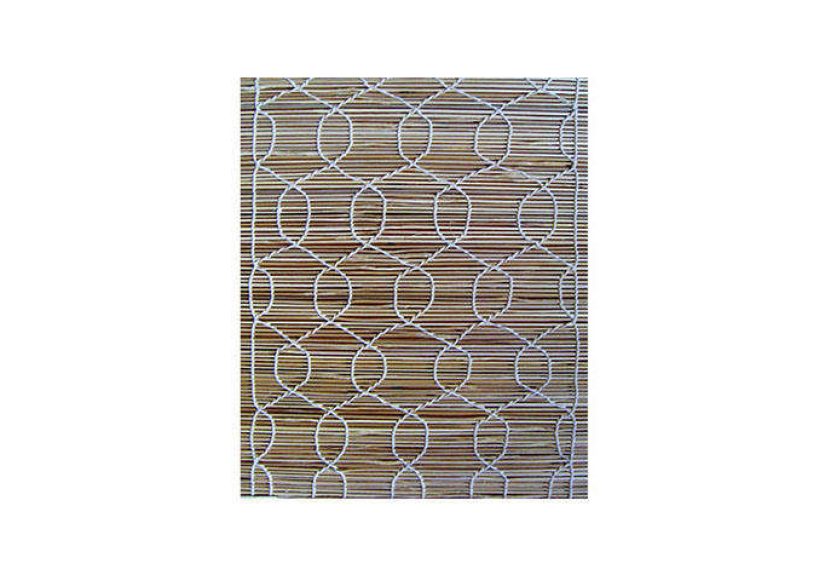
The name may sound specific because it is. The 4 Chirag Design Chik Blinds are associated with Joss Graham and are described as a bamboo chik blind with a Chirag “pot” design. In practical terms, that means you are looking at a natural, handcrafted-style window treatment with decorative personality, not a flat, forgettable blind that disappears into the wall. It is the kind of piece that can soften a sunny room, add pattern without shouting, and make a window feel finished rather than merely covered.
In this guide, we will explore what Chirag Design Chik Blinds are, why bamboo blinds have become a favorite among designers, where they work best, how to style them, what to know before ordering, and how to care for them without accidentally turning your elegant window treatment into a sad craft project.
What Are 4 Chirag Design Chik Blinds?
4 Chirag Design Chik Blinds are bamboo chik blinds connected with the Joss Graham collection and identified by their Chirag “pot” design. Chik blinds, broadly speaking, are traditional split-bamboo blinds that originated in India and have long been used to shield interiors from strong sunlight while still allowing airiness, privacy, and filtered natural light.
Unlike heavy drapes that can make a room feel formal or enclosed, chik blinds have a lighter presence. They do not erase sunlight; they edit it. The effect is softer, more atmospheric, and more organic. Picture afternoon light passing through fine bamboo slats, creating a warm dappled pattern across a floor, table, or wall. That is the appeal. These blinds do not simply block the outside world; they translate it into something beautiful.
Why the “Chirag” Design Matters
The Chirag design is described as a “pot” design, which gives the blind a decorative identity beyond its natural bamboo texture. Instead of relying only on the horizontal rhythm of bamboo slats, the motif adds visual structure. For homeowners and designers, this matters because a patterned blind can act almost like artwork. It brings detail to a window without requiring loud color, heavy fabric, or dramatic hardware.
This makes Chirag Design Chik Blinds especially useful in rooms where you want the window treatment to feel intentional but not fussy. They can suit a sunroom, reading nook, kitchen, dining room, powder room, bedroom, or shaded veranda. In the right setting, they deliver that rare design combination: relaxed but polished, handmade-looking but sophisticated, timeless but not boring.
Why Chik Blinds Are Having a Design Moment
Bamboo blinds and woven wood shades have been around for generations, but they feel surprisingly current. The reason is simple: modern interiors are craving warmth. After years of cold minimalism, gray floors, glossy finishes, and rooms that look like nobody has ever spilled coffee in them, natural materials are back in a big way.
Chik blinds fit beautifully into that shift. They bring in texture, pattern, and craft. They also connect with several major interior design trends: biophilic design, layered neutrals, natural materials, global influence, and softer light control. In plain English, they make a room feel more human.
They Add Texture Without Clutter
Texture is one of the easiest ways to make a room feel finished. A space can have a perfect sofa, a nice rug, and a respectable coffee table, but if every surface is smooth, it can still feel flat. Bamboo blinds solve that problem immediately. Their woven or split-bamboo structure adds depth to the window, especially when paired with plaster walls, painted trim, stone floors, wood furniture, or crisp white curtains.
The Chirag pattern adds another layer of interest. It gives the blinds a decorative rhythm, which means they can hold their own in a room with simple furniture. If your style leans classic, they add casual charm. If your style leans modern, they prevent the room from feeling too sterile. If your style leans “I bought this chair because it was on sale and now I am building a personality around it,” they help with that too.
They Filter Light Beautifully
One of the biggest reasons designers love bamboo and chik blinds is the way they manage sunlight. They are not typically meant to create total darkness unless paired with a liner. Instead, they soften glare and reduce harsh brightness while allowing some natural light to enter. This makes them excellent for living rooms, breakfast areas, offices, and spaces where you want daylight without feeling like the sun has personally challenged you to a staring contest.
In hot or bright climates, light-filtering window treatments can also contribute to comfort. Window coverings can help regulate indoor temperature and reduce solar heat gain when used wisely. Chik blinds are not a magic force field against summer, but they can make a sunny room feel more comfortable and visually gentle.
Where to Use Chirag Design Chik Blinds
The best room for 4 Chirag Design Chik Blinds is one where natural texture, filtered light, and decorative detail will be appreciated. They work especially well in spaces that receive strong daylight or need privacy without the heaviness of lined drapery.
Living Rooms
In a living room, Chirag Design Chik Blinds can create a relaxed, collected look. They pair well with linen sofas, slipcovered chairs, antique wood tables, rattan accents, jute rugs, framed art, and warm neutral palettes. If the room already has a lot of pattern, the bamboo tone can calm it down. If the room is very simple, the Chirag motif can add just enough visual interest.
Kitchens and Breakfast Nooks
Kitchens often need window treatments that feel light, clean, and practical. Heavy curtains can seem too formal or collect cooking odors. Bamboo chik blinds bring warmth to tile, stone, painted cabinets, and metal fixtures. In a breakfast nook, they can make morning light feel cozy rather than aggressive. Your coffee will not taste better, but the room might convince you that it does.
Bedrooms
For bedrooms, chik blinds can be beautiful, but privacy and darkness should be considered carefully. Bamboo and woven wood shades can allow some visibility depending on the weave and lighting conditions. If privacy is important, especially at night, consider adding a privacy liner, blackout liner, or pairing the blinds with curtains. This gives you the best of both worlds: the texture of bamboo during the day and better coverage when you need it.
Powder Rooms and Bathrooms
A powder room can be a great place for a decorative chik blind because the window is often smaller and the design impact is high. Bathrooms, however, require caution. Natural bamboo should generally be kept away from persistent moisture. If the bathroom has excellent ventilation and the blind is not near direct spray, it may work. In damp or humid spaces, choose carefully and follow the retailer’s care guidance.
How to Style 4 Chirag Design Chik Blinds
Chirag Design Chik Blinds are flexible, but they shine when treated as part of a layered room rather than as an afterthought. The secret is to repeat their natural warmth elsewhere in the space.
Pair Them With Linen Curtains
One of the most elegant ways to use bamboo chik blinds is to layer them with curtains. Use the blinds for texture and daytime filtering, then add linen or cotton drapery panels for softness and privacy. White, ivory, oatmeal, taupe, and soft clay tones all work beautifully. This combination feels breezy but finished, like a designer came by and whispered, “Let’s not overcomplicate this.”
Use Natural Materials Nearby
To make the blinds feel connected to the room, echo their natural quality with other materials. Try a cane chair, a wood-framed mirror, a woven basket, a rattan pendant, a sisal rug, or ceramic pottery. You do not need to turn your home into a bamboo showroom. A few repeated textures are enough.
Balance the Pattern
Because the Chirag design includes a decorative motif, balance it with simpler surrounding elements. If your walls are already covered in bold wallpaper, choose furniture and textiles that do not fight the blind. If your room is mostly neutral, the blind can become the patterned accent. Think of it as the room’s jewelry: interesting, visible, but not trying to sing the national anthem.
Inside Mount vs. Outside Mount
Before ordering custom chik blinds, measuring matters. A lot. A beautiful blind in the wrong size is basically a very expensive bookmark for your window.
Inside Mount
An inside mount sits within the window frame. It creates a clean, built-in look and works well when your window casing has enough depth. For this option, measure the width at the top, middle, and bottom of the window opening. Use the narrowest width so the blind can operate freely. Then measure the height at multiple points and follow the maker’s instructions for final sizing.
Outside Mount
An outside mount is installed above or around the window frame. This option can make windows look larger, hide imperfect trim, and provide better coverage. It is also helpful when the window frame is too shallow for an inside mount. For outside mounting, you typically add extra width and height beyond the frame to reduce light gaps and improve privacy.
Privacy, Light Control, and Liners
Chik blinds are excellent for filtered light, but they are not always the right choice for total privacy on their own. Bamboo and woven wood materials can vary in openness. A tighter weave provides more coverage, while a more open weave allows more light and visibility. This is part of their charm, but it is also something to plan for.
If the blinds will face a street, neighboring home, or bedroom window, consider a liner. A light-filtering liner keeps the look soft while improving privacy. A blackout liner is better for bedrooms, nurseries, media rooms, or anyone who considers sunrise a personal attack.
Safety Considerations for Chik Blinds
Window-covering cords require serious attention, especially in homes with young children. Modern safety guidance strongly favors cordless window coverings or designs with inaccessible cords. If you are ordering custom chik blinds, ask the retailer about available operating systems and whether the cords meet current safety standards.
For family homes, cordless or safely tensioned systems are the smartest route. Keep beds, cribs, chairs, and climbable furniture away from windows with cords. Even the most beautiful blind is not worth a safety risk.
How to Care for Bamboo Chik Blinds
Bamboo is durable, but it is still a natural material. Treat it kindly and it will age with grace. Treat it like plastic patio furniture and it may file a complaint.
Dust Regularly
Use a feather duster, microfiber cloth, or vacuum with a soft brush attachment. Work gently from top to bottom so dust falls downward instead of redistributing itself like it owns the place.
Avoid Excess Moisture
Natural bamboo shades should generally be kept dry. Too much moisture can cause discoloration, warping, or mold. Avoid spraying cleaning products directly onto the bamboo. If spot cleaning is needed, use the mildest method recommended by the manufacturer and test carefully in an inconspicuous area.
Handle the Roll Carefully
Roll-up bamboo blinds can require more manual effort than modern cordless shades. Raise and lower them evenly, and avoid yanking the cords or forcing the blind into position. A little patience keeps the slats aligned and the blind looking crisp.
Pros and Cons of 4 Chirag Design Chik Blinds
Pros
- Natural bamboo material adds warmth and texture.
- The Chirag “pot” design gives the blind decorative character.
- Excellent for filtering sunlight and softening glare.
- Works with classic, coastal, bohemian, traditional, and modern interiors.
- Can be customized in size and color through the retailer.
- Pairs beautifully with curtains, linen, rattan, wood, and natural rugs.
Cons
- May not provide full privacy without a liner.
- Natural bamboo is not ideal for very damp spaces.
- Custom orders may require careful measuring and patience.
- Traditional corded operation may not be suitable for every household.
- Patterned designs need thoughtful styling so the room does not feel too busy.
Buying Tips Before You Order
First, decide what job the blind must do. Is it mainly decorative? Is it for light filtering? Privacy? Heat control? A bedroom that needs darkness? The answer will determine whether you need a liner, outside mount, or layered curtains.
Second, order samples if available. Bamboo tones can look different depending on daylight, wall color, and nearby finishes. A warm golden bamboo may look charming in one room and surprisingly orange in another. Samples prevent drama. Your future self will be grateful.
Third, measure more than once. Windows are often not perfectly square, especially in older homes. Measure width and height in multiple places and follow the retailer’s instructions. If the blind is expensive or the window is tricky, consider professional measuring or installation.
Finally, think about the whole room. Chirag Design Chik Blinds have personality, so give them space to be noticed. They are not background extras; they are supporting actors with excellent cheekbones.
Design Experience: Living With Chirag-Style Chik Blinds
After working with natural window treatments in different interior settings, one thing becomes clear: bamboo blinds change the mood of a room faster than almost any other detail. Paint changes color, rugs change comfort, but blinds change light. And light is the secret ingredient that makes a room feel alive.
In a bright living room, Chirag-style chik blinds can make midday sunlight feel less harsh. Instead of closing the room off, they create a soft screen. The result is especially pleasant in spaces with white walls or pale upholstery, where direct sun can sometimes feel too sharp. The bamboo warms everything. A plain sofa looks more relaxed. A wood table looks richer. Even houseplants seem to stand a little taller, as if they suddenly have better management.
In dining spaces, these blinds are particularly effective because they create atmosphere without taking up visual room. Heavy drapes can feel too formal around a casual dining table, while bare windows can feel unfinished. Chik blinds sit comfortably between those extremes. They let the room breathe, but they also make it feel considered. During dinner, especially in late afternoon, the filtered light can create a soft pattern that makes even takeout look like a lifestyle choice.
In bedrooms, the experience depends heavily on liners and layering. Unlined bamboo blinds are beautiful in the morning, but they may not satisfy someone who wants complete darkness or strong nighttime privacy. The best setup is often a lined chik blind with simple side panels. During the day, the blind provides texture and filtered sun. At night, the curtains add privacy and softness. This combination feels luxurious without being stiff.
One practical lesson: natural blinds look best when the surrounding trim and hardware are tidy. Because the blind draws attention to the window, old chipped trim, crooked brackets, or mismatched screws suddenly become more noticeable. Before installation, it is worth touching up paint, cleaning the glass, and making sure the mounting area is ready. This is the unglamorous part of design, but it pays off. Beautiful blinds deserve a clean stage.
Another experience-based tip is to avoid overmatching. You do not need bamboo blinds, bamboo chairs, bamboo lamps, bamboo trays, and a bamboo-framed mirror all in the same room. That can go from “natural elegance” to “panda vacation rental” very quickly. Instead, repeat the tone lightly. A woven basket, a warm wood bowl, or a rattan accent chair is enough to make the blinds feel intentional.
Chirag Design Chik Blinds also work surprisingly well in rooms with contemporary art. The natural texture balances sharper modern pieces and keeps the room from feeling too gallery-like. They can also soften black metal windows, stone counters, and angular furniture. The result is a layered space that feels collected over time rather than purchased in one exhausting weekend.
Maintenance is manageable, but consistency matters. A quick dusting every week or two is much easier than rescuing blinds that have collected months of dust, pollen, and kitchen film. If you live in a humid climate, ventilation matters too. Natural bamboo appreciates fresh air and dryness. It does not enjoy being trapped in a steamy bathroom like it has made poor life choices.
The biggest emotional benefit of Chirag-style chik blinds is that they make a home feel less generic. Many window treatments solve a problem. These solve a problem and add a story. They reference craft, travel, sunlight, shade, and tradition, yet they still feel usable in modern American homes. That is why designers keep returning to bamboo and woven wood blinds. They are practical, but they also have soul.
Conclusion
4 Chirag Design Chik Blinds are more than bamboo window coverings. They are a design detail with history, texture, pattern, and practical value. Their Chirag “pot” motif adds decorative charm, while the bamboo construction brings warmth and filtered light into a room. Used thoughtfully, they can transform a window from a blank opening into a focal point that feels natural, elegant, and quietly memorable.
They are best for homeowners who love layered interiors, natural materials, and sunlight that arrives politely instead of barging in uninvited. Measure carefully, consider privacy liners where needed, prioritize safe operating systems, and care for the bamboo gently. Do that, and these blinds can become one of those rare home details that guests notice without knowing exactly why the room feels so good.