Table of Contents >> Show >> Hide
- What the “superhero spectrum” really means
- Why the hero metaphor helps and where it goes wrong
- The core powers on the health care spectrum
- Real-world examples of the superhero spectrum in action
- The hidden villains: burnout, overload, and fragmentation
- Why patients benefit from the full spectrum
- How health organizations can support the spectrum
- A more honest hero story for modern medicine
- Experiences from the superhero spectrum in health care
Note: This article is based on real, reputable U.S. health-care guidance and trends, then rewritten for web publication in a clean, reader-friendly format.
Health care loves a hero story. The exhausted ER doctor who somehow keeps going. The nurse who spots a silent problem before it becomes a loud disaster. The pharmacist who catches a medication mix-up with detective-level timing. The therapist who helps a patient find solid ground after life has gone completely off-script. We call these people heroes because, honestly, sometimes “very skilled professional performing five miracles before lunch” feels too wordy.
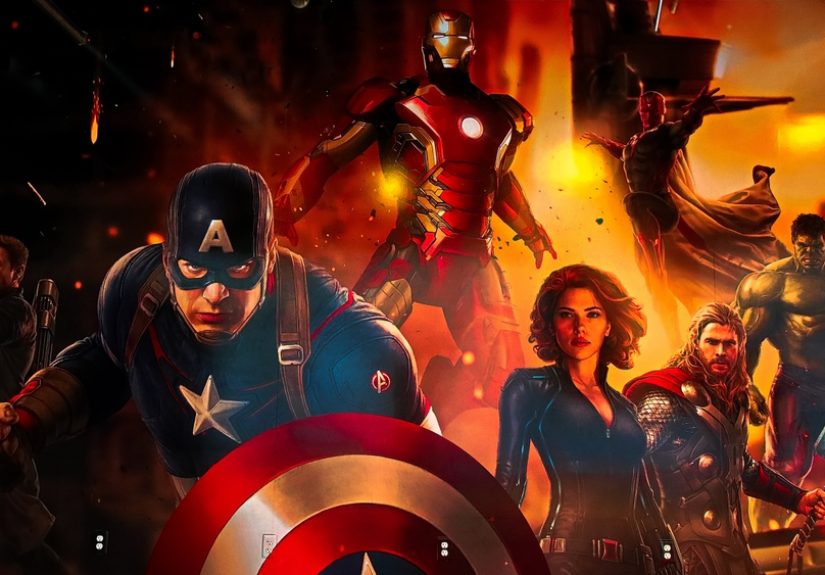
But the truth is bigger than a neat little cape-and-spotlight narrative. Modern care is not built around a single superhero. It runs on a superhero spectrum: a wide range of people, skills, and invisible actions that together protect patients, improve outcomes, and keep the system moving. Some of these heroes are highly visible. Others are the backstage crew making sure the whole show does not catch fire. And yes, that includes the people who fight battles with a computer, a care plan, a callback list, and an insurance portal that appears to have been designed by a villain.
Understanding this spectrum matters because it changes how we talk about health care teams, patient-centered care, burnout in health care, and the future of the U.S. workforce. If we only celebrate individual sacrifice, we miss the bigger lesson: great care is usually a team sport, not a one-person origin story.
What the “superhero spectrum” really means
The superhero spectrum in health care is the idea that excellence shows up in different forms. Not every hero saves the day the same way, and that is exactly the point. One clinician may thrive in crisis. Another may prevent the crisis from happening at all. One professional may deliver life-saving treatment in a dramatic moment. Another may quietly coordinate care, transportation, follow-up appointments, behavioral health support, or medication access so the patient never falls through the cracks.
In other words, health care has more than one kind of superpower. Some powers are flashy. Some are paperwork-shaped. Some wear scrubs. Some wear headsets. Some live in exam rooms, some in labs, some in pharmacies, some in community outreach, and some in conversations that never make the movie trailer but absolutely save the day.
The visible heroes
These are the professionals most people picture first: physicians, nurses, surgeons, paramedics, respiratory therapists, and other frontline clinicians. They handle urgent decisions, fast-changing conditions, and emotionally intense moments. When a patient is unstable, these professionals become the face of calm, competence, and action.
They often represent the “classic superhero” version of health care: fast judgment, technical skill, courage under pressure. And yes, they earn that admiration. But stopping the story there is like praising a blockbuster movie while forgetting the camera crew, editors, lighting team, sound engineers, and the one person who remembered to charge everything.
The behind-the-scenes heroes
Lab professionals, pharmacists, imaging technologists, infection prevention teams, patient safety leaders, case managers, and clinical documentation specialists often work just outside the public spotlight. Yet these roles are essential to safe, effective care. A pharmacist who catches a dangerous drug interaction may prevent harm before the patient even knows there was a risk. A radiology team can turn uncertainty into an actionable diagnosis. A laboratory result can change the direction of treatment in minutes.
These professionals are not “supporting characters.” They are central to the plot.
The connective-tissue heroes
Then there are the people who hold the system together: social workers, care coordinators, behavioral health specialists, patient navigators, community health workers, discharge planners, schedulers, and primary care teams. Their job is not only to treat disease, but to make care actually usable in the real world.
Because here is the inconvenient truth: the best treatment plan on earth is not very helpful if the patient cannot afford the medicine, does not understand the instructions, has no ride to the clinic, is dealing with depression, or is trying to manage a chronic condition while caring for three family members and working two jobs. Whole-person care lives in this messy, human space.
Why the hero metaphor helps and where it goes wrong
The hero metaphor works because it captures something real. Health care professionals do extraordinary work under pressure. They make complex decisions, absorb emotional stress, and show up during deeply vulnerable moments in people’s lives. That deserves respect.
But the metaphor also has a downside. When we glorify workers as superheroes, we can accidentally normalize impossible expectations. We start acting as if resilience should replace resources, as if dedication should make up for chronic understaffing, or as if a noble mission should magically erase paperwork overload, moral distress, and exhaustion. That is not admiration. That is a setup.
A healthier version of the metaphor recognizes that superheroes need systems too. No one should have to be heroic just to survive a shift. A well-designed organization should make safe, high-quality care more likely and burnout less likely. In health care, the best “superpower” is often a functioning system with good staffing, strong communication, smart workflows, and leaders who understand that worker well-being and patient safety are connected.
The core powers on the health care spectrum
1. Clinical expertise
This is the obvious one, but it is still worth saying out loud. Clinical knowledge saves lives. Diagnosing, treating, monitoring, adjusting, educating, and following up all require deep training. Whether the setting is an ICU, a primary care clinic, a rehab unit, or a behavioral health practice, health care depends on people who know what they are doing when the stakes are high.
2. Communication
If health care had a universal superpower, communication would be near the top of the list. Clear handoffs, team huddles, medication clarification, patient education, and honest conversations reduce confusion and improve safety. A brilliant plan that is poorly communicated is like a superhero who forgets where the cape is supposed to go. Technically impressive, practically unhelpful.
3. Coordination
Patients do not experience care in tidy little silos. Real life is messy. A patient with diabetes may also have anxiety, transportation issues, unstable housing, and trouble getting time off work. Coordination turns a pile of disconnected services into actual care. This is where care teams shine: primary care, specialists, mental health professionals, pharmacists, social workers, and community partners working together instead of leaving the patient to play human pinball.
4. Prevention
Not every superhero arrives with dramatic timing. Some prevent the emergency in the first place. Preventive care, chronic disease management, early screening, medication review, and patient education are the health care equivalent of stopping the villain before the third act explosion. It is less cinematic, perhaps, but considerably better for everyone involved.
5. Empathy and trust-building
Patients remember how they were treated as people, not just how their chart was handled. Listening matters. Respect matters. Cultural awareness matters. Shared decision-making matters. Person-centered care is not some fluffy extra feature added for decoration. It is a practical, high-value approach that improves understanding, engagement, and treatment alignment.
6. Adaptability
Health care changes fast. New evidence, new workflows, new technologies, shifting patient needs, staffing pressures, and public health demands all require adaptability. The strongest teams are not the ones that never face disruption. They are the ones that can respond without losing safety, humanity, or their collective minds.
Real-world examples of the superhero spectrum in action
Imagine a patient arrives in the emergency department with shortness of breath. The visible hero may be the emergency physician rapidly assessing the problem, or the nurse catching the subtle sign that the patient is worsening. But the superhero spectrum is already in motion beyond the room. A respiratory therapist helps stabilize breathing. A pharmacist reviews medication risks. A lab team processes urgent tests. A radiology technologist helps clarify the diagnosis. Later, a case manager may help arrange follow-up care so the patient does not return in worse shape two weeks later.
Or picture a patient with depression, high blood pressure, chronic pain, and missed appointments. This is not a “one specialist, one solution” situation. It is a whole-person care situation. A primary care clinician manages the medical picture. A behavioral health professional addresses mental health needs. A social worker helps with barriers like transportation or food access. A care coordinator keeps the plan from fragmenting. The result is not just more appointments. It is more coherent care.
Now consider the humble, mighty pharmacist. In the public imagination, pharmacists are sometimes treated like health care’s most overqualified secret agents. In reality, their expertise in medication safety, dosing, interactions, adherence, and counseling is one of the most practical superpowers in the system. When medication regimens get complex, pharmacists are often the calm adults in the room.
And we should absolutely talk about nurses. Nurses sit at the center of the superhero spectrum because their role crosses almost every category: clinical skill, communication, patient education, monitoring, advocacy, emotional support, escalation, coordination, and early detection. If health care were a comic universe, nursing would be the character with eight powers, three spinoffs, and the strongest fan base for good reason.
The hidden villains: burnout, overload, and fragmentation
Every superhero story needs a villain, and in health care the villains are often structural. Burnout. Chronic understaffing. Administrative overload. Documentation burden. Fragmented care. Workplace violence. Moral distress. Clunky digital systems. All of these can drain the workforce and reduce the time, focus, and emotional bandwidth available for patients.
This is why the conversation about health care heroes has to mature. Workers do not just need applause. They need better systems. That means staffing models that make sense, workflows that reduce unnecessary burden, integrated behavioral health, safer workplaces, stronger primary care, better patient-family engagement, and tools that help clinicians spend more time with people and less time wrestling a screen like it personally insulted them.
The U.S. health system is also dealing with workforce strain across multiple professions, especially in underserved and rural communities. That makes every role on the superhero spectrum even more important. When access is tight, team-based care and smarter coordination become more than good ideas. They become survival strategies for the system itself.
Why patients benefit from the full spectrum
Patients do not need a lone genius. They need a reliable team. They need care that is safe, timely, effective, equitable, and responsive to their goals. They need professionals who talk to one another, not just next to one another. They need systems that recognize mental health, physical health, and social needs are deeply connected. And they need care that does not assume every patient has unlimited money, perfect transportation, endless free time, or the ability to decode medical jargon like it is a hobby.
When the full superhero spectrum is working well, patients feel the difference. Appointments make more sense. Instructions are clearer. Errors are less likely to slip through. Follow-up is stronger. The patient feels seen, not processed. That is not magic. It is coordinated, person-centered health care.
How health organizations can support the spectrum
If health care leaders want better outcomes, they should stop relying on heroics and start building better environments for heroic work. That includes:
- Investing in team-based care instead of overloading isolated individuals.
- Reducing unnecessary documentation and administrative friction.
- Strengthening communication systems, handoffs, and patient safety practices.
- Supporting worker well-being as a quality issue, not a side project.
- Integrating behavioral health and addressing social needs where possible.
- Designing care around patients’ goals, values, and real-life barriers.
- Recognizing every role in the care continuum, including the ones patients rarely see.
That last point matters more than many organizations realize. People are more likely to stay in health care when their work is respected, their safety matters, and their role is not treated like a footnote. Recognition alone will not solve workforce challenges, but invisibility definitely will not help.
A more honest hero story for modern medicine
The best way to understand the superhero spectrum in health care is this: heroism is real, but it is distributed. It lives in the code blue and the quiet callback. In the diagnosis and the discharge plan. In the medication review and the emotional check-in. In the treatment decision and the team huddle that keeps everyone aligned.
Health care does not need fewer heroes. It needs a better definition of one. A hero is not just the person doing the most dramatic task in the room. A hero is also the person preventing harm, closing gaps, translating complexity, coordinating services, building trust, protecting dignity, and making care more human. Sometimes the strongest power in medicine is not speed or force. Sometimes it is consistency, clarity, and compassion repeated over and over until a patient can finally breathe easier, heal better, or simply feel less alone.
So yes, there is a superhero spectrum in health care. It is broad, messy, interdisciplinary, underappreciated, and absolutely essential. And maybe that is the real lesson: the future of health care will not be saved by one caped crusader sprinting down a hallway. It will be built by connected teams, supported professionals, and systems smart enough to let every kind of hero do their job well.
Experiences from the superhero spectrum in health care
Spend enough time around health care, and you start to notice that the biggest moments are not always the loudest ones. A lot of the “superhero spectrum” shows up in small scenes that would never make the front page but stick in your memory anyway. A nurse notices a patient is quieter than usual and checks again, even though the monitor looks acceptable. That second look leads to a rapid intervention. A pharmacist calls the clinic because a new prescription does not make sense with an older medication. Disaster avoided, no fireworks required. A front-desk coordinator gently helps a confused family member reschedule a missed appointment and explains the next steps in plain English. Not glamorous, but absolutely essential.
One of the most revealing experiences in health care is seeing how often patients remember the human details. They may not recall every clinical term, but they remember who listened. They remember who sat down instead of hovering at the door with one hand on the handle. They remember the person who explained a frightening diagnosis without sounding robotic, and the team member who made sure they understood what would happen after discharge. In many cases, healing begins not with a machine or a prescription, but with the moment a patient feels that someone is fully with them.
Another common experience is watching teamwork either save the day or quietly fall apart. When a team functions well, the effect is almost musical. Information moves. Roles are clear. The patient does not have to repeat the same story seven times like they are trapped in a very unfunny sequel. Everyone knows the plan, and if the plan changes, the communication changes with it. When teamwork is weak, even talented professionals can end up working harder than necessary. Health care then starts to feel like a relay race where nobody can find the baton.
There is also a very real experience shared by many clinicians and staff: being praised as heroes while feeling stretched too thin to do the job the way they want to do it. That tension matters. People often enter health care because they want to help, solve problems, and make life better for others. But when staffing is short, systems are clunky, or documentation consumes the day, even deeply committed professionals can feel like they are spending more time fighting the system than helping the patient. That is why the superhero spectrum should never be used as an excuse for overwork. Admiration is nice. Functional support is better.
And then there are the moments that prove the spectrum is bigger than any one title. A social worker finds housing resources that make discharge possible. A behavioral health clinician helps a patient finally engage in treatment because someone addressed the fear underneath the symptoms. A medical assistant notices a pattern, a scheduler catches a serious follow-up gap, a case manager helps a family navigate a maze of benefits, and a community health worker builds trust where the formal system has struggled. These experiences show that health care works best when everybody’s superpower counts.
That is the lasting impression many people carry from real health care settings: the heroes are everywhere, and they rarely work alone. The doctor may lead one moment, the nurse another, the pharmacist another, and the care coordinator another. Sometimes the most powerful act is technical. Sometimes it is emotional. Sometimes it is organizational. But together, these experiences reveal the same truth again and again: health care is not a single superhero story. It is a universe.