Table of Contents >> Show >> Hide
- Why Clothes Shrink in the Dryer
- Before You Try to Shrink Anything
- 4 Simple Ways to Shrink Clothes in the Dryer
- How Much Shrinkage Can You Realistically Expect?
- Mistakes That Ruin Clothes Fast
- Best Clothes to Shrink in the Dryer
- Clothes You Should Not Try to Shrink in the Dryer
- Helpful Tips for Better Results
- Experience-Based Lessons People Learn the Hard Way
- Final Thoughts
Sometimes a shirt stretches out like it is chasing a larger destiny. Sometimes jeans fit perfectly in the store, then relax into “weekend hammock” mode after a few wears. And sometimes that cute oversized sweatshirt crosses the line from stylishly slouchy to “did I borrow this from a much taller cousin?” That is where strategic shrinking comes in.
The good news is that you can shrink certain clothes in the dryer without turning laundry day into a science experiment gone rogue. The less-good news is that not every fabric plays nicely with heat. Some garments respond beautifully to a controlled dryer method, while others react by twisting, fading, felting, or generally behaving like tiny fabric drama queens.
This guide breaks down four simple ways to shrink clothes in the dryer, plus the fabric rules that matter most, the mistakes that ruin good intentions, and the realistic results you can expect. The goal is not to randomly roast your wardrobe. The goal is to shrink clothes on purpose, with the kind of confidence usually reserved for people who actually read care labels.
Why Clothes Shrink in the Dryer
Before getting into the methods, it helps to understand what is happening. Clothes usually shrink because of a trio of forces: heat, moisture, and agitation. When wet fibers tumble around in a warm or hot dryer, they can tighten up and contract. Natural fibers like cotton, linen, wool, and rayon are more likely to shrink than many synthetic materials. That is why your cotton T-shirt may come out noticeably smaller, while a 100% polyester gym top often acts like nothing happened.
That does not mean every shrinkable garment should go straight into a high-heat cycle. Some fabrics shrink evenly. Some shrink unpredictably. Some do not really shrink so much as distort, which is laundry language for “congratulations, now it fits your toaster.”
Before You Try to Shrink Anything
Check the care label first
This is the least glamorous step and the most important one. If the label says air dry, lay flat to dry, dry clean only, or do not tumble dry, do not treat that as a fun suggestion. Treat it as a warning label from the future.
Best fabrics for dryer shrinking
These usually respond the best:
100% cotton: T-shirts, sweatshirts, pajamas, and some casual dresses often shrink well.
Denim with high cotton content: Jeans and jackets can tighten up, especially if they have relaxed with wear.
Cotton blends: These may shrink a little, though usually less dramatically than pure cotton.
Rayon blends: These can shrink, but they can also lose shape, so caution matters.
Fabrics to avoid or handle very carefully
Silk, spandex, elastane, lace, cashmere, delicate knits, dry-clean-only pieces, and garments with beads, sequins, prints, or glue-backed trims are bad candidates for a hot dryer. Wool can shrink quickly, but it can also felt and become stiff, dense, and oddly miniature. That is less “perfect fit” and more “accidentally made a sweater for a determined squirrel.”
4 Simple Ways to Shrink Clothes in the Dryer
1. Wash Warm or Hot, Then Dry on High Heat
This is the classic method, and it works best on sturdy natural fibers like cotton and cotton-heavy denim. If your goal is to shrink a shirt, hoodie, or pair of jeans by a noticeable amount, this is the most effective place to start.
How to do it:
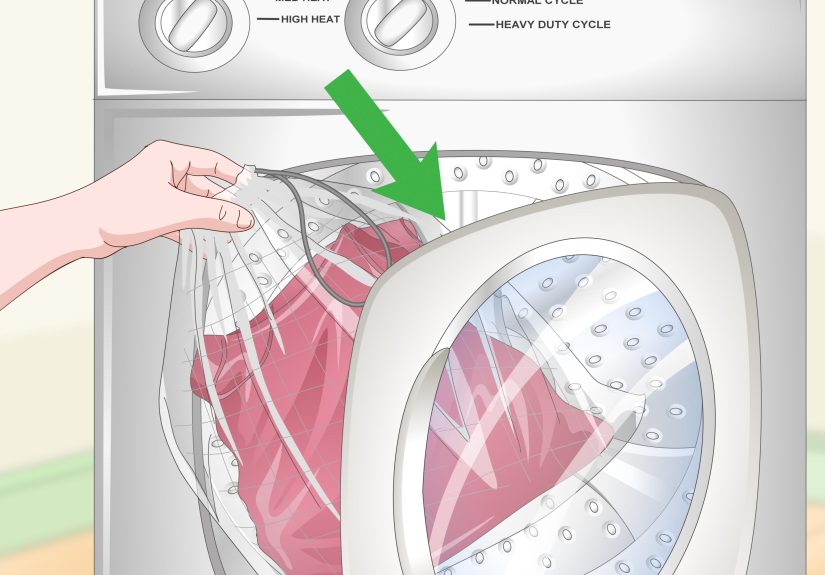
Wash the garment in warm or hot water, depending on how aggressive you want to be and what the fabric can handle. Then move it straight to the dryer and use a high-heat setting. Let the item dry fully, then check the fit as soon as it cools enough to handle.
Best for: Cotton tees, cotton sweatshirts, cotton pajama sets, relaxed jeans, and some cotton dresses.
What to expect: You may get a small to moderate amount of shrinkage after one cycle. A preshrunk shirt may only tighten slightly. A non-preshrunk cotton item may shrink more noticeably.
Example: Say you bought a 100% cotton graphic tee that fits a little too boxy. A warm wash plus a high-heat dry can often snug it up enough to improve the shape through the body and sleeves without making it unwearable.
Watch out for: Fading, extra wrinkling, and uneven shrinkage if the garment is heavily printed or poorly constructed. Stop after one cycle and reassess before repeating.
2. Dry the Garment While It Is Still Damp
If you want more control, this method is smarter than blasting a fully soaked garment into oblivion. Shrinkage often happens most effectively when fibers are still damp but not dripping. That gives the dryer enough moisture to work with, while reducing the risk of excessive wear.
How to do it:
Wash the item as usual, or lightly dampen it if it is already clean. Instead of running the longest cycle possible, place the damp garment in the dryer and use medium to high heat in shorter intervals. Check every 10 to 15 minutes.
Best for: Shirts that need only a slight size correction, cotton loungewear, and garments you are nervous about over-shrinking.
Why it works: This method gives you a better stopping point. Instead of discovering that your formerly oversized shirt now fits a decorative lamp, you get a chance to test the fit before things go too far.
Example: A cotton button-up that feels just a little loose in the sleeves and torso can often improve with a damp-to-dry cycle on medium heat. You are not trying to perform magic. You are just persuading the fibers to remember they were once more ambitious.
3. Use Short Dryer Bursts and Check the Fit Often
This is the best method for people who want controlled shrinkage instead of dramatic shrinkage. It is especially helpful for blended fabrics, fitted tops, or anything you really do not want to ruin.
How to do it:
Place the garment in the dryer on medium or high heat for 5 to 10 minutes at a time. Remove it, smooth it out, and try it on or compare it to a garment that already fits the way you want. Repeat only as needed.
Best for: Cotton-blend tops, slightly stretched-out jeans, and garments that are only one size too roomy in a specific way.
Why it works:
Shrinking clothes is not really a “set it and forget it” task. It is more like cooking toast in an unreliable toaster: nothing happens, nothing happens, nothing happens, and then suddenly everything is too dark and full of regret. Short bursts help prevent that.
Example: If your favorite hoodie grew after too many low-effort laundry days, try 10-minute high-heat intervals. Often, the body and cuffs will tighten up gradually without shocking the fabric into total rebellion.
4. Target Shrink the Whole Garment by Dampening and Drying Again
Sometimes the item is already clean, but it has stretched out after wear or previous washes. In that case, you do not necessarily need a full wash cycle. A strategic re-dampening followed by controlled drying can help tighten it up.
How to do it:
Use a spray bottle or lightly dampen the garment with water, focusing on the areas that feel loose. Then place it in the dryer on medium or high heat for a short cycle. Check the fit, and repeat only if needed.
Best for: Waistbands that have relaxed, cotton tops that feel stretched after a day of wear, and jeans that lost their shape after sitting, bending, commuting, snacking, or all of the above.
Example: A pair of cotton-rich jeans that fit perfectly in the morning but loosen by afternoon can often be refreshed this way. A quick dampening and dryer cycle may bring back some structure without requiring a full wash.
Important: This works best on sturdy items. It is not a miracle cure for every fabric, and it is not a good plan for delicate or embellished clothing.
How Much Shrinkage Can You Realistically Expect?
This depends on the fabric content, weave, finish, and whether the item was preshrunk before you bought it. In real life, most dryer shrinking results fall into one of three categories:
Slight shrinkage
Common with preshrunk cotton, cotton blends, and garments that only need a small fit correction.
Moderate shrinkage
More likely with non-preshrunk cotton or cotton-heavy denim exposed to warm or hot washing plus high dryer heat.
Unpredictable results
Often seen with rayon blends, loose knits, delicate sweaters, and cheap fast-fashion pieces with inconsistent construction.
If an item is several sizes too large, shrinking it in the dryer probably will not transform it into a perfect custom fit. It may get smaller, but not always in the places you hoped. Tailoring exists for a reason.
Mistakes That Ruin Clothes Fast
Using high heat on the wrong fabric
Hot dryers are effective, but they are not diplomatic. They do not negotiate with silk, elastane, or decorative trims.
Skipping the fabric-content label
A shirt may look like cotton but turn out to be a slippery synthetic blend with no interest in shrinking. Always check the tag.
Overdrying on repeat
More heat does not always mean better results. It can mean fading, pilling, stiff fibers, and a garment that feels older than it is.
Trying to shrink valuable or sentimental pieces
If you love it, wore it to something memorable, or cannot replace it, do not experiment on it first. Practice on a lower-stakes garment.
Shrinking dirty clothes with set-in stains
Dryer heat can lock stains in place. If there is a spill, mark, or mystery blotch on the garment, treat that problem before you start shrinking.
Best Clothes to Shrink in the Dryer
If you are wondering where to begin, these are the safest practical candidates:
Cotton T-shirts: Great for modest size adjustments.
Cotton sweatshirts: Often respond well, especially if they have stretched with wear.
Cotton pajamas: Usually shrink in a predictable way.
Jeans with high cotton content: Helpful when waist and seat loosen over time.
Basic cotton dresses: Can work if the garment has a simple structure.
Clothes You Should Not Try to Shrink in the Dryer
Silk blouses
Wool sweaters you care deeply about
Spandex-heavy leggings
Bras and structured undergarments
Beaded, sequined, or glued-trim garments
Dry-clean-only jackets, trousers, and suits
Leather, suede, faux leather, and specialty fabrics
Could some of these technically get smaller with heat? Maybe. Could they also come out damaged, misshapen, brittle, or deeply weird? Absolutely.
Helpful Tips for Better Results
Turn garments inside out
This can help reduce surface wear and fading, especially on printed T-shirts and dark cotton fabrics.
Dry similar items together
Avoid mixing heavy towels with lightweight shirts. Uneven loads can affect drying time and increase the risk of overdoing it.
Do not overload the dryer
Clothes need room to tumble. A packed dryer makes results less predictable and can dry items unevenly.
Remove the garment promptly
Once the item reaches the fit you want, take it out. Letting it sit in residual heat is not helpful.
Use this method sparingly
Repeated intentional shrinking can wear clothes out faster. This is a correction method, not a weekly hobby.
Experience-Based Lessons People Learn the Hard Way
One of the most common experiences with shrinking clothes in the dryer starts with optimism and ends with surprise. Someone buys a cotton shirt that feels a little too roomy, tosses it into a hot wash and dryer, and is thrilled when it comes out fitting better through the shoulders. That success creates confidence. Then a different shirt goes in under the same settings, and suddenly the sleeves are shorter, the torso is tighter, and the hem sits at an angle that was definitely not part of the original design. The lesson is simple: even when two garments look similar, they do not always react the same way.
Jeans are another classic example. Lots of people have had the experience of owning a favorite pair that fits perfectly right after drying, then loosens steadily through the day. For those jeans, a controlled dryer session can feel like magic. The waistband tightens, the seat looks sharper, and the whole pair feels fresher. But people also learn that denim can become stubborn if it is blended with stretch fibers. Instead of shrinking neatly, it may dry stiff, then loosen again after an hour of wear. That is why dryer shrinking works best as a small reset, not a permanent rewrite of the fabric’s personality.
Oversized sweatshirts often produce the most emotional laundry stories. A roomy sweatshirt can start out cozy and stylish, but after months of wear it may begin to feel sloppy. Running it through a warm wash and careful dryer cycle can bring back some shape and make it feel new again. On the other hand, people also discover that fleece linings can change texture with too much heat. What was once plush can become a little rougher, a little flatter, and a lot less luxurious. Better fit, sure. Better feel? Not always.
Parents and college students probably understand this subject better than almost anyone. Cotton basics, from tees to pajamas to sweatpants, often get tossed into whatever cycle is available because life is busy and no one has time to hold a roundtable on garment care. Over time, people start noticing patterns. The all-cotton pieces shrink fastest. The polyester-heavy pieces barely change. The mystery fast-fashion item from a discount rack behaves like it was assembled during a thunderstorm and responds to heat with chaos. Experience teaches people that fabric content is not boring information. It is the plot twist.
Another real-world lesson involves impatience. Many people try to shrink something that is only slightly too big, then get disappointed after one cycle and immediately blast it again on maximum heat. That second round is where trouble usually begins. The collar warps. The side seams twist. The cuffs become strangely assertive. Gradual shrinking nearly always gives better results than aggressive shrinking. The dryer rewards patience more than confidence.
Perhaps the most useful experience-based takeaway is that successful shrinking feels controlled, not dramatic. People who get the best results usually treat the process like an adjustment, not a rescue mission. They check the label, choose the right garment, use short cycles, and stop once the fit improves. That approach keeps clothes wearable and avoids the very specific disappointment of turning a good shirt into a cautionary tale.
Final Thoughts
If you want to shrink clothes in the dryer, the smartest approach is also the simplest: start with the right fabric, use heat strategically, and check your progress often. Cotton and cotton-rich pieces are usually your best bet. Blends can work, but results vary. Delicates and specialty fabrics are better left out of the experiment entirely.
The best outcome is not the smallest garment possible. It is a better fit without unnecessary damage. So resist the urge to turn your dryer into a fabric furnace. A little patience goes a long way, and so does remembering that clothing tags, while deeply unexciting, are often the wisest voices in the laundry room.