Table of Contents >> Show >> Hide
- Can You Actually Get Pregnant While Breastfeeding with No Period?
- Way #1: Track Ovulation Without a Period (Yes, It’s Possible)
- Way #2: Use Ovulation Tools Strategically (OPKs, BBT, and Monitors)
- Way #3: Adjust Breastfeeding Patterns to Encourage Ovulation (Without Going Full “Cold Turkey”)
- Way #4: Get a Fertility Check-In and Support the “Big Three” (Recovery, Nutrition, and Hormones)
- FAQs: Common Questions About TTC While Breastfeeding with No Period
- Real-World Experiences: What People Often Notice (and What Helps)
- Conclusion: Your No-Period Game Plan
Breastfeeding with no period can feel like your body hit the “snooze” button on reproduction.
Meanwhile, your brain is like: “Hello? We’re trying to schedule a baby here.”
The twist is that your body may be quietly ovulating anywaybecause biology loves surprises.
This guide breaks down how fertility works during breastfeeding (even when your period is missing in action),
and gives you four practical, science-based ways to improve your chances of getting pregnant.
It’s educational, not a substitute for medical careso if you have postpartum complications, irregular bleeding,
significant pain, or you’re unsure about timing and safety, loop in your OB-GYN or midwife.
Can You Actually Get Pregnant While Breastfeeding with No Period?
Yesbecause your first postpartum ovulation can happen before your first postpartum period.
A period is what happens after ovulation if pregnancy doesn’t occur. So the “no period = no fertility”
idea is one of those myths that sounds logical… until your pregnancy test says otherwise.
Breastfeeding affects fertility mostly through the hormone prolactin, which supports milk production
and can suppress ovulation. The more frequent and consistent the breast stimulation (especially overnight),
the more likely prolactin stays high, and the longer ovulation may be delayed. But “delayed” doesn’t mean “never.”
Everyone’s hormone pattern is differentsome people ovulate early postpartum, others not for many months.
A quick safety note about timing
Wanting another baby soon is common, but your body also deserves a fair recovery period after pregnancy and delivery.
Some organizations recommend spacing pregnancies when possible for health reasons. Your best timing depends on your
medical history, delivery type, nutrition, sleep, and overall recoveryso consider a quick check-in with your provider
before you start actively trying.
Way #1: Track Ovulation Without a Period (Yes, It’s Possible)
If your period is on hiatus, you need different “breadcrumbs” to find ovulation. Think of it like trying to catch a
train that doesn’t post the scheduleyou watch the crowd, listen for announcements, and keep your shoes on.
What to watch for
-
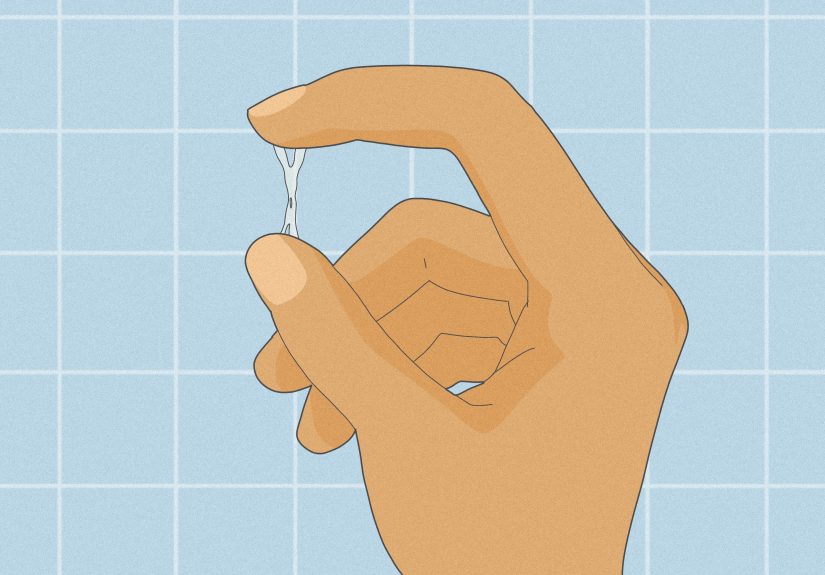
Cervical mucus changes: Many people notice more slippery, stretchy, “egg-white” type mucus near ovulation.
When breastfeeding, mucus patterns can be confusing or inconsistent, but it’s still a useful clue. -
Basal body temperature (BBT) shift: After ovulation, progesterone typically raises your resting temperature
slightly. The key is consistency: take your temperature first thing in the morning before getting up. -
Mittelschmerz (one-sided pelvic twinges): Some people feel a mild one-sided ache around ovulation.
It’s not a guarantee, but it can support other signs. - Libido, energy, or sleep changes: Hormones can influence mood and energy. Not scientific “proof,” but useful context.
A simple daily routine (that doesn’t take over your life)
- Morning: Take BBT (same time, before moving around).
- Bathroom check: Note cervical mucus appearance (dry, sticky, creamy, watery, stretchy).
- Evening: Record anything notable: pelvic twinges, unusual discharge, or spotting.
If you prefer less guesswork, pair body signs with an ovulation test (Way #2). The goal is to identify your
fertile windowtypically the few days leading up to ovulation and the day of ovulation.
Way #2: Use Ovulation Tools Strategically (OPKs, BBT, and Monitors)
When you don’t have cycles to anchor your timing, ovulation predictor kits (OPKs) and fertility monitors can help.
But postpartum hormones can be a little chaoticso the trick is using tools in a way that reduces confusion instead
of creating a daily emotional thriller titled “Is That Line Darker?”
OPKs (ovulation test strips): helpful, with a few caveats
OPKs detect luteinizing hormone (LH) surges that often happen shortly before ovulation. During breastfeeding,
LH surges can be weaker, irregular, or sometimes you can get multiple “almost” surges before your body truly ovulates.
That can lead to repeated positives or frustrating maybes.
How to make OPKs more useful while breastfeeding
- Test at the same time daily (often late morning to early evening works better than first-morning urine for LH).
- Start with a short burst of testing (for example, 10–14 days in a row) rather than testing for months nonstop.
- Confirm with body signs (mucus + a temperature rise afterward is a strong combo).
-
If you get repeated positives for weeks, or never see a clear pattern, pause and consult your clinicianyou may need
a different approach.
BBT: the “receipt” that ovulation happened
OPKs attempt to predict ovulation. BBT helps confirm it occurredbecause after ovulation, progesterone typically
raises resting temperature. If you see an “egg-white mucus” phase and then a sustained temperature rise for a few days,
you’ve likely found your ovulation.
Fertility monitors and hormone trackers
Some devices measure multiple hormones (or interpret temperature trends) to identify fertile days with less
day-to-day interpretation. They can be helpful postpartum, especially if you want structure. If you choose one,
consider it a toolnot a boss. If it stresses you out more than it helps, it’s allowed to be fired.
Way #3: Adjust Breastfeeding Patterns to Encourage Ovulation (Without Going Full “Cold Turkey”)
If you’re breastfeeding frequentlyespecially through the nightyour body may continue suppressing ovulation.
Many people find that reducing nursing intensity helps ovulation return. This doesn’t always mean full weaning.
Sometimes it’s just a strategic shift.
Why night feeds matter so much
Prolactin levels are often higher at night, and frequent night nursing can reinforce ovulation suppression.
That’s why some people notice their cycle returns after a baby starts sleeping longer stretches or after
they cut one night feed.
Gentle, common adjustments that may help
- Stretch one nighttime interval (for example, soothe first, then feed if neededgradually).
- Drop one feed every several days or each week (slow changes help reduce engorgement and discomfort).
- Limit “comfort nursing” sessions if your baby is older and also eating solids.
- Shift to a more predictable schedule (some people do better with spaced feeds than constant grazing).
Important: protect milk supply and your comfort
If your baby is young or relies heavily on breastfeeding, do not reduce feeds in a way that compromises nutrition.
Also, rapid changes can increase the risk of clogged ducts or mastitis. If you’re unsure, a lactation consultant
can help you adjust feeding patterns safely while you try to conceive.
A realistic example plan (for an older baby)
Imagine you’re nursing on demand all day and multiple times overnight. A gentle approach might look like this:
- Week 1: Keep daytime feeds, but aim to reduce one comfort-feed (replace with snack, cuddle, or play).
- Week 2: Choose one night wake-up to soothe first and feed second (if needed).
- Week 3: Keep the new pattern steady and track ovulation signs again.
Some people notice ovulation returns with small changes. Others need more reduction (or full weaning).
There’s no “one correct” pathonly what works for your body, your baby, and your family.
Way #4: Get a Fertility Check-In and Support the “Big Three” (Recovery, Nutrition, and Hormones)
If you’re trying to conceive while breastfeeding and you don’t have a period, it’s smart to treat this like a
team effort: you, your body, and a clinician who can check for common postpartum issues.
Sometimes the missing piece is timing. Sometimes it’s something fixable.
When to talk to a clinician sooner rather than later
- You’re concerned about thyroid symptoms (unusual fatigue, heat/cold intolerance, rapid weight change, palpitations).
- You have significant pelvic pain, unusual discharge, or heavy bleeding.
- You’ve been actively trying for months with no sign of ovulation returning.
- You have a history of PCOS, irregular cycles, endometriosis, or prior fertility challenges.
Support your body so ovulation is more likely to show up
Postpartum life can be a blur of snack wrappers and half-finished cups of coffee. But fertility is easier to reboot
when your body doesn’t feel like it’s running a marathon in flip-flops.
-
Nutrition: Aim for regular meals with protein, healthy fats, and iron-rich foods. Continue a prenatal vitamin
if your clinician recommends itespecially for folate support. -
Energy availability: Extremely low calorie intake or rapid weight loss can disrupt ovulation. Breastfeeding
already increases energy needs, so “diet culture” and TTC don’t make a great couple. -
Sleep (the hardest advice): Poor sleep can affect hormones and stress levels. Even small improvements
naps, sharing night duties, or earlier bedtimecan help. -
Stress management: Stress doesn’t “cause infertility” in a simple way, but it can disrupt routines and
complicate hormonal patterns. Choose realistic calming tools: walks, breath work, journaling, or help from family.
If ovulation still doesn’t return
Some people don’t ovulate consistently until breastfeeding reduces significantly or stops. If you’ve tried tracking,
timing, and gentle feed adjustmentsand you’re not seeing ovulation signsyour clinician may discuss labs, ultrasound,
or medically supervised options depending on your goals and timeline.
FAQs: Common Questions About TTC While Breastfeeding with No Period
Is breastfeeding reliable birth control?
Breastfeeding can reduce pregnancy risk under specific conditions often referred to as the lactational amenorrhea method (LAM).
But the protection is time-limited and depends on meeting strict criteria (like being within the early postpartum window,
having no bleeding, and breastfeeding very frequently without long gaps). If you’re trying to get pregnant, those same facts
tell you something important: once the pattern changes, fertility can return fast.
How soon can fertility return postpartum?
It varies widely. Some people can ovulate surprisingly early postpartum, even before their first period.
Others won’t ovulate for many months, especially with frequent and overnight nursing.
There isn’t a universal “you will ovulate by X date” ruleso tracking signs (and talking with your provider)
is the most practical strategy.
How will I know if I’m pregnant if I don’t get periods?
If your period isn’t a reliable signal, use other cues: new nausea, unusual fatigue, breast/nipple tenderness beyond typical nursing changes,
or changes in milk supply. If you suspect pregnancy, a home pregnancy test is usually the simplest first step.
If you get unclear results or symptoms persist, follow up with a clinician.
Can I keep breastfeeding if I get pregnant?
Many people continue breastfeeding during pregnancy, but it depends on your health, pregnancy risk factors, comfort, and milk supply changes.
Some notice nipple sensitivity or reduced milk supply, especially later in pregnancy. Always check with your prenatal provider if you have
a history of preterm labor, bleeding, or other complications.
Real-World Experiences: What People Often Notice (and What Helps)
Every postpartum body writes its own rulebook, but certain patterns show up again and again in breastfeeding and fertility stories.
The experiences below are composites based on common themes many parents share in clinics, breastfeeding groups, and postpartum communities.
They’re meant to be relatablenot a promise that your timeline will match.
Experience 1: “My baby slept longer… and my fertility quietly rebooted.”
One common story goes like this: everything stays “no period, no clues” for months, and then a baby suddenly starts sleeping a longer stretch.
The breastfeeding parent doesn’t do anything dramaticjust enjoys the rare luxury of a five-hour block of sleep.
A week or two later, they notice more slippery cervical mucus and a random one-sided twinge. They assume it’s postpartum weirdness,
but then their basal body temperature shows a small sustained rise. Surprise: ovulation may have returned, even without a period.
In these stories, timing intimacy around the mucus change (plus the next day) often becomes the low-stress approach that finally works.
Experience 2: “OPKs made me feel like I was studying for an exam I didn’t sign up for.”
Some breastfeeding parents try ovulation strips and get a confusing pattern: faint lines, darker lines, then lighter againlike the test is
playing mood ring with their emotions. A common “aha” moment is combining tools instead of relying on just one. For example:
mucus gets watery/stretchy, OPK gets darker, and then BBT rises a few days later. That combination feels more trustworthy than any single signal.
Many people also report that taking breaks from constant testing helps them avoid burnoutbecause TTC postpartum is challenging enough without
making your bathroom drawer look like a science lab.
Experience 3: “Cutting one night feed helped… but I had to go slow.”
Another frequent theme: someone wants to keep breastfeeding, but also wants ovulation to return. They try dropping a night feed too fast and end up
uncomfortable (or dealing with clogged ducts). The second attempt is gentler: they pick one wake-up to soothe first, then feed only if needed.
They keep daytime nursing the same, stay hydrated, and adjust slowly. Over a few weeks, they notice more consistent ovulation signs.
The big takeaway in these experiences is that “less breastfeeding” doesn’t have to mean “no breastfeeding”but gradual shifts tend to be more sustainable.
Experience 4: “My body needed more recovery than my plans did.”
Some people do all the “right” thingstrack signs, adjust feeds, optimize timingand still don’t see ovulation return quickly.
In many of these cases, a clinician visit reveals something helpful: thyroid changes, iron deficiency, significant sleep deprivation,
or simply that the body is still in a heavy postpartum + lactation hormone mode. Often, the solution isn’t a dramatic fertility hack.
It’s recovering support: better nutrition, treating deficiencies, reducing stress where possible, and giving the body time.
It’s not the instant-gratification answer anyone wantsbut it’s a real one.
Conclusion: Your No-Period Game Plan
Getting pregnant while breastfeeding with no period is absolutely possible, but it’s not always predictable.
The most effective approach is a combination of: (1) tracking ovulation clues beyond bleeding, (2) using tools like OPKs and BBT strategically,
(3) adjusting breastfeeding patterns gently if needed, and (4) supporting postpartum recovery and checking in with a clinician when things feel stuck.
If there’s one idea to keep: your period isn’t the “start button” for fertility. Ovulation is.
And ovulation can return quietlyso your best advantage is learning to spot it.