Table of Contents >> Show >> Hide
- What Are Epoxy DIY Flower Coasters?
- Supplies You’ll Need for Epoxy Flower Coasters
- Step-by-Step: How to Make Epoxy DIY Flower Coasters
- Pro Tips for Gorgeous Epoxy Flower Coasters
- Common Mistakes (and How to Fix Them Next Time)
- Creative Ideas for Your Epoxy Flower Coasters
- Final Thoughts
- SEO Summary & Metadata
- Real-Life Experiences Making Epoxy DIY Flower Coasters
If you love fresh flowers but hate watching them wilt in a vase, epoxy DIY flower coasters are about to become your new favorite craft. Think of them as tiny, shiny time capsules that turn petals, leaves, and little botanical treasures into durable drink coasters. They look high-end and store-bought, but you can absolutely make them at homeeven if your last “craft” was gluing googly eyes on a rock.
Inspired by popular Hometalk-style projects and resin tutorials from major craft and home sites, this guide walks you through everything: choosing the right resin, prepping your flowers, avoiding bubbles, and staying safe. By the end, you’ll have a beautiful set of epoxy flower coasters that will impress guests, upgrade your coffee table, and maybe even become your go-to handmade gift.
What Are Epoxy DIY Flower Coasters?
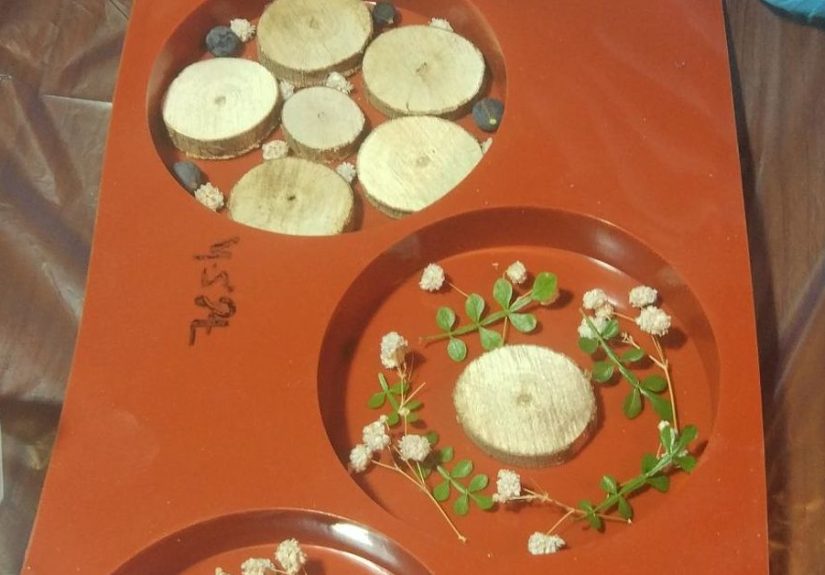
Epoxy flower coasters are made by embedding dried or pressed flowers into clear epoxy resin poured into coaster-sized molds. Once cured, the resin turns into a glossy, glasslike surface that protects your flowers and your furniture at the same time. The flowers look suspended in midair, and the effect is surprisingly professional for such a beginner-friendly project.
Because you control the flowers, colors, and extras (like gold leaf or glitter), no two coasters ever look the same. You can match your decor, highlight blooms from your own garden, or preserve petals from a special event like a wedding bouquet or anniversary flowers.
Supplies You’ll Need for Epoxy Flower Coasters
You don’t need a full art studio to get startedjust a safe workspace and the right materials. Here’s a typical supply list based on what most resin-crafting guides recommend:
Core Materials
- Epoxy resin kit (clear casting resin + hardener, designed for art/crafts)
- Silicone coaster molds (round, square, geode-style, or hexagon molds work well)
- Dried or pressed flowers (store-bought or DIY pressed from your garden)
- Measuring cups (disposable or dedicated to resin only)
- Wooden stir sticks or craft sticks
- Plastic or silicone mixing cups
- Heat gun, small torch, or drinking straw (for bubble removal)
- Tweezers (for placing flowers precisely)
Safety Gear
- Nitrile gloves (better than latex for resin work)
- Safety glasses or goggles
- Respirator or suitable mask if ventilation is not ideal
- Protective apron or old clothing
Optional but Fun Extras
- Metallic flakes (gold, copper, or rose gold)
- Fine glitter
- Alcohol inks or mica powders for tinted backgrounds
- Rubber bumpers or cork backing for the bottom of coasters
Cover your workspace with kraft paper, a silicone mat, or plastic sheeting. Epoxy doesn’t forgive spillsyour table will remember forever.
Step-by-Step: How to Make Epoxy DIY Flower Coasters
Step 1: Prep Your Flowers and Plan the Design
The best coasters start with well-prepared flowers. Use flowers that are fully dried or pressedany moisture trapped inside petals can cause cloudiness or even mold over time. Pressed flowers give a flat, botanical illustration look, while small dried blooms and leaves create more dimensional, 3D-style coasters.
Before mixing resin, lay out your flowers next to the molds and plan each coaster: one big bloom per coaster, a cluster of tiny daisies, or a mix of petals and greenery. Taking a minute to “pre-decorate” on the table helps you work faster once the resin is poured and the clock is ticking.
Step 2: Set Up a Safe Workspace
Resin is fun, but it’s still a chemical. Work in a well-ventilated areaopen windows, run a fan, or work in a garage with the door open. Wear gloves, eye protection, and clothes you don’t mind messing up. Keep kids and pets away from the area while you’re working and while the coasters cure.
Place your silicone molds on a flat, level surface. A tray is helpful so you can move the molds easily without bending them once they’re filled.
Step 3: Mix the Epoxy Resin
Follow the instructions on your specific resin kitmost are a 1:1 ratio by volume of resin to hardener. Pour each part into a clean mixing cup, then combine in a larger cup. Stir slowly for the recommended time (often around 2–3 minutes), scraping the sides and bottom as you go.
Stirring too fast whips in air and creates bubbles, which you’ll just have to remove later. Think “gentle pancake batter,” not “frantic whipped cream.” Some crafters like to warm the resin bottles in a warm water bath before mixing to help reduce bubbles and make the resin flow more easilyjust be sure no water gets into the resin.
Step 4: Pour the First Layer
Pour a thin layer of clear resin into each coaster mold, filling it about one-third to halfway. This first layer acts like a clear base for your flowers. Let it sit for a couple of minutes, and use your heat gun, torch, or straw to gently pop surface bubbles.
If you’re adding a subtle tint to your background, you can mix a small amount of mica powder or alcohol ink into a portion of the resin and use that for the base layer. Just keep it translucent enough to still see your flowers.
Step 5: Place the Flowers
Now for the fun, fiddly part. Using tweezers, carefully place your dried or pressed flowers face-down into the resin if you want the “front” of the flower to show on the top of the coaster once unmolded. Gently press them into the resin so no petals are sticking out of the surface.
If the flowers try to float or drift, don’t panic. Use your stick or tweezers to nudge them back into position. You can add tiny pieces of gold leaf or glitter around the flowers for extra sparklejust don’t overload the coaster unless “glitter explosion” is the aesthetic you’re going for.
Step 6: Pour the Second Layer and Pop Bubbles
Once you’re happy with the flower placement, pour more resin on top, slowly covering the flowers and filling the mold almost to the top. Try to pour from one side and let the resin flow gently to minimize trapping air around petals and stems.
Use your heat gun, torch on a low setting, or a quick puff of air through a straw to pop surface bubbles. Don’t hold heat in one spot too long, or you might overheat the resin or scorch delicate flowers.
Step 7: Let the Coasters Cure
Check your resin instructions for curing time. Many art resins take about 24 hours to harden enough to demold, and up to 72 hours for a full cure. Keep the coasters flat and dust-free while curingcover them with a cardboard box or plastic tub to protect the surface from dust and pet hair.
When they’re fully cured, gently flex the silicone mold to release each coaster. This is the most satisfying partlike opening a present from your past self.
Step 8: Finish and Protect the Bottom
If the edges are a little sharp, you can lightly sand them with fine-grit sandpaper once the resin is fully cured. Wipe off dust with a damp cloth. Add clear rubber feet, cork circles, or felt pads to the bottoms to protect your table and make the coasters feel extra polished.
Pro Tips for Gorgeous Epoxy Flower Coasters
- Use fully dried flowers: Moisture is the enemy. Air-dry small blooms or press flowers in a book or flower press before using.
- Work in thin layers: If you’re worried about flowers floating, pour a thin layer, let it start to thicken slightly, then place your flowers and top off.
- Don’t rush bubble removal: Check for bubbles a few times in the first 10–15 minutes and gently pop them as they rise.
- Test your resin first: Each brand behaves a little differently. If it’s your first time, do a test coaster or a small sample pour.
- Keep the color subtle: Transparent or lightly tinted resin shows off the flowers best. Opaque color can hide all your hard design work.
Common Mistakes (and How to Fix Them Next Time)
Yellowing Resin
All resins can yellow a bit over time, especially in direct sunlight. Choose a high-quality, UV-resistant casting resin and store your coasters out of constant direct sun. Warmer tones in your flower palettelike creams, blush, or warm pinksage more gracefully than pure white.
Trapped Bubbles Around Flowers
Flowers often trap tiny air pockets. To reduce this, you can:
- Seal delicate flowers with a light coat of clear-drying glue or spray sealer before embedding.
- Pour resin slowly and use a stick to “massage” resin around petals and stems.
- Tap the mold lightly on the table to bring bubbles to the surface.
Floating or Crooked Flowers
If your flowers keep floating or drifting, try working in two layers: pour a thin base layer, let it thicken until it has a gel-like consistency, then place the flowers and add just enough resin to cover them. Gravity has less time to misbehave when the resin is thicker.
Sticky or Soft Coasters
Sticky resin usually means under-mixing or incorrect ratios. Next time, measure carefully, stir thoroughly for the full recommended time, and keep your workspace at the recommended temperature range. If only the surface is slightly tacky, a thin “flood coat” of fresh resin, properly mixed, can sometimes save the batch.
Creative Ideas for Your Epoxy Flower Coasters
- Seasonal sets: Use pastel blooms for spring, bold sunflowers or zinnias for summer, and dried leaves or seed pods for fall.
- Wedding keepsakes: Preserve petals from a bridal bouquet or corsage as a personalized gift.
- Garden-to-table decor: Turn flowers from your own yard into coasters that match your table setting.
- Gift bundles: Wrap a set of four coasters with twine and a little tag explaining which flowers are inside.
- Color stories: Make monochrome setsblues and purples, hot pinks and reds, or a rainbow set where each coaster represents a different color family.
Final Thoughts
Learning how to make epoxy DIY flower coasters is one of those projects that feels “hard” until you try itthen you realize it’s mostly about patience, preparation, and giving yourself permission to experiment. With a small collection of dried flowers, a good resin kit, and a safely set-up workspace, you can turn fragile petals into long-lasting, functional art.
Whether you’re hosting game night, sipping tea on the couch, or looking for a heartfelt handmade gift, these coasters bring a little burst of nature to every surface. And once you master the basics, you’ll start seeing your entire garden as potential coaster materialwhich is when the real fun begins.
SEO Summary & Metadata
sapo: Want a craft project that’s equal parts relaxing, practical, and gorgeous on your coffee table? Epoxy DIY flower coasters are the perfect way to preserve your favorite blooms in clear, glossy resin. This in-depth guide walks you through every stepfrom choosing the right resin and prepping dried flowers to pouring flawless layers and avoiding common mistakesso you can create professional-looking coasters right at home. With safety tips, troubleshooting advice, and creative design ideas, you’ll be ready to turn petals and leaves into durable, display-worthy drink coasters you’ll love using every day.
Real-Life Experiences Making Epoxy DIY Flower Coasters
Reading a tutorial is one thing; actually mixing resin in your kitchen while your cat tries to “help” is another story. Here are some lived-in, real-world lessons that almost everyone discovers the first few times they make epoxy flower coasters.
1. Your first batch probably won’t be perfectand that’s okay.
Most beginners expect their first set of coasters to look like they came straight out of a boutique. In reality, your first batch might have a few bubbles, a slightly off-center flower, or a tiny speck of dust frozen in the surface. Instead of seeing these as failures, treat them as a learning log. You’ll quickly figure out how much heat you need, how slowly to pour, and how to position flowers before the resin thickens.
2. Time moves differently when resin is curing.
Resin projects are a lesson in patience. The instructions say “cure for 24 hours,” but that last hour feels like three. Many crafters admit they’ve hovered over their molds, poked the surface too soon, or tried to demold early “just to check.” Spoiler: that usually ends with fingerprints, dents, or warped coasters. Once you pour, set a timer, walk away, and let chemistry do its thing.
3. Flower choice changes everything.
You quickly learn that not all flowers behave the same in resin. Thick, juicy blooms like fresh roses are more likely to trap moisture and cause issues unless they’re carefully dried. Thin, delicate flowersthink daisies, cosmos, or pressed wildflowerstend to embed beautifully with crisp detail. After a few projects, you’ll start mentally sorting blooms into “resin friendly” and “better for the vase.”
4. Ventilation and comfort make or break the experience.
Working with resin in a stuffy, cramped space isn’t just unpleasant; it makes you rush. When you’re comfortablegood airflow, a cleared-off table, everything laid out in advanceyou’re calmer and more precise. You’ll spend a lot less time wiping up spills or frantically searching for tweezers while your resin begins to set.
5. Tiny tweaks lead to big improvements.
Each round of coasters gives you a chance to adjust something small: warming the resin a bit before mixing, sealing flowers with a light spray, or switching from a torch to a heat gun. Individually, these details may not seem dramatic, but together they produce noticeably clearer, smoother pieces. Many experienced makers can look at a finished coaster and tell you exactly which small habit helped avoid bubbles or clouding.
6. There’s real joy in using what you made.
One of the best parts of epoxy flower coasters is seeing them in everyday life. They’re not just shelf decorationsyou actually set your coffee mug on them, slide them across the table to a friend, or stack them in a little tower by the couch. Every time you pick one up, you’re reminded that you turned something fragile and temporarya flowerinto something that can be handled, wiped down, and enjoyed for years.
7. Coasters turn into conversation starters.
When friends notice the flowers inside and realize you made the coasters yourself, you’ll hear questions like, “Wait, how did you get the flowers in there?” or “Can you make a set with my wedding bouquet?” That’s when this project shifts from “cute DIY” to “signature thing you’re known for.” Don’t be surprised if you suddenly have a mental queue of future gifts and custom sets you want to make.
8. The process is as relaxing as the result.
There’s something meditative about arranging petals, slowly pouring resin, and watching bubbles rise and disappear under a gentle wave of heat. Yes, you’re wearing gloves and paying attention to safety, but mentally, it feels a lot like gardening, painting, or organizing: your focus narrows, your brain quiets down, and you get lost in the details. When the coasters are finally cured, you’re not just left with pretty decoryou’ve also had a solid block of creative “you time.”
Those small, imperfect, and often funny moments are what turn “How to Make Epoxy DIY Flower Coasters” from a one-off craft into a hobby you come back to again and again. The more you play with flowers and resin, the more your coasters will start to reflect your style, your seasons, and your storiesand that’s the real magic embedded in every piece.