Table of Contents >> Show >> Hide
- Quick reality map: what “growing out short hair” usually looks like
- Way #1: Get “maintenance trims,” not “length panic cuts”
- Way #2: Protect your length like it’s a tiny house deposit
- Way #3: Build the best conditions for healthy hair growth
- Way #4: Style the in-between stages on purpose
- Common mistakes that make growing out short hair harder
- When to talk to a professional
- Conclusion: grow it out with a plan, not a prayer
- Real-life experiences: what growing out short hair often feels like (and what helps)
Growing out short hair is a special kind of adventure: part glow-up, part patience practice, part “why does the back look like it’s sprinting while the front is stuck in traffic?”
The good news is you don’t have to white-knuckle your way through the awkward phase. With the right plan, growing out short hair can look intentional the whole timelike you meant to do that.
Before we jump into the four best strategies, here’s the reality check that actually makes the process easier: most scalp hair grows about half an inch per month (roughly 4–6 inches per year).
You can’t “hack” your biology into overnight mermaid hair, but you can protect what you grow so it stays on your head, looks healthier, and reaches your goal length faster in real-world terms.
Quick reality map: what “growing out short hair” usually looks like
Hair grows in cycles (growth, transition, rest, shedding), and at any given time most of your hair is in the growing phase while some is resting or shedding. That’s why your hair never grows as one perfectly coordinated team.
Translation: unevenness is normal, and your job is to manage shape while you wait for length.
- Pixie to bob territory: This is the “ear length + random wings” season. Accessories and shaping matter most.
- Bob to lob territory: You get more styling options, but the ends can look bulky if you skip trims completely.
- Shoulder-ish territory: Congratulations, you’re now negotiating with layers, not survival.
Now, let’s make the grow-out phase feel less like a waiting room and more like a series of good hair days.
Way #1: Get “maintenance trims,” not “length panic cuts”
This sounds backwardcut hair to grow it out?but it’s one of the smartest moves you can make.
Trims don’t make hair grow faster from the scalp. What they do is prevent split ends and breakage from stealing the length you already earned.
Think of it like keeping the roof from leaking while you’re building an extra room.
Ask for micro-trims and shape control
When you’re growing out short hair, you’re not “getting a haircut,” you’re “getting a plan.”
A micro-trim (tiny dusting of the ends) can keep your hair from fraying while your stylist adjusts the silhouette so it doesn’t balloon in weird places.
- Goal: keep ends healthy while letting overall length increase.
- Common approach: trim the fastest-growing or most unruly areas (often the nape/back) to match the slower sections.
- Why it works: an even shape looks longer and more polishedeven when it’s technically not.
Use “bridge cuts” to avoid the awkward phase
A bridge cut is a transitional haircut that grows out well. If you started with a pixie, a stylist can guide you through
a long pixie, then a bixie (pixie-bob hybrid), then a bob/lob depending on your texture and face shape.
Each step buys you style while your hair quietly does its monthly half-inch thing.
Specific example: If your bangs are growing faster than the crown, your stylist may soften the front into curtain-ish pieces
while keeping the crown lightly shaped so you don’t get “helmet hair.” (No offense to helmets; they save lives. They just don’t photograph well.)
Trim schedule that won’t sabotage your goal
Many people do well with a light maintenance trim every 8–12 weeks while growing out, depending on breakage, texture, and styling habits.
If your hair is fragile, you may benefit from more frequent “dusting” rather than waiting until split ends travel up the hair shaft.
Way #2: Protect your length like it’s a tiny house deposit
The biggest reason grow-outs feel “slow” isn’t growth rateit’s breakage.
If your hair grows half an inch a month but breaks a quarter inch off the ends, you’ll feel like you’re stuck in hair purgatory.
So the mission is simple: reduce damage, reduce breakage, keep length.
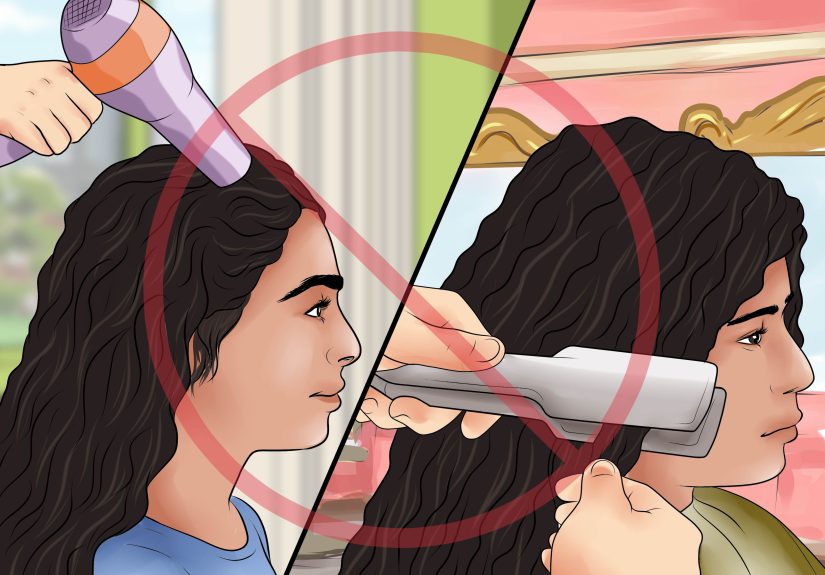
Be strategic with heat (not dramatic)
Heat styling isn’t evil, but it’s powerfuland power requires responsibility.
Dermatologist-guided advice often emphasizes using heat less often, avoiding very high settings, and making sure hair is dry before using flat irons.
If you blow-dry, letting hair partially air-dry first can reduce damage.
- Heat rule of thumb: fewer sessions, lower heat, always use a heat protectant.
- Practical swap: try a “blowout once, maintain twice” routinestyle once, then refresh with dry shampoo or light product rather than re-heating daily.
- Extra credit: if you flat iron, do fewer passes. One slow, controlled pass beats five angry ones.
Stop the breakage at night
Sleep can be surprisingly rough on short-to-mid hair: friction, tangling, and tiny snaps you don’t notice until your ends look fuzzy.
Consider a satin or silk pillowcase, or loosely secure hair with a soft scrunchie if it’s long enough.
The goal is less friction, less stress on the hair shaft.
Gentle handling: detangle like you’re defusing a bomb
Breakage loves rough brushing, especially when hair is wet and more vulnerable.
Use a wide-tooth comb or a detangling brush, and start from the ends, working upward.
If you’ve ever tried to brush from root to tip and heard a sound like Velcro losing a fightthis is your sign.
Choose styles that don’t “steal” hair
Tight styles can cause traction and snapping over time.
If you love slick ponytails, consider rotating them with looser styles, clips, or gentler ties.
Short hair grow-outs do best when you treat your hairline and ends kindlybecause they can’t hide.
Way #3: Build the best conditions for healthy hair growth
You can’t force follicles to outgrow their genetics, but you can support the basics: scalp health, nutrition, and overall wellness.
Healthy hair growth is less “magic oil” and more “consistency.”
Scalp care: the overlooked foundation
Your scalp is skin, and skin responds well to good care. Keep it clean enough for your hair type, avoid harsh habits, and address issues like itching, flaking, or irritation.
If you notice persistent scalp problems, it’s worth checking in with a healthcare professionalespecially if shedding increases.
- If you use styling products: clarify occasionally (as tolerated) to reduce buildup that can make hair look limp or greasy.
- If you wash frequently: focus shampoo on the scalp and condition mid-lengths to ends.
- If you wash less often: keep the scalp comfortable; don’t “tough it out” through irritation.
Nutrition: feed your hair without falling for hype
Hair is made largely of protein. If your diet is low in protein (or you’re low in certain nutrients like iron), hair quality and shedding can be affected.
That doesn’t mean you need a supplement parade; it means you need a balanced foundation: protein, iron-rich foods, healthy fats, and enough overall calories.
About supplements: biotin is famous on the internet, but reputable medical sources note that claims about biotin improving hair in biotin-sufficient people aren’t well proven,
and true biotin deficiency is uncommon. If you suspect deficiencies, the smartest move is to talk to a clinician and test rather than guess.
Stress, sleep, and the “why is my hair shedding?” moment
Shedding can increase after major stressors, illness, or life changes.
Some daily shedding is normal (many sources cite ranges like 50–100 hairs a day), but if you’re losing hair in clumps, noticing sudden density changes,
or seeing rapid thinning, it’s time to get medical advice rather than DIY-ing your way through worry.
Way #4: Style the in-between stages on purpose
The awkward phase isn’t a law of natureit’s mostly a styling gap.
When your hair is too short to tuck and too long to behave, the secret is giving it a job.
You’re not “waiting for it to grow.” You’re “wearing transitional looks.”
(Yes, we’re rebranding your hair journey. You’re welcome.)
Use accessories like a pro (not like you’re hiding)
Headbands, clips, barrettes, and bobby pins can instantly turn uneven layers into a deliberate style.
A sleek headband can control bangs; a few well-placed pins can reshape volume; a scarf can make day-three hair look editorial instead of exhausted.
- For grown-out bangs: side-sweep with a clip, or use a headband for a clean frame.
- For uneven layers: pin one side back for asymmetry that looks intentional.
- For cowlick chaos: add texture spray or light pomade and lean into a messy, piecey look.
Texture is your friend
Slight waves, bends, or piecey texture can camouflage uneven length better than poker-straight styling.
If your hair is naturally straight, try a light texturizer or a quick bend with a curling wand (with heat protectant).
If your hair is curly or coily, moisture and definition products help reduce frizz and breakage while making the shape look intentional.
Try “low-commitment length” options
If you need extra confidence for an event, clip-in pieces, hair toppers, or even a temporary half-up style can help.
The point isn’t to pretend you don’t have short hairit’s to give yourself options while you’re between lengths.
Build a simple weekly routine (so you don’t overdo it)
- 1–2 wash days: scalp-focused shampoo + conditioner on ends.
- 1 deep-conditioning session: especially if you heat-style or color.
- Daily: gentle detangling, minimal pulling, and a light leave-in if needed.
- As needed: a tiny amount of smoothing cream or oil on ends (tiny means tinyunless you want the “French fry” shine).
Common mistakes that make growing out short hair harder
1) Skipping trims for too long
Avoiding trims can lead to split ends that climb, forcing bigger cuts later. Micro-trims protect your progress.
2) Overusing heat to “control” the awkward phase
The temptation is real: the hair flips out, you fight back with heat. But damage adds up and breakage steals length.
Use heat strategically, not as a daily battle plan.
3) Tight styling habits
Constant tension can stress the hairline and cause snapping. Rotate styles and use gentler accessories.
4) Falling for miracle products
A serum can’t override genetics. What works is consistency: scalp health, nutrition, gentle care, and smart styling.
When to talk to a professional
If you notice sudden hair loss, hair falling out in clumps, or a big change in density, it’s worth speaking with a healthcare provider or dermatologist.
Growing out short hair is one thing; unexplained shedding is anotherand it deserves real answers.
Conclusion: grow it out with a plan, not a prayer
Growing out short hair doesn’t have to feel like a months-long awkward phase you just “survive.”
If you (1) get strategic maintenance trims, (2) protect your length from damage, (3) support healthy hair growth with scalp care and nutrition,
and (4) style the in-between stages on purpose, the process becomes way more manageableand honestly, kind of fun.
Remember: your hair is growing. Your job is to keep it healthy, keep the shape flattering, and keep your expectations realistic.
Half an inch a month adds up faster than you thinkespecially when you stop losing that progress to breakage.
Real-life experiences: what growing out short hair often feels like (and what helps)
Growing out short hair tends to come with a predictable emotional timelinealmost like your hair is running its own little reality show.
Week one after deciding to grow it out usually feels confident: you’ve got a goal, you’ve got motivation, and you’ve got exactly one photo saved on your phone titled “Hair Inspo.”
Then, a few weeks later, the “in-between” starts. The back grows faster, the sides do their own thing, and your bangs suddenly develop a personality.
This is typically the moment people start questioning everythingespecially on humid days.
One common experience is the “why does it look wider?” phase. Short hair can puff out when layers grow and the ends hit that exact point
where they flip instead of fall. People often find that fighting it with constant heat makes things worse over time, because the ends get drier and more prone to breaking.
A better approach is usually to change the goal from “make it behave like long hair” to “make it look intentionally short-but-growing.”
That’s where bridge cuts and texture come inslight waves, piecey styling, or a soft side part can make uneven layers look like a planned vibe.
Another real-world moment: event panic. Weddings, interviews, school photos, holiday partieslife does not pause for your hair journey.
When this happens, many people lean on accessories as a confidence shortcut: a sleek headband, a few pins placed with purpose, or a half-up mini ponytail
(once your hair is long enough) can instantly shift your look from “I’m growing it out” to “this is the style.”
The trick is to treat accessories like part of your outfit, not a cover-up. When you match a clip to your earrings or choose a scarf that echoes your sweater,
it reads as styling, not hiding.
A lot of people also notice they become hyper-aware of their ends while growing out short hair. Every tiny split end feels like a personal insult.
The temptation is to avoid trims completely, but the experience many share is that skipping trims can backfire: the ends get wispy,
then break, then the hair looks like it isn’t growing at all. Micro-trims tend to feel emotionally easier because you’re not “losing length”
you’re protecting it. It’s the difference between pruning a plant and ripping it out of the pot.
Finally, there’s the “it’s working!” moment that usually sneaks up on you. One day you catch your reflection and realize your hair can tuck behind your ears,
or it brushes your collar, or you can do a tiny claw-clip twist. Those small milestones keep motivation high.
Many people find it helps to track progress monthly rather than daily (daily checks are a shortcut to frustration),
and to pick one or two low-effort routines they can stick withlike gentler detangling and less heatbecause consistency beats intensity every time.
Growing out short hair is less about perfection and more about staying kind to your hair long enough to let time do its job.

![18 Best Types of Charts and Graphs for Data Visualization [+ How to Choose]](https://corkopencoffee.org/wp-content/uploads/2026/05/18-best-types-of-charts-and-graphs-for-data-visualization-how-to-choose-qKM1PBYG-thumb.jpg)