Table of Contents >> Show >> Hide
- Hemorrhoids 101: What They Are (and Why They Get So Annoying)
- Why Scrolling on the Toilet Can Backfire
- What Research Says About Phone Use on the Toilet
- The Bigger Picture: Other Hemorrhoid Risk Factors (a.k.a. The Usual Suspects)
- How Long Is “Too Long” on the Toilet?
- The Phone-Free Poop Plan: Simple Habits That Lower Hemorrhoid Risk
- If You Already Have Hemorrhoids: What Helps (and What to Watch For)
- The Takeaway: Your Feed Will Still Be There
- Real-World Experiences: How Bathroom Scrolling Sneaks Up on People (and How They Fix It)
Confession time: the bathroom has quietly become America’s tiniest “content lounge.” One minute you’re just answering nature’s call.
The next minute you’re 37 reels deep, emotionally invested in a guy power-washing his driveway like it’s an Olympic sport.
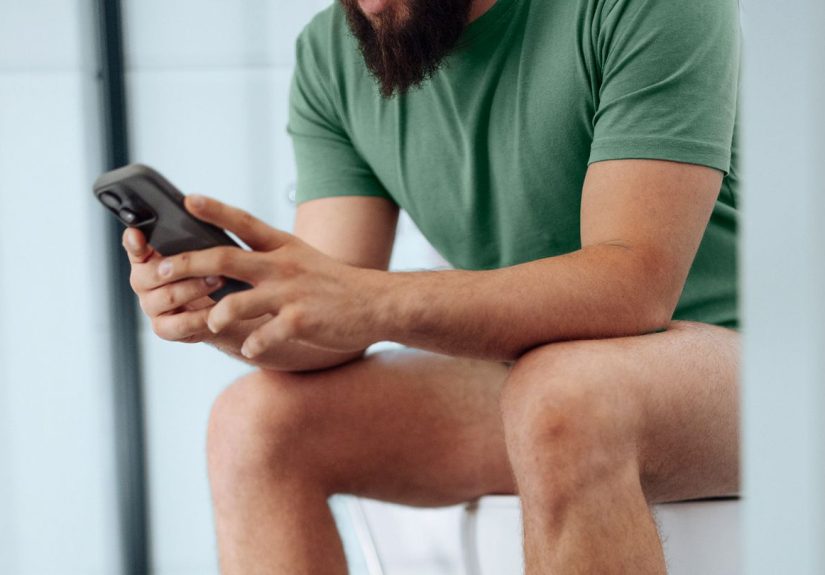
Here’s the not-funny part: turning toilet time into scroll time may raise your risk of hemorrhoids (or at least make existing ones angrier).
Not because your phone is “radioactive,” but because it keeps you sitting there longerand the anatomy down there really doesn’t love extended, unsupported sitting.
Let’s unpack what hemorrhoids are, why prolonged toilet sitting matters, what research is finding about phone use on the toilet, and how to keep your bathroom visits
short, sweet, and (ideally) drama-free.
Hemorrhoids 101: What They Are (and Why They Get So Annoying)
Hemorrhoids are swollen veins in or around the anus and lower rectum. They’re extremely common and can be internal (inside the rectum) or external (under the skin around the anus).
Symptoms can include itching, pain, swelling, a tender lump, and bleedingoften bright red blood on toilet paper or in the bowl.
The key theme behind hemorrhoids is pressure. When pressure increases in the veins of the rectal areaespecially repeatedlythose veins can stretch and swell.
That’s why constipation, straining, pregnancy, obesity, and certain bowel habits show up again and again in medical guidance.
Why Scrolling on the Toilet Can Backfire
Scrolling doesn’t “cause hemorrhoids” in a magical, direct way. The problem is the chain reaction it triggers:
phone in hand → time warp → prolonged sitting → more pressure on rectal veins → higher chance of irritation, swelling, or flare-ups.
1) The toilet seat isn’t a chairand your pelvic floor knows it
When you sit on a standard toilet, the position and seat shape can leave the pelvic floor less supported than when you sit on a regular chair.
Over time, the combination of gravity and lack of support may encourage blood to pool in the hemorrhoidal cushions (normal vascular tissue that helps with continence).
More pooling can mean more swellingand more symptoms.
2) Longer sitting often leads to “just a little push” (and that’s where trouble starts)
Many people don’t consciously strain at first. But when you sit there long enough, boredom (or impatience) kicks in.
You start pushing to “make something happen.” Strainingespecially while holding your breathcan spike pressure in the rectal veins.
Do that regularly, and you’re basically running a pressure-increase subscription service nobody asked for.
3) Phone time distorts time
Apps are built to keep you engaged. Bathroom scrolling is the perfect trap: private, uninterrupted, and low-stakes.
You’re not thinking, “I’m increasing rectal venous pressure.” You’re thinking, “One more video.”
The habit is sneaky because it feels harmlessuntil your body sends a strongly worded memo.
What Research Says About Phone Use on the Toilet
Medical advice has long warned against prolonged toilet sitting and straining, but researchers have started looking specifically at smartphone use during bowel movements.
In a 2025 study published in a peer-reviewed journal, people who reported using smartphones on the toilet were more likely to spend longer on the toilet per visit.
The study found an association between smartphone use on the toilet and higher odds of having hemorrhoidseven after adjusting for factors like age, body mass index,
exercise, and fiber intake.
Important nuance: this type of study can’t prove that the phone itself “causes” hemorrhoids. But it does support a very reasonable conclusion:
the phone helps you stay seated longer, and longer toilet time is a known risk factor for hemorrhoids and for worsening symptoms.
The Bigger Picture: Other Hemorrhoid Risk Factors (a.k.a. The Usual Suspects)
Bathroom scrolling is a modern twist, but hemorrhoids aren’t new. The major risk factors are refreshingly unglamorous:
- Constipation and hard stools (more pushing, more pressure)
- Straining during bowel movements
- Prolonged sitting on the toilet
- Chronic diarrhea or frequent bowel movements (irritation and repeated pressure changes)
- Low-fiber diet (often a constipation starter kit)
- Pregnancy (increased abdominal pressure and common constipation)
- Overweight/obesity (higher baseline pressure on pelvic veins)
- Heavy lifting with breath-holding/straining
- Aging (supporting tissues can weaken over time)
Notice how many of these link back to one central idea: pressure management. The less pressure you generate and the less time you spend “loading” that pressure,
the happier your rectal veins tend to be.
How Long Is “Too Long” on the Toilet?
There isn’t a magical stopwatch that applies to everyone, but many clinicians recommend keeping toilet time shortoften around 5 to 10 minutes.
If nothing happens, get up and try again later rather than camping out and forcing it.
Think of it this way: the toilet is not a waiting room. It’s a pit stop. You go when you have the urge, you do your business, you leave.
If you’re consistently needing long sessions, that’s usually a sign to address constipation, stool consistency, hydration, fiber intake, medications, stress, or pelvic floor issues.
The Phone-Free Poop Plan: Simple Habits That Lower Hemorrhoid Risk
Step 1: Make the bathroom boring again
The easiest way to shorten toilet time is brutally simple: don’t bring the phone.
If you use your phone as a “timer,” set the timer before you go in and leave the phone outside.
Yes, this is emotionally challenging. You may feel like you’re time-traveling back to 2007. You’ll survive.
Step 2: Upgrade your stool (the poop kind)
Softer, bulkier stools pass with less effort. That usually means more fiber and enough fluid.
Many medical sources recommend aiming for roughly 25–35 grams of fiber per day (often with a mix of food and, if needed, a fiber supplement),
plus adequate water so fiber can do its job.
Practical fiber boosters: beans, lentils, oats, chia, berries, pears, apples, leafy greens, and whole grains.
If you increase fiber quickly, start gradually to avoid turning your digestive system into a brass band rehearsal.
Step 3: Use good “poop posture”
A small footstool can help by raising your knees and mimicking more of a squat position, which may reduce straining for some people.
You don’t need a fancy gadgetany stable step stool works.
Step 4: Don’t ignore the urge
Holding it in can dry and harden stool, making it harder to pass later.
If you feel the urge, go. And if your schedule allows, many people find that bowel movements happen more naturally after meals
(thanks to normal digestive reflexes).
Step 5: Treat constipation like a real health issue (because it is)
If constipation is frequent, look at common culprits:
low fiber, low fluid intake, sedentary lifestyle, stress, travel, and medications (including certain pain meds, iron supplements, and others).
Regular movement helps bowel motility, and simple daily walking can make a difference.
If lifestyle changes aren’t enough, talk with a clinician about safe options such as fiber supplements, stool softeners, or other treatmentsespecially if you have
ongoing symptoms, pain, or bleeding.
If You Already Have Hemorrhoids: What Helps (and What to Watch For)
Many hemorrhoids improve with conservative steps:
fiber and fluids, shorter toilet time, avoiding straining, warm sitz baths, and over-the-counter products that soothe itching and discomfort.
But don’t self-diagnose forever.
Rectal bleeding should always be taken seriously. Hemorrhoids are common, but bleeding can also come from anal fissures, inflammatory bowel disease,
polyps, and colorectal cancer. If you have persistent bleeding, significant pain, black/tarry stools, dizziness, weight loss, anemia, or a change in bowel habits,
get medical evaluation instead of guessing.
The Takeaway: Your Feed Will Still Be There
If you do one thing today, do this: keep toilet time short and distraction-free.
Hemorrhoids thrive on pressure and prolonged sitting. Scrolling makes both more likely.
The fix isn’t complicatedit’s just mildly inconvenient, which is apparently the hardest kind of fix.
So leave the phone outside, aim for softer stools with fiber and water, avoid straining, and treat constipation early.
Your future self will thank youand will be able to sit comfortably through an entire movie without doing that subtle “I am definitely not adjusting my butt” wiggle.
Real-World Experiences: How Bathroom Scrolling Sneaks Up on People (and How They Fix It)
The “scrolling while you poop” habit rarely starts as a conscious decision. Most people don’t wake up thinking,
“Today I will turn my bathroom into a satellite office.” It’s more like: you bring your phone once because you’re waiting,
then twice because you’re bored, and suddenly it’s part of the routine.
The Doomscroller Who Didn’t Notice the Time
One common scenario: someone with mild constipation sits down “just to try,” opens social media, and loses track of time.
Ten minutes becomes twenty. Nothing happens, so they start pushing to force it. A few weeks later, they notice bright red blood
on toilet paper and a burning itch that flares after every long bathroom session. The change that helps most?
They stop bringing the phone in and adopt a “two tries” rule: go when the urge is real, take a few minutes, and if it doesn’t happen,
stand up, walk around, drink water, and try later. The bathroom stops being a hangout, and symptoms often calm down.
The Work-Email Multitasker
Another classic: a busy professional starts answering messages on the toilet because it feels “efficient.”
The problem is that efficiency in your inbox can be inefficiency for your bowels.
Toilet time stretches because work doesn’t end in five minutes. They start feeling pressure, then a tender lump appears,
and sitting at their desk becomes uncomfortable. Their fix looks boringbut works: phone stays on the counter, toilet trips are timed,
and constipation is addressed with a fiber supplement and more produce. They still get things done; they just stop doing them on the toilet.
The New Parent Who Finally Has “Quiet Time”
Parentsespecially postpartumoften describe the bathroom as the only quiet room in the house. Scrolling becomes a mini-break.
But postpartum bodies are already dealing with pelvic pressure changes, constipation, and healing tissues.
When bathroom sessions get long, hemorrhoid flare-ups can feel relentless. A gentle routine can make a big difference:
hydration (especially if breastfeeding), gradual fiber increases, short purposeful toilet visits, and warm sitz baths for comfort.
Just as important is giving yourself breaks that aren’t on the toilet: a short walk, a shower, or five minutes of quiet somewhere else.
The Gym Regular Who Thinks Hemorrhoids Are Only a “Constipation Thing”
Some people are surprised because they don’t feel constipated. But heavy liftingespecially with breath-holding or strainingcan increase pressure,
and then long toilet sitting adds another layer. They might notice symptoms after leg day or deadlifts and assume it’s random bad luck.
Small technique tweaks help (exhaling through effort, avoiding excessive breath-holding), and bathroom habits matter too.
When they stop scrolling and reduce toilet time, flare-ups become less frequent.
The “Fiber Convert” Who Makes It Easier on Themselves
Many people report that the biggest difference comes from stool consistency, not willpower.
When stools are soft and easy to pass, there’s less temptation to linger or push.
A typical arc: they add oatmeal or high-fiber cereal at breakfast, beans or a salad at lunch, fruit as a snack,
and drink more water. Within a couple of weeks, bowel movements become more predictable and faster.
Their phone stays outside the bathroom because, frankly, there’s no longer time for it.
If any of these sound familiar, you’re not alone. Bathroom scrolling is commonand so are hemorrhoids.
The good news is that small, realistic changes often help: shorten toilet time, remove distractions, support healthier stools with fiber and fluid,
and get medical advice when symptoms persist or bleeding occurs. Your phone can wait.