Table of Contents >> Show >> Hide
- Why bees show up in the first place
- Way #1: Remove the bee buffet (food, drinks, trash, and fruit)
- Way #2: Stop attracting bees to you (scent, clothing, and calm behavior)
- Way #3: Adjust your yard so bees don’t “set up shop” near high-traffic areas
- Way #4: Prevent nesting near your home (and handle swarms the right way)
- A fast “keep bees away” checklist
- of Real-World Experiences: What People Usually Learn the Hard Way
- Conclusion
Bees are tiny flying coworkers that keep the planet fed. They’re also the uninvited guests who show up the second you crack open a soda outside.
The goal here isn’t to “win a war” against beesit’s to keep them comfortably over there while you enjoy your patio, pool, porch, or picnic.
One quick reality check: a lot of people say “bees” when they actually mean yellowjackets or wasps. Bees are usually focused on flowers and water and tend to sting mainly when threatened.
Yellowjackets are the ones that act like they’ve had three espressos and found your burger. The strategies below help with both, but they’re especially
designed to keep honey bees and other foraging bees from hanging around your space.
Why bees show up in the first place
Bees aren’t roaming the neighborhood looking for trouble. They’re looking for three things:
- Food: nectar/pollen (flowers) and sometimes sugary human stuff (spilled drinks, fruit, sticky trash)
- Water: birdbaths, pool edges, dripping spigots, pet bowls, damp soil
- Safety: a place to rest (swarms) or nest (cracks/voids for honey bees; bare soil for many solitary “ground bees”)
So the best “bee repellent” is surprisingly boring: make your hangout area less rewarding, and bees will take the hint.
(Boring is good. Boring means fewer stings and more chips for you.)
Way #1: Remove the bee buffet (food, drinks, trash, and fruit)
If you do only one thing, do this one. Bees can’t obsess over your patio if your patio stops smelling like a dessert bar.
This is also the most realistic strategy because it doesn’t require you to redesign your entire yardor your personality.
Lock down sweet smells
- Cover sugary drinks (soda, juice, cocktails, sports drinks). Use cans with covers, bottles with caps, or cups with lids.
- Wipe spills immediately, especially on tables and around kids’ hands/faces (ice cream is basically a bee billboard).
- Keep food covered until it’s time to eat. The longer it sits open, the more it “calls” insects.
Make trash uninteresting
- Use tight-fitting lids on outdoor trash and recycling bins.
- Rinse sticky containers (soda cans, juice boxes, jam jars) before they go into a bin that lives outdoors.
- Move the bin away from where people sit. Think of it like moving a loud speaker away from your conversation.
Manage fruit like it’s a tiny sticky time bomb
Ripe and fallen fruit is a big draw. If you have fruit trees, pick fruit promptly and clean up drops.
If you compost, keep it contained and covered (and avoid tossing in a whole “fruit smoothie” of scraps right next to your patio seating).
Quick example: the “Backyard BBQ Reset”
Before guests arrive: put bin lids on, set out lidded cups, cover serving platters, and stash fruit scraps in a sealed container.
During the BBQ: wipe spills and keep sauces capped between uses.
After: clear plates and cans fast. Bees are persistent, but they are not emotionally investedif the treats disappear, so do they.
Way #2: Stop attracting bees to you (scent, clothing, and calm behavior)
This is the part where bees reveal they have opinions about your skincare routine.
Strong scents can attract or irritate stinging insects, and swatting can turn a curious fly-by into a “defensive moment.”
Go easy on fragrances
- Skip perfume/cologne when you’re spending time outside.
- Avoid strongly scented soaps, shampoos, lotions, and hair products right before outdoor timeespecially floral scents.
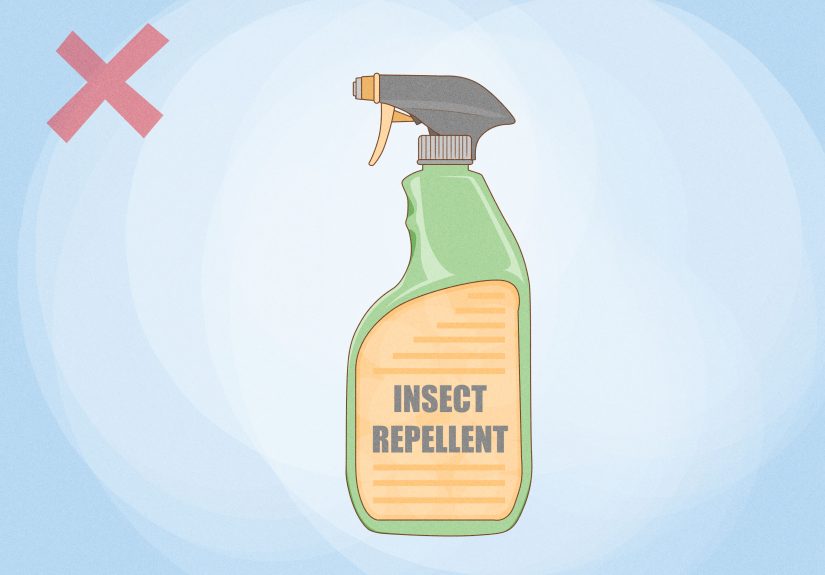
- Don’t count on mosquito repellent to repel bees. Many common repellents are designed for mosquitoes and ticks, not bees.
Dress like you’re not a flower
- Choose light-colored, smooth-finished clothing when you’re outside for long stretches.
- Skip bright floral prints if bees are a recurring issue in your space (yes, your shirt can look like lunch).
- Wear shoes outdoors, especially in grass where bees may be drinking water or visiting clover blooms.
Practice “calm energy” (the most underrated tactic)
If a bee is buzzing around, treat it like a stranger who wandered into the wrong party: don’t start a fightjust leave room for it to exit.
- Don’t swat. Gently brush it away or step back slowly.
- Watch what you sip. Bees and other stinging insects can investigate sweet drinks. Look before you drink, especially from cans.
- Avoid disturbing nests (more on that below). Defensive behavior ramps up when a colony thinks you’re threatening home.
Bonus: this approach helps kids, too. “Freeze like a statue” is both effective and hilariously dramatic.
Way #3: Adjust your yard so bees don’t “set up shop” near high-traffic areas
You don’t need to remove every flower (please don’tyour tomatoes would like a word). Instead, you’re aiming for smart placement:
keep the most bee-attractive stuff away from doors, patios, pool decks, and play areas.
Move the floral magnets away from where people hang out
Bees are drawn to blooming plants. If your seating area is surrounded by flowering herbs and bright blooms, you’ve built a pollinator lounge.
Consider relocating the “pollinator party” a bit farther out in the yard, and keep your main hangout zone more neutral.
- Keep flowering plants a few yards away from outdoor dining tables and doorways.
- Trim back flowering weeds in walkways (clover and dandelions are basically neon signs to bees).
- Use non-flowering greenery near seating (ferns and foliage plants can look great without advertising nectar).
Deal with ground-nesting “mining” bees the gentle way
Many “ground bees” are solitary, non-aggressive native pollinators that nest in dry, bare soil.
They often appear seasonally and then vanish. If they’re nesting in a low-traffic corner, the best option is usually to leave them alone.
But if they’re nesting where kids run, you can discourage nesting without going full villain.
- Water dry, bare patches more consistently during their active nesting period (they prefer dry, sandy soil).
- Eliminate bare ground by thickening turf, adding groundcover, or using mulch in garden beds.
- Reroute foot traffic temporarily with stepping stones or a simple barrier until activity drops.
Make water sources less convenient (without dehydrating your yard)
Bees collect water, especially in hot or dry periods. If they’re visiting your pool edge or birdbath like it’s a hydration station,
you can redirect the habit.
- Fix drips from hoses/spigots and avoid puddles near doors.
- Refresh birdbath water regularly (stagnant water and wet edges can become a frequent stop).
- Move pet water bowls away from eating and seating areas.
The principle: you’re not trying to remove water from the worldyou’re just trying to stop it from being served next to your patio chair.
Way #4: Prevent nesting near your home (and handle swarms the right way)
If bees keep “coming back,” you may be dealing with a nest nearby or a repeat pattern (like a favorite gap, wall void, or sunny bare patch).
The safest long-term plan is exclusion and professional relocation when needednot backyard heroics.
Do basic home “exclusion” maintenance
- Seal cracks and gaps around siding, soffits, eaves, and utility penetrations.
- Repair window and door screens and keep doors closed when possible.
- Check vents and openings for intact screens/covers.
This doesn’t just help with bees. It’s the same adulting that reduces ants, spiders, and the general “why is there a bug in my bathroom” mystery.
Know what a swarm isand what it is not
A swarm is a cluster of bees (often honey bees) resting temporarily while they look for a new home.
Swarms can look dramatic (like a living beard on a tree branch), but they’re often less defensive than an established hive because they’re in transit.
Here’s the big rule: don’t spray swarms and don’t poke them. If a swarm is in an inconvenient spot, contact a local beekeeper
or a professional who can safely remove or relocate it.
When to call a professional (please do, and feel zero shame)
- Bees entering/exiting a hole in a wall, soffit, or roofline (possible colony in a structure)
- Large, persistent activity that doesn’t match normal “flower visiting”
- Anyone in the household has a known severe allergy to stings
- You can’t safely identify the insect (bee vs wasp matters for risk and removal)
Professionals can evaluate the situation and, when possible, coordinate removal with beekeepersprotecting both people and pollinators.
This is one of those times where “DIY” can turn into “why are we running” way too fast.
A fast “keep bees away” checklist
- Use lids for sweet drinks, clean spills quickly, and keep food covered outdoors.
- Seal trash and recycling; rinse sticky containers; move bins away from seating.
- Skip perfume and strongly scented products before outdoor time.
- Wear light-colored clothing and avoid swattingmove slowly and calmly.
- Shift bee-attractive blooms away from doors/patios; manage clover and flowering weeds in walkways.
- Discourage ground bees by watering dry bare soil and covering it with turf/groundcover/mulch.
- Seal gaps and repair screens; call a beekeeper or pro for swarms or structural colonies.
of Real-World Experiences: What People Usually Learn the Hard Way
If you search “how to keep bees away,” you’ll find a lot of dramatic solutions and a lot of confident advice from people who clearly live in a world
where trash never overflows and children never spill juice. Real life is messierliterallyso here are four common “experience-based” scenarios that
show what tends to work in normal households.
Experience #1: The Soda Can Surprise
One of the most common outdoor-bee moments is the innocent soda can. Someone sets it down, the can sweats in the heat, sugar dries around the rim,
and suddenly a curious insect is inspecting it like a food critic. The lesson people learn fast: open cans are a risk because you can’t easily see inside
them. The fix that tends to stick is simple: switch to lidded cups for kids, capped bottles for adults, and “look before you sip” as a household rule.
It sounds small, but it’s one of those changes that immediately reduces panicked flailing (which, as you now know, is basically an engraved invitation
for trouble).
Experience #2: The Trash Can That Became a Bee Magnet
Another classic story: “Bees keep hovering by the patio table,” when the real issue is the trash can three steps away. Sticky cans, a bit of fruit,
and a lid that never quite closes can turn a bin into the most interesting landmark in the yard. When people finally move the bin farther awaylike
to the side of the houseand start rinsing sweet containers before tossing them, the “bee problem” often shrinks within days. The funny part is how
many folks swear the bees “randomly left,” when the bees are basically just following the smell map you accidentally drew for them.
Experience #3: The Bare Patch of Dirt That Turned Into a Seasonal Airport
Ground-nesting bees freak people out because they look like a “colony” forming in the lawn. In many cases, it’s solitary mining bees choosing a dry,
sunny patch with sparse grass. The experience-based takeaway: if you water that patch more consistently and cover bare soil with thicker turf or mulch,
activity often drops off. People who try to “battle” the bees usually end up stressed, while the people who quietly improve the lawn conditions are the
ones who report, “Huh, that was easier than I thought.” The bonus is that your lawn looks better, tooso you get fewer bees and fewer bald spots.
Experience #4: The Swarm That Looked Like a Horror Movie (But Wasn’t)
Nothing spikes the heart rate like spotting a baseball-sized (or bigger) cluster of bees on a branch near your driveway. The first instinct is often,
“Do something now.” The people who have been through it will tell you: the best “doing something” is usually doing lesskeep distance, keep pets and
kids away, and call a beekeeper or professional removal service. Many swarms move on, and when they don’t, pros can often relocate them safely.
The experience-based lesson is that swarms look terrifying, but panic makes everything worse. Calm, space, and the right phone call beat heroics every time.
In other words, the most successful bee-deterrence strategy isn’t a magic sprayit’s a set of small habits: lids, clean-up, sealed trash,
fewer strong scents, and a yard that doesn’t accidentally offer the best water-and-sugar lounge in the neighborhood.
Conclusion
Keeping bees away is mostly about removing rewards and reducing accidental invitations. Cover sweet drinks, seal trash,
clean up spills, and keep ripe fruit from lingering. Skip strong fragrances and choose calm movement over swatting. Then use smart landscaping and simple
exclusion (sealing gaps, repairing screens, reducing bare dry soil) so bees don’t treat your home like prime real estate.
And if you ever suspect a swarm or a colony inside a structure, don’t turn it into a DIY action movie. Call a local beekeeper or professional and let them
handle it safelyfor you and for the pollinators we all rely on.