Table of Contents >> Show >> Hide
- Fresh, Fast, and Surprisingly Fancy
- Why You’ll Love This 5-Ingredient Shrimp Spring Rolls Recipe
- Ingredients for 5-Ingredient Shrimp Spring Rolls
- How to Make Shrimp Spring Rolls
- Recipe Card: 5-Ingredient Shrimp Spring Rolls
- Tips for Perfect Rice Paper Rolls
- Food Safety Tips for Shrimp Spring Rolls
- Best Dipping Sauces for Shrimp Spring Rolls
- Variations and Add-Ins
- How to Store Shrimp Spring Rolls
- Common Mistakes to Avoid
- What to Serve with Shrimp Spring Rolls
- Experience Notes: What I Learned Making 5-Ingredient Shrimp Spring Rolls
- Conclusion
- SEO Tags
Note: This recipe uses five core ingredients. Warm water for softening rice paper, salt, pepper, and dipping sauce are treated as pantry extras, because nobody wants to count water as an ingredient unless the refrigerator is truly empty.
Fresh, Fast, and Surprisingly Fancy
There are recipes that look harder than they are, and then there are shrimp spring rolls: the culinary equivalent of showing up to a picnic in sunglasses and pretending you own a yacht. They are fresh, colorful, light, and packed with crisp texture, yet they require only five main ingredients and no heroic kitchen behavior. No deep fryer. No complicated marinade. No sink full of pans looking like a crime scene from a cooking show.
This 5-Ingredient Shrimp Spring Rolls Recipe is designed for busy home cooks who want something refreshing, beautiful, and satisfying without having to chase down twelve specialty items. The rolls are made with tender shrimp, rice paper wrappers, crisp lettuce, cool cucumber, and fresh mint. That is it. Five ingredients, one clean cutting board, and a meal that tastes like it came from the bright, crunchy side of life.
Fresh shrimp spring rolls are often inspired by Vietnamese-style summer rolls, also known as rice paper rolls. They are typically served cold or at room temperature and filled with cooked protein, herbs, vegetables, and sometimes rice noodles. This simplified version skips the noodles to keep the ingredient list short and the texture crisp. The result is lighter, faster, and still completely lovable.
Why You’ll Love This 5-Ingredient Shrimp Spring Rolls Recipe
It feels restaurant-worthy without the restaurant bill
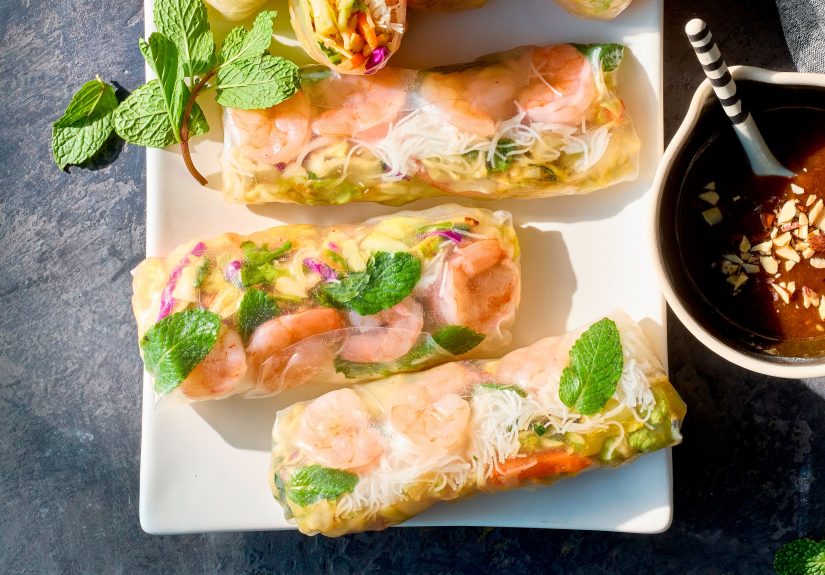
Shrimp spring rolls look polished because the translucent rice paper lets the fillings shine through. Arrange the shrimp neatly, add a few mint leaves, and suddenly your lunch looks like it has a personal stylist. The best part is that the technique is simple once you understand how rice paper behaves. It starts firm, softens quickly, and becomes flexible enough to wrap around the filling.
It is light but still satisfying
Shrimp brings lean protein, cucumber adds crunch, lettuce gives structure, and mint makes everything taste clean and refreshing. These easy shrimp spring rolls work well as a lunch, appetizer, snack, or warm-weather dinner when turning on the oven feels like an unreasonable personal attack.
It is flexible
The basic recipe is intentionally simple, but it can handle small upgrades. Add a dipping sauce, sprinkle in shredded carrots, tuck in basil, or serve the rolls beside a bowl of peanut sauce. The five-ingredient version is the foundation; your cravings can decorate the house later.
Ingredients for 5-Ingredient Shrimp Spring Rolls
This recipe makes about 8 spring rolls, enough for 2 to 4 servings depending on whether you are serving them as a light meal or an appetizer.
- 8 rice paper wrappers – Look for round rice paper wrappers, usually 8 to 9 inches wide.
- 16 cooked shrimp – Use medium or large shrimp, peeled, deveined, and sliced in half lengthwise.
- 8 butter lettuce leaves – Romaine or green leaf lettuce also works.
- 1 English cucumber – Cut into thin matchsticks for easy rolling.
- 1/2 cup fresh mint leaves – Mint gives the rolls their bright, fresh flavor.
Pantry extras: Warm water for softening wrappers, salt and pepper if desired, and your favorite dipping sauce. A simple peanut sauce, sweet chili sauce, hoisin-lime sauce, or soy-ginger dip all work beautifully.
How to Make Shrimp Spring Rolls
Step 1: Prepare your rolling station
Before you soften the first wrapper, set up everything within reach. Place the shrimp, lettuce, cucumber, and mint on a clean plate or cutting board. Fill a shallow dish or pie plate with warm water. Lay a damp, clean kitchen towel or cutting board on your work surface. Rice paper waits for no one. Once it softens, it expects commitment.
Step 2: Slice the shrimp
If your shrimp are whole, slice them in half lengthwise. This helps them lay flat inside the roll and makes the finished spring rolls easier to wrap. Thick shrimp can create bulky rolls that resist closing, like tiny seafood suitcases overpacked for vacation.
Step 3: Soften one rice paper wrapper
Dip one rice paper wrapper into warm water for a few seconds, just until the entire surface is moistened. Do not soak it until it becomes limp in the water. It will continue softening on the work surface. If the wrapper feels slightly firm when you remove it, that is perfectly fine. By the time you add the fillings, it should become pliable.
Step 4: Layer the fillings
Place the softened wrapper on your damp towel or board. Add one lettuce leaf to the lower third of the wrapper. Top it with cucumber sticks and a few mint leaves. Place 3 to 4 shrimp halves above the lettuce, cut side facing up or down depending on the look you want. For the prettiest spring rolls, place the curved pink side of the shrimp against the wrapper so it shows through after rolling.
Step 5: Roll tightly but gently
Fold the bottom edge of the rice paper over the lettuce and cucumber. Roll once to secure the filling, then fold in the sides like a burrito. Continue rolling over the shrimp until sealed. The roll should be snug, not strangled. If the rice paper tears, do not panic. That is not failure; that is lunch with character.
Step 6: Repeat and serve
Repeat with the remaining wrappers and fillings. Serve the shrimp spring rolls immediately with your favorite dipping sauce. If making them ahead, cover them with a lightly damp towel and plastic wrap, then refrigerate for a short time. Fresh spring rolls are at their best the day they are made.
Recipe Card: 5-Ingredient Shrimp Spring Rolls
Ingredients
- 8 round rice paper wrappers
- 16 cooked shrimp, peeled, deveined, and halved lengthwise
- 8 butter lettuce leaves
- 1 English cucumber, cut into thin matchsticks
- 1/2 cup fresh mint leaves
Instructions
- Prepare a shallow dish of warm water and arrange all fillings near your work surface.
- Dip one rice paper wrapper in warm water for a few seconds, then place it on a damp towel or cutting board.
- Add lettuce, cucumber, and mint to the lower third of the wrapper.
- Place shrimp halves slightly above the vegetables so they show through the wrapper.
- Fold the bottom over the vegetables, fold in the sides, and roll tightly but gently.
- Repeat with remaining wrappers and serve with dipping sauce.
Quick Details
- Prep time: 20 minutes
- Cook time: 0 minutes if using cooked shrimp
- Total time: 20 minutes
- Yield: 8 spring rolls
- Best for: Lunch, appetizers, meal prep, summer dinners, light snacks
Tips for Perfect Rice Paper Rolls
Do not over-soak the rice paper
The most common mistake is leaving the wrapper in water too long. Rice paper continues to absorb moisture after it comes out of the bowl. A quick dip is usually enough. If it turns floppy before it reaches the board, rolling becomes a sticky wrestling match, and the wrapper often tears.
Use a damp surface
A damp towel helps prevent sticking and gives you better control. A dry plate can cause the wrapper to cling too aggressively. A soaking-wet surface can make everything slide around like a cucumber-themed slip-and-slide. Damp is the magic word.
Keep fillings thin
Spring rolls roll best when the ingredients are slim and even. Slice cucumber into matchsticks, use flexible lettuce leaves, and cut the shrimp in half. If the fillings are too bulky, the wrapper may split. Delicious? Still yes. Elegant? Slightly less.
Roll with confidence
The first spring roll may look a little unusual. The second one will look better. By the fifth, you may start wondering whether you should open a tiny spring roll kiosk. Keep the pressure firm and steady, and remember that rice paper is forgiving as long as it is not oversoaked.
Food Safety Tips for Shrimp Spring Rolls
Because this recipe uses shrimp, start with fully cooked shrimp or cook raw shrimp until safely done. Shrimp should be firm, pearly, and opaque. If using raw shrimp, cook it thoroughly, chill it quickly, and keep it refrigerated until you are ready to assemble the rolls.
Fresh spring rolls should not sit at room temperature for long periods. Serve them soon after assembly, especially if they contain seafood. If you are preparing them for guests, keep the fillings chilled until rolling time and store finished rolls covered in the refrigerator until serving.
Also, use separate cutting boards and utensils for raw seafood and fresh vegetables if you are cooking shrimp yourself. Cross-contamination is the uninvited guest at the party, and it never brings dip.
Best Dipping Sauces for Shrimp Spring Rolls
The spring rolls themselves are intentionally simple, so dipping sauce is where you can add personality. A creamy peanut sauce gives them richness. Sweet chili sauce adds gentle heat and sweetness. A hoisin-lime sauce brings tangy depth. Soy sauce mixed with lime juice, a little honey, and grated ginger makes a quick, bright dip.
For a fast pantry sauce, stir together peanut butter, soy sauce, lime juice, warm water, and a little honey until smooth. This sauce is not part of the five core ingredients, but it turns the rolls into something dangerously snackable. You may want to make extra unless you enjoy watching people politely scrape the bottom of the bowl.
Variations and Add-Ins
Add rice noodles
Traditional fresh rolls often include rice vermicelli noodles. If you want a heartier roll, add a small bundle of cooked and cooled noodles over the lettuce before rolling. Keep the portion small so the rice paper can still close neatly.
Use different herbs
Mint is bright and refreshing, but Thai basil, cilantro, or a combination of herbs can add more complexity. Herbs are the small ingredient that make spring rolls taste alive instead of merely assembled.
Swap the protein
Cooked chicken, tofu, or thinly sliced cooked pork can replace shrimp. The same rolling method applies. Keep the pieces thin and evenly shaped for the cleanest roll.
Add crunch
Carrots, bell peppers, cabbage, or bean sprouts can add extra color and texture. If you add more vegetables, reduce the amount of cucumber slightly so the rolls do not become overstuffed.
How to Store Shrimp Spring Rolls
Shrimp spring rolls taste best fresh, ideally within a few hours of making them. Rice paper can become firm in the refrigerator, especially if exposed to dry air. To store them, place the rolls in a single layer on a plate or in a container, cover them with a lightly damp paper towel, and seal with plastic wrap or a lid.
Avoid stacking the rolls directly on top of one another because rice paper loves to stick to itself with the enthusiasm of a toddler holding a sticker sheet. If you must stack them, place parchment paper between layers. For best texture, eat them the same day.
Common Mistakes to Avoid
Using hot water that is too hot
Very hot water can soften rice paper too quickly, making it fragile before you even start rolling. Warm water is enough. The goal is flexible, not floppy.
Overfilling the wrapper
It is tempting to load each roll like a burrito, but rice paper is delicate. A moderate amount of filling creates a better bite and a cleaner look.
Skipping the lettuce
Lettuce is not just filler. It acts like a protective layer between the crisp vegetables and the rice paper, helping reduce tearing. Think of it as edible bubble wrap, but far more socially acceptable at lunch.
Making them too far ahead
These rolls are fresh by nature. Make them close to serving time whenever possible. If preparing ahead for a party, set up the fillings in advance and roll shortly before guests arrive.
What to Serve with Shrimp Spring Rolls
These fresh shrimp spring rolls pair well with light, flavorful sides. Try them with miso soup, cucumber salad, sesame noodles, mango salad, or a simple bowl of steamed rice. For a party platter, serve them beside edamame, fruit, and two dipping sauces so guests can choose between creamy, spicy, tangy, and sweet flavors.
They also work beautifully as a make-your-own spring roll bar. Arrange the shrimp, lettuce, cucumber, herbs, and wrappers on the table, then let everyone roll their own. It is interactive, casual, and a little chaotic in the best way. Someone will make a perfect roll. Someone else will create a rice paper envelope full of cucumbers. Both people deserve sauce.
Experience Notes: What I Learned Making 5-Ingredient Shrimp Spring Rolls
The first thing you learn when making shrimp spring rolls is that rice paper has a personality. It begins stiff and quiet, then suddenly becomes soft, clingy, and dramatic. The trick is not to fight it. A quick dip in warm water and a calm rolling motion do more than any complicated technique. When I first made these, I soaked the wrapper until it looked ready in the water. That was a mistake. By the time it reached the board, it behaved like edible plastic wrap with trust issues. A shorter dip solved almost everything.
The second lesson is that neat prep makes the whole recipe easier. Spring rolls are not difficult, but they do reward organization. If the shrimp is sliced, the cucumber is cut, the lettuce is separated, and the mint is ready, the process feels smooth. If you are still hunting for a knife while the wrapper softens, the rice paper will not politely wait. It will become sticky and impatient, and suddenly dinner has a plot twist.
I also learned that less filling makes a better roll. At first, it is tempting to stuff the wrapper generously because every ingredient looks harmless. A few cucumbers here, extra lettuce there, a heroic handful of mint because freshness is healthy, right? Then you try to roll it, and the wrapper gives up halfway through. The best spring rolls are balanced. A lettuce leaf, a modest bundle of cucumber, a few mint leaves, and two shrimp sliced into halves are usually enough.
Another useful experience is placing the shrimp separately from the vegetables. If you put the shrimp near the top half of the wrapper and the lettuce mixture near the bottom, the shrimp shows through beautifully after rolling. This small detail makes homemade rolls look much more polished. It is the difference between “I made lunch” and “I may have casually trained with a spring roll master in a mountain village,” even if the only mountain nearby is the laundry pile.
Serving sauce on the side is also important. The rolls themselves are clean and mild, which makes them perfect for dipping. Peanut sauce gives them richness, sweet chili sauce makes them playful, and soy-lime sauce keeps everything bright. If serving these to a group, offer two sauces. People love options, especially when those options involve dipping.
Finally, shrimp spring rolls are best when you accept that they do not all need to look identical. The first roll might be loose. The second might be slightly lopsided. The third may look ready for a cookbook photo. By the end, you will understand the rhythm: soften, fill, fold, tuck, roll. It becomes relaxing. The recipe is simple enough for a weekday lunch but pretty enough for guests, which is exactly the kind of kitchen magic worth keeping.
Conclusion
This 5-Ingredient Shrimp Spring Rolls Recipe proves that fresh, flavorful food does not need a long shopping list. With rice paper wrappers, cooked shrimp, lettuce, cucumber, and mint, you can make a light meal or appetizer that is crisp, colorful, and satisfying. The key is simple technique: do not over-soak the wrappers, keep the fillings thin, roll gently, and serve the rolls fresh with a dipping sauce you love.
Whether you are making a quick lunch, a healthy snack, or an easy party appetizer, these fresh shrimp spring rolls deliver big reward with very little fuss. They are cool, crunchy, protein-packed, and just fancy enough to make your regular weekday plate feel like it got promoted.