Table of Contents >> Show >> Hide
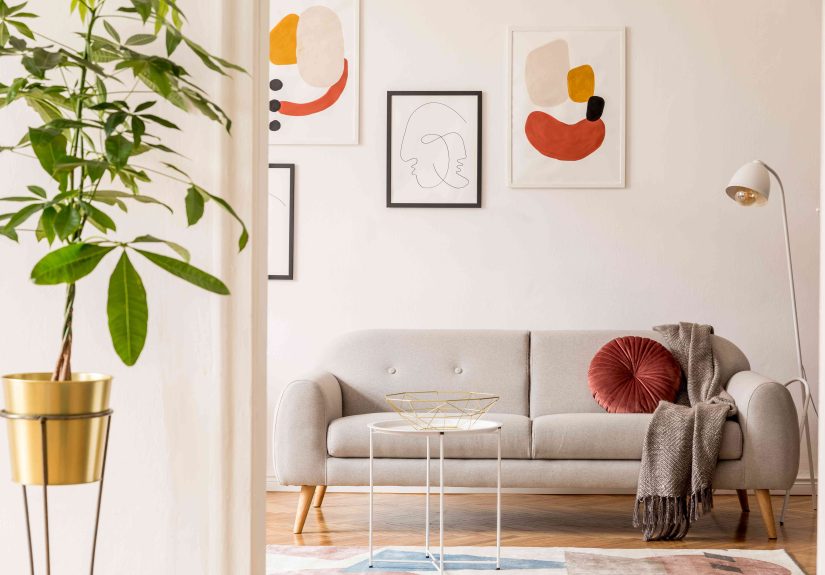
Minimalist decorating looks so simple on Instagram: a pale sofa, one perfect plant, maybe a single art print that somehow cost more than your car. But try it at home and suddenly your space feels less like a serene Japandi spa and more like a half-moved-out apartment. If your “less is more” experiment has turned into “less is… yikes,” you’re not alone.
Professional designers love minimalist home decor, but they approach it with a lot more nuance than “paint it white and hide everything.” They think about warmth, comfort, proportion, and how you actually live in the space. Most importantly, there are a few minimalist decorating mistakes they simply never makebecause they know those errors are what turn minimalism from calm and chic into cold and awkward.
Let’s walk through five of the biggest minimalist decorating mistakes designers avoid, and how you can sidestep them to create a home that feels both streamlined and inviting.
1. Mistaking “Minimal” for Empty and Lifeless
Why this mistake happens
Minimalism often gets reduced to a slogan: fewer things, more peace. That’s true to a point, but many people interpret it as “own almost nothing” and strip their rooms down to bare walls, a lonely sofa, and a coffee table that looks like it’s waiting for staging day. The result? A space that feels sterile, echoey, and a little depressing.
What designers do instead
Designers know the goal isn’t emptiness; it’s intentionality. In warm and cozy minimalist interiors, they start with a calm backdropsoft, warm neutrals instead of harsh whiteand then layer in natural materials like wood, stone, linen, wool, and boucle for texture and depth. Thoughtful lighting, from table lamps to wall sconces, warms up those “clean lines” so the room feels lived-in, not clinical.
Instead of removing every accessory, they edit. A single sculptural vase, a stack of favorite books, or one well-chosen piece of art can give a minimalist room personality without clutter. The trick is that everything left in the room is there on purpose.
How to fix it at home
- Swap icy whites for warm neutrals like soft greige, mushroom, or sandy beige.
- Add at least three textures: think linen curtains, a wool throw, and a jute or low-pile rug.
- Use layered lightingoverhead, table, and floor lampsto avoid that stark, spotlight feeling.
- Choose a few meaningful objects instead of clearing every surface completely.
If your minimalist living room feels like a museum after hours, you probably need more warmth, not more empty space.
2. Prioritizing Aesthetic Over Comfort and Function
Why this mistake happens
Minimalist inspiration photos rarely show real life: kids’ toys, mail piles, laptop cords, or the giant dog who insists the sofa is his. So it’s easy to copy the look and forget that you actually have to live there. That’s when you end up with a supercool low sofa that’s impossible to get out of, a coffee table you can’t put your feet on, and nowhere to stash the remote.
What designers do instead
Designers obsess over how a space functions. In minimalist homes, they focus on:
- Storage you don’t notice: sleek sideboards, media cabinets, storage ottomans, and built-ins that hide the “real life” stuff.
- Right-sized furniture: pieces in scale with the room so it feels open but not under-furnished.
- Multifunctional pieces: nesting tables, benches with storage, and stools that double as side tables.
Minimalist decorating isn’t about having hardly anything; it’s about everything having a job. A simple room with no storage plan will quickly turn into a cluttered room with nowhere for clutter to go.
How to fix it at home
- Audit your daily habits: Where do bags land? Where does mail pile up? Each needs a “home.”
- Invest in at least one closed storage piece per room (console, credenza, cabinet).
- Choose furniture that’s comfortable enough for movie night, not just photos.
- Opt for pieces that can multitask, like an upholstered bench that works for seating and storage.
If your minimalist decor looks gorgeous but you’re constantly fighting piles of stuff, you don’t need “more discipline”you need better functional design.
3. Ignoring Scale, Proportion, and Layout
Why this mistake happens
In the name of keeping things “light” and “minimal,” people often buy furniture that’s too small, rugs that float in the middle of the room, and a coffee table that looks like it belongs in a dollhouse. Then they push everything against the walls to “make the room feel bigger.” Ironically, the space ends up feeling smaller, not larger.
What designers do instead
Designers pay close attention to scale and proportion. In minimalist rooms, they typically:
- Anchor the seating area with a rug large enough for at least the front legs of all major furniture to sit on it.
- Float furniture away from the walls to create better flow and a more intentional layout.
- Use a few well-proportioned pieces instead of a bunch of tiny, spindly items.
- Respect the room’s dimensionsno king bed in a tiny bedroom or giant sectional in a narrow living room.
Minimalist design relies heavily on negative spacethe empty areas around and between furniture. But that negative space only looks elegant if the positive elements are sized correctly.
How to fix it at home
- Measure before you buy. Sketch your room and map out furniture footprints with painter’s tape.
- Size up your rug. In most living rooms, an 8×10 is the bare minimum; smaller often looks skimpy.
- Pull the sofa 4–8 inches away from the wall and see how the room instantly feels more intentional.
- Choose fewer but more substantial pieces instead of many tiny ones.
If your minimalist space feels “off” but you can’t figure out why, scale and proportion are usually the culprits.
4. Playing It Too Safe with Color and Texture
Why this mistake happens
Somewhere along the way, “minimalist” became synonymous with “all gray, all the time.” Enter the infamous “millennial gray” home: gray walls, gray flooring, gray sofa, gray curtains, and a mood that matches. People choose neutrals to be safe, but too much sameness flattens the room and makes it feel tired instead of timeless.
What designers do instead
Designers know that neutrals are a palette, not a prison. In modern minimalist homes, you’ll often see:
- Warm neutrals like camel, oat, taupe, and ivory instead of harsh white and cold gray.
- Subtle accent colorsmuted navy, terracotta, olive, or ochreused sparingly for depth.
- Lots of texture: nubby upholstery, ribbed ceramics, slatted wood, woven baskets.
- Contrast between materials: matte walls, soft fabrics, and a few reflective surfaces like glass or metal.
They also pay attention to flooring. Very cool gray wood everywhere can make a minimalist space feel chilly, so designers often soften it with warm-toned rugs and wood furniture.
How to fix it at home
- Break up a gray-on-gray scheme with warm-toned accents: wood side tables, a cream throw, or beige linen pillows.
- Add one or two accent colors in small dosesart, cushions, a lamp base, or a single chair.
- Think “texture first.” If two items are the same color, make sure their textures are noticeably different.
- Use mirrors or metallic accents to bounce light and keep neutrals from looking flat.
Minimalist decorating should feel calm, not colorless. A little contrast and texture go a long way.
5. Over-Editing and Losing the Focal Point
Why this mistake happens
Once you catch the decluttering bug, it’s easy to keep going until almost everything is gone. Shelves are empty, walls are bare, and the room has no visual “anchor.” Without a focal pointa fireplace, a piece of art, a beautiful light fixtureyour eye has nowhere to land. The room feels unfinished, like a hotel lobby waiting for furniture delivery.
What designers do instead
Designers are ruthless editors, but they never forget about impact. In minimalist interiors, they’ll often:
- Choose one strong focal point per room: a statement light fixture, a large-scale art piece, or a stunning sofa.
- Style shelves with breathing room but not emptinessbalanced groupings with varied heights and shapes.
- Use wall art thoughtfully, making sure the size relates to the furniture below (often around two-thirds of the width).
- Limit the number of decorative “moments” so each one feels special.
Minimalism doesn’t mean your walls must be completely blank. It means the things you do display earn their spot.
How to fix it at home
- Pick one main focal point for the room and design around itcenter your seating, lighting, or rug accordingly.
- Hang art at eye level and size it to your furniture (large art is often better than many tiny pieces).
- Edit shelves to 50–60% full, but don’t empty them entirely.
- Keep surfaces mostly clear, but allow a curated tray vignette or stack of books so the room feels lived-in.
When done well, minimalist decorating feels calm but still has personality. The eye moves comfortably from focal point to focal point instead of wandering around a blank box.
Bonus: Real-Life Lessons from Fixing Minimalist Decorating Mistakes
Theory is great, but what does this look like when you’re actually standing in the middle of your living room with a screwdriver in one hand and a random basket in the other? Here’s how these five minimalist decorating mistakes tend to show up in real lifeand what people usually learn when they fix them.
The most common story goes like this: someone gets inspired by a photo of a serene, minimalist living room and decides to “start fresh.” They donate half their decor, roll up the colorful rug, paint everything white, and shove the remaining furniture against the walls to “open the space.” For about 24 hours, it feels amazingso clean! So spacious! And then the reality sets in: the room echoes, movie night is uncomfortable, and nobody wants to hang out there.
The turning point often comes when they realize that the “before” wasn’t the problem; it was the lack of intention. Maybe the old room had five blankets tossed everywhere, a million throw pillows in random colors, and mismatched side tables. But when they bring back just one cozy throw, two pillows in a limited color palette, and a single matching pair of side tables, the room starts to look like a designer was there. It’s still minimalbut now it feels like a home again.
Another lesson people learn quickly is that comfort is not optional. That ultra-sleek, perfectly square sofa looked stunning online, but if the cushions feel like sitting on drywall, it’s not going to fly in a real household. Designers never compromise on comfort in the name of minimalism, and people who successfully update their spaces end up adopting the same rule: if they don’t want to curl up in the room, something about the design needs to change.
Storage is another “aha” moment. Many people think minimalism is about having less stuff, but in practice, it’s more about having better systems. Once someone adds a closed cabinet for board games, a lidded basket for blankets, and a drawer for remotes and chargers, the entire house feels easier to maintain. They don’t suddenly become neat freaks; they just gave their things a place to go.
The scale and layout lesson often comes after a rug catastrophe. Maybe the rug they loved turns out to be too small, floating awkwardly in front of the sofa like a bath mat. When they finally invest in a larger rug, suddenly the room looks finished. Floating the sofa off the wall and bringing furniture closer together creates a cozy conversation zone instead of an empty dance floor. That’s when people usually say, “Ohthis is what every designer meant about proportion.”
And then there’s the color epiphany. After living in an all-gray or all-white box for a while, many people realize they miss warmth and character. The fix doesn’t require abandoning minimalism; it just means swapping in a warmer wall color, adding a wood coffee table, or bringing in a single bold piece of art. The room instantly feels more personal, while still calm and uncluttered.
The final lesson? Minimalist decorating is less about following rigid rules and more about editing with intention. Designers never make the five mistakes above because they’re constantly balancing simplicity with comfort, warmth, and personality. You can do the same. Keep the clean lines, the curated surfaces, and the calm color palettebut make sure your home still tells your story, not just the story of the last minimalist photo you saw on social media.
When you treat minimalism as a tool for living better, not just looking cleaner, your home stops feeling like a showroom and starts feeling like the most relaxing place you know.