Table of Contents >> Show >> Hide
- 1. Start With the Right Plants for the Right Place
- 2. Build Layers Instead of Planting One Lonely Row
- 3. Mulch Like You Mean It
- 4. Water Deeply, Not Constantly
- 5. Choose Plants That Do Not Need Constant Grooming
- 6. Add Paths, Edges, and Structures That Reduce Work
- Bonus Design Ideas for a Cottage Garden That Practically Takes Care of Itself
- Common Mistakes to Avoid
- of Practical Experience: What Actually Makes a Cottage Garden Easier
- Conclusion
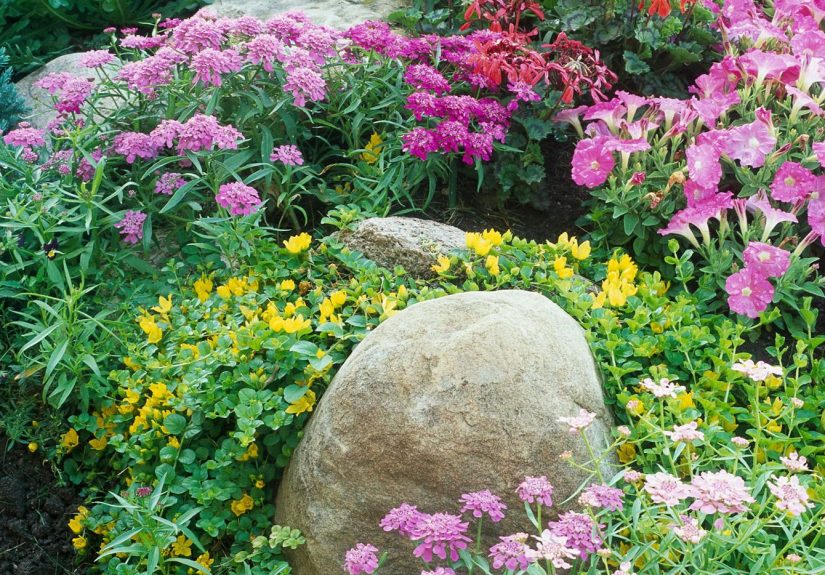
A cottage garden should look like it wandered out of a storybook, shook pollen from its sleeves, and decided to stay for tea. But here is the secret: the most charming cottage gardens are not random at all. They are relaxed, layered, colorful, and wonderfully informal, yet the easiest ones are built on smart choicesplants that actually like where they live, mulch that keeps weeds from staging a coup, and paths that let you reach everything without tiptoeing through a jungle of coneflowers.
If you love the romantic look of roses, lavender, daisies, herbs, foxgloves, salvia, catmint, yarrow, hydrangeas, and ornamental grassesbut you do not love spending every weekend deadheading, staking, watering, weeding, and apologizing to crispy plantsthis guide is for you. A low-maintenance cottage garden is not a no-maintenance garden. Nature is generous, not your unpaid intern. But with the right design, you can create a lush, pollinator-friendly, colorful garden that needs less fuss and gives more back.
Below are six practical tips for creating a low-maintenance cottage garden that feels abundant without becoming a second job.
1. Start With the Right Plants for the Right Place
The first rule of low-maintenance cottage garden design is simple: stop trying to convince plants to enjoy a location they clearly hate. A sun-loving lavender planted in damp shade will not “learn to adjust.” It will sulk, flop, and eventually leave you with a tiny botanical crime scene. Likewise, a moisture-loving plant stuck in dry, sandy soil will need constant rescue watering.
Before buying plants, study your garden like a detective with muddy shoes. Notice where the sun hits in the morning and afternoon. Watch where water collects after rain. Check whether your soil is sandy, clay-heavy, rocky, compacted, or rich and crumbly. Then choose plants that naturally fit those conditions.
Good low-maintenance cottage garden plants for sunny spots
For sunny borders, consider tough, long-blooming perennials such as coneflower, black-eyed Susan, yarrow, salvia, catmint, coreopsis, bee balm, sedum, blanket flower, daylily, and ornamental grasses. Many of these plants tolerate heat once established and offer the wild, colorful cottage look without needing daily attention.
Good choices for partial shade
For partial shade, look at plants such as astilbe, coral bells, hardy geranium, foamflower, hosta, hellebore, ferns, and woodland phlox. These bring texture, foliage contrast, and seasonal blooms to areas where classic sun-loving cottage flowers may struggle.
Native and regionally adapted plants are especially useful because they are already comfortable with local weather patterns, soils, pests, and seasonal rhythms. They also support birds, bees, butterflies, and other beneficial wildlife. In other words, they are the garden guests who bring snacks and help clean up afterward.
2. Build Layers Instead of Planting One Lonely Row
A classic cottage garden feels full because it is layered. Instead of arranging plants like soldiers in a straight line, build depth with tall plants in the back, medium-height flowers in the middle, and low-growing plants or groundcovers along the edge. This approach looks natural, helps cover bare soil, and reduces the space available for weeds.
Think of your garden bed as a small theater. Tall plants such as hollyhocks, foxgloves, delphiniums, Joe-Pye weed, tall phlox, shrub roses, or ornamental grasses create the background. Mid-height plants such as coneflowers, salvia, bee balm, yarrow, daisies, and daylilies fill the main stage. Low plants such as creeping thyme, hardy geranium, sweet alyssum, sedum, lamb’s ear, or catmint soften the front edge.
Use repetition to make the garden feel intentional
The easiest way to keep a cottage garden from looking chaotic is repetition. Plant groups of three, five, or seven rather than one of everything. Repeat a few favorite plants throughout the space so the garden feels connected. For example, you might repeat purple catmint along a path, use white daisies in several pockets, and echo soft pink roses near an arbor and again near the gate.
This creates the “abundant but not messy” effect. The garden still feels romantic and casual, but visitors can tell there is a planeven if that plan politely pretends not to exist.
3. Mulch Like You Mean It
Mulch is one of the least glamorous garden tools, but it works harder than almost anything else. A proper layer of mulch helps conserve moisture, cool the soil, reduce weed germination, protect roots, and improve soil structure as organic materials break down. Basically, mulch is the quiet employee who deserves a raise.
For most cottage gardens, organic mulch such as shredded bark, wood chips, pine straw, chopped leaves, or composted material works well. Apply it around plants after the soil has warmed in spring, keeping it a few inches away from plant crowns and stems. Piling mulch directly against stems can trap moisture and invite rot, which is not the cottagecore fantasy anyone ordered.
Do not leave bare soil exposed
Bare soil is an open invitation for weeds. In a low-maintenance cottage garden, aim to cover soil with mulch, groundcovers, or closely spaced plantings. As perennials mature and fill in, they create living shade over the soil, making it harder for weed seeds to sprout.
If you are starting a new bed, mulch immediately after planting. If you are improving an old bed, weed first, water deeply, then mulch. This simple sequence can reduce future work dramatically.
4. Water Deeply, Not Constantly
Frequent shallow watering encourages shallow roots, and shallow roots make plants need more watering. It is a needy little cycle. Instead, water deeply and less often so plants develop stronger root systems. Once established, many cottage garden perennials need far less attention than annuals or thirsty lawn areas.
New plants do need consistent moisture during their first growing season. The goal is to help them settle in, not toss them into the garden and say, “Good luck, tiny warrior.” After roots are established, gradually reduce watering frequency based on rainfall, temperature, soil type, and plant needs.
Make watering easier with smart design
Group plants with similar water needs together. Put drought-tolerant plants such as lavender, yarrow, salvia, sedum, catmint, and ornamental grasses in the drier, sunnier areas. Place moisture-loving plants closer to downspouts, rain gardens, low spots, or areas you can water more easily.
Drip irrigation or soaker hoses can also reduce labor because they deliver water directly to the soil instead of spraying leaves, sidewalks, and the occasional confused garden gnome. Watering in the early morning is generally best because it gives foliage time to dry and reduces water loss during hot parts of the day.
5. Choose Plants That Do Not Need Constant Grooming
Some flowers are gorgeous but demanding. They want staking, deadheading, pruning, fertilizing, dividing, pest patrol, motivational speeches, and possibly their own dressing room. For a low-maintenance cottage garden, choose reliable plants that keep looking good without constant intervention.
Look for sturdy stems, long bloom periods, disease resistance, drought tolerance, and attractive foliage. Plants such as catmint, coneflower, daylily, black-eyed Susan, sedum, yarrow, Russian sage, salvia, bee balm, ornamental grasses, and hardy geraniums are popular because they provide beauty without excessive fuss.
Let some seed heads stay
A perfectly clipped garden can look tidy, but a cottage garden benefits from a little looseness. Leaving some seed heads in place can feed birds, add winter texture, and allow certain plants to self-seed gently. Cosmos, calendula, foxglove, columbine, poppies, larkspur, and nigella may return in charming, unexpected places.
The key word is gently. Some self-seeders are delightful; others behave like they just inherited the property. Keep an eye on aggressive spreaders and edit them early before they take over. A low-maintenance garden still needs occasional supervision, but it should feel more like guiding than wrestling.
6. Add Paths, Edges, and Structures That Reduce Work
Hardscape is the backbone of a successful cottage garden. Paths, edging, arbors, trellises, fences, raised beds, stepping stones, and seating areas help define the space and make maintenance easier. Without structure, a cottage garden can quickly go from “romantic abundance” to “where did the walkway go?”
Use simple materials that fit the cottage style: gravel, brick, flagstone, wood chips, reclaimed stone, weathered wood, or a classic picket fence. Paths should be wide enough for comfortable access, especially if you need to carry a watering can, wheelbarrow, or basket of cut flowers while pretending you are in a lifestyle magazine.
Support climbing plants without extra chaos
Vertical elements are perfect for cottage gardens because they create height without using much ground space. Train climbing roses, clematis, honeysuckle, sweet peas, or climbing hydrangea on trellises, arbors, or fences. Choose supports before plants get large, not after they have flopped dramatically onto the path like exhausted theater actors.
Clean edges also reduce maintenance. A defined border between lawn and garden bed makes mowing easier and helps keep grass from creeping into the flowers. You can use metal edging, brick, stone, or a simple spade-cut edge refreshed once or twice a year.
Bonus Design Ideas for a Cottage Garden That Practically Takes Care of Itself
A low-maintenance cottage garden depends on good habits at the beginning. Preparing the soil, choosing durable plants, spacing them properly, and watering well during establishment will save hours later. The garden may look a little sparse at first, but resist the urge to overplant too tightly. Perennials grow. Shrubs expand. That adorable tiny plant in a quart pot may become a leafy beast by year three.
Use shrubs for structure
Flowering shrubs such as hydrangea, spirea, lilac, shrub roses, viburnum, ninebark, and summersweet can provide major impact with less seasonal replanting. They give the garden shape even when perennials are not in bloom.
Mix herbs with flowers
Herbs belong beautifully in cottage gardens. Thyme, sage, oregano, chives, rosemary, lavender, and mint bring fragrance, texture, and usefulness. Keep mint in a container unless you want it to begin a real estate empire.
Plan for bloom succession
Choose plants that bloom at different times so your garden has color from spring through fall. Spring bulbs, early perennials, summer flowers, late-season asters, goldenrod, sedum, and ornamental grasses can keep the display going without constant replanting.
Common Mistakes to Avoid
Even an easy-care cottage garden can become high-maintenance if the design works against you. Avoid planting high-water plants beside drought-loving plants. Do not choose plants solely because they look pretty in the nursery. A plant in bloom at the garden center is basically wearing its best outfit; you still need to know how it behaves after the party.
Another mistake is ignoring mature size. Crowded plants compete for water, light, and airflow, which can increase disease problems. On the other hand, spacing plants too far apart leaves bare soil where weeds can move in. Follow spacing recommendations, then use mulch or temporary annuals to cover gaps while perennials mature.
Finally, avoid making the garden too complicated. The cottage style invites variety, but too many different plants can become hard to manage. A smaller palette of dependable plants repeated generously often looks better and requires less work.
of Practical Experience: What Actually Makes a Cottage Garden Easier
From real-world gardening experience, the biggest difference between a charming cottage garden and a demanding one is not the number of flowersit is the quality of the decisions made before the flowers arrive. The easiest gardens usually begin with observation. Spend a week watching your space before planting. Notice the hot corner that bakes after 2 p.m., the shady strip beside the fence, the soggy patch near the downspout, and the area where you naturally walk even though no path exists yet. Your garden is already giving you instructions. The trick is listening before you buy a cart full of plants named things like “Romantic Moonbeam Princess.”
One of the most useful lessons is to plant in drifts rather than singles. A single coneflower may look lonely. Five coneflowers look intentional. Ten coneflowers look like you know what you are doing, even if you are still Googling “why is my soil weird?” Grouping plants also makes maintenance easier because you can water, prune, divide, or edit one section at a time. It creates visual calm in a style that can otherwise become busy.
Another practical experience: mulch early, and do not be shy about it. Gardeners often underestimate how much weed pressure comes from exposed soil. A fresh bed without mulch can turn into a weed nursery faster than expected. Mulch after planting, refresh it when it thins, and let spreading perennials eventually do some of the coverage work for you. In mature cottage gardens, plants often knit together so well that weeds have fewer open spaces to exploit.
It also helps to accept that not every plant deserves a permanent invitation. If a perennial needs constant staking, gets mildew every year, or blooms for four glorious days and then looks like wet tissue, replace it with something tougher. Gardening becomes easier when you stop treating struggling plants as personal failures. Sometimes the plant is simply wrong for the place. Thank it for its service and move on.
Paths are another underrated maintenance tool. A garden that looks beautiful from the porch but cannot be entered easily will become frustrating. Add stepping stones, gravel paths, or mulched walkways so you can reach the back of the border without crushing plants. Access makes deadheading, weeding, cutting flowers, and checking irrigation much simpler.
Finally, the best low-maintenance cottage gardens are allowed to be a little imperfect. A few seed heads, a leaning stem, a surprise self-sown flower by the paththese are not problems. They are personality. The goal is not to create a flawless outdoor showroom. The goal is to create a garden that feels alive, generous, and manageable. When you choose resilient plants, cover the soil, water wisely, repeat your favorites, and build in structure, the garden rewards you with that dreamy cottage look without demanding every spare minute of your weekend.
Conclusion
Creating a low-maintenance cottage garden is all about working with nature instead of negotiating with it like a tired hostage. Choose plants suited to your soil, light, and climate. Layer them for fullness. Use mulch to conserve moisture and block weeds. Water deeply. Pick reliable, easy-care perennials and shrubs. Add paths, edges, and supports so the garden stays accessible and attractive.
The result is a garden that looks relaxed, colorful, and abundant without becoming a chore factory. With smart planning, your cottage garden can offer buzzing pollinators, fragrant herbs, soft blooms, winding paths, and plenty of charmwhile still leaving you time to sit outside and enjoy it. Preferably with lemonade. Possibly while pretending you meant for that foxglove to self-seed exactly there.
Note: This article is written in original, web-ready American English and synthesized from real gardening best practices, including university extension guidance and established garden design principles.