Table of Contents >> Show >> Hide
- What Is a Heart Attack?
- What Does Heart Attack Chest Pain Feel Like?
- Heart Attack Symptoms Beyond Chest Pain
- What Does a Heart Attack Feel Like for Women?
- What Does a Heart Attack Feel Like for Men?
- Can a Heart Attack Feel Like Heartburn?
- Can You Have a Heart Attack Without Chest Pain?
- Early Warning Signs Before a Heart Attack
- Heart Attack vs. Panic Attack: Why It Can Be Confusing
- Heart Attack vs. Angina
- When Should You Call 911?
- What to Do While Waiting for Emergency Help
- Who Is at Higher Risk for a Heart Attack?
- How Doctors Diagnose a Heart Attack
- How to Describe Symptoms Clearly
- Living Smarter After Recognizing the Signs
- Experience-Based Examples: What a Heart Attack May Feel Like in Real Life
- Conclusion
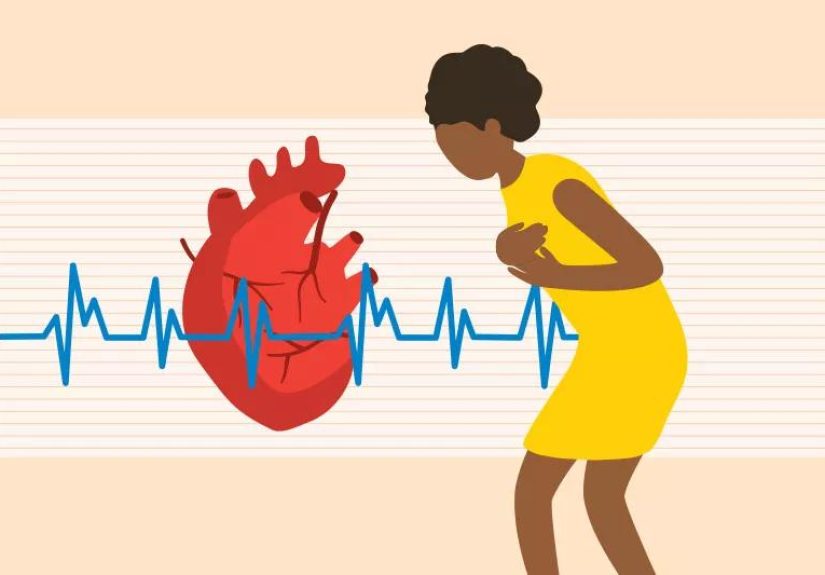
A heart attack does not always arrive like a dramatic movie scene, with someone clutching their chest, knocking over a lamp, and falling into a suspiciously convenient armchair. Sometimes it feels like pressure. Sometimes it feels like indigestion. Sometimes it feels like you are suddenly exhausted for no clear reason, as if your body just opened 47 browser tabs and froze.
So, what does a heart attack feel like? The most common description is discomfort in the center or left side of the chest that may feel like squeezing, pressure, fullness, heaviness, burning, or pain. But heart attack symptoms can also show up in the arms, jaw, neck, back, stomach, breathing, skin, energy level, or even your sense that “something is not right.” That variety is exactly why heart attacks can be missed or mistaken for heartburn, anxiety, muscle strain, or fatigue.
Important note: If you think you or someone nearby may be having a heart attack, call 911 immediately. Do not drive yourself to the hospital. Emergency responders can begin treatment quickly, and minutes matter.
What Is a Heart Attack?
A heart attack, also called a myocardial infarction, happens when blood flow to part of the heart muscle is blocked or severely reduced. Most often, this blockage is related to coronary artery disease, where fatty deposits called plaque build up inside the arteries. If a plaque ruptures, a blood clot can form and block the artery. Without enough oxygen-rich blood, the affected heart muscle can become damaged.
That damage is why symptoms should never be ignored. A heart attack is not a “wait and see” situation. It is more like your heart waving a red flag, ringing a bell, and sending a strongly worded email all at once.
What Does Heart Attack Chest Pain Feel Like?
Chest discomfort is the classic heart attack symptom, but “pain” is not always the best word for it. Many people describe it as pressure, tightness, squeezing, heaviness, aching, burning, or fullness. It may feel as if someone placed a heavy object on the chest or tightened a belt around the rib cage.
Common Chest Sensations
Heart attack chest discomfort may feel like:
- Pressure in the center of the chest
- A squeezing or crushing feeling
- Heaviness, as if something is sitting on the chest
- Burning that resembles heartburn
- Fullness or tightness that does not feel normal
- Pain that comes and goes
- Discomfort that lasts more than a few minutes
The discomfort may be mild or severe. Some people can still talk, walk, or sit upright during a heart attack. Others feel intense pain. The key point is this: a heart attack does not have to feel unbearable to be dangerous.
Heart Attack Symptoms Beyond Chest Pain
One reason heart attacks are tricky is that the heart does not always send a simple message. Instead of saying, “Hello, this is chest pain,” it may send pain or discomfort to other parts of the body. This is called referred pain.
Pain in the Arm, Shoulder, Jaw, Neck, or Back
Heart attack discomfort may spread to one or both arms, the shoulders, neck, jaw, teeth, upper back, or upper belly. Left arm pain is well known, but right arm pain can happen too. Jaw pain may feel like dental discomfort. Back pain may feel like pressure between the shoulder blades. Upper stomach pain may seem like indigestion after a dramatic lunch, even if lunch was innocent.
Shortness of Breath
Shortness of breath can happen with or without chest discomfort. A person may feel winded while resting or doing a small task that would not normally cause trouble, such as walking across the room. Some people describe it as being unable to take a satisfying deep breath.
Cold Sweat, Nausea, or Lightheadedness
Other common heart attack warning signs include breaking out in a cold sweat, nausea, vomiting, dizziness, faintness, or feeling clammy. These symptoms can be confusing because they may resemble a stomach bug, food poisoning, overheating, or anxiety. When they appear with chest pressure, upper-body discomfort, or shortness of breath, treat them as serious.
Unusual Fatigue
Unusual fatigue can be a warning sign, especially when it appears suddenly, feels extreme, or does not match your activity level. This is not the “I stayed up too late scrolling” kind of tired. It may feel like weakness, heaviness, or an overwhelming need to stop what you are doing.
What Does a Heart Attack Feel Like for Women?
Women can absolutely have classic chest pain or pressure during a heart attack. However, they are also more likely than men to report symptoms that are easier to dismiss, such as shortness of breath, nausea, back pain, jaw pain, indigestion-like discomfort, unusual tiredness, weakness, or anxiety.
Some women describe upper back pressure that feels like squeezing. Others report sudden fatigue, stomach discomfort, or breathlessness. Because these symptoms can sound like stress, reflux, the flu, or “just a busy week,” women may delay getting help. That delay can be dangerous.
The practical takeaway is simple: if symptoms feel new, intense, unexplained, or different from your usual body patterns, do not debate with yourself like a courtroom attorney. Call 911 and let medical professionals sort it out.
What Does a Heart Attack Feel Like for Men?
Men often report the classic pattern of chest pressure, squeezing, or pain, sometimes with discomfort moving down the left arm. They may also experience shortness of breath, sweating, nausea, dizziness, or discomfort in the back, neck, jaw, or stomach.
Because many people expect men’s heart attack symptoms to be obvious, milder symptoms may be ignored. A man may think, “It is probably just heartburn,” especially if the discomfort feels like burning or pressure after eating. But heart attack pain and indigestion can overlap, and guessing wrong is not a hobby anyone needs to try.
Can a Heart Attack Feel Like Heartburn?
Yes, a heart attack can feel like heartburn or indigestion. Burning in the chest, upper abdominal pressure, nausea, belching, or discomfort after a meal may seem digestive. However, heart-related discomfort may not improve with antacids, may appear with shortness of breath or sweating, or may spread to the arm, jaw, neck, back, or shoulder.
It is especially important to take “heartburn-like” symptoms seriously if you have heart disease risk factors, such as high blood pressure, high cholesterol, diabetes, smoking, obesity, a family history of heart disease, or a previous heart problem.
Can You Have a Heart Attack Without Chest Pain?
Yes. Some heart attacks cause little or no chest pain. These are sometimes called silent heart attacks, although “quiet” does not mean harmless. A person may feel shortness of breath, nausea, weakness, fatigue, sweating, dizziness, or discomfort in the back, jaw, neck, arm, or stomach without strong chest pain.
Silent or less obvious symptoms are more common in older adults, people with diabetes, and some women. Diabetes can affect nerves, making pain signals less clear. That is why paying attention to changes in breathing, energy, sweating, and unexplained discomfort is so important.
Early Warning Signs Before a Heart Attack
Some heart attacks happen suddenly, but others begin with warning signs hours, days, or even weeks before the major event. These early symptoms can be subtle and may come and go.
Possible Early Symptoms
- Chest discomfort that appears during activity and improves with rest
- Unusual fatigue that feels out of proportion
- Shortness of breath during normal activities
- Episodes of nausea or indigestion-like discomfort
- A vague feeling that something is wrong
- New pain in the shoulder, arm, jaw, neck, back, or upper belly
These warning signs should not be filed under “Future Me’s Problem.” Future You is busy. Current You should call a medical professional or seek emergency care if symptoms suggest a possible heart attack.
Heart Attack vs. Panic Attack: Why It Can Be Confusing
A panic attack can cause chest tightness, racing heartbeat, sweating, trembling, shortness of breath, dizziness, nausea, and a sense of doom. A heart attack can also cause chest discomfort, sweating, shortness of breath, nausea, dizziness, and anxiety. In other words, the symptom overlap is rude.
Do not try to diagnose the difference on your own during a scary episode. If chest discomfort is new, severe, persistent, or paired with symptoms such as breathlessness, sweating, nausea, faintness, or pain spreading to the arm, jaw, neck, back, or stomach, call 911. It is better to be checked and told it is not a heart attack than to stay home and hope.
Heart Attack vs. Angina
Angina is chest discomfort caused by reduced blood flow to the heart. It often happens during physical activity or stress and may improve with rest or prescribed nitroglycerin. A heart attack may feel similar, but the discomfort may last longer, become more intense, occur at rest, or come with symptoms like sweating, nausea, shortness of breath, or weakness.
If you have been diagnosed with angina, follow your doctor’s emergency plan. If symptoms are new, worse, lasting longer than usual, or not relieved by your prescribed medication, call 911.
When Should You Call 911?
Call 911 right away if you or someone else has possible heart attack symptoms, especially chest discomfort that lasts more than a few minutes, goes away and returns, or appears with shortness of breath, sweating, nausea, lightheadedness, or pain spreading to the arm, shoulder, back, neck, jaw, or stomach.
Do not drive yourself. Do not ask the internet to vote. Do not wait to see if the next episode of your symptoms gets better. Emergency medical services can start care on the way to the hospital, and fast treatment can reduce heart muscle damage.
What to Do While Waiting for Emergency Help
After calling 911, sit or lie down and try to stay as calm as possible. If the person becomes unresponsive and is not breathing normally, begin CPR if you are trained, or follow the dispatcher’s instructions. If an automated external defibrillator is available, use it according to the device prompts.
Do not give food or drink. Do not delay emergency care to search for home remedies. If the person has been prescribed nitroglycerin, they should use it exactly as directed by their healthcare provider. Aspirin may be recommended in some emergency situations, but it is not safe for everyone, so follow 911 dispatcher instructions or medical guidance.
Who Is at Higher Risk for a Heart Attack?
Anyone can have a heart attack, but certain factors increase risk. Some can be changed, while others cannot.
Common Heart Attack Risk Factors
- High blood pressure
- High LDL cholesterol or unhealthy cholesterol levels
- Smoking or exposure to tobacco smoke
- Diabetes
- Obesity or excess body weight
- Physical inactivity
- A diet high in sodium, added sugars, and saturated fat
- Heavy alcohol use
- Chronic stress
- Family history of heart disease
- Older age
- Previous heart attack or known coronary artery disease
Risk factors do not guarantee a heart attack, and having “no obvious risk” does not guarantee safety. Still, knowing your blood pressure, cholesterol, blood sugar, family history, and lifestyle risks can help you and your healthcare provider build a prevention plan.
How Doctors Diagnose a Heart Attack
In the emergency room, doctors do not rely on symptoms alone. They may use an electrocardiogram, often called an ECG or EKG, to look at the heart’s electrical activity. Blood tests can check for proteins called cardiac troponins, which may rise when heart muscle is damaged. Doctors may also use imaging tests, chest X-rays, echocardiograms, or coronary angiography depending on the situation.
Treatment may include medications to improve blood flow, reduce clotting, control pain, and protect the heart. Some people need procedures such as angioplasty and stent placement to open a blocked artery. The faster treatment begins, the better the chance of limiting damage.
How to Describe Symptoms Clearly
If you are talking to a dispatcher, paramedic, nurse, or doctor, describe symptoms as clearly as possible. You do not need perfect medical vocabulary. Plain language is great.
Useful Details to Share
- When the symptoms started
- Where the discomfort is located
- Whether it spreads to the arm, jaw, neck, back, shoulder, or stomach
- How it feels: pressure, squeezing, burning, sharp pain, heaviness, or tightness
- How severe it is on a scale of 1 to 10
- Whether it comes and goes or stays constant
- What you were doing when it began
- Any nausea, sweating, shortness of breath, dizziness, or fatigue
- Your medical history and medications, if known
A helpful phrase might be: “I have pressure in the center of my chest that started 20 minutes ago, and now I feel short of breath and sweaty.” That sentence gives emergency workers a lot to work with.
Living Smarter After Recognizing the Signs
Understanding what a heart attack feels like is not about living in fear. It is about knowing when your body is raising an alarm. Most random aches are not heart attacks, but certain combinations of symptoms deserve immediate attention.
Prevention also matters. Heart-healthy habits include not smoking, getting regular physical activity, eating more fruits, vegetables, whole grains, lean proteins, and healthy fats, managing blood pressure and cholesterol, controlling diabetes, sleeping well, and keeping up with regular medical checkups. Your heart is not asking for perfection. It is asking for consistent, reasonable care. Basically, it wants you to stop treating sleep like an optional software update.
Experience-Based Examples: What a Heart Attack May Feel Like in Real Life
The following examples are fictional composites based on commonly reported heart attack experiences. They are not meant to diagnose anyone, but they can help make the symptoms easier to recognize.
The “It Must Be Indigestion” Experience
Imagine someone finishing dinner and feeling a burning pressure high in the chest. At first, it seems like heartburn. They try sitting upright. They sip water. They mentally blame the spicy sauce, because spicy sauce is an easy villain. But the pressure does not fade. Then a cold sweat starts. The discomfort creeps toward the left shoulder, and breathing feels strangely difficult. This is the moment when “maybe it is indigestion” should become “call 911 now.”
Many people hesitate because the symptom does not feel like sharp pain. But heart attack discomfort can be dull, heavy, or burning. It may not scream. It may mumble. The danger is that the mumble is still coming from the heart.
The “I Just Feel Weird” Experience
Another person may not have dramatic chest pain at all. They may wake up feeling unusually tired, slightly nauseated, and short of breath walking to the bathroom. Their chest feels tight, but not exactly painful. Something feels wrong, yet hard to explain. This vague, uneasy feeling can be especially common in people whose symptoms are less typical.
That kind of experience is frustrating because it does not fit the familiar heart attack script. But bodies do not always read the script. If the feeling is new, unexplained, and paired with breathlessness, sweating, nausea, weakness, or upper-body discomfort, it deserves emergency attention.
The “Back, Jaw, and Shoulder” Experience
Someone else may feel pressure between the shoulder blades, tightness in the jaw, and aching down one arm. They may stretch, roll their shoulders, or assume they slept in a strange position. Then the discomfort returns in waves and is joined by lightheadedness. This pattern can be a heart attack warning sign, even if the chest itself is not the loudest symptom.
Radiating pain can fool people because it seems muscular or dental. Jaw pain might send someone searching for a dentist. Back pain might send them reaching for a heating pad. But when these symptoms appear suddenly or come with sweating, nausea, chest discomfort, or shortness of breath, the safest move is emergency care.
The “I Can Still Function, So I Must Be Fine” Experience
One of the most dangerous myths is that a person having a heart attack will always collapse. In reality, some people remain alert and able to talk. They may walk around, answer messages, or insist they are “probably fine.” This is not bravery; it is biology being confusing.
A person can have a heart attack while symptoms are mild, come and go, or feel more like pressure than pain. Waiting for symptoms to become unbearable can waste precious time. If the warning signs fit, get help early.
The Takeaway From These Experiences
Heart attack symptoms often become clear only when you look at the whole picture: chest pressure plus sweating, indigestion plus shortness of breath, back pain plus nausea, jaw discomfort plus unusual fatigue, or a sudden sense that something is seriously off. You do not need to identify the perfect symptom. You need to recognize a possible emergency.
When in doubt, call 911. Emergency teams would much rather evaluate a false alarm than arrive too late. Your heart has one job, and it is a pretty important one. Give it the benefit of fast action.
Conclusion
So, what does a heart attack feel like? It may feel like chest pressure, squeezing, heaviness, burning, or pain. It may spread to the arm, shoulder, back, neck, jaw, teeth, or upper stomach. It may come with shortness of breath, nausea, cold sweat, dizziness, unusual fatigue, or a powerful feeling that something is wrong. Sometimes symptoms are obvious. Sometimes they are sneaky enough to wear a fake mustache and call themselves heartburn.
The safest rule is simple: if symptoms could be a heart attack, call 911 immediately. Fast treatment can save heart muscle and save lives. Do not wait for perfect certainty. Your heart deserves quicker customer service than that.
Note: This article is for general educational purposes only and does not replace medical advice, diagnosis, or treatment. If you may be having heart attack symptoms, seek emergency medical help immediately.