Table of Contents >> Show >> Hide
- Before You Start: The Lasagna “Layer Logic” (So Your Pan Behaves)
- 1) The “Classic, But Make It Extra” Ragù + Béchamel Lasagna
- 2) White Spinach-Artichoke Lasagna (Comfort Food With a Fancy Accent)
- 3) Mushroom + Fontina “Umami Bomb” White Lasagna
- 4) Very Vegetable Lasagna with Zucchini Ribbons (A Garden In Lasagna Form)
- 5) Sheet-Pan Spinach Lasagna (Maximum Crispy Edges, Minimal Drama)
- 6) Lasagna Roll-Ups (Or Rosettes): Neat, Photogenic, and Shockingly Practical
- 7) Tex-Mex Tortilla Lasagna (Bold, Cheesy, and Weeknight-Friendly)
- Make-Ahead, Freezing, and Reheating Tips (So Future You Wins)
- Extra: of Real-World Lasagna Experiences (The Moments No Recipe Mentions)
- Conclusion
Lasagna is proof that “layering” isn’t just for sweaters and emotional baggageit’s also the fastest way to turn a pile of ingredients into a bubbly, golden masterpiece. The best part? Once you understand how lasagna works (sauce + starch + creamy element + cheese + a little patience), you can remix it into endless variations without losing that cozy, fork-perfect bite.
This guide rounds up 7 creative lasagna recipes that bring serious “how is this so good?” energythink classic ragù and béchamel, white lasagna with spinach-artichoke vibes, mushroom-forward umami layers, veggie-packed twists, and even a tortilla-based Tex-Mex version that’s basically a party in a baking dish. Along the way, you’ll also get practical tips for clean slices, crisp edges, no-soggy layers, and freezer-friendly success.
Before You Start: The Lasagna “Layer Logic” (So Your Pan Behaves)
1) Balance wet and dry
Lasagna noodles absorb moisture as they bake. If your sauce is too thin, your layers slither. If it’s too thick, the noodles stay chewy in the bad way. Aim for sauce that coats a spoon and slowly dripsnot watery, not paste.
2) Use a “glue” layer
Creamy elements like ricotta mixtures, béchamel, cottage cheese blends, or thick vegetable purées keep layers cohesive and prevent the dreaded “everything falls out when you cut it” moment.
3) Rest it like it ran a marathon
Let baked lasagna rest 20–30 minutes before slicing. This is not optional unless you enjoy serving lasagna as “savory lava.”
4) Make-ahead and freezing are your secret weapons
Lasagna is famously forgiving. Assemble in advance, refrigerate overnight, or freeze (baked or unbaked). Label it, date it, and congratulate your future self.
1) The “Classic, But Make It Extra” Ragù + Béchamel Lasagna
This is the “wear a fancy sweater for dinner” lasagna: slow-simmered meat sauce (ragù) layered with creamy béchamel, pasta sheets, and cheese. The béchamel gives you that silky, restaurant-style bite, while the ragù brings deep, savory flavor that tastes like it has life advice.
What makes it creative
- Two-sauce layering (ragù + béchamel) for richer, cleaner slices.
- Umami boosts like Parmesan rind simmered in the sauce or a tiny splash of fish sauce (optional, but powerful).
Key ingredients
- Lasagna noodles (fresh sheets, boiled, or no-boil)
- Meat ragù: ground beef + pork (or sausage), onion, carrot, celery, garlic, tomato paste, crushed tomatoes
- Béchamel: butter, flour, milk, salt, pepper, pinch of nutmeg
- Cheese: mozzarella + Parmesan
How to build it
- Simmer ragù until thick and glossy (30–60 minutes for weeknight; longer if you want bragging rights).
- Make béchamel: cook butter + flour, whisk in milk, season lightly.
- Layer: thin sauce on the bottom → noodles → ragù → béchamel → cheese. Repeat 3–4 times.
- Finish with béchamel + mozzarella + Parmesan on top.
- Bake covered at 375°F until bubbling, then uncover to brown the top.
Layer-of-flavor tip
Season each component lightly as you go. If you only salt the sauce, the noodles and creamy layers taste like they didn’t get the memo.
2) White Spinach-Artichoke Lasagna (Comfort Food With a Fancy Accent)
Imagine your favorite spinach-artichoke dip went to culinary school and came back as lasagna. This version swaps red sauce for creamy Alfredo-style layers and brings big “holiday potluck legend” energy.
What makes it creative
- White sauce base that keeps the flavors rich but bright (especially with lemon zest).
- Dip-inspired filling that tastes familiar but feels new in lasagna form.
Key ingredients
- Lasagna noodles
- White sauce (Alfredo-style or béchamel enriched with Parmesan)
- Spinach (frozen works greatjust squeeze it dry)
- Artichoke hearts (chopped)
- Ricotta (or a ricotta-cottage cheese blend), mozzarella, Parmesan
- Optional: lemon zest, crushed red pepper
How to build it
- Mix ricotta with Parmesan, garlic, pepper, and optional lemon zest.
- Stir chopped spinach + artichokes into part of the ricotta mixture (or layer separately).
- Layer: white sauce → noodles → ricotta/spinach/artichoke → mozzarella → repeat.
- Top with extra sauce and cheese; bake until bubbly and golden.
Make it feel “chef-y” without trying too hard
Add a whisper of nutmeg to the white sauce and a shower of chopped parsley after baking. It’s the culinary equivalent of putting on clean sneakers.
3) Mushroom + Fontina “Umami Bomb” White Lasagna
This one is for mushroom lovers and skeptics alike. When mushrooms are browned properly, they taste meaty, earthy, and deeply savorylike they’ve been quietly studying flavor theory while you were busy boiling noodles.
What makes it creative
- Mushroom duxelles-style layer (finely chopped mushrooms cooked down) for concentrated flavor.
- Fontina + béchamel for a creamy, stretchy, nutty finish.
Key ingredients
- Mixed mushrooms (cremini + shiitake + oyster = great combo)
- Butter + olive oil, shallot or onion, garlic, thyme
- Béchamel (with nutmeg)
- Fontina, mozzarella, Parmesan
- Lasagna noodles
How to build it
- Chop mushrooms small and sauté until the liquid evaporates and edges brown.
- Season well; add thyme and a tiny splash of white wine if you’re feeling dramatic.
- Layer: béchamel → noodles → mushrooms → fontina/mozzarella → repeat.
- Bake until bubbling; broil briefly for browned edges.
Don’t skip this
Brown the mushrooms. If you stop early, you’ll get “mushroom water casserole,” which is not a vibe.
4) Very Vegetable Lasagna with Zucchini Ribbons (A Garden In Lasagna Form)
This is not “sad diet lasagna.” It’s a veggie-forward, satisfying, flavor-stacked pan that still feels indulgentjust with a lighter, brighter profile. Zucchini ribbons can replace some noodles, adding freshness and helping the whole dish bake up tender.
What makes it creative
- Partial noodle swap using thin zucchini strips to lighten the layers.
- Roasted vegetables for sweetness and depth (roasting = flavor cheat code).
Key ingredients
- Zucchini (sliced into long ribbons)
- Roasted veggies (bell peppers, mushrooms, eggplant, onions)
- Marinara or tomato sauce
- Ricotta mixture (ricotta + egg + Parmesan + herbs)
- Lasagna noodles (use fewer, or keep full noodles if you prefer)
- Mozzarella + Parmesan
How to build it
- Roast vegetables until browned and slightly caramelized.
- Salt zucchini ribbons lightly and pat dry (this helps avoid watery layers).
- Layer: sauce → noodles/zucchini → ricotta → roasted veg → cheese → repeat.
- Bake covered, then uncover to brown.
Flavor upgrade
Stir pesto into the ricotta or add a layer of sautéed spinach with garlic. Your lasagna will taste like it owns a cute patio garden.
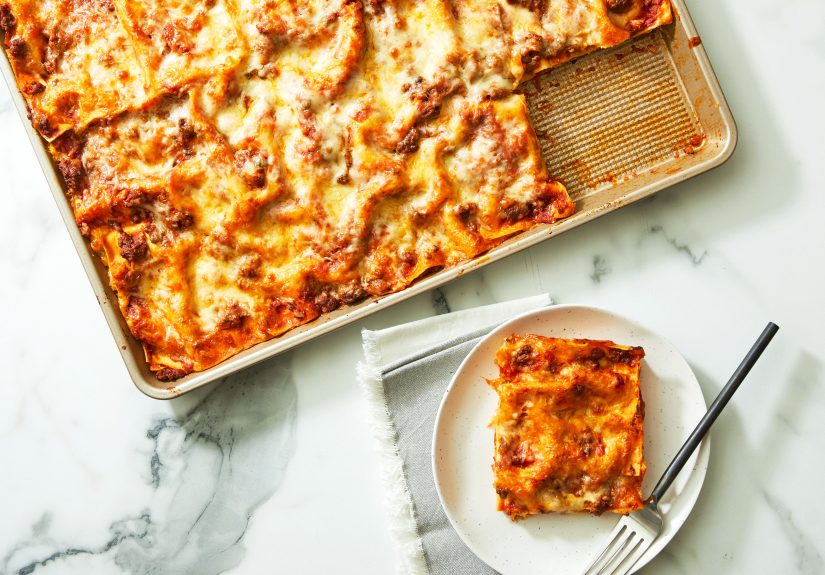
5) Sheet-Pan Spinach Lasagna (Maximum Crispy Edges, Minimal Drama)
If your favorite part of lasagna is the crispy corner piece, this recipe is basically your personality in food form. Baking lasagna on a sheet pan creates more surface area, which means more browned edges and a faster bake.
What makes it creative
- Sheet-pan format for faster cooking and extra crisp edges.
- Spinach-forward sauce that tastes rich without being heavy.
Key ingredients
- Fresh or store-bought lasagna sheets (or par-cooked noodles)
- Spinach (blended into part of the sauce or layered)
- Milk/cream-based sauce or béchamel
- Ricotta or cottage cheese blend
- Mozzarella + Parmesan
How to build it
- Use a rimmed sheet pan (high-sided is best).
- Spread sauce thinly across the bottom; layer pasta sheets.
- Add spinach mixture, dollops of cheese, and a light sprinkle of mozzarella.
- Repeat in thinner layers than a traditional deep-dish lasagna.
- Bake until bubbling and bronzed at the edges.
Why it works
Thin layers cook evenly, and the wide pan encourages evaporationso you get concentration of flavor and crispy cheese moments without needing a pep talk.
6) Lasagna Roll-Ups (Or Rosettes): Neat, Photogenic, and Shockingly Practical
Roll-ups are the extroverted cousin of classic lasagna: they show up looking fancy, portion perfectly, and bake faster. You can go cozy with spinach-ricotta roll-ups or do restaurant-style rosettes with ragù and béchamel. Either way, you get tidy spirals of flavor that make weeknight dinner feel like an event.
What makes it creative
- Portion-friendly and freezer-friendlyroll, store, bake later.
- Even distribution of filling in every bite (no “all noodle” slices).
Key ingredients
- Cooked lasagna noodles (or fresh sheets cut into strips)
- Filling: ricotta + mozzarella + Parmesan + egg + herbs
- Option A: spinach (squeezed dry) + garlic
- Option B: ragù + béchamel for rosettes
- Sauce on the bottom (marinara or béchamel) + extra cheese on top
How to build it
- Lay noodles flat (use parchment between them so they don’t stick).
- Spread a thin layer of filling; add spinach or meat sauce if using.
- Roll up and place seam-side down in a sauced baking dish.
- Top with sauce + mozzarella; bake until bubbly.
Clean-slice trick
Chill assembled roll-ups for 15–30 minutes before baking if you have time. They hold their shape better and look like you planned your life.
7) Tex-Mex Tortilla Lasagna (Bold, Cheesy, and Weeknight-Friendly)
This one swaps pasta sheets for tortillas, then leans into Tex-Mex flavors: salsa, enchilada-style sauce, seasoned beef or beans, roasted corn, and lots of cheese. It’s not traditional Italian lasagnaand it’s not trying to be. It’s delicious in its own loud, joyful way.
What makes it creative
- Tortilla layers for faster assembly and a softer, casserole-like bite.
- Flavor profile shift that still keeps the “layered comfort food” soul of lasagna.
Key ingredients
- Flour or corn tortillas
- Protein: seasoned ground beef/turkey or black beans + sautéed peppers
- Salsa or enchilada sauce
- Cheese: cheddar/Monterey Jack + a little mozzarella if you want extra melt
- Optional: corn, jalapeños, cilantro, lime
How to build it
- Spread sauce on the bottom of the dish.
- Layer tortillas → filling → cheese → repeat.
- Finish with sauce and a generous cheese blanket.
- Bake until bubbly; rest before slicing.
Serve it like you mean it
Top with chopped cilantro, pickled jalapeños, and a dollop of sour cream or Greek yogurt. If you add avocado, you’ll hear a faint applause from the universe.
Make-Ahead, Freezing, and Reheating Tips (So Future You Wins)
Make-ahead options
- Assemble and refrigerate up to 24 hours before baking. Add a few extra minutes to bake time.
- Bake and store: Refrigerate slices for easy lunches and quick dinners.
Freezing best practices
- Freeze baked lasagna for faster reheating, or unbaked for “fresh-baked later” vibes.
- Wrap tightly to prevent freezer burn. Label and date it (your freezer is not a memory palace).
- For portion control, freeze individual slices so you can reheat only what you need.
Reheating without drying out
- Reheat covered at about 350°F until hot throughout.
- Add a spoonful of sauce or a splash of water around the edges if it looks dry.
Extra: of Real-World Lasagna Experiences (The Moments No Recipe Mentions)
If you’ve ever made lasagna, you’ve probably lived through at least one of these classic experiences:
the noodle glue situation, the “why is this pan so heavy?” lift, and the mysterious moment when you realize
lasagna is basically edible architecture. Here are the practical, real-life lessons that turn lasagna from
“pretty good” into “please take a picture before we destroy it.”
First: the sauce thickening moment. Recipes say “simmer until thick,” but what that really means is
“simmer until the sauce looks like it wants to cling to the noodles, not run away from them.” A slightly thick
sauce gives you clean layers; a watery sauce makes your lasagna look like it had a rough day. If your sauce is
thin, let it cook a little longer uncovered. If it’s thick, loosen it with a splash of broth or water.
Lasagna is flexiblejust not “soupy casserole” flexible.
Second: the cheese strategy debate. Ricotta is classic, but blending in cottage cheese can make the filling
creamier and lighter, while béchamel gives a smooth, luxurious texture that feels restaurant-level. The truth?
There’s no single best choicethere’s the best choice for this pan. Want a classic red-sauce comfort lasagna?
Ricotta (or a ricotta-cottage blend) is your friend. Want a polished slice that holds together like it’s been to finishing school?
Béchamel steps in and quietly fixes everything.
Third: the “rest time” miracle. It’s tempting to cut right away because it smells amazing and everyone is hovering.
But resting is when the layers set and the sauce stops behaving like it’s auditioning for a slip-and-slide.
Twenty minutes can turn a messy scoop into a slice you can actually serve with confidence. If you want neat squares,
rest it longer. If you’re feeding hungry people and time is short, serve it slightly messy and call it “rustic.”
(Rustic is a powerful word. Use it wisely.)
Fourth: the freezer flex. Lasagna is one of the best “cook once, eat twice” meals in existence.
Freezing a pan (or even just a few slices) feels like leaving a delicious present for future you.
And future you deserves it. The trick is wrapping well, labeling clearly, and reheating with a little moisture
so it doesn’t dry out. When you pull a hot, bubbly slice out of the oven on a busy night, it’s hard not to feel
like you’ve hacked adulthood.
Finally: the creative confidence. Once you’ve made lasagna a couple times, you start remixing naturally:
pesto in the ricotta, roasted veggies in the middle, mushrooms browned until they taste meaty, tortillas instead of noodles,
or roll-ups when you want tidy portions. That’s the real joylasagna isn’t one recipe. It’s a method. And once you understand
the method, you can build layers of flavor that match your mood, your pantry, and your “how much effort do I have today?” energy.
Conclusion
Whether you go classic with ragù and béchamel, lean into creamy spinach-artichoke comfort, stack mushrooms for maximum umami,
pack in roasted vegetables, chase crispy edges with a sheet-pan bake, roll up portion-perfect spirals, or throw a Tex-Mex twist
into the mixthese recipes prove one thing: lasagna is the ultimate “layered flavor” playground.
Pick one recipe for your next cozy night in, then save another for future you (the one who will be extremely grateful there’s lasagna in the freezer).
Either way, you’re about to have a delicious problem: deciding who gets the corner piece.