Table of Contents >> Show >> Hide
- Table of Contents
- 1) Immune support from vitamin C (and friends)
- 2) Digestive support: fiber for “go time,” leaves for “whoa time”
- 3) Heart-friendly nutrients that support blood pressure and cholesterol
- 4) Blood sugar support (especially from guava leaf tea)
- 5) Antioxidants that help your cells handle modern life
- 6) Skin support: collagen, protection, and glow-from-within energy
- 7) Potential menstrual cramp support (with important fine print)
- 8) Oral and gut “germ management” potential from leaf compounds
- How to eat guava + use guava leaves safely
- Experience Corner: what guava fans actually do (and notice)
- Wrap-up
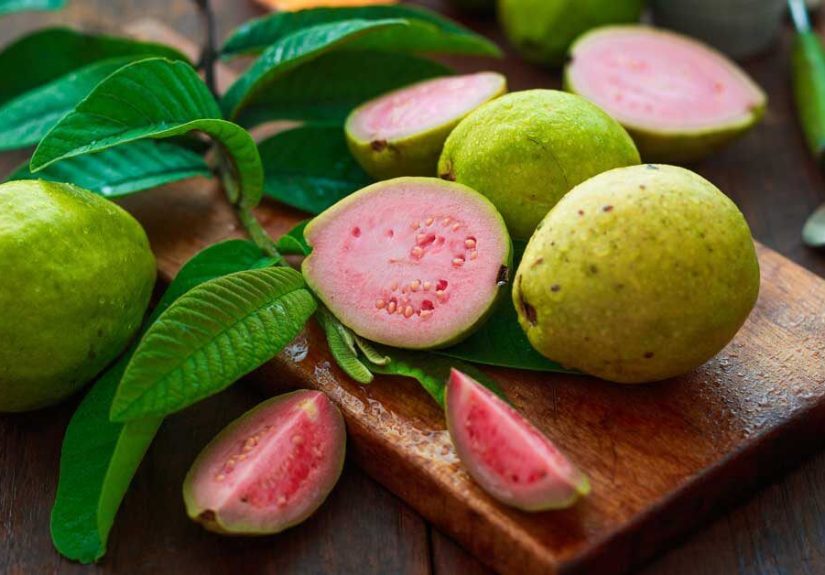
Guava (Psidium guajava) is the kind of fruit that shows up to the party wearing a superhero cape.
It’s fragrant, sweet-tart, packed with nutrients, and somehow still underrated in the “fruit aisle fame” rankings.
And then there are the leavesquietly doing their own thing as a traditional tea ingredient in many cultures.
This article breaks down eight science-backed (and science-adjacent, with honest caveats) health benefits of guava fruit and guava leaves,
plus practical ways to use them without turning your kitchen into an herbal apothecary gone rogue.
(Friendly reminder: this is informational, not medical adviceif you’re managing a condition or taking meds, check with a clinician.)
Table of Contents
- Immune support from vitamin C (and friends)
- Digestive support: fiber for “go time,” leaves for “whoa time”
- Heart-friendly nutrients that support blood pressure and cholesterol
- Blood sugar support (especially from guava leaf tea)
- Antioxidants that help your cells handle modern life
- Skin support: collagen, protection, and glow-from-within energy
- Potential menstrual cramp support (with important fine print)
- Oral and gut “germ management” potential from leaf compounds
- How to eat guava + use guava leaves safely
- Experience Corner: what guava fans actually do (and notice)
- Wrap-up
1) Immune support from vitamin C (and friends)
If vitamin C had a personality, guava would be the overachiever who volunteers to lead the group project,
brings snacks, and still finishes early. Guava is famously rich in vitamin C, a nutrient that supports normal immune function
and helps protect cells from oxidative stress.
What makes guava extra interesting is that it doesn’t rely on a single nutrient. Alongside vitamin C, you’ll also find
other antioxidants and plant compounds (like carotenoids and polyphenols) that may support your body’s defenses in a more “team effort” way.
How to use it
- Snack move: Slice guava like an apple. Eat the skin if you like it (more fiber), remove seeds if you don’t.
- Immune-season upgrade: Add guava to smoothies with yogurt or kefir for a protein + probiotic combo.
2) Digestive support: fiber for “go time,” leaves for “whoa time”
Guava fruit is a fiber-forward choice, and fiber is basically your digestive system’s favorite maintenance crew.
It helps with regularity, supports a healthier gut environment, and can help you feel fuller after meals.
Now let’s talk leaves. Guava leaves have a long history of traditional use for digestive upset,
and modern research has explored guava leaf preparations (like decoctions) for acute diarrhea in clinical settings.
That doesn’t mean guava leaf tea is a magic curebut it does mean the “guava leaves for the stomach” folklore isn’t coming from nowhere.
How to use it
- For everyday digestion: Eat guava as part of a fiber-balanced day (fruit, vegetables, beans, whole grains).
- For occasional leaf tea use: Treat it like a supportive beverage, not a replacement for medical careespecially if symptoms are severe.
3) Heart-friendly nutrients that support blood pressure and cholesterol
Heart health doesn’t come from one “superfood.” It’s more like a playlist: lots of good songs played consistently.
Guava fits nicely on that playlist because it contains fiber and potassiumtwo nutrients commonly associated with cardiovascular support.
Fiber can help support healthier cholesterol levels, while potassium plays a role in healthy blood pressure regulation.
Meanwhile, some studies and reviews have looked at guava fruit intake and guava leaf preparations for lipid markers
(like triglycerides and LDL cholesterol). The research varies in quality and population, but the overall direction is promising enough
to justify guava’s “heart-friendly” reputationwithout turning it into a miracle headline.
How to use it
- Swap strategy: Replace a packaged sweet snack with guava + a handful of nuts.
- Heart-smart bowl: Dice guava into oatmeal or a chia pudding for a fiber-on-fiber situation (in a good way).
4) Blood sugar support (especially from guava leaf tea)
Guava is often described as a blood-sugar-friendly fruit because it’s relatively high in fiber and not a sugar bomb by fruit standards.
Fiber slows digestion and can reduce how quickly glucose hits your bloodstream.
Guava leaves get even more attention here. Research suggests guava leaf tea/extract may help reduce post-meal blood glucose rises,
likely by inhibiting certain carbohydrate-digesting enzymes (think: slowing the “break carbs into sugar” assembly line).
There are clinical and experimental studies supporting this mechanism, but it’s not a free pass to ignore overall diet,
medication plans, or medical guidance.
How to use it
- Meal pairing: Eat guava with protein (Greek yogurt, cottage cheese) to help steady the overall meal.
- If you try leaf tea: Keep it consistent and moderateand monitor results if you have diabetes, especially if you’re on glucose-lowering meds.
5) Antioxidants that help your cells handle modern life
Oxidative stress is what happens when your body’s “rust prevention” systems get outpaced by daily wear and tear.
Antioxidants help your body manage that stress. Guava brings multiple antioxidant compounds to the table, including vitamin C and carotenoids,
plus various polyphenols depending on the variety (and whether you eat the skin).
Guava leaves have their own lineupflavonoids, tannins, and other plant chemicals that researchers have studied for antioxidant activity.
Translation: both the fruit and the leaves offer tools your body may use to protect cells, especially as part of a diet rich in plants overall.
How to use it
- Color rule: Mix guava with other colorful produce (berries, leafy greens, carrots) for a broader antioxidant range.
- Tea habit: Use guava leaf tea as a “warm beverage alternative” to sugary drinks.
6) Skin support: collagen, protection, and glow-from-within energy
Skin health is a full-body project: hydration, sleep, sun protection, and nutrition all matter. Nutritionally,
vitamin C is essential for collagen formation, which supports normal skin structure.
Since guava is rich in vitamin C, it’s a delicious way to help meet your needs.
Antioxidants may also support the skin by helping your body manage oxidative stress from things like UV exposure and pollution.
(Important note: antioxidants from food do not replace sunscreen. They’re teammates, not substitutes.)
How to use it
- Simple dessert: Guava + lime + a pinch of salt. It’s like summer with better PR.
- Skin-support combo: Pair guava with healthy fats (avocado, nuts) and protein for an overall nutrient-dense meal.
7) Potential menstrual cramp support (with important fine print)
This one gets attention online, so let’s treat it with both curiosity and caution.
There has been clinical research on a standardized guava leaf extract for primary dysmenorrhea (painful periods),
comparing different doses and even an NSAID.
The takeaway: guava leaf preparations might help some people, but results across analyses aren’t uniformly conclusive,
and the “extract used in a study” is not the same thing as a casual cup of homemade tea.
If you’re considering guava leaf products for cramps, it’s smart to talk with a healthcare professionalespecially if you have heavy bleeding,
severe pain, or underlying conditions like endometriosis.
How to use it
- Start conservative: If you try guava leaf tea, treat it as a gentle supportive habitnot a replacement for proven care.
- Track patterns: Note timing, dose, and symptoms (pain level, duration) so you can judge whether it helps you.
8) Oral and gut “germ management” potential from leaf compounds
Guava leaves contain plant compounds (including tannins and flavonoids) that researchers have studied for antimicrobial activity.
In the lab, guava leaf extracts have shown action against certain microbes, which helps explain why guava leaves have been used traditionally
for things like mouth and gum support, as well as digestive complaints.
Here’s the reality check: lab findings don’t automatically equal real-world treatment.
But using guava leaf tea as a warm beverageor as part of a broader oral hygiene routine (brush, floss, regular dental visits)
can be a reasonable “supportive” choice for many people.
How to use it
- After-meal rinse (optional): Some people use cooled guava leaf tea as a gentle rinse. Don’t swallow if you’re sensitive.
- Don’t DIY infections: If you have tooth pain, fever, swelling, or persistent diarrheaget medical care.
How to eat guava + use guava leaves safely
Choosing and eating guava fruit
- Ripeness: A ripe guava usually gives slightly when pressed and smells fragrant.
- Skin: The skin is edible and adds fiber. If the taste is too strong, peel it.
- Seeds: Edible, but crunchy. If you have digestive sensitivity, go easy.
Guava leaf tea (simple home method)
If you have access to food-safe guava leaves (fresh, clean, and pesticide-free), here’s a common approach:
- Rinse leaves well.
- Simmer a small handful of fresh leaves (or a modest pinch of dried leaves) in water for about 10 minutes.
- Strain, let cool slightly, and sip.
Who should be cautious
- People on diabetes medications: Guava leaf products may affect blood sugarmonitor and consult a clinician.
- Pregnant or breastfeeding: Food amounts of guava are generally fine, but concentrated leaf extracts should be discussed with a clinician.
- Anyone with ongoing symptoms: Persistent diarrhea, severe abdominal pain, heavy menstrual bleeding, or fever warrants medical evaluation.
Experience Corner: what guava fans actually do (and notice)
Let’s make this practical, because “benefits” don’t matter if the fruit sits on your counter like an ignored group chat.
People who regularly eat guava tend to describe a few recurring experiencesnot as guaranteed outcomes, but as patterns that pop up often enough
to be worth mentioning.
First: guava is satisfying in a way that surprises newcomers. The aroma is loud (in a good way), the texture is creamy-meets-crisp depending on ripeness,
and the flavor is sweet with a little tanglike a tropical fruit that refuses to be boring.
Many people find that swapping guava for a processed snack feels less like “dieting” and more like
“I chose something that actually tastes like food.” That matters, because consistency beats intensity every time.
Second: guava is a fiber “sneak.” A lot of folks don’t set out to improve their fiber intake;
they just want something tasty. But after a week or two of adding guava to breakfast (oatmeal, yogurt bowls, smoothies),
some report a subtle digestive upgrade: more regularity, less “where did my day go?” bathroom drama, and fewer cravings between meals.
It’s not glamorous, but digestion is one of those health categories where you notice improvements immediatelybecause your body sends push notifications.
Third: guava is a social fruit. People slice it for family snacks, bring it to work, or use it as a “try this” gateway fruit
for friends who claim they don’t like tropical produce. Common crowd-pleasers include guava with a squeeze of lime,
guava sprinkled with chili-lime seasoning, and guava blended into a smoothie with banana and yogurt.
The fruit’s natural sweetness means you can often cut down on added sugar without feeling like you’re missing out.
Now for the leaves: the most common real-life use is “my stomach feels weird, and I want something warm that isn’t soda.”
People who brew guava leaf tea often describe it as mildly earthy and slightly astringentkind of like a gentler black tea,
depending on how strong you brew it. Some prefer mixing it with ginger or a small spoon of honey.
Others chill it and treat it as a no-sugar iced tea option.
For blood sugar–conscious eaters, a frequent habit is pairing guava with protein or drinking an unsweetened tea with meals.
The “experience” here is less dramatic and more measurable: people who track glucose sometimes look for smaller post-meal spikes,
and they tend to judge whether guava leaf tea feels helpful by using numbers, not vibes.
If you’re not tracking, you might just notice steadier energy after mealsless of that crash that makes you stare into the fridge
like it owes you money.
And finally: guava is a gateway to better food patterns because it’s easy.
You don’t need a recipe, a blender, or a motivational speech. You need a knife and five minutes.
The most “successful” guava routines are simple: buy ripe fruit, keep it visible, eat it before it becomes a science experiment,
and use the leaves occasionally as a supportive beveragenot as a substitute for medical care.
That’s the sweet spot where nutrition stops being theoretical and starts being lived.
Wrap-up
Guava fruit brings the nutritional heavy-hittersvitamin C, fiber, potassium, and a range of antioxidantswhile guava leaves add
intriguing research around blood sugar support and digestive applications.
The smartest way to use guava is also the simplest: treat the fruit as a regular part of a balanced diet,
and treat guava leaf tea as a supportive option (not a cure-all).
If you want the benefits to actually show up in real life, skip the “perfect plan” and go with the repeatable one:
eat guava a few times a week, pair it well, and let consistency do the heavy lifting.