Table of Contents >> Show >> Hide
- What Makes a Monogrammed Runner Different (Besides the Confidence Boost)
- Choose the Fabric Like You Choose Friends: Supportive, Reliable, and Not Too High-Maintenance
- Measure Once, Celebrate Forever: Sizing Your Table Runner the Smart Way
- Monogram Styles: Tiny Letters, Huge Decisions
- Customization Options: Embroidered, Printed, or Appliqué
- How to Style a Custom Monogram Runner So It Looks Designer, Not “DIY Panic”
- Occasions Where a Monogrammed Runner Really Shines
- Ordering Checklist: How to Get What You Actually Meant in Your Head
- Care and Cleaning: Keep It Pretty Even After the “Spaghetti Incident”
- Budget-Friendly Custom Looks (Without the “Custom Price Tag”)
- Experiences With Custom Monogram Table Runners ( of Real-World Lessons)
- SEO Tags
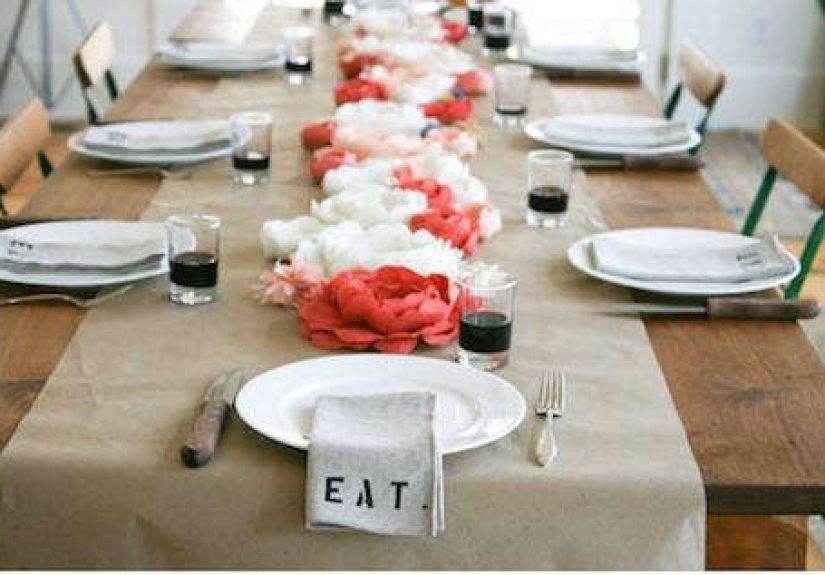
A table runner is basically a tuxedo for your dining table: it makes everything look more put-together,
even if someone just slid in five minutes late carrying a “family-sized” bag of chips like it’s a side dish.
Now add a monogram, and suddenly your table isn’t just dressedit has an identity. A custom monogram table runner
turns everyday meals into “we have our lives together” energy and makes special occasions feel intentionally styled.
This guide breaks down how to choose the right fabric, size it correctly, pick a monogram style that won’t haunt you later,
and keep it looking crisp even when gravy makes an unexpected appearance. You’ll also get real-world examples,
ordering tips, and a long, experience-based section at the end to help you avoid the classic personalization pitfalls.
What Makes a Monogrammed Runner Different (Besides the Confidence Boost)
A standard runner adds color, texture, and structure down the center of a table. A monogrammed runner does all that
plus it becomes a signature. It can quietly reinforce a theme (classic, modern farmhouse, coastal, formal),
help anchor place settings, and act as a “visual runway” for candles, greenery, or a centerpiece.
The customization is also practical. When you’re hosting, a monogram gives the table a focal point that doesn’t require
a towering floral arrangement. When you’re gifting, personalization turns a nice item into a keepsake.
And when you’re living your best life, it helps you tell guests, “Yes, I do in fact own an iron… spiritually.”
Choose the Fabric Like You Choose Friends: Supportive, Reliable, and Not Too High-Maintenance
Linen: Textured, Timeless, and Better With Age
Linen is the classic choice for runners because it looks elevated without trying too hard. It has a natural, slightly
rumpled texture that reads “effortless,” and it tends to soften over time. Linen also plays well with many aesthetics:
minimalist, coastal, rustic, and formaldepending on color, weave, and monogram style.
Cotton: Easy, Familiar, and Great for Frequent Use
Cotton runners are comfortable for everyday dining because they’re typically softer right out of the package,
often easier to wash, and widely available. If you want a runner you can use on weeknights without feeling like you’re
risking a family heirloom every time someone reaches for ketchup, cotton is your pal.
Polyester and Blends: Wrinkle Resistance for the Real World
If your table runner’s job includes surviving heavy rotation (kids, pets, frequent parties, or “I host but I do not fold”), a
polyester blend can be a smart choice. Many blends resist wrinkles better than natural fibers and can hold color well,
which is helpful if you’re pairing bold fabric with contrasting monogram thread.
Specialty Fabrics: Velvet, Burlap, Sequin, and Other “Event-Only” Personalities
Velvet feels dramatic and wintery; burlap feels rustic; sequins feel like New Year’s Eve in textile form. These can be fantastic
for seasonal styling, weddings, and themed partiesbut they’re often less forgiving when it comes to stains, snags, and storage.
If you pick a specialty fabric, choose a monogram method that suits it (for example, embroidery that won’t peel, or an appliqué
that won’t snag on silverware).
Measure Once, Celebrate Forever: Sizing Your Table Runner the Smart Way
Runner Length: The Classic “Little Drape” vs. The Modern “No Overhang”
The most traditional look is a runner that hangs over the edge of the table. A common approach is to aim for a total extra
12–24 inches beyond the table length, which creates an overhang of about 6–12 inches on each end. That small drop adds polish
without flopping into someone’s lap like a fabric waterfall.
Prefer a contemporary style? Choose a runner that ends near the table edge (or even stops short), especially if you usually keep
a centerpiece permanently on the table. This is also practical if your chairs tuck tightly or if the runner ends would get tugged
during daily life.
Runner Width: The “One-Third Rule” and Why It Works
A helpful guideline is to aim for a runner width around one-third of your tabletop width. This tends to leave enough room for
place settings while still making the runner feel intentional. Common widths are roughly 12–18 inches depending on table size
and how bold you want the look.
Size Examples You Can Actually Use
-
Table: 60″ long x 36″ wide (a typical 5-foot dining table)
Runner length (classic): 72″ to 84″ (for 6–12″ overhang per end)
Runner width: 12″ to 14″ (about one-third of 36″) -
Table: 84″ long x 40″ wide (a larger 7-foot table)
Runner length (classic): 96″ to 108″
Runner width: 14″ to 16″ -
Table: 48″ round table
Runner approach: Use a standard runner straight across (for a modern contrast) or choose two shorter runners crossed in an “X” for symmetry.
Monogram Styles: Tiny Letters, Huge Decisions
The Traditional Three-Letter Monogram (Classic “Big Middle Letter”)
The most recognizable monogram style uses three initials with the last name initial larger in the center.
Traditionally, it reads first name initial, last name initial, middle name (or maiden) initial.
Example: “Taylor Morgan Reed” becomes T R M with the R larger in the center.
All Letters the Same Size (Clean and Modern)
If you want a more minimal look, choose initials in a straight line with all letters the same size (often in a serif or clean sans-serif).
This can also reduce confusion for guests who aren’t trying to solve a monogram puzzle between appetizers.
Couple or Family Monograms
Couple monograms often feature the shared last name initial prominently, with each partner’s first initial on either side.
Families may choose a single large last initial or a full family name. If you have a hyphenated or double last name, you can still monogram
just decide whether you want to emphasize one shared letter, use two letters, or use a clean text personalization (like “The Rivera-Kim Family”)
to avoid cramming too much meaning into three characters.
Where the Monogram Goes (Placement That Looks Intentional)
For dining tables, a common placement is near one end of the runner (so it’s visible without fighting the centerpiece).
For buffet tables or entry consoles, a centered monogram can look luxeespecially if the runner is more “decor” than “dinner battlefield.”
If your runner will often sit under dishes, consider placing the monogram closer to the edge so it stays visible.
Customization Options: Embroidered, Printed, or Appliqué
Embroidery: The “Forever Option”
Embroidery is durable, tactile, and tends to look high-end. It also holds up well with washing when cared for properly.
If you want your monogram to feel like it belongs on a wedding registry or a holiday table for years, embroidery is the safe bet.
Tip: ask for a backing that feels smooth, especially if the runner will be used directly under plates or chargers.
Printing: Crisp, Flexible, and Great for Color
Printed monograms can be sharp and modern, especially for detailed fonts or multi-color designs. They’re often budget-friendly too.
The key is to confirm wash instructions and colorfastness so the monogram doesn’t fade into a “vintage look” you didn’t request.
Appliqué: Charming Texture With a Handmade Feel
Appliqué adds dimension and can look especially good on rustic or farmhouse-style runners. It also lets you play with contrast fabric,
like a navy letter on a natural linen runner. Make sure the edges are well-finished so it doesn’t fray after repeated washing.
How to Style a Custom Monogram Runner So It Looks Designer, Not “DIY Panic”
Pick a Color Strategy (Neutrals, Contrast, or “One Color Rule”)
If you want your runner to work year-round, neutrals are your workhorse: ivory, flax, white, gray, navy, soft black.
For a more editorial look, try a limited palettelike shades of one color with varied textures (linen + wood + glass + greenery).
The monogram thread can either match (subtle) or contrast (statement).
Pattern Mixing Without the Visual Fight Club
Stripes and checks are runner classics because they add structure without overwhelming the table. If the runner is patterned,
keep the monogram simple (clean font, solid thread). If the runner is solid, you can choose a more decorative script monogram.
Run It Lengthwiseor Go Sideways for a Fresh Look
The standard approach is lengthwise down the center. But shorter runners placed widthwise can create a cool, modern layoutespecially
on long tables when you want to define individual place settings. This can also replace placemats if you like a streamlined look.
Centerpieces: Keep Them Low, Keep Them Social
If people can’t see each other over your centerpiece, the runner is no longer the starit’s just the stage crew.
Low arrangements (small vases, candles, a bowl of fruit, a greenery garland) feel elevated and keep conversation easy.
Bonus: a monogram near the end of the runner stays visible even with décor in the middle.
Occasions Where a Monogrammed Runner Really Shines
- Weddings: A couple’s monogram can appear at the sweetheart table, gift table, or dessert bar.
- Bridal showers: Use the bride’s future initial or a couple monogram for subtle theme continuity.
- Holiday dinners: Swap runners seasonally while keeping the monogram timeless (or do a holiday-themed monogram in metallic thread).
- Housewarming gifts: A monogram runner is practical, personal, and not another candle pretending to be “unique.”
- Everyday dining: A durable runner turns Tuesday pasta night into a small ritual worth enjoying.
Ordering Checklist: How to Get What You Actually Meant in Your Head
- Confirm the initials (twice): Especially if you’re using the classic “big middle letter” format.
- Choose the font with context: A script looks different at 2″ vs. 4″. Ask for a proof.
- Pick thread color in real lighting: White-on-ivory can be beautifully subtleor completely invisible in photos.
- Decide placement: One end (common), centered (bold), or even two ends (balanced for long tables).
- Ask about care: Can it be machine washed? Should it be air-dried? Does embroidery need extra protection?
- Know the timeline: Custom work may need extra time, especially before major holidays and wedding season.
Care and Cleaning: Keep It Pretty Even After the “Spaghetti Incident”
Routine Cleaning (Yes, Even If It “Looks Fine”)
Runners collect dust, crumbs, and invisible party evidence. If your runner lives on the table most days, regular washing keeps it fresh.
The goal is to clean it before stains set and before “mystery smudges” become permanent décor.
Washing Basics for Most Runners
- Check the care label firstespecially for specialty fabrics and metallic threads.
- Use cool or cold water and a mild detergent for many table linens.
- For embroidered runners, consider a gentle cycle and a mesh laundry bag to protect stitches.
- Air-drying or low heat helps prevent shrinking and reduces wear.
Stain First Aid: Fast, Calm, and No Rubbing Like You’re Sanding Wood
If something spills, blot first. Don’t rub the stain deeper into the fibers. If you’re dealing with food or grease,
dish soap can help lift oils. For stubborn stains on many fabrics, some guides recommend a dish soap and hydrogen peroxide mixture
but you should always test in an inconspicuous area first, especially on colored fabrics.
Also: avoid heat until the stain is gone. A dryer and an unresolved stain are basically a “forever contract.”
Ironing and Storage
If you love a crisp runner, ironing while the fabric is slightly damp can help. For storage, make sure the runner is completely clean and dry.
Fold loosely or roll it to reduce hard creases, and store it away from moisture and direct sunlight.
Budget-Friendly Custom Looks (Without the “Custom Price Tag”)
If you want personalization but you’re not ready to commit to a fully custom runner, try one of these:
- Buy a quality blank runner (linen-look or cotton) and add an embroidered patch.
- Use iron-on letters for a temporary or seasonal monogram, then replace later.
- Monogram napkins instead and pair them with a simple runnerstill personalized, more flexible.
- Layer a narrow runner over a wider neutral runner for a designer, “collected” look.
Experiences With Custom Monogram Table Runners ( of Real-World Lessons)
One of the most common “first-time monogram” experiences is the moment you realize initials have feelings. Someone orders a runner for a housewarming gift,
chooses the classic three-letter format, and thenplot twistdiscovers that the big middle letter is the last name initial, not the middle name initial.
The runner arrives beautifully embroidered, perfectly stitched… and subtly wrong forever. The lesson most people learn quickly: monogram formats are a system,
not a vibe. Before you finalize anything, write the full name out, label first/middle/last, and mock up the initials on paper.
Another frequent experience is the “invisible monogram” problem. Tone-on-tone personalization is gorgeous in theory:
ivory thread on ivory linen feels elegant and understated. But in practice, it can disappear in warm dinner lighting and vanish in photos.
Hosts often end up wishing they’d chosen a thread color just one step darker (like flax on ivory, dove gray on white, or navy on natural linen).
A subtle monogram should still be readableotherwise you’ve basically paid for a secret.
People also tend to underestimate sizing. A runner that’s too short can look like it’s borrowing clothes from the kid’s section,
while one that’s too long can interfere with chairs or become an accidental tug-of-war toy if kids are nearby.
Many hosts report that the “small overhang” look (a modest drop at each end) feels the most polished for dining,
while a runner that stops short works better for everyday tables that always have a centerpiece.
Measuring carefullyand deciding how the runner will be used most oftenusually prevents regret.
Then there’s the experience of ordering for an event. Weddings, showers, milestone birthdaysthese are peak personalization moments,
and also peak timeline anxiety. Custom work tends to take longer during busy seasons. People who’ve done this before often build in a buffer:
they finalize the design early, approve a proof quickly, and avoid last-minute changes that can delay production.
The calmest hosts are the ones who treat customization like a mini project plan, not a spontaneous midnight decision.
Finally, there’s the “it became a tradition” surprise. A lot of households start with one runnermaybe a neutral linen with a simple monogram
and discover it’s the easiest way to make meals feel special. The runner comes out for birthdays. It shows up at Thanksgiving.
It gets paired with different napkins and candles and somehow makes even takeout feel like an occasion. That’s the sneaky magic of a custom monogram runner:
it doesn’t just decorate the table. It becomes part of how people gather, celebrate, and remember the moments that happened right therecrumbs and all.