Table of Contents >> Show >> Hide
- The Real Story Behind the Viral Prom Entrance
- Why This Moment Hit So Many People Online
- Bullying Is Not a “Kids Being Kids” Problem
- The Power of Showing Up
- What Parents Can Learn From Chloe’s Prom Night
- What Schools Should Take Seriously
- The Role of Bystanders: From Audience to Allies
- Why Confidence After Bullying Takes Time
- A Badass Escort, But an Even Better Message
- How Families Can Create Their Own “Convoy” of Support
- Experiences Related to Chloe’s Story: What This Kind of Moment Teaches Us
- Conclusion: The Entrance Was Loud, But the Lesson Is Louder
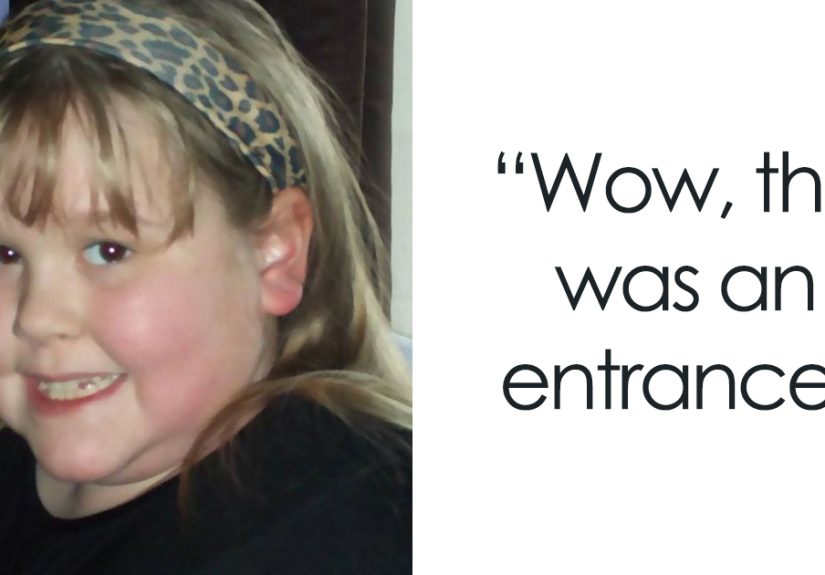
Prom night is supposed to feel like a movie scene: the outfit, the photos, the nervous excitement, the tiny panic about whether your hair will survive three hours of dancing. But for 16-year-old Chloe Robson, prom carried a heavier meaning. After years of being bullied, she was not simply walking into a school event. She was walking into a room filled with memories, judgment, and people who had made growing up far harder than it should have been.
Then came the sound of engines.
Not one engine. Not two. A thunderous, attention-grabbing, “everyone please stop pretending you are too cool to look” convoy of bikers. Chloe, who had reportedly been bullied since she was seven years old, arrived at prom with an escort so bold it turned a night of anxiety into a full-blown entrance. It was not revenge in the messy, movie-villain sense. It was better: support, confidence, community, and a reminder that no bully gets to write the final chapter of someone else’s story.
The Real Story Behind the Viral Prom Entrance
Chloe Robson, from County Durham in the United Kingdom, had dealt with bullying for most of her school life. Reports about her story described years of teasing about her appearance and the way she spoke. Over time, the mistreatment reportedly became more intense, including social isolation and physical bullying. By the time prom arrived, Chloe was understandably nervous about how classmates would react.
Her uncle, Grant Robson, decided that prom night should not belong to fear. Grant was connected with a motorcycle support group known for helping bullied young people feel seen and protected. So, instead of letting Chloe arrive quietly while worrying about whispers, he helped organize a biker escort that surrounded her car and accompanied her to the venue.
The result was unforgettable. More than a hundred bikers showed up. The group created a powerful public display of support, turning Chloe’s entrance into the kind of scene that makes people lower their phones for a second, then immediately raise them again because, honestly, who would believe it without video?
Why This Moment Hit So Many People Online
The story spread because it was dramatic, yes. Motorcycles have a way of making even a trip to the grocery store look like the opening scene of an action movie. But the deeper reason people connected with Chloe’s prom entrance is simple: almost everyone understands what it feels like to want backup.
Bullying often works by shrinking a person’s world. It convinces someone that they are alone, that speaking up will make things worse, and that the cruelest voices in the room are somehow the most powerful. Chloe’s escort sent the opposite message. It said, loudly and literally, “You are not walking in alone.”
That message matters. Bullying is not just ordinary conflict or harmless teasing. It usually involves repeated aggressive behavior and a power imbalance. It can affect confidence, friendships, school performance, sleep, and emotional well-being. When a young person has been targeted for years, one supportive moment cannot erase everything, but it can become a turning point. It can give someone a new memory to place beside the painful ones.
Bullying Is Not a “Kids Being Kids” Problem
One of the biggest mistakes adults make is minimizing bullying as a normal part of growing up. Sure, kids will disagree. Teens will be awkward. Someone will always say something regrettable in a hallway and then pretend they were “just joking.” But bullying is different. It is repeated, harmful, and often designed to make one person feel powerless.
In American schools, bullying remains a serious concern. National education and public-health data show that a meaningful share of students report being bullied at school, and many teens also face harassment online. Cyberbullying adds another layer because it can follow a child home through phones, group chats, gaming spaces, and social media platforms. In other words, the school day may end at 3 p.m., but the comments can keep buzzing until midnight.
For young people, that constant pressure can be exhausting. It may lead to school avoidance, lost confidence, sudden changes in friendships, declining grades, stomachaches, headaches, sleep problems, or a loss of interest in activities they once enjoyed. Parents and teachers do not need to become detectives with trench coats and dramatic theme music, but they do need to pay attention when a child’s behavior changes.
The Power of Showing Up
What made Chloe’s story so moving was not only the number of bikers. It was the act of showing up. The escort was visible proof that people cared. That matters because bullying often thrives in silence. When bystanders stay quiet, the person being targeted may assume everyone agrees with the bully or, at the very least, that no one thinks the behavior is serious enough to stop.
Support does not always require a motorcycle convoy, although it must be admitted that a motorcycle convoy does make a stronger first impression than a strongly worded email. Most of the time, support looks smaller: sitting with someone at lunch, checking in after class, refusing to laugh at cruel jokes, saving screenshots of online harassment, walking with a friend to report an incident, or telling a trusted adult what is happening.
These actions are not tiny to the person receiving them. To someone who feels isolated, one steady friend can feel like a lifeboat. One teacher who takes a report seriously can change the emotional temperature of an entire school year. One parent who listens calmly instead of panicking can make a child feel safe enough to tell the truth.
What Parents Can Learn From Chloe’s Prom Night
Parents do not have to solve bullying with grand gestures, but they do need to create a home environment where children feel believed. A common reason kids stay silent is fear that adults will overreact, embarrass them, or make the situation worse. The first response matters. Instead of rushing into battle mode, parents can start with calm questions: What happened? How long has this been going on? Who saw it? Where did it happen? What would help you feel safer tomorrow?
Documentation is also important. If bullying happens repeatedly, parents should write down dates, locations, names, screenshots, and descriptions. This creates a clear record when speaking with teachers, counselors, or administrators. Schools are more likely to respond effectively when the concern is specific rather than vague.
Most importantly, parents should avoid putting the burden entirely on the child. Advice like “just ignore it” may sound simple, but it can feel dismissive when the bullying is ongoing. A better approach is to build a plan: identify trusted adults at school, arrange safe routes between classes, encourage supportive friendships, and follow up until the behavior stops.
What Schools Should Take Seriously
Schools play a major role in whether bullying grows or fades. A strong anti-bullying policy is useful, but only if students believe adults will actually enforce it. Posters about kindness are lovely, but a poster cannot interrupt harassment in a hallway. Adults can.
Effective school prevention often includes clear rules, consistent consequences, easy reporting systems, staff training, student education, and a positive school climate. Social and emotional learning can also help students build empathy, relationship skills, responsible decision-making, and emotional awareness. That may sound less exciting than a biker escort, but long-term culture change is built from everyday habits.
Schools should also recognize that bullying can happen in plain sight. It may look like repeated “jokes,” exclusion from group work, rumors, mocking someone’s speech or body, taking or damaging belongings, or using group chats to humiliate someone. The more adults understand the many forms bullying can take, the harder it becomes for harmful behavior to hide behind excuses.
The Role of Bystanders: From Audience to Allies
Every bullying situation has more than two roles. There is the person being targeted, the person causing harm, and the people watching. Bystanders are powerful because social approval is fuel. If a group laughs, shares, or stays silent, the bully may feel rewarded. If the group refuses to participate, gets help, or supports the target, the power dynamic can shift quickly.
Being an ally does not mean stepping into danger or turning every hallway into a superhero audition. It can mean saying, “That’s not cool,” changing the subject, standing beside the person being targeted, reporting the behavior, or checking in privately afterward. For online bullying, it can mean refusing to share cruel posts, reporting harmful content, saving evidence, and sending a supportive message.
Chloe’s biker escort was a large-scale version of bystander support. It was a community saying, “We see what happened, and we are not okay with it.” That kind of public solidarity can be incredibly healing.
Why Confidence After Bullying Takes Time
One grand entrance can boost confidence, but healing is not instant. Someone who has been bullied for years may still carry doubts long after the applause fades. They may second-guess compliments, avoid social events, or expect rejection even when people are being kind. That does not mean they are weak. It means the bullying lasted long enough to train their nervous system to stay alert.
Confidence after bullying often returns in layers. First comes safety. Then trust. Then self-expression. Then the ability to enjoy attention without bracing for cruelty. For Chloe, arriving at prom with a huge escort did not erase the past, but it gave her a new experience of being celebrated rather than mocked. That kind of moment can help someone begin to separate who they are from what others said about them.
A Badass Escort, But an Even Better Message
The phrase “badass escort” grabs attention because it sounds like something out of a blockbuster. But the real power of Chloe’s story is not the leather jackets, the engines, or the dramatic arrival. It is the message underneath: every child deserves to feel protected, valued, and welcome.
Bullying makes people feel small. Support makes them stand taller. Chloe’s prom entrance worked because it reversed the emotional script. Instead of entering as the girl who had been bullied, she entered as the girl with an army of support behind her. That distinction matters.
How Families Can Create Their Own “Convoy” of Support
Most families will not have 100 bikers available on prom night. Some families cannot even get three relatives to agree on where to eat dinner. But every child can have a convoy in another sense: a circle of people who notice, listen, document, encourage, and act.
1. Build Open Communication Early
Children are more likely to talk about bullying when conversations about school, friendships, and feelings are already normal. Ask specific but low-pressure questions: Who did you sit with today? Did anything weird happen? Was anyone kind to you? Was anyone unkind?
2. Watch for Quiet Warning Signs
A bullied child may not say, “I am being bullied.” They may say they hate school, feel sick in the morning, lose belongings, become withdrawn, stop talking about friends, or suddenly avoid online spaces. These signs do not prove bullying, but they do deserve attention.
3. Involve the School With Details
When reporting bullying, include dates, names, places, screenshots, and the impact on the child. Ask what steps the school will take, who will follow up, and when you should expect an update. A clear paper trail can prevent concerns from disappearing into the mysterious fog where forgotten school emails go to retire.
4. Strengthen the Child’s Identity Outside the Bullying
Sports, art, music, volunteering, clubs, faith communities, gaming groups, photography, coding, theater, and other activities can help a young person remember they are more than the worst thing someone said about them. Confidence grows when kids have spaces where they feel skilled, useful, and accepted.
Experiences Related to Chloe’s Story: What This Kind of Moment Teaches Us
Stories like Chloe’s become memorable because they give people a picture of what support can look like. Many people who were bullied remember one moment when someone finally stood beside them. It may not have involved motorcycles. It may have been a teacher quietly moving their seat, a friend saving them a place at lunch, an older sibling walking them to school, or a parent saying, “I believe you,” without turning the conversation into a lecture.
One common experience among bullied kids is the feeling of rehearsing every social moment before it happens. They think about where to stand, who might laugh, what outfit will attract the least attention, whether walking into a room alone is a mistake, and how fast they can leave if things become uncomfortable. Prom can magnify those fears because it is public, emotional, and full of photos. Everyone is looking. Everyone is dressed up. Everyone seems to know exactly where they belong, even if half of them are secretly worrying about the same thing.
That is why a supportive entrance can matter so much. It changes the first few seconds. Instead of walking in with fear, the person walks in with momentum. Instead of wondering who will judge them, they feel the presence of people who are proud to be seen with them. The room may be the same, but the emotional math changes.
Another experience tied to this story is the way community support can help rebuild dignity. Bullying often attacks dignity through repetition. One insult may hurt, but repeated humiliation can make a person feel as if the world has voted against them. When a group publicly supports someone, it offers a counter-vote. It says the bully’s opinion is not the final truth. In Chloe’s case, the bikers did not need to give a long speech. The convoy itself was the speech.
There is also a lesson for adults who underestimate symbolic gestures. Practical steps matter: reporting, supervision, counseling, school policies, and online safety plans. But symbols matter too. A child who has felt invisible may need a visible sign of love. A teen who has been laughed at may need a moment of applause. A student who has been pushed aside may need people to physically stand beside them. These gestures do not replace long-term solutions, but they can give a young person the courage to keep participating in life while the bigger work continues.
Finally, Chloe’s story reminds us that confidence is often borrowed before it is owned. Sometimes a young person cannot yet believe, “I am strong.” So a community says it for them. Again and again. Loudly if necessary. With engines if available. Over time, that borrowed confidence can become internal confidence. The child begins to think, “Maybe I am not what they called me. Maybe I am allowed to take up space. Maybe I can walk into the room.”
Conclusion: The Entrance Was Loud, But the Lesson Is Louder
Chloe Robson’s prom night became famous because it looked spectacular: a bullied teen, a nervous arrival, and a roaring escort of bikers turning fear into celebration. But the reason the story still matters is deeper than the spectacle. It shows what happens when people refuse to let bullying have the last word.
Every child deserves a safe school experience. Every teen deserves to attend milestones without fear of humiliation. And every community has the power to become someone’s convoy, whether that means speaking up, reporting harm, offering friendship, or simply standing close enough that a bullied young person no longer feels alone.
Chloe did not just arrive at prom. She arrived with a message: cruelty may be loud, but support can be louder. And sometimes, it comes with motorcycles.