Table of Contents >> Show >> Hide
- What Makes Hungarian Felt Cushions Special?
- Why Felt Works So Well for Cushions
- The Hungarian Design Influence
- How to Style Hungarian Felt Cushions at Home
- Best Color Palettes for Hungarian Felt Cushions
- What to Look for Before You Buy
- Caring for Felt Cushions Without Causing Drama
- Are Hungarian Felt Cushions a Good Sustainable Decor Choice?
- Why These Cushions Still Feel Fresh in Modern Interiors
- Final Thoughts
- Extended Experience: Living With Hungarian Felt Cushions
Note: This article is formatted as body-only HTML for easy web publishing and has been cleaned of citation artifacts and extra markup.
Some home accessories whisper. Hungarian felt cushions do not. They stroll into a room with texture, personality, and just enough folk-art drama to make a plain sofa look like it finally got a passport. If you love decor that feels warm, handcrafted, and a little more soulful than mass-produced fluff, these cushions deserve a serious look.
At their best, Hungarian felt cushions blend the practical magic of wool felt with the visual richness associated with Hungarian craft traditions. That means you get pieces that are cozy, durable, tactile, and often decorated with bold florals, geometric accents, or embroidered details that nod to a much older design language. In other words, they are not just pillows. They are conversation starters that happen to support your lower back.
In today’s homes, where people want rooms to feel personal instead of copy-pasted from the internet, felt cushion accessories hit a sweet spot. They add softness without looking flimsy, color without screaming, and craft without becoming fussy. Whether you are styling a modern apartment, a rustic farmhouse, or a living room that lives somewhere between “clean lines” and “please let it be cozy,” Hungarian felt cushions can fit right in.
What Makes Hungarian Felt Cushions Special?
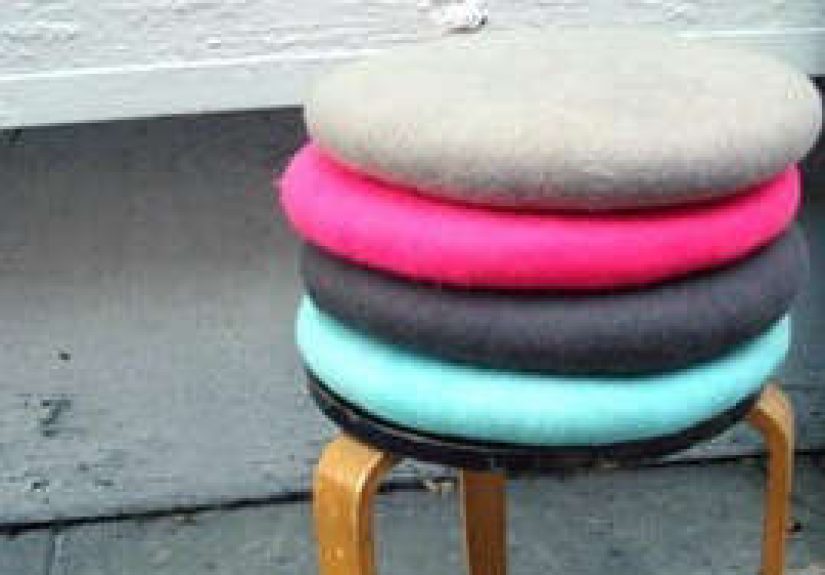
Let’s start with the obvious: felt has presence. Unlike flat cotton or slippery synthetics, wool felt has body. It feels dense, soft, and slightly sculptural, which makes a cushion look substantial even before anyone sits next to it and declares it “the good pillow.”
What makes Hungarian felt cushions especially appealing is the cultural layer they can carry. Hungarian decorative arts are known for vivid color, stylized floral patterns, strong regional motifs, and a balance between ornament and usefulness. That matters because cushions are functional objects. When folk-art-inspired design is translated onto felt, the result can feel both rooted and contemporary.
Some versions are minimalist, relying on the natural beauty of undyed or softly dyed wool. Others are more expressive, using appliqué, embroidery, or contrasting seams to echo traditional Hungarian visual themes. The smartest designs do not feel like museum reproductions. They feel like everyday objects made with memory, material intelligence, and a good eye for detail.
Why Felt Works So Well for Cushions
1. Texture That Does the Decorating for You
One of the easiest ways to upgrade a room is not by repainting a wall or buying a new couch. It is by changing texture. Felt gives you an instant textural boost. A wool felt pillow can soften a leather chair, warm up a linen sofa, or break up a room full of smooth surfaces like glass, wood, and metal.
That is the beauty of felt cushion accessories: they do a lot of visual work without making the room feel busy. Even a simple square cushion in charcoal, cream, moss, or rust can add depth because the material itself has dimension.
2. Natural Resilience
Wool is famously springy, which is part of why felt works so well in home accessories. Good wool felt resists flattening better than you might expect, and it tends to hold its shape nicely when used as a cushion cover or accent pad. Translation: it can look polished even after real life happens. Real life, of course, includes movie nights, kids building blanket forts, and adults pretending they are “just resting their eyes.”
3. Comfort Without Sloppiness
Some decorative pillows look cute for about eleven minutes before collapsing into sad pancakes. Felt has more structure. That makes it ideal for lumbar cushions, bench pads, accent pillows, and chair cushions where you want support and softness at the same time. A well-made wool felt cushion feels cozy, but not mushy.
4. Breathable, Practical Material
Because wool naturally handles moisture and temperature better than many synthetic fibers, felt can feel comfortable across seasons. It is warm-looking in winter, but it does not have to feel oppressive in a well-ventilated room. For people trying to decorate with more natural fibers, wool felt is a strong alternative to plastic-heavy decor that may look fine online but disappoint in person.
The Hungarian Design Influence
Hungarian folk art has a long visual tradition shaped by region, utility, and craftsmanship. While embroidery often gets the spotlight, Hungarian textile culture more broadly is rich with pattern, symbolism, and material skill. Floral motifs, balanced color palettes, and decorative details have historically appeared on garments, household textiles, and practical objects made for daily use.
That is why Hungarian-inspired felt cushions feel so natural as accessories. The form is modern enough for contemporary interiors, but the decorative language can carry echoes of older craft traditions. A cushion may feature tulip-like shapes, stylized blossoms, swirling vines, or a crisp motif arrangement that reflects folk sensibilities without looking theatrical.
The result is a category of decor that can feel both handmade and refined. Think less “theme room,” more “quietly artistic house where someone knows how to layer texture.”
How to Style Hungarian Felt Cushions at Home
On a Sofa
If your couch is neutral, Hungarian felt cushions can become the accent that wakes it up. Try pairing one statement pillow with two quieter companions in solid wool, linen, or cotton. This keeps the look curated instead of chaotic. If the cushion has embroidery or a bold motif, let it be the star and keep the rest of the palette grounded.
On a Reading Chair
A felt lumbar cushion on an armchair is one of those small upgrades that makes a corner feel intentional. It adds support, but it also makes the chair look “finished.” A soft olive, paprika red, smoky blue, or natural cream tone works beautifully in reading nooks and library-style spaces.
On a Bed
These cushions work especially well as a front accent on layered bedding. Felt adds contrast against smoother duvet covers and quilts. Use one long lumbar pillow or two smaller square cushions to introduce color and craft without overwhelming the bed.
On a Bench or Window Seat
This may be where wool felt shines hardest. Bench seating needs fabric that looks tailored, not floppy. Felt’s structure makes it ideal for mudrooms, breakfast nooks, entry benches, and window seats. Hungarian felt cushions in this setting can feel cheerful, heritage-inspired, and incredibly inviting.
Best Color Palettes for Hungarian Felt Cushions
Color matters because felt amplifies it differently than smoother fabrics do. Rich tones look deeper, and muted colors feel earthier. Here are a few winning directions:
Folk-Inspired Brights
Think red, cobalt, mustard, leafy green, and touches of black or cream. This palette suits bohemian, eclectic, and heritage-inspired homes.
Modern Earth Tones
Terracotta, camel, mushroom, olive, and charcoal make felt cushions feel contemporary and sophisticated. This is the “I like artisan decor, but I also like visual peace” option.
Soft Neutrals
Ivory, oatmeal, stone, and heather gray let the felt texture do the talking. These shades are perfect if you want wool felt pillows that blend into Scandinavian, minimalist, or quiet-luxury interiors.
What to Look for Before You Buy
Material Quality
Look for genuine wool or high-wool-content felt when possible. A decorative pillow described as “felt” may sometimes be more synthetic than sheep. If you want the texture, resilience, and natural-fiber appeal that make felt worthwhile, fiber content matters.
Construction Details
Check seams, backing fabric, closures, and insert quality. A beautiful cushion with sloppy stitching is like a fancy cake made of cardboard. Lovely to look at, disappointing in action.
Pattern Placement
If the design is inspired by Hungarian folk motifs, it should feel balanced and intentional. Good decorative cushions look composed from across the room and rewarding up close.
Size and Use
Not every cushion should do every job. A decorative 18-by-18-inch pillow is great for styling. A firmer lumbar shape may be better for support. A bench pad needs thickness and density. Match the cushion to how you actually live, not just how you want your room to appear in your imagination.
Caring for Felt Cushions Without Causing Drama
Wool felt is durable, but it likes gentle treatment. That means reading care labels, avoiding aggressive washing, and not tossing a handmade cushion into a hot machine cycle like it insulted your family.
For routine care, regular light vacuuming with a brush attachment helps remove dust. Spot cleaning with a mild wool-safe solution is often the best first step. If the cushion has a removable cover, follow its instructions carefully. Some wool pieces may need hand washing or professional cleaning, especially if they include embroidery, appliqué, or delicate embellishment.
High heat can shrink or distort felt, so air drying is usually the safer move. Also, rotate cushions occasionally if they live in a favorite spot. Yes, even pillows appreciate fairness.
Are Hungarian Felt Cushions a Good Sustainable Decor Choice?
They can be, especially when made with natural wool, thoughtful construction, and long-term use in mind. One reason people are rethinking home accessories is simple: cheap decor often becomes waste quickly. A cushion that pills badly, loses shape, or falls apart after a season is not a bargain. It is clutter with a short career.
By contrast, a well-made felt cushion can last for years, adapt to changing rooms, and age with more dignity than trend-driven throw pillows covered in slogans that nobody wanted to read after 2019. Wool is also renewable, and many buyers appreciate that felt pieces often reflect slower, more craft-based production.
Of course, sustainability depends on the maker, the material mix, and how the item is used. But in general, natural fiber cushions with lasting structure and timeless appeal make more sense than disposable decor churn.
Why These Cushions Still Feel Fresh in Modern Interiors
Part of the answer is that people are tired of rooms that look perfect and feel anonymous. Hungarian felt cushions bring in the kinds of qualities modern spaces often lack: tactility, imperfection, softness, and cultural character. They can bridge old and new without forcing the issue.
In a sleek room, they add warmth. In a traditional room, they add artistry. In a mixed-style room, they act like peacemakers. That versatility is why artisan home accessories remain so compelling. A single cushion can introduce history, color, comfort, and texture in one move.
And honestly, that is excellent value for something you also get to nap on.
Final Thoughts
Hungarian felt cushions are more than decorative extras. They represent a smart meeting point between material performance and visual storytelling. Felt brings durability, warmth, and texture. Hungarian-inspired design brings pattern, personality, and craft heritage. Together, they create accessories that feel grounded, beautiful, and easy to live with.
If you are looking for a home update that is small in scale but big in effect, this is a wonderful category to explore. The right cushion can soften a room, sharpen a style direction, and make everyday spaces feel more considered. It is a simple shift, but a meaningful one. Sometimes the difference between an okay room and a memorable room is just one really good pillow. An excellent pillow, to be precise. Possibly Hungarian. Definitely felt.
Extended Experience: Living With Hungarian Felt Cushions
Living with Hungarian felt cushions is one of those small home experiences that sneaks up on you. At first, you notice the look. They have more character than ordinary throw pillows, and they immediately make a room feel layered. A couch that once looked flat suddenly has depth. A plain chair starts looking intentional. A bench by the window goes from “functional seating” to “spot where people mysteriously want to drink tea and stare outside.”
Then you notice the texture. This is where felt really earns its keep. It does not have the slickness of synthetic decor fabric or the fragile preciousness of something that seems afraid to be touched. Felt invites contact. People reach for it. They lean into it. They ask where you found it. Children pat it. Guests steal it from the chair and tuck it behind their backs. In a house full of hard surfaces, felt reads almost like a visual sigh of relief.
Another experience people often talk about is the sense of warmth these cushions bring without needing flashy color. Even when the palette is simple, felt has enough visual density to make a room feel cozier. In fall and winter, that effect is obvious. But even in warmer seasons, a well-chosen felt cushion can make a room feel grounded rather than heavy. It is cozy without becoming cabin cosplay.
There is also the practical side. A good felt cushion usually holds up better than many trendy accent pillows. It keeps a cleaner silhouette. It looks less rumpled. It does not immediately flatten into existential sadness after one weekend of use. If it has folk-inspired stitching or decorative motifs, those details tend to feel more special over time instead of less. The cushion starts acting less like a seasonal accessory and more like a familiar object in your home, the kind that always seems to belong no matter how many times you rearrange the furniture.
Emotionally, these cushions can change how a space feels. Handmade or craft-forward decor often has that effect. It slows a room down. It makes the space feel chosen instead of assembled. And because Hungarian-inspired felt cushions often carry a sense of tradition, they can make even a modern room feel more human. Not old-fashioned, not stiff, just more alive.
Perhaps the nicest experience of all is that they age well in daily life. You stop thinking of them as precious objects and start appreciating them as companions to ordinary routines: reading, lounging, talking, daydreaming, working from the couch when you promised yourself you would not, and then doing it anyway. That is the charm. Hungarian felt cushions do not just decorate a room. They participate in it.