Table of Contents >> Show >> Hide
- What Are Adzuki Beans, Exactly?
- Adzuki Beans Nutrition (Why They’re More Than Just Cute)
- Health Benefits of Adzuki Beans (Realistic, Not Magical)
- The One Downside: Gas, Bloating, and Other Bean Drama
- How to Cook Adzuki Beans (Stovetop, Instant Pot, and “I Forgot to Plan”)
- How to Use Adzuki Beans: Easy Meal Ideas
- Sprouting Adzuki Beans (Optional, but Fun)
- Storage: Keep Your Beans Ready for Real Life
- FAQs About Adzuki Beans
- Conclusion: Small Bean, Big Potential
- Extra: of Real-World Experiences With Adzuki Beans
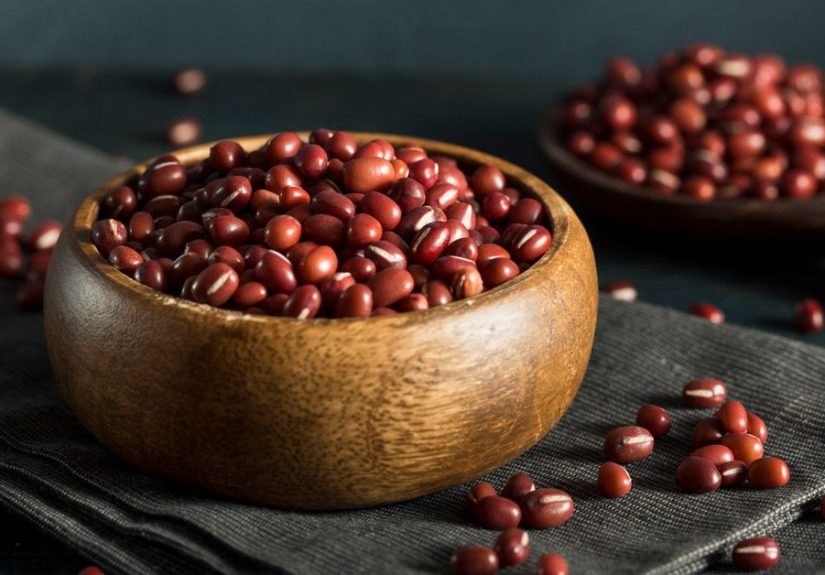
Adzuki beans (also spelled azuki) are the tiny, brick-red legumes that somehow manage to be
both a cozy dessert ingredient and a serious meal-prep MVP. They’re mild, slightly nutty,
andwhen cooked rightcreamy in the middle without turning into sad bean mush.
In this guide, we’ll break down adzuki bean nutrition, real-world health benefits (no magical bean
fairy tales), and the most practical ways to cook them: stovetop, Instant Pot, and even “I forgot to soak”
situations. By the end, you’ll know how to turn a humble bag of dried beans into soups, salads, grain bowls,
tacos, and the famous sweet red bean paste that makes desserts taste like comfort food with good manners.
What Are Adzuki Beans, Exactly?
Adzuki beans are small legumes commonly used across East Asian cuisines, especially in Japanese, Chinese, and Korean dishes.
In the U.S., you’ll see them marketed as “adzuki” or “azuki” beanssame bean, different spelling, same ability to make you
feel like you suddenly have your life together because you cooked dried beans on purpose.
They’re naturally gluten-free, low in fat, and packed with fiber and plant-based proteinmeaning they can pull double duty
as a hearty ingredient for savory meals and a smooth base for sweet fillings.
Adzuki Beans Nutrition (Why They’re More Than Just Cute)
If beans had a résumé, adzuki’s would be a two-page document with bullet points, endorsements, and a politely aggressive
cover letter. They’re rich in complex carbs, fiber, and minerals like potassium, magnesium, and iron.
Nutrition snapshot: 1 cup cooked adzuki beans
| Nutrient | Approx. amount (1 cup cooked) | Why it matters |
|---|---|---|
| Calories | ~294 | Energy without much fat; great for hearty meals. |
| Protein | ~17 g | Supports muscle repair and helps keep you full. |
| Carbohydrates | ~57 g | Mostly complex carbssteady fuel, not a sugar roller coaster. |
| Fiber | ~17 g | Gut health, satiety, and heart support. |
| Fat | ~0.2 g | Basically a cameo appearance. |
| Potassium | ~1,224 mg | Helps support healthy blood pressure and fluid balance. |
| Magnesium | ~120 mg | Plays roles in nerve function, muscles, and metabolism. |
| Iron | ~4.6 mg | Important for oxygen transport and energy levels. |
Want a smaller serving reference? A 1/2 cup of cooked adzuki beans is listed as providing
about 8.4 grams of fiber, which is a big deal for such a modest scoop.
Protein quality (aka: beans aren’t trying to be steak, but they show up)
Like most legumes, adzuki beans provide a strong amount of protein, but they’re not “complete” in the same way as animal proteins.
In practice, that’s easy: pair them with grains (rice, quinoa, whole wheat) or nuts/seeds across the day, and you’ll cover
your essential amino acids just fine. Think of it as teamwork, not a solo sport.
Health Benefits of Adzuki Beans (Realistic, Not Magical)
Adzuki beans share many of the well-studied perks of legumes: fiber for heart health, steady energy, and a gut-friendly
profile that can support better digestion over time. The key is consistencybeans are a “show up regularly” food.
1) Fiber that supports heart health and digestion
Adzuki beans are high in dietary fiber, and fiber is associated with benefits like improved bowel regularity, better satiety,
and supportive effects on cholesterol and cardiovascular health when part of an overall balanced diet.
2) A steady-energy carbohydrate (friendly to blood sugar patterns)
Beans are known for complex carbs and fiber, which typically digest more slowly than refined carbs. That’s one reason legumes
are often discussed in the context of balanced blood sugar and long-lasting fullness.
3) Plant-based protein that helps you stay satisfied
Protein plus fiber is a famously filling combo. If you’ve ever eaten a bean-and-grain bowl and realized you’re not rummaging
for snacks an hour later, that’s not your imaginationit’s the nutrition doing its job.
4) Mineral support (hello, potassium and magnesium)
Adzuki beans contribute minerals like potassium and magnesium, which are involved in muscle function, nerve signaling,
and cardiovascular support. No, you won’t become a superhero. Yes, your body actually uses these minerals all day long.
5) A gut-friendly “train your system” food
Beans can cause gas for some people (more on that in a moment), but the same fermentable fibers that cause the
“bean soundtrack” also feed gut bacteria. Many people find tolerance improves when they increase beans gradually.
The One Downside: Gas, Bloating, and Other Bean Drama
Let’s address the elephant in the room (who is definitely blaming the beans): legumes contain
oligosaccharidescarbs that your body doesn’t fully break down. Gut bacteria step in,
ferment them, and… well… you get “bonus air.”
How to reduce gas from adzuki beans
- Soak and rinse: Soaking can help remove some gas-causing compounds. Drain and rinse before cooking.
- Cook thoroughly: Undercooked beans are tougher on digestion (and taste like regret).
- Start small: Begin with 1/4 cup servings and increase gradually over a couple weeks.
- Stay hydrated: Fiber works best when you drink enough water.
- Use digestive-friendly spices: Cumin, ginger, fennel, and bay leaf are popular picks.
How to Cook Adzuki Beans (Stovetop, Instant Pot, and “I Forgot to Plan”)
Step 1: Sort and rinse
Pour dried adzuki beans onto a plate or baking sheet and look for tiny stones or shriveled beans.
Rinse well in a fine-mesh strainer until the water runs clearer.
Step 2: Decide whether to soak
Adzuki beans are relatively small, so they can cook well without soaking. That said, soaking can help
shorten cooking time and improve digestibility for some people.
Option A: No-soak method (works great for many cooks)
If you’re short on time, you can cook adzuki beans straight from dryjust plan for a longer simmer
and taste for tenderness.
Option B: Soak method (extra helpful for digestion and even cooking)
Soak 1 cup dried adzuki beans in plenty of water for 6–8 hours (or overnight). Drain and rinse before cooking.
Many bean experts also recommend salting the soak water for better texture and flavor.
Stovetop: The classic simmer
- Place 1 cup rinsed adzuki beans in a pot.
- Add 3–4 cups water (more if you like extra broth).
- Bring to a boil for 10 minutes, then reduce to a gentle simmer.
- Simmer 45–60 minutes (unsoaked) or 30–45 minutes (soaked), until creamy and tender.
- Salt to taste (early salting can be fine; acid like vinegar or tomatoes is best added near the end).
Texture tip: For salads, stop when beans are tender but hold their shape. For dips,
spreads, or sweet red bean paste, cook longer until very soft.
Instant Pot / Pressure Cooker: Fast and reliable
Pressure cooking is the quickest way to get consistently tender adzuki beansespecially if your beans are older
or your schedule is chaotic.
Unsoaked adzuki beans (Instant Pot)
- Firm beans (soups, salads): 16–20 minutes on high pressure, then natural release ~10 minutes.
- Very soft beans (red bean paste): ~25 minutes on high pressure, then natural release.
Soaked adzuki beans (Instant Pot)
- Firm beans: 4–6 minutes on high pressure + natural release.
- Very soft beans: ~10 minutes on high pressure + natural release.
Use enough water to cover the beans by about an inch or two (and don’t fill past your cooker’s recommended max line).
Flavor boosters that don’t fight your beans
Beans are like a good supporting actor: they shine when the script is decent. Try simmering or pressure cooking with:
- Onion or scallions
- Garlic
- Bay leaf
- Ginger slices (especially nice for adzuki)
- Kombu (a piece of dried kelp) for a subtle savory note
Save acidic ingredients (tomatoes, vinegar, lemon) for the end so beans soften more predictably.
How to Use Adzuki Beans: Easy Meal Ideas
Savory ideas (weeknight friendly)
- Adzuki chili: Swap them for kidney beans for a slightly sweeter, creamier bite.
- Grain bowls: Adzuki + brown rice + roasted veggies + tahini dressing = “I meal-prepped like an adult.”
- Soups and stews: Add cooked beans near the end to keep them intact.
- Taco filling: Mash lightly with cumin, garlic, and lime for a plant-forward taco base.
- Salads: Toss cooled beans with olive oil, herbs, diced cucumber, and a salty cheese (if you eat dairy).
Sweet ideas (where adzuki beans become famous)
Adzuki beans are the classic base for sweet red bean paste (often called anko).
It’s used in desserts like mochi, buns, pancakes, and shaved ice toppings. The flavor is gently sweet,
not candy-sweetmore “dessert with a library card” than “dessert that steals your car.”
Simple sweet red bean paste (anko) overview
- Cook adzuki beans until very soft.
- Drain (or reserve some cooking liquid for adjusting texture).
- Simmer with sugar and a pinch of salt until thick and spreadable.
- Blend for smooth paste, or keep it chunkyyour dessert, your rules.
Sprouting Adzuki Beans (Optional, but Fun)
Adzuki beans can be sprouted for crunchier texture and a fresh flavor. In general:
- Soak beans in water for several hours.
- Drain, then rinse and drain 2–3 times per day.
- After 2–4 days, you’ll see sprouts. Rinse well and store chilled.
Food safety note: Sprouts can be more prone to bacterial growth. Many people prefer cooking sprouts
lightly rather than eating them raw, especially if serving kids, older adults, pregnant people, or anyone with a
weakened immune system.
Storage: Keep Your Beans Ready for Real Life
Cooked beans
- Fridge: Store in their cooking liquid in an airtight container for up to about 5 days.
- Freezer: Freeze in portions (with a bit of liquid) for easy weeknight add-ins.
Dried beans
Keep dried adzuki beans in a cool, dry place in a sealed container. Older beans can take longer to soften,
so if your cooking time is mysteriously doubling, your beans might just be… experienced.
FAQs About Adzuki Beans
Are adzuki beans the same as “red beans”?
Sometimes “red beans” refers to kidney beans or small red beans, depending on the recipe and region.
Adzuki beans are smaller and have their own distinct flavor and cooking behaviorespecially in desserts.
Do I have to soak adzuki beans?
Not always. Many people cook them without soaking because they’re small. Soaking can still be useful for faster
cooking and gentler digestion, especially if you’re new to beans.
How do I make beans softer if they won’t cook?
First, cook longer at a gentle simmer and make sure you’re using enough water. Hard water can slow softening,
and very old beans can be stubborn. Some cooks use a tiny pinch of baking soda in soaking water to encourage
softness, but it can slightly change flavor and textureuse sparingly.
Are canned adzuki beans okay?
Absolutely. Rinse canned beans to reduce sodium, then use them in salads, bowls, or quick soups. Dried beans are often
cheaper per serving and give you more control over texture and seasoning.
Conclusion: Small Bean, Big Potential
Adzuki beans check a rare number of boxes: they’re nutrient-dense, high in fiber, naturally low in fat,
and genuinely versatile. Cook them once, and you can turn them into hearty dinners all weekor into sweet red bean paste
for desserts that feel both nostalgic and oddly sophisticated. The best part? They’re forgiving. Whether you’re simmering
on the stovetop or leaning on a pressure cooker, adzuki beans are ready to become your new pantry power move.
Extra: of Real-World Experiences With Adzuki Beans
If you’re trying adzuki beans for the first time, the most common experience is this: you open the bag and think,
“These are… adorable.” Then you rinse them and think, “Okay, these are very smalldid I buy beans or
fancy aquarium gravel?” Don’t worry. Once cooked, they plump up and turn into legit, satisfying bites.
A lot of home cooks notice that adzuki beans feel “cleaner” and lighter than some bigger beans. The flavor is mild,
slightly sweet, and not as earthy as black beans or as bold as kidney beans. That makes them a great gateway bean for
people who want more legumes but don’t want their whole meal to taste like a bean lecture. In savory dishes, they tend to
pick up seasonings beautifully. In sweet dishes, they don’t need much helpjust sugar and a tiny pinch of salt can turn
them into something dessert-worthy.
Another classic experience: figuring out your preferred texture. The first time you cook them, you might pull them off the
heat a little early because you’re afraid of mush. Then you take a bite and realize they’re still a bit firm in the middle.
The next time, you simmer longer and discover the sweet spottender, creamy, and still holding their shape. If you’re making
sweet red bean paste, you’ll probably have a “trust the process” moment where the beans seem too watery or too chunky, then
suddenly they thicken into a spreadable paste like they were born for it. (They were.)
People also tend to learn quickly that beans are a “batch cook” win. You cook a pot on Sunday, then toss them into grain bowls
on Monday, a soup on Tuesday, and a quick skillet situation on Wednesday. It feels like cheating, but in a wholesome way.
The beans keep well in the fridge, and freezing them in small portions is one of those tiny habits that makes future-you
feel personally supported.
On the digestion front, many bean-eaters report a simple pattern: the first few times can come with extra gas, but
tolerance improves when you introduce beans gradually. Soaking, rinsing, and cooking thoroughly often helps, but it’s also
about consistency. Your gut microbiome adapts, and what felt “dramatic” at first becomes normal. If you’ve ever thought,
“I want the benefits of beans without the sound effects,” you’re not aloneand the slow-and-steady approach is usually the
most comfortable.
Finally, there’s the “where have these been all my life?” moment. That usually happens after you use adzuki beans in a dish
where you expected them to be “fine,” and they turn out to be genuinely greatcreamy, flavorful, and versatile. Suddenly you’re
checking pantry space like it’s real estate and debating whether you need one bag or three. (Spoiler: you’ll find a reason
to use three.)