Table of Contents >> Show >> Hide
- The Backyard Chicken Dream Starts With More Than Eggs
- Why the Coop Became the Star of the Backyard
- What Makes a Chicken Coop Truly Incredible?
- Backyard Chickens Are a Lifestyle, Not a Decoration
- Health and Safety: The Less-Cute Side of Backyard Poultry
- Design Lessons From the Couple’s Incredible Coop
- How to Plan Your Own Backyard Chicken Coop
- The Garden Bonus: Chickens Can Help Close the Backyard Loop
- Why People Fall in Love With Backyard Chickens
- Extra Experience Section: What Raising Chickens Teaches You After the Coop Is Built
- Conclusion
- SEO Tags
Some people decide to raise chickens and come home with a basic coop, a bag of feed, and a dream of Sunday omelets. Others decide to raise chickens and accidentally create the backyard equivalent of a tiny luxury hotel with feathers, nesting boxes, and just enough charm to make the neighbors “casually” peek over the fence.
That is the magic behind the story of a couple who, after deciding to raise chickens, built something far more memorable than a standard backyard pen. Their modern chicken coop became a conversation piece: practical, stylish, secure, and surprisingly personal. It was not just a shelter for hens. It was a small backyard structure with architectural confidence, clever details, and the kind of personality that makes you wonder whether the chickens know they are living better than some college students.
The idea taps into a bigger trend across the United States: backyard chickens are no longer just for farms. Homeowners, urban gardeners, homesteaders, and families looking for fresh eggs are rethinking what a chicken coop can be. Today, a well-built coop can be a mini barn, a modern shed, a garden feature, a compost partner, and a daily source of entertainment. Yes, chickens are livestock. But ask anyone who has watched a hen sprint across the yard for a blueberry, and they will tell you: they are also tiny dinosaurs with hobbies.
The Backyard Chicken Dream Starts With More Than Eggs
At first glance, raising chickens sounds simple. Build a coop, buy a few hens, collect eggs, and enjoy the rustic life. In reality, the decision quickly becomes a full household project. Chickens need a safe structure, dry bedding, clean water, predator protection, ventilation, nesting space, roosting space, and consistent care. They also need humans who understand that “cute chicks” eventually become “adult birds with opinions.”
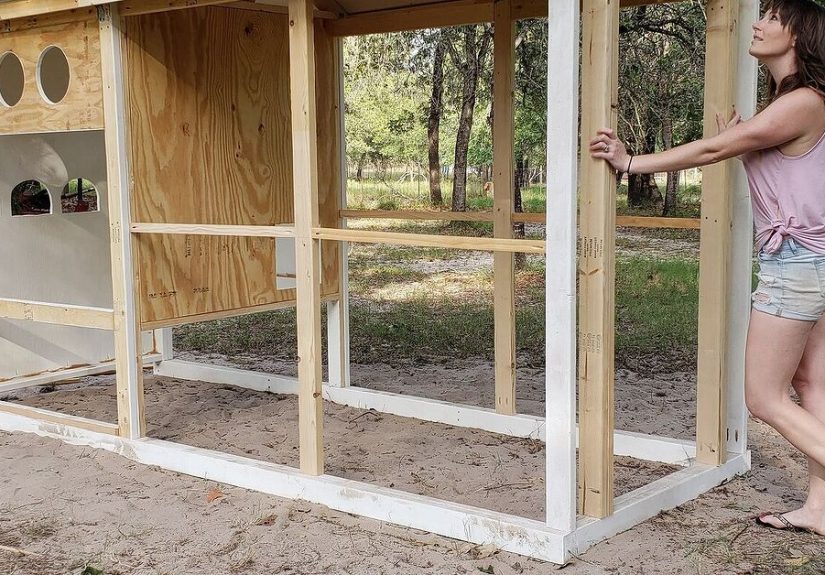
For this couple, the project became an opportunity to blend function with design. Instead of hiding the coop in a forgotten corner of the yard, they made it part of the home’s creative personality. The modern structure measured about 6 feet by 9 feet and included five nesting boxes accessible from the outside, making egg collection easier. A repurposed chandelier added a playful touch, because apparently even hens deserve mood lighting.
That small detail says a lot. Great chicken coop design is not just about boards, wire, and roofing. It is about building something that works every single day. The best coops make feeding easier, cleaning faster, egg collecting simpler, and chicken keeping more enjoyable. A pretty coop that is hard to clean becomes a regret with shingles. A practical coop that also looks beautiful becomes a backyard win.
Why the Coop Became the Star of the Backyard
The incredible part of this build is not only that it looked good. It solved real chicken-keeping problems. A smart backyard chicken coop protects hens from raccoons, foxes, dogs, snakes, rodents, hawks, extreme weather, and the occasional curious child who wants to know whether chickens enjoy hugs. Spoiler: some tolerate them; most prefer snacks and personal space.
Modern chicken coops often borrow ideas from small-space architecture. They use compact layouts, easy-access doors, removable trays, weather-resistant materials, and secure runs. In this case, the coop was designed as a backyard feature rather than an afterthought. That matters because a coop you enjoy seeing is a coop you are more likely to maintain.
Maintenance is not glamorous, but it is the backbone of healthy chicken keeping. A coop should be easy to enter, easy to sweep, easy to disinfect, and easy to inspect. Feeders and waterers should be reachable without a daily yoga routine. Nesting boxes should be accessible without crawling through bedding like a detective searching for breakfast evidence.
What Makes a Chicken Coop Truly Incredible?
An incredible chicken coop is not defined by how fancy it looks on social media. It is defined by whether it keeps chickens healthy, safe, and comfortable while making life easier for the people caring for them. Beauty is a bonus. Security is not.
1. Enough Space for Happy Hens
Space is one of the first planning decisions. Many backyard poultry resources recommend roughly 3 to 4 square feet of indoor space per laying hen, with more outdoor run space when possible. Crowding can create stress, odor, pecking problems, and dirty bedding. Chickens may be small, but they do not appreciate studio-apartment living when six roommates keep stepping on their feet.
A good coop also includes outdoor access if the property allows it. A secure run gives chickens room to scratch, dust bathe, explore, and behave like chickens. Scratching is not a bad habit; it is chicken software running correctly. The trick is giving them a safe place to do it.
2. Nesting Boxes That Make Egg Collection Easy
Nesting boxes are where the daily treasure hunt happens. For small flocks, one nesting box for every four or five hens is usually enough. The boxes should be quiet, clean, dry, and positioned so hens feel secure. External access is a major convenience because it allows owners to collect eggs without stepping fully into the coop.
The couple’s five nesting boxes were not just cute. They were practical. A well-designed nesting area helps keep eggs cleaner and reduces the chance of breakage. It also limits the classic beginner problem: hens laying eggs in strange places, such as behind a bucket, under a shrub, or in the one corner nobody can reach without sacrificing dignity.
3. Roosting Bars for Natural Chicken Behavior
Chickens instinctively sleep off the ground. Roosting bars let them perch at night, which helps them feel safer and keeps them away from damp bedding. Good roost design includes enough space for each bird, smooth edges to prevent foot injuries, and placement that does not send droppings directly into nesting boxes.
That last part is important. Chickens do not come with advanced restroom etiquette. If the roost is above the nest box, the nest box will become a bathroom with straw. Nobody wants breakfast from that neighborhood.
4. Predator Protection That Goes Beyond Chicken Wire
Many first-time chicken owners assume chicken wire is enough because the name sounds official. Unfortunately, chicken wire is better at keeping chickens in than keeping predators out. Raccoons, dogs, foxes, and other determined animals can tear, pry, dig, or reach through weak materials.
A safer coop uses sturdy hardware cloth or welded wire on windows, vents, doors, and runs. Digging predators are another concern, so many builders bury fencing below ground or install an outward-facing apron around the run. A covered run also helps protect birds from hawks and owls. In chicken keeping, “probably safe” is usually the phrase people say right before buying replacement hens.
5. Ventilation Without Drafts
Good airflow is essential. A coop needs ventilation to reduce moisture, ammonia, and stale air. However, ventilation is not the same thing as a cold draft blowing directly onto sleeping birds. The goal is fresh air above and around the flock without turning bedtime into a wind tunnel.
Windows, vents, roofline openings, and screened gaps can all help when designed properly. In warm climates, shade and airflow are especially important. In colder climates, dryness often matters more than heat. Adult chickens can handle cool weather surprisingly well, but damp bedding and poor ventilation can cause trouble fast.
Backyard Chickens Are a Lifestyle, Not a Decoration
The couple’s beautiful coop may inspire people to imagine a picture-perfect backyard flock, but responsible chicken keeping requires planning. Before buying chicks, homeowners should check local ordinances, homeowners association rules, and city regulations. Some areas allow hens but ban roosters. Some limit flock size. Others require setbacks from property lines or permits.
This step is not nearly as fun as choosing chicken names, but it can prevent serious headaches. “Nugget,” “Henifer Lopez,” and “Cluck Norris” may be adorable, but they will not help much at a zoning meeting.
Chicken owners should also think about neighbors. A clean coop, secure feed storage, odor control, and no surprise roosters go a long way toward keeping peace. Hens make noise, but roosters make announcements with the confidence of a malfunctioning alarm clock. In many neighborhoods, that confidence is not appreciated at 5:12 a.m.
Health and Safety: The Less-Cute Side of Backyard Poultry
Backyard chickens can be wonderful, but they also require basic hygiene. Poultry can carry germs even when they look healthy. Owners should wash hands after handling chickens, eggs, bedding, feeders, waterers, or anything in the coop area. It is also smart to keep coop shoes outside and avoid bringing poultry equipment into kitchens or bathrooms for cleaning.
Children may want to cuddle chicks, but adults should set boundaries. No kissing chickens, no snuggling birds near faces, and no eating snacks in the coop. Chickens are charming, but they are not clean dinner companions. They scratch the ground for a living. Their resume includes “bug enthusiast” and “poop adjacent.”
Egg handling matters too. Eggs should be collected frequently, stored properly, and discarded if cracked or heavily soiled. Clean nesting material helps keep eggs cleaner from the start. Feed should be stored in a dry, rodent-proof container, and water containers should be cleaned regularly. Small habits make a big difference in flock health and household safety.
Design Lessons From the Couple’s Incredible Coop
What can homeowners learn from this backyard build? First, the best projects begin with the animals’ needs. Chickens need shelter, space, safety, food, water, fresh air, and opportunities for natural behavior. Once those essentials are covered, design personality can shine.
Second, convenience should be built in from the beginning. Exterior nesting-box doors, wide human-access doors, washable surfaces, secure latches, and logical storage can turn daily chores into quick routines instead of muddy obstacle courses.
Third, style does not have to be silly. A beautiful chicken coop can complement a garden, improve a backyard, and even become a focal point. Paint color, roofline, trim, lighting, and landscaping can make a coop feel intentional. The couple’s chandelier may not be necessary for egg production, but it shows affection and creativity. Besides, if humans can have pendant lights over a kitchen island, chickens can have a little sparkle over their shavings.
How to Plan Your Own Backyard Chicken Coop
If this story has you mentally measuring your yard, start with a checklist rather than a shopping cart. Decide how many hens you can legally and comfortably keep. Choose breeds suited to your climate, space, and egg goals. Plan the coop around cleaning, feeding, watering, egg collection, predator protection, and future repairs.
Choose the Right Location
Place the coop on well-drained ground. Avoid low spots where water collects after rain. A muddy run creates odor, attracts flies, and makes chickens look like they lost a wrestling match with a swamp. Shade is helpful in hot weather, while morning sun can help dry damp areas.
Build for the Predators You Actually Have
Predator pressure varies by region. Some backyards face raccoons and neighborhood dogs. Others deal with coyotes, foxes, snakes, hawks, owls, bobcats, or bears. A secure coop should match local risks. Strong latches, reinforced vents, buried barriers, covered runs, and nighttime lockup are basic defenses.
Make Cleaning Easy
A coop that is difficult to clean will eventually become a coop that is not cleaned often enough. Design wide doors, removable roosts, smooth surfaces, and easy bedding removal. Keep tools nearby. Compost bedding and manure safely when local rules allow it. Properly composted poultry litter can become a valuable garden amendment, but raw manure can be too strong for plants and unpleasant for noses.
The Garden Bonus: Chickens Can Help Close the Backyard Loop
One underrated benefit of backyard chickens is how well they fit into a garden system. They eat certain kitchen scraps, help turn bedding into compost, scratch through leaves, and produce manure that can be composted into nutrient-rich soil amendment. With good management, a backyard flock can support a more self-sufficient home landscape.
However, chickens and gardens require boundaries. Give hens free access to tender lettuce seedlings and they will hold a salad festival without inviting you. Let them loose near mulch, and they may redistribute it with the enthusiasm of tiny landscapers who misunderstood the assignment. Used wisely, chickens are helpers. Unsupervised, they are feathered chaos consultants.
Why People Fall in Love With Backyard Chickens
The eggs are wonderful, of course. Fresh eggs from a healthy backyard flock can make breakfast feel special. But many chicken owners discover that the emotional reward is just as strong. Chickens have personalities. Some are bold. Some are shy. Some follow people around like feathered puppies. Some behave like suspicious retired librarians.
That is why the couple’s coop story resonates. It is not only about building an attractive structure. It is about the moment a practical project becomes part of family life. The birds become familiar. The routines become comforting. The coop becomes a place you visit every morning with coffee in one hand and unreasonable hope for clean eggs in the other.
Extra Experience Section: What Raising Chickens Teaches You After the Coop Is Built
After deciding to raise chickens, many people focus almost entirely on the build. They compare coop plans, debate roof materials, choose paint colors, and wonder whether the run should be tall enough to walk inside. Those choices matter. But the real learning begins after the hens move in.
The first experience most new chicken keepers talk about is routine. Chickens create rhythm. Morning means checking water, opening the coop, refreshing feed, and saying hello to birds who act as if they have not eaten since the invention of agriculture. Evening means making sure everyone is safely inside before predators become active. The routine is simple, but it makes people more aware of weather, seasons, daylight, and the small responsibilities that keep animals healthy.
The second lesson is humility. Chickens will expose weak points in any plan. If there is a gap under the fence, they will find it. If a latch is too simple, a raccoon may test it. If nesting boxes are not appealing, a hen may choose a secret egg location behind the compost bin and turn breakfast into an archaeological dig. Raising chickens teaches owners to observe, adjust, and improve.
The third experience is learning that cleanliness is not optional. A beautiful coop can still become unhealthy if bedding stays wet, feeders attract rodents, or waterers grow algae. Successful chicken keepers usually develop a system: quick daily checks, weekly tidying, and deeper seasonal cleanouts. The goal is not perfection. The goal is a dry, safe, low-odor environment where hens can thrive and humans do not dread opening the door.
Another important experience is realizing that chickens are both hardy and vulnerable. They can handle cool mornings, scratch happily in ordinary dirt, and turn kitchen scraps into entertainment. At the same time, they depend entirely on people for protection. Predators are clever. Illness can spread. Heat waves can be dangerous. A responsible owner learns to prepare before problems arrive.
Finally, raising chickens changes how people see their backyard. A lawn becomes a habitat. Fallen leaves become bedding or compost material. Vegetable scraps become flock treats. The garden, coop, compost pile, and kitchen begin to connect. That may be the most incredible part of the couple’s project. They did not just build a chicken coop. They built a small system of daily care, creativity, food, and delight.
And yes, they built something beautiful. But the bigger achievement was building something that made room for life: clucking, scratching, egg-laying, chandelier-adjacent life.
Conclusion
After deciding to raise chickens, this couple built something incredible because they treated the coop as more than a backyard box. They made it functional, safe, stylish, and personal. Their project shows what happens when good design meets responsible animal care. A chicken coop can protect a flock, improve a backyard, support a garden, and bring a surprising amount of joy into everyday life.
For anyone dreaming of fresh eggs and cheerful hens, the lesson is clear: build for the birds first, build for convenience second, and then add personality. Whether that personality includes a chandelier is between you, your budget, and your most glamorous hen.